As temperatures drop and energy bills rise, it’s the perfect time to ensure your home is winter-ready. One often-overlooked energy saver? Insulating your hot water heater. If your unit is older or has an R-value below 24 (check the label or manual), it could be losing heat unnecessarily. Here’s how to keep it cozy and efficient.
Why Wrap Your Water Heater?
Think of a water heater insulation blanket as a jacket for your tank. Made from materials like foil or fiberglass, these wraps reduce heat loss by 25-45%. This means your water heater doesn’t have to work as hard, saving energy and lowering utility costs by 7-16%. Over the course of a year, the savings often pay for the cost of the blanket.
How to Tell If Your Water Heater Needs Wrapping
Touch Test: If your water heater feels warm, it’s losing heat.
Check the R-Value: If it’s less than 24, it’s a good candidate for insulation.
Choosing the Right Blanket
Water heater blankets come in various sizes, so make sure to pick one that fits your tank. Options range from budget-friendly foil wraps to thicker fiberglass models. Look for kits that include adhesive or straps for easy installation.
Quick Installation Tips
Turn off the water heater: Safety first!
Cut around controls: Ensure vents, knobs, and access panels are unobstructed.
Secure tightly: Use the straps provided to snugly wrap the blanket around the tank.
Bonus: Eco-Friendly and Budget-Friendly
By insulating your water heater, you’re not just saving money—you’re reducing your home’s energy consumption, which is great for the environment.
Wrapping It Up (Pun Intended)
Prepping for winter doesn’t have to be complicated. Small upgrades, like wrapping your hot water heater, can lead to big savings and a cozier home. So, grab that insulation blanket and give your water heater the winter jacket it deserves!
As the crisp autumn air rolls in, there’s nothing like turning your home into a cozy haven that invites warmth and relaxation. Whether you’re hosting friends or enjoying a quiet evening, here are a few tips to make your space feel irresistibly inviting this fall:
1. Lean into Layered Textures
Nothing says “cozy” quite like layers. Drape multiple blankets on your sofas and beds, mixing materials like chunky knits, sherpa, and lightweight throws. Swapping out summer’s linen sheets for plush flannel is a simple yet effective way to add warmth—literally and visually.
2. Light It Up
Lighting sets the mood. Embrace warm-toned lights and bring out your favorite candles. Scented candles with fall fragrances like cinnamon, pumpkin spice, or cedarwood can elevate the ambiance. Want something extra magical? String fairy lights along mantels or bookshelves for a soft, inviting glow.
3. Add Seasonal Touches
Incorporate natural elements like mini pumpkins, acorns, or dried leaves in your decor. A bowl of apples on the dining table or a vase filled with dried flowers adds a touch of autumn charm. Keep it simple and organic to stay grounded in the season.
4. Create Nooks for Relaxation
Transform a corner of your living room or bedroom into a reading nook. Add a cozy chair, a soft throw, and a small side table for your tea or coffee. This little space becomes a personal retreat to savor the season.
5. Bring in Fall Scents
Beyond candles, try simmer pots with cinnamon sticks, orange slices, and cloves, or use an essential oil diffuser with fall-inspired scents. These subtle aromas make your home feel as comforting as your favorite fall sweater.
Winter is coming, and as temperatures drop, it’s the perfect time to make sure your home is ready for the cold months ahead. Winterizing your home doesn’t need to be a huge, overwhelming task. In fact, with just a few simple steps, you can improve your home’s energy efficiency, keep it cozy, and even save some money on your heating bills. Here are three easy ways to prepare your home for winter:
1. Flush Your Water Heater
Over time, particles and sediment from hard water can accumulate at the bottom of your water heater, making it less efficient. This can lead to reduced heating capacity and potentially cause overheating, leaving you with higher energy costs or a broken unit.
How to do it:
Turn off the power or gas to the water heater.
Shut off the cold water supply valve.
Attach a garden hose to the drain valve and direct it to a floor drain or outside.
Open the drain valve and let the tank fully drain.
Close the valve and refill the tank, ensuring it’s free of sediment.
Flushing your water heater once a year can improve its performance and extend its lifespan.
2. Reverse Your Ceiling Fans
If you haven’t already, now is the time to adjust your ceiling fans to rotate in a clockwise direction. Most ceiling fans have a switch that allows you to change the direction of the blades. In the winter months, setting your fan to turn clockwise helps push warm air that naturally rises towards the ceiling back down to where you need it—on the floor.
Why it matters: Warm air tends to collect at the ceiling, and by reversing your fan, you’ll circulate it throughout the room, keeping things warmer and reducing the need for excessive heating.
3. Program Your Thermostat
One of the easiest ways to save money during the winter is by adjusting your thermostat. The U.S. Department of Energy suggests lowering your thermostat by 7-10°F for 8 hours a day (like overnight or when you’re at work). This can save you up to 10 percent annually on your heating bills.
Tips for programming your thermostat:
Set the temperature lower when you’re asleep or away from home.
If you have a smart thermostat, consider setting it to adjust automatically based on your daily schedule.
Avoid turning the heat up too high, as it will only lead to higher bills without significantly improving comfort.
By following these simple steps, you’ll not only keep your home warm and comfortable throughout the winter, but you’ll also ensure that your heating system runs efficiently.
When the temperatures dip and winter settles in, most people associate the cold months with staying indoors and keeping warm. However, if you’re thinking about sprucing up your home, you might be asking: Should I paint my house in the winter? The short answer is yes, but there are a few important considerations before you grab that paintbrush. What to consider:
1. Check the Paint’s Specifications
Not all paint is created equal. Many standard paints are designed for use in warmer temperatures and may not perform well in colder climates. Before you start painting, check the specifications on the paint can. Look for labels that indicate the paint can be applied in lower temperatures, typically ranging from 35°F to 50°F (1.5°C to 10°C).
Some high-quality paints are specially formulated to handle winter conditions, and they’ll adhere better to surfaces in colder weather, allowing you to achieve a professional finish even during the off-season. If you’re using a paint that doesn’t specify winter use, it’s best to hold off until the weather warms up, as colder temps can affect both the drying time and the overall durability of the paint.
2. Consult Your Contractor or Painter
Before diving into the DIY route, it’s a good idea to consult with a contractor or professional painter. They have the experience to know what works and what doesn’t in specific weather conditions. For example, they might be able to recommend paints that are perfect for winter or suggest adjusting your timeline to allow for more drying time.
Professional painters can also help you prepare for the weather. In cold climates, you might need to use heaters or tarps to help keep the painted surfaces warm enough for the paint to cure properly. If you’re hiring a contractor, ask them how they plan to handle the weather challenges to ensure a smooth and long-lasting finish.
3. Drying Time and Humidity Considerations
Cold weather can slow down the drying time of paint. While this is often a positive during the summer months (giving you more time to touch up), in winter, it can be problematic. Longer drying times mean the paint may not be fully cured before you’re back in your home, leading to smudges or damage from accidental contact.
Winter also comes with higher humidity, especially if you live in a wetter climate. Humidity can interfere with the bonding of the paint and its ability to dry properly. If you live in a particularly cold or humid area, using a space heater or dehumidifier during and after the application might be necessary to ensure the paint dries properly.
4. Exterior Painting Challenges
If you’re thinking about painting the exterior of your home in the winter, there are additional challenges to consider. For one, paint tends to freeze in cold weather, especially when applied to surfaces that are themselves cold. This can cause the paint to lose its consistency and lead to uneven coverage. In the winter, you’ll also have to contend with things like snow, ice, and wind, which can ruin a fresh coat of paint.
For these reasons, exterior painting is best left to late spring, summer, or early fall when temperatures are more stable. If you must paint your exterior in the winter, it’s crucial to check the forecast and only proceed when the weather will remain clear for a couple of days.
5. Winter Painting Pros
So, why might you want to paint in the winter? There are a few benefits to consider:
Less Competition: Since many homeowners wait until the warmer months to tackle painting projects, you may find it easier to book a painter and receive quicker service.
Ideal for Indoor Projects: Winter is a great time to focus on indoor painting projects. Without the concern of outdoor elements, you can safely paint interior rooms like bedrooms, living rooms, and kitchens.
Cost Savings: Some painters might offer discounts or off-season rates during the winter months to encourage business when demand is lower.
Yes, you can paint your house in the winter, but you need to be prepared. Always check the paint specifications to ensure it can handle lower temperatures, and consult a professional to get their expert advice on how to manage any challenges. If you’re tackling an exterior project, the colder months might not be ideal due to freezing temperatures, but interior painting can be a great winter project. Whatever you decide, making sure that you’re using the right products and approach will guarantee the best possible results.
Let’s face it—life can be stressful. Work deadlines, personal commitments, and the never-ending to-do lists can make us feel like we’re on a hamster wheel that never stops. While stress is a part of life, especially in the hustle and bustle of a workday, there’s no reason why we can’t inject a little humor into our environment to lighten the mood. Sometimes, the smallest things can have the biggest impact, and your desk is a great place to start. Let’s talk about some funny, quirky desk accessories that could help relieve stress and put a smile on your face, even on the toughest days.
A Stress-Relief Toy
If you’re feeling like you might snap at the next email that starts with “Just following up…,” it might be time to grab a stress ball. Or better yet, how about a squishy blobfish? Yes, they exist! A blobfish stress toy is not only fun to squish, but just looking at its ridiculous, saggy face might be enough to make you laugh away your tension. Let’s be honest—nobody can stay stressed while squishing a blobfish.
The Decision-Making Paperweight
Struggling with decisions? You need a magic 8-ball-style paperweight to make the tough calls. Spin it and get answers like “Yes,” “No,” “Ask Again Later,” or even “Who Cares?” Sometimes it’s the humorous indecision that helps break the tension of making real choices. Plus, it’s a fun conversation starter for anyone who visits your desk.
Mug With a Message
A good mug is essential for any workday, but why not make it funny too? Look for a mug with a sarcastic or witty message like, “I’m not arguing, I’m just explaining why I’m right,” or, “Coffee: Because adulting is hard.” The right mug can become a daily reminder not to take everything too seriously—and that caffeine can solve (almost) anything.
Funny Sticky Notes
We all need sticky notes to keep track of things, but why not make them funny? Try ones that say, “I need a nap,” “I’m on it… sort of,” or “Can I go home now?” Sometimes writing your to-dos on something silly makes them feel just a little less overwhelming.
A Funny Desktop Calendar
Why not start each day with a joke or a sarcastic thought? A daily calendar with witty sayings or jokes can add a dose of humor as you flip the page each morning. Whether it’s a silly dad joke or a snarky comment, it might be the laugh you need before diving into your email.
Desk Signs with Personality
Desk signs with messages like “I’m not bossy, I’m the boss,” or “Please don’t interrupt me unless you’re bringing snacks” can be a fun way to make your workspace more you—and also set the tone for how your day should go.
A Little Humor Goes a Long Way
While these funny desk accessories won’t completely eliminate life’s stresses, they can make the day a little brighter. Surrounding yourself with things that make you laugh is a small way to shift your mindset and remind yourself not to take everything too seriously. Life is busy, and stress is inevitable, but a quick chuckle here and there can keep you grounded—and make your workspace a lot more fun.
So, next time you feel the pressure building, take a deep breath, glance at your funny desk toy, and remember: It’s just a bad moment, not a bad life!
If you spend a lot of time cooking or cleaning in the kitchen, you’ve probably noticed how tired your legs and back can get from standing on hard floors. Enter anti-fatigue kitchen mats—a simple yet effective solution designed to provide comfort and reduce strain on your body. But how do they work, and why should you consider getting one?
What Are Anti-Fatigue Mats?
Anti-fatigue mats are cushioned mats specifically designed to reduce the discomfort caused by standing on hard surfaces for long periods. Made from materials like foam or gel, these mats help absorb the impact on your joints, muscles, and spine, providing a more comfortable standing experience.
How They Benefit You
Reduced Discomfort: Standing on a hard surface can cause fatigue in your legs, back, and feet. Anti-fatigue mats offer cushioning, easing pressure on your joints and muscles.
Increased Productivity: If cooking is a major part of your daily routine, an anti-fatigue mat can make those long sessions in the kitchen more bearable, allowing you to enjoy the process without the physical strain.
Better Posture: These mats encourage subtle muscle movements that improve circulation and posture, reducing the risk of long-term health issues from prolonged standing.
Energy Boost: When your body isn’t focused on managing discomfort, you’ll feel less fatigued and more energized to tackle your day.
Key Features to Look For
Material: High-quality foam or gel materials offer the best comfort and durability.
Thickness: Look for mats that are at least 3/4-inch thick to provide adequate cushioning.
Non-Slip Surface: Safety is key. Choose a mat with a non-slip backing to prevent accidents.
Easy to Clean: Since it’s going in the kitchen, pick a mat that’s stain-resistant and easy to wipe down.
Where to Use Anti-Fatigue Mats
Kitchen: Place one in front of your sink or stove for comfort while cooking or washing dishes.
Laundry Room: A mat in front of your washer and dryer can make laundry days easier.
Standing Desks: If you work from home and use a standing desk, anti-fatigue mats can help reduce strain during long hours of work.
Anti-fatigue kitchen mats are more than just a luxury—they’re a practical investment in your comfort and well-being. By reducing strain, improving posture, and boosting energy, they can make your time in the kitchen far more enjoyable.
Bulky phone chargers have long been a nuisance, especially when they prevent you from placing your furniture snugly against the wall. You’ve probably faced the dilemma of having to rearrange furniture or deal with awkward gaps just to make room for your charger. Fortunately, there’s a simple solution: flat, thin chargers.
The Problem with Traditional Chargers
Standard phone chargers often come with large plugs and protruding cords that make it difficult to position furniture close to the wall. Whether it’s a nightstand, a couch, or a desk, these bulky chargers force you to leave unsightly gaps or constantly adjust your layout to accommodate them.
Enter Flat, Thin Chargers
Flat, thin chargers are designed to solve this exact problem. With a slim profile, they can plug directly into outlets without taking up much space. Because they lie almost flush with the wall, you can push your furniture right up against it without worrying about damaging the charger or bending the cord.
Benefits of Flat Chargers
Space-Saving Flat chargers allow you to maximize your room layout without leaving gaps. This not only improves the overall look but also makes your space more functional and organized.
Reduced Cord Strain Bulky chargers can strain the cord when bent or squeezed behind furniture. Flat chargers prevent this by maintaining a sleek and flush design, preserving the integrity of your charging cables.
Sleek and Minimal Design Many flat chargers are designed with aesthetics in mind. They blend seamlessly into your home’s décor, keeping things neat and minimalist, without the unsightly bulge of traditional chargers.
Improved Accessibility With flat chargers, you can still easily access outlets without having to move heavy furniture every time you need to plug in your device. This makes charging your phone or other gadgets more convenient.
How to Choose the Right Flat Charger
When shopping for a flat, thin charger, consider a few key factors:
Compatibility: Ensure the charger is compatible with your phone or device.
Length of Cord: Depending on where the outlet is located, choose a cord length that fits your setup.
Durability: Look for chargers made from high-quality materials that can withstand frequent use.
Design: Pick a design that complements your home, whether you’re looking for sleek black, white, or other minimalist finishes.
A Simple Fix for Everyday Convenience
Flat, thin chargers offer a smart and simple solution for anyone dealing with bulky phone chargers that ruin their room’s layout. With these space-saving chargers, you no longer need to choose between functionality and aesthetics. Keep your furniture against the wall and enjoy a clutter-free, streamlined living space!
When it comes to hanging a picture, a shelf, or anything substantial on your walls, finding a wall stud is crucial for providing the necessary support. A stud offers a secure anchor point, ensuring your decor stays put without damaging your walls. While you can purchase a battery-powered stud finder for around $20, there’s a simple and cost-effective way to locate a wall stud using just your senses and a bit of know-how.
Step-by-Step Guide to Locating a Wall Stud Without a Stud Finder
1. Start Near an Electrical Outlet
Most electrical outlets are mounted to the side of a wall stud. Therefore, finding an outlet can give you a good starting point in your search for a stud. Locate an outlet on the wall where you want to hang your picture or shelf.
2. Measure the Distance Between Studs
Typically, wall studs are spaced about 16 inches apart in most homes. However, this spacing can vary slightly, especially in older houses or custom builds. Once you’ve located the general area of a stud near the outlet, you can measure 16 inches to either side to estimate where the next stud might be.
3. Tap and Listen
Now that you have a general idea of where the studs are, it’s time to confirm their exact location. Begin by tapping lightly on the drywall with your knuckles or a small hammer. As you tap along the wall, listen closely to the sound. When you’re tapping between studs, the sound will be hollow. As you move closer to a stud, the sound will become less hollow and more solid. The change in sound indicates you’ve found a stud.
4. Confirm the Stud Location
To be sure you have located a stud, you can drive a small nail or a pin into the wall where you believe the stud to be. If the nail goes in and meets resistance, you’ve hit the stud. If it goes through easily and continues moving inward, you’re likely still between studs and should continue your search. Be careful not to make too many holes in your wall; if you miss the first time, adjust your approach slightly to the left or right and try again.
5. Mark the Stud
Once you’ve located the stud, mark its edges with a pencil. This way, you’ll know exactly where the center of the stud is for securing your nails or screws when hanging your items.
Why Finding a Wall Stud Matters
Hanging heavy items on drywall alone can be risky, as drywall is not designed to support substantial weight. Without a stud for support, shelves and heavy pictures are more likely to pull out of the wall, potentially causing damage or injury. By taking the time to find a wall stud, you ensure that whatever you’re hanging has a secure anchor and will stay put, giving you peace of mind.
Additional Tips
Use a Magnet: Another alternative method to find a stud is by using a strong magnet. Many screws and nails are magnetic, so running a magnet across your wall can help you locate them, and thus, the studs.
Look for Clues: In some cases, you may be able to spot a slight indentation or even a nail head along the baseboard, which can indicate the location of a stud.
Be Patient: Finding a stud without a tool takes a bit of practice and patience. Don’t rush; take your time to ensure accuracy.
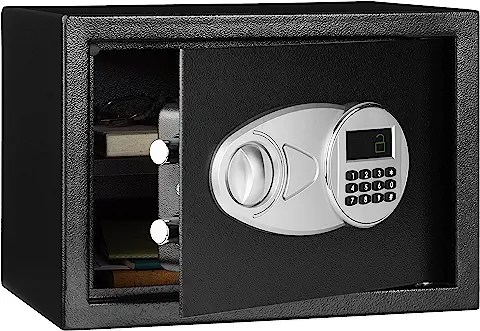
Identity theft and natural disasters are real concerns, safeguarding your vital records is more important than ever. Documents like birth certificates, Social Security cards, passports, and property deeds are essential for proving your identity and accessing important services. Keeping these vital records secure at home should be a priority, and one of the best ways to do so is by storing them in a safe.
Why You Need to Protect Your Vital Records
Vital records are more than just pieces of paper; they are key to your personal identity and legal standing. Losing or damaging these documents can result in significant hassles, from the time-consuming process of replacing them to potential security risks like identity theft.
For example, a birth certificate or Social Security card falling into the wrong hands can be used to open fraudulent accounts, leading to financial loss and long-term damage to your credit. Similarly, property deeds and titles are critical in establishing ownership, and losing them could complicate legal matters related to your home or assets.
The Benefits of Keeping Vital Records in a Safe
Storing your vital records in a home safe offers several key advantages:
Protection from Fire and Water Damage
A high-quality safe provides protection against fire and water, ensuring that your documents remain intact even in the event of a disaster. Fires, floods, and other emergencies can strike unexpectedly, and having a safe place for your records can prevent them from being destroyed.
Security from Theft
A safe offers a secure location that is difficult for intruders to access. Keeping your vital records in a locked safe ensures that they are protected from theft, reducing the risk of identity fraud and other security breaches.
Organized and Accessible
A safe helps you keep all your important documents in one organized place. This not only makes them easier to find when you need them but also reduces the chance of them being misplaced or accidentally discarded.
Peace of Mind
Knowing that your vital records are stored securely in a safe provides peace of mind. You can rest easy knowing that, even in the face of unexpected events, your most important documents are protected.
What to Store in Your Safe
When deciding what documents to store in your safe, consider the following vital records:
Birth Certificates and Social Security Cards
Passports
Marriage and Divorce Certificates
Property Deeds and Titles
Insurance Policies
Wills and Powers of Attorney
Medical Records and Immunization History
Bank Account Information and Financial Records
In addition to paper documents, you may also want to include digital backups of these records stored on an encrypted USB drive.
Choosing the Right Safe
When selecting a safe for your home, consider the following factors:
Fire and Water Resistance: Look for safes that are rated to withstand high temperatures and water exposure.
Size: Choose a safe large enough to store all your vital records comfortably, with room for any additional valuables you may want to secure.
Security Features: Opt for a safe with advanced locking mechanisms, such as biometric or keypad entry, for added security.
Portability: Depending on your needs, you may want a safe that is lightweight and easy to move, or one that is heavier and more difficult to remove from your home.
Your vital records are essential to your identity and legal standing. Keeping them safe from damage, theft, and loss should be a priority. By investing in a high-quality safe and storing your important documents securely at home, you can protect your future and ensure that you have access to these critical records when you need them most. Take the time to assess your current storage solutions and consider upgrading to a safe that will provide the protection and peace of mind you deserve.
A comfortable living space is more than just a luxury—it’s essential for your well-being and enjoyment. Whether you’re relaxing after a long day, hosting friends, or simply spending time with family, creating a cozy and inviting environment can make all the difference. Here’s how to make your home a place where comfort and enjoyment are top priorities.
Why Comfort Matters
1. Enhances Relaxation
A well-designed, comfortable space helps you unwind and relax:
Stress Reduction: A cozy environment can help lower stress levels and promote relaxation.
Restful Sleep: Comfortable bedding and a peaceful bedroom environment improve sleep quality.
2. Boosts Enjoyment
An inviting home enhances your overall enjoyment:
Entertaining Guests: A comfortable setting makes entertaining more enjoyable for both you and your guests.
Daily Happiness: Being in a space you love can lift your mood and contribute to daily happiness.
3. Supports Well-Being
A comfortable home supports your physical and mental well-being:
Health Benefits: Ergonomic furniture and good airflow contribute to physical health.
Mental Calm: A well-organized and aesthetically pleasing space promotes mental clarity and peace.
Tips for Creating a Comfortable Living Space
1. Invest in Quality Furniture
Quality furniture enhances comfort and durability:
Choose Ergonomic Pieces: Opt for chairs and sofas that support good posture and offer comfort.
Consider Fabric and Cushions: Soft, durable fabrics and comfortable cushions add to the coziness of your furniture.
2. Layer Your Textiles
Textiles add warmth and comfort to your space:
Use Throw Blankets: Drape soft throw blankets over sofas and chairs for added comfort.
Add Plush Rugs: Area rugs can add warmth and softness underfoot.
3. Optimize Lighting
Proper lighting sets the mood and enhances comfort:
Incorporate Multiple Light Sources: Use a mix of overhead, task, and ambient lighting to create a warm and inviting atmosphere.
Choose Soft Bulbs: Opt for soft, warm light bulbs for a cozy and relaxing environment.
4. Create a Cozy Atmosphere
Design elements that promote coziness:
Incorporate Warm Colors: Use warm tones like beige, soft brown, or muted greens to create a soothing environment.
Add Personal Touches: Display personal items like photos, artwork, or souvenirs to make the space uniquely yours.
5. Ensure Proper Temperature Control
Temperature plays a significant role in comfort:
Use Fans and Heaters: Invest in fans and heaters to maintain a comfortable temperature throughout the year.
Consider Window Treatments: Use curtains or blinds to regulate indoor temperature and light.
6. Maintain Cleanliness and Organization
A clean, organized space contributes to comfort:
Declutter Regularly: Keep your space tidy to reduce stress and create a more enjoyable environment.
Create Storage Solutions: Use shelves, cabinets, and baskets to keep items organized and out of sight.
7. Incorporate Nature
Bringing nature indoors can enhance comfort:
Add Houseplants: Plants improve air quality and bring a touch of nature indoors.
Use Natural Materials: Incorporate materials like wood, stone, or woven fibers to create a warm, natural feel.
8. Personalize Your Space
Customize your space to reflect your preferences:
Choose Comfortable Fabrics: Select fabrics and materials that you find pleasing and comfortable.
Create Relaxation Zones: Designate areas for relaxation, such as reading nooks or meditation spaces.
9. Include Functional Elements
Functional features add to overall comfort:
Invest in Multi-Functional Furniture: Choose furniture that serves multiple purposes, like storage ottomans or sleeper sofas.
Include Practical Accessories: Items like cozy throws, soft pillows, and a well-stocked coffee station can enhance comfort.
Creating a comfortable living space is all about designing an environment that supports relaxation, enjoyment, and well-being. By investing in quality furniture, optimizing lighting, and adding personal touches, you can transform your home into a cozy haven that enhances your daily life. Embrace these tips and make your space a place where you truly feel at ease.












 Housing Concierge