The Benefits of a Flat Plug: A Small Upgrade That Makes a Big Difference

Sometimes the best home improvements are the simplest ones.

A flat plug might not seem exciting at first, but once you use one, it’s hard to go back. This small design change can improve functionality, organization, and even safety in your home.

If you’ve ever struggled to push furniture flush against the wall because of a bulky plug sticking out, you already understand the problem flat plugs solve.

Saves Space Behind Furniture

Traditional plugs can stick out several inches from the wall, forcing furniture to sit awkwardly forward.

Flat plugs are designed to sit close to the outlet, allowing:

  • Couches to sit tighter against walls
  • Dressers and shelves to fit properly
  • Beds and nightstands to maximize space

In smaller rooms, every inch matters, and flat plugs help you use space more efficiently.

Cleaner, More Organized Appearance

Bulky cords and protruding plugs can make a room look cluttered.

Flat plugs create a cleaner setup by:

  • Reducing visible cord bulk
  • Helping cords run neatly along walls
  • Creating a more streamlined look behind TVs, desks, and furniture

It’s a small detail that can make your home feel more organized and intentional.

Great for Tight Spaces

Flat plugs work especially well in:

  • Home offices
  • Entertainment centers
  • Kitchens
  • Bedrooms
  • Hallways

Anywhere outlets are hidden behind furniture or appliances, a flat plug can make setup easier and less frustrating.

Helps Protect Cords

When bulky plugs are forced into tight spaces, cords often bend sharply, which can wear them down over time.

Flat plugs reduce pressure on the cord by allowing it to sit naturally against the wall instead of being crushed or bent awkwardly.

That can help:

  • Extend cord life
  • Reduce strain on outlets
  • Lower the chance of cord damage

Perfect for Modern Living

As homes fill with more electronics, chargers, lamps, and devices, outlet space becomes more valuable.

Flat plugs help maximize that space while keeping things functional and tidy.

Many modern power strips and extension cords now use flat plug designs because they simply work better in real-life setups.

A Small Change With Everyday Benefits

Not every useful home upgrade has to be expensive or dramatic.

Sometimes it’s the small conveniences—like a flat plug—that improve your daily life the most.

You notice:

  • Less frustration
  • Better furniture placement
  • Cleaner spaces
  • Easier organization

And once you experience the difference, you start wondering why all plugs weren’t designed this way from the beginning.
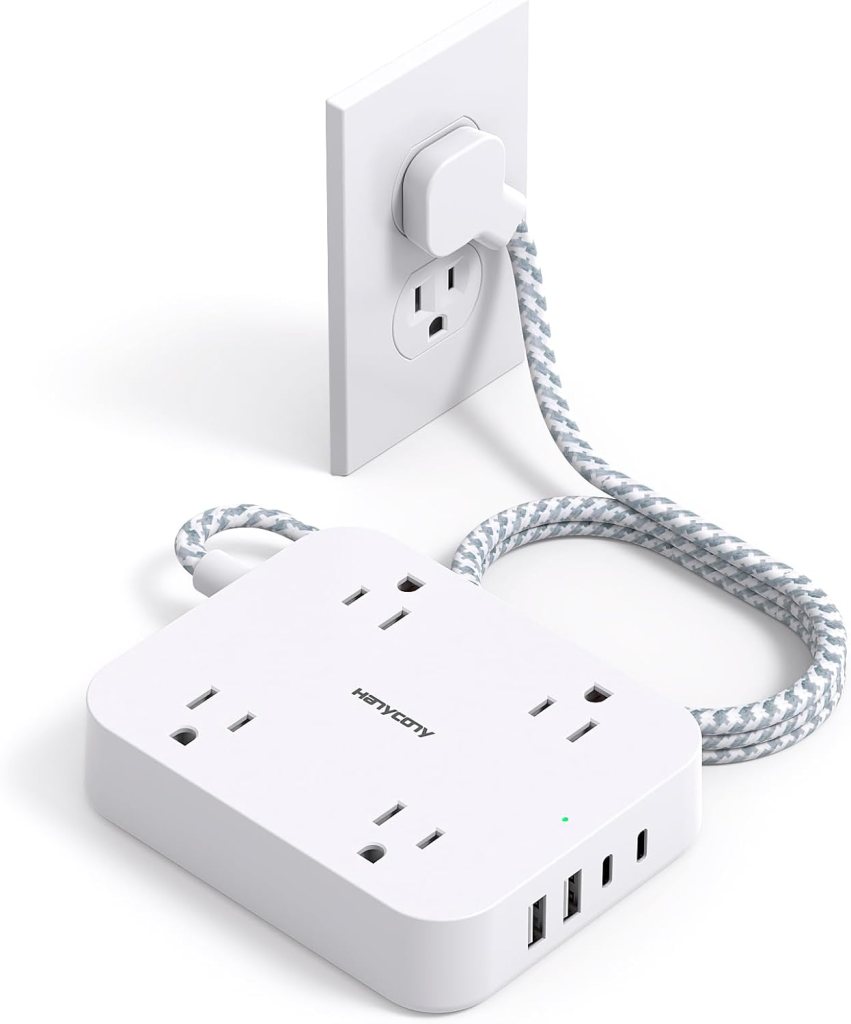

https://amzn.to/3RrxJ8N

How to Clean and Sanitize Your Water Bottles (Especially If You’ve Been Getting Sick)

Your water bottle goes everywhere with you—gym, car, work, bedside table. You use it daily, often without thinking twice.

But here’s the reality: if you’re not cleaning it properly, it can become a breeding ground for bacteria, mold, and germs—especially if you’ve been getting sick more often.

Taking a few minutes to clean and sanitize your water bottle regularly can make a bigger difference than you think.

Why It Matters

Moist environments + repeated use = the perfect place for bacteria to grow.

Every time you take a sip, bacteria from your mouth transfer to the bottle. Add in warmth, leftover moisture, and time, and it builds up quickly—especially in:

  • Lids and caps
  • Straws and spouts
  • Rubber seals and gaskets

If you’ve been dealing with recurring colds, sore throats, or just not feeling your best, your water bottle could be part of the problem.

Daily Cleaning (Quick and Simple)

This should be your baseline—especially if you use your bottle every day.

  1. Rinse with warm water immediately after use
  2. Wash with hot water and dish soap
  3. Use a bottle brush to scrub the inside
  4. Pay extra attention to the lid and mouthpiece
  5. Let it air dry completely (don’t seal it while wet)

Deep Cleaning (2–3 Times Per Week)

For a more thorough clean, especially if you’ve been sick:

Option 1: Vinegar Soak

  • Fill the bottle with a mix of warm water and white vinegar (about 1:1)
  • Let it sit for 15–30 minutes
  • Scrub and rinse thoroughly

Option 2: Baking Soda Clean

  • Add 1–2 teaspoons of baking soda
  • Fill with warm water
  • Let sit for a few hours or overnight
  • Rinse well

Sanitizing (After Illness or Weekly)

If you’ve been sick—or want to be extra cautious—sanitizing is key.

Option 1: Boiling Water (if safe for your bottle)

  • Pour boiling water into the bottle and over the lid
  • Let sit for a few minutes, then air dry

Option 2: Dishwasher

  • Many bottles and lids are dishwasher-safe (top rack recommended)
  • Check manufacturer instructions

Option 3: Diluted Bleach Solution (use carefully)

  • Mix 1 teaspoon of unscented bleach in 1 quart of water
  • Let sit for 2–5 minutes
  • Rinse extremely well and air dry

Don’t Forget These Areas

The dirtiest parts are often the ones people skip:

  • Straw interiors
  • Flip-top lids
  • Rubber seals (remove and clean separately)
  • Threads around the cap

These spots trap moisture and bacteria the most.

When to Replace Your Bottle

Even with good cleaning habits, bottles don’t last forever.

Replace your bottle if you notice:

  • Persistent odor
  • Visible mold or staining
  • Cracks or worn-out seals

Staying hydrated is important—but so is what you’re drinking from.

If you’ve been getting sick more often, take a look at your daily habits, and don’t overlook something as simple as your water bottle.

A clean bottle is a small habit that supports your health in a big way.

Take a few extra minutes. Clean it well. Stay well.

https://amzn.to/4wdsxW9
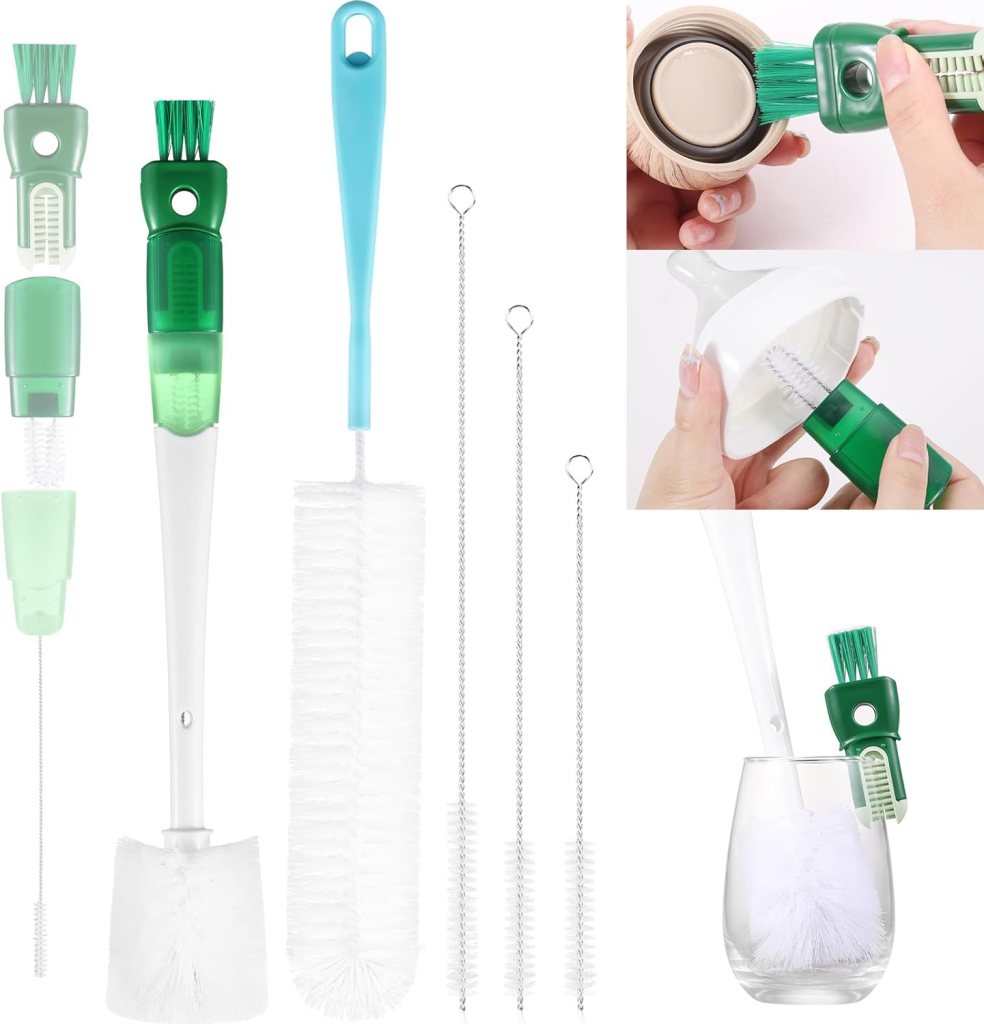
5-in-1 Multifunctional】Removable bottle cleaning brush, U-shaped silicone gap brush, stranded wire slit brush, stiff corner brush, thin straw brush, easily clean cup, lid, gap, groove, it won’t wiggles as you wash, strong cleaning ability.

Why Microfiber Towels Are a Cleaning Game-Changer

When it comes to cleaning smarter—not harder—microfiber towels… Whether you’re wiping down windows, drying your car, or dusting your shelves, these little cloths pack a big punch.

What Is Microfiber, Anyway?

Microfiber is made of super fine synthetic fibers—usually polyester and polyamide—that are smaller than a human hair. The tiny fibers are split during production, creating more surface area and allowing them to trap dirt, dust, and moisture far more effectively than regular cotton cloths.

Why Microfiber Towels Are a Must-Have

🧼 1. They Clean Without Chemicals
Thanks to their ultra-fine fibers, microfiber towels can grab grime and bacteria using just water. Great for eco-conscious or allergy-sensitive households.

🧽 2. Super Absorbent
Microfiber holds up to 7x its weight in water, making it perfect for spills, drying dishes, or even drying off the dog.

🌟 3. Streak-Free & Lint-Free Finish
Say goodbye to streaks on your windows, mirrors, and stainless steel. These towels leave surfaces shiny and clean without lint residue.

💪 4. Durable & Long-Lasting
With proper care, microfiber towels can last hundreds of washes, saving you money and reducing waste.

🌬️ 5. Fast Drying
They dry quickly, which makes them less likely to develop odors or harbor bacteria.

Best Uses for Microfiber Towels

  • Cleaning windows and mirrors
  • Dusting electronics and surfaces
  • Wiping down kitchen counters and appliances
  • Drying cars without scratching paint
  • Polishing furniture or chrome
  • Removing pet hair from fabric surfaces

How to Care for Microfiber Towels

To keep your microfiber towels working like new:

  • Wash separately (especially from cotton)
  • Use cold or warm water—not hot
  • Avoid fabric softener (it clogs the fibers)
  • Air dry or use low heat in the dryer

Microfiber towels may look simple, but don’t underestimate their power. They’re tough on messes, gentle on surfaces, and a smart swap for wasteful paper towels or ineffective rags.

https://amzn.to/4b9BDLj
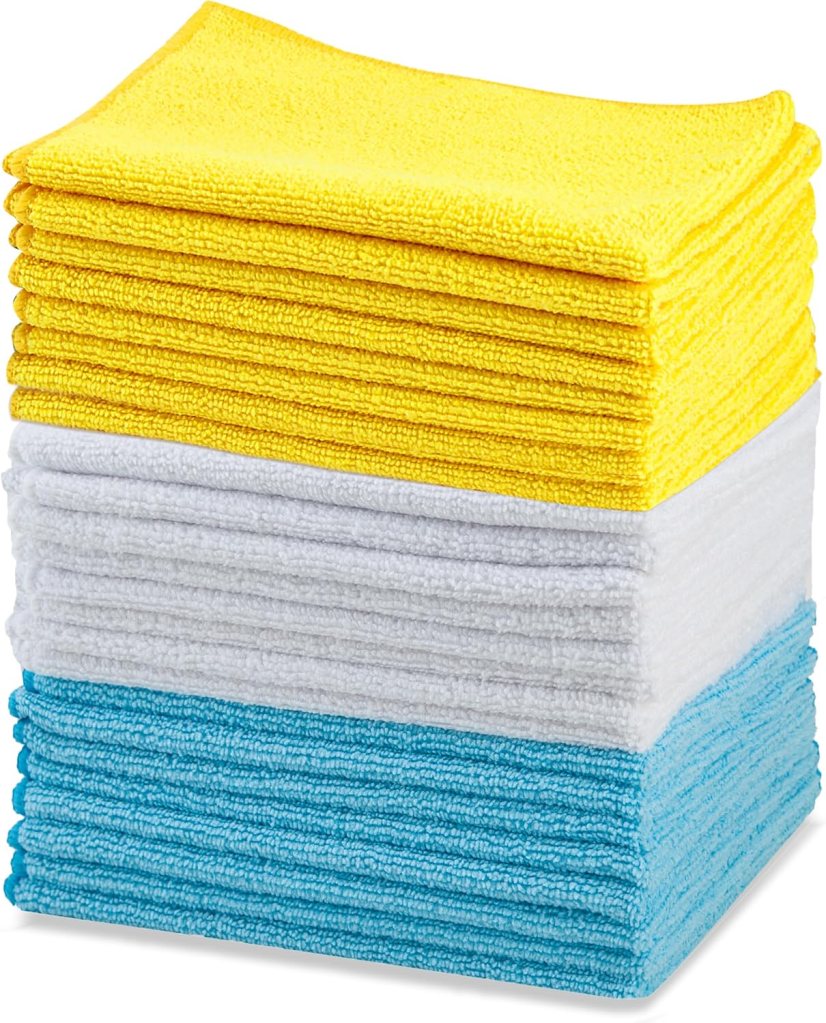
Microfiber 16 x 12-inch cleaning cloth (24-pack); ideal for cleaning cars, trucks, boats, and more

When Regular Cleaners Just Aren’t Enough

We’ve all had that moment.

You scrub.
You spray.
You wipe again.

And the stain is still there.

Some buildup just doesn’t respond to typical sprays and sponges. Hard water rings, rust stains, mineral deposits, grease that’s baked on — they cling to surfaces like they’ve decided they’re permanent. That’s when you need something stronger. Not harsher. Just more effective.

For the Stains That Don’t Budge

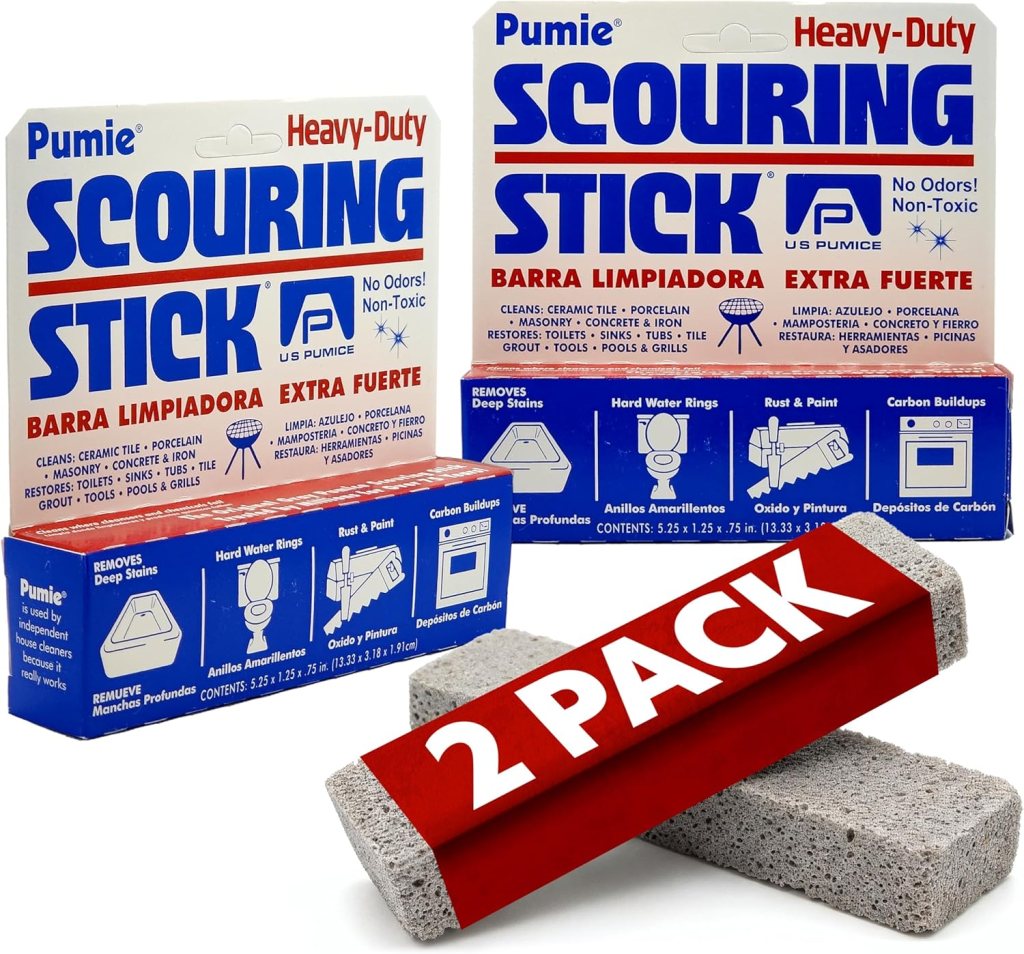
Certain cleaning tools are specifically designed to tackle the tough stuff that everyday cleaners can’t remove. They’re especially effective in toilet bowls, where hard water stains and mineral rings tend to settle in and stick around. Instead of layering on more chemicals, these tools physically break down the buildup and restore the surface underneath.

The difference is noticeable right away. That dull, stained surface starts to look clean again — not just masked, but truly restored.

More Than Just the Bathroom

What makes these tools especially useful is their versatility.

They’re not limited to toilets. They can be used on:

  • Ceramic tile
  • Porcelain
  • Concrete
  • Metal surfaces
  • Grills and barbecue grates
  • Pool tiles
  • Outdoor furniture

If it’s dealing with rust, scale, grease, or hard water buildup, chances are it can help.

That makes it one of those rare cleaning tools that earns a permanent place in the cabinet. Instead of buying separate products for every surface, you have one reliable solution that handles multiple jobs.

Tough on Stains, Safe for Your Home

One of the biggest concerns with heavy-duty cleaning is safety — especially in homes with kids and pets. You want something effective, but not something that leaves behind harsh fumes or questionable residue.

Professional-grade cleaning tools like these are designed to be powerful on stains while still being safe for everyday household use. That balance matters. A clean home shouldn’t come with worry attached.

Professional Results at Home

There’s a reason professionals rely on tools like this. They work.

They don’t rely solely on chemicals to dissolve stains. Instead, they physically remove buildup that’s been sitting there for months — sometimes years. It’s satisfying to see a stubborn stain finally disappear.

And sometimes, that small win — a truly clean sink, a spotless toilet bowl, a rust-free grill — just feels good.

Because a clean space creates a clear mind.

If you’ve been fighting the same tough stains with the same results, it may not be your effort that’s lacking. It may just be time for a better tool.

https://amzn.to/4kUZwt9

(try on a small spot before use)

When Was the Last Time You Replaced Your Baking Pans?

Baking pans are one of those kitchen staples we tend to forget about.

They get used.
They get washed.
They get stacked back in the cabinet.

And years can go by without us ever thinking about replacing them.

But baking pans don’t last forever.

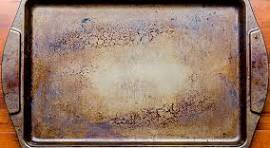
Over time, even good-quality pans can warp, scratch, lose their nonstick coating, or develop hot spots that affect how evenly food cooks. You may notice cookies browning unevenly, cakes sticking more often, or cleanup becoming harder than it used to be.

Those are quiet signs your pans might be past their prime.

Worn-out baking pans don’t just make baking frustrating—they can also impact results. A recipe you’ve made a hundred times suddenly doesn’t turn out the same, and it’s easy to blame yourself when the real issue is the equipment.

Replacing your baking pans can be a small upgrade that makes a big difference.

New pans heat more evenly.
Food releases more easily.
Cleanup is faster.

It’s one of those simple changes that instantly improves your kitchen experience.

Another thing to consider is what type of pans you’re using. Today’s options include nonstick, stainless steel, aluminized steel, ceramic-coated, and silicone. Choosing quality materials can extend the life of your pans and improve performance.

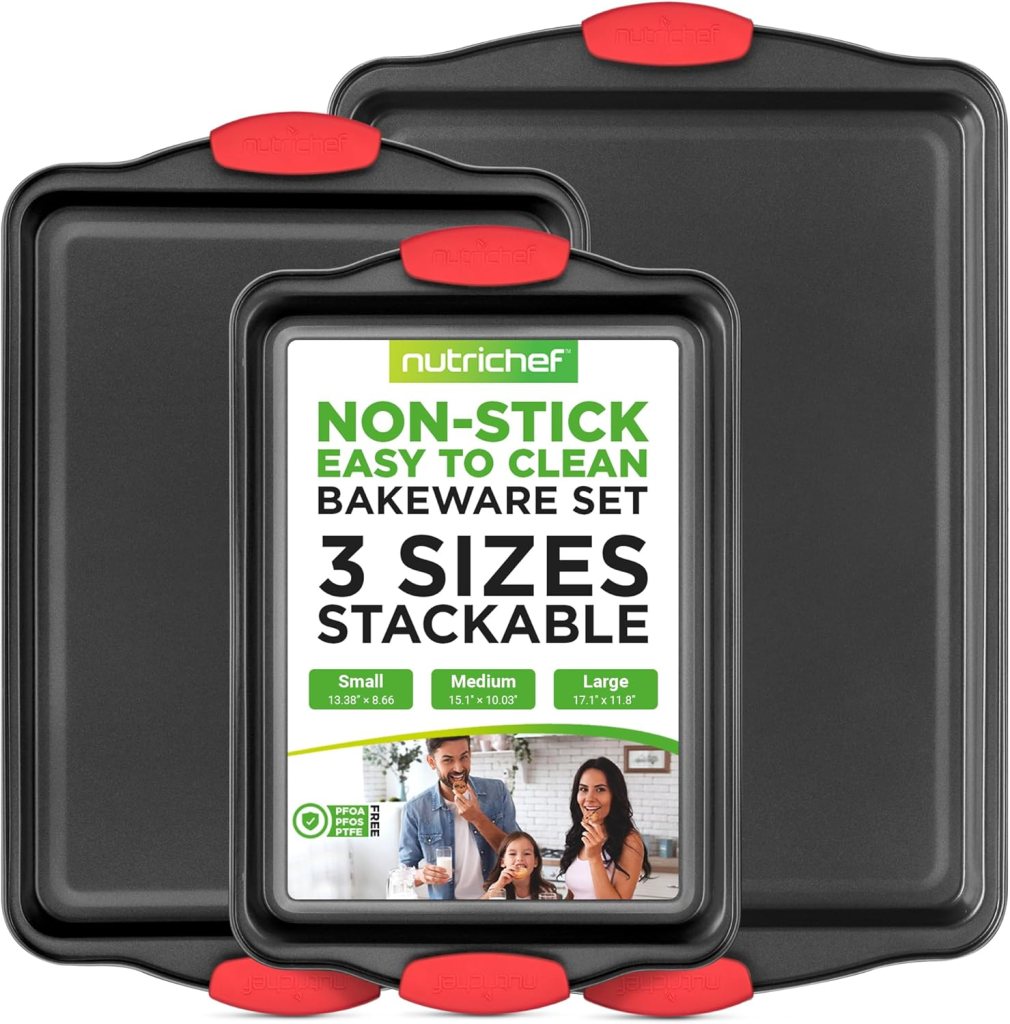
A basic replacement set doesn’t have to be expensive or complicated. A couple of sheet pans, a muffin tin, and one or two cake or loaf pans cover most everyday needs.

Think of it as routine maintenance for your kitchen.

Just like you replace worn-out sponges, old cutting boards, or scratched cookware, baking pans deserve the same attention.

If your pans are stained beyond cleaning, flaking, warped, or simply not performing the way they once did, it might be time.

Sometimes the smallest upgrades make the biggest difference in how much you enjoy cooking and baking at home.

https://amzn.to/4rF889z
NutriChef 3-Piece Nonstick Kitchen Oven Baking Pans – Premium & Stylish Non-Stick Steel, Commercial Grade Restaurant Quality Metal Bakeware with Red Silicone Handle

3 Simple Ways to Make Your Home Feel Bigger

Not every home comes with extra square footage—but the good news is, you don’t need a remodel to make your space feel larger. With a few smart tricks, you can create the illusion of more room and breathe new life into your home. Here are three easy ways to make your house feel bigger:

1. Choose Light Paint Colors

Light, neutral tones like whites, soft grays, and pale blues reflect more light and make rooms feel airy and open. Dark colors can be cozy, but they often make spaces feel smaller.

2. Use Mirrors Strategically

Mirrors are a tried-and-true design hack. They reflect natural and artificial light, instantly making a room feel more expansive. Place them opposite windows or in narrow hallways to maximize the effect.

3. Embrace Multi-Functional Furniture

Furniture that serves more than one purpose—like ottomans with storage, fold-out desks, or sofa beds—helps reduce clutter and makes the most of your square footage. Less clutter equals more visible space.

Maximize Natural Light

Open those curtains! Natural light is one of the best ways to make any space feel bigger and more inviting. If privacy is a concern, use sheer curtains to let in light while still providing coverage.

With these simple strategies, you can transform your home into a space that feels brighter, more open, and more welcoming—without knocking down a single wall.

If you’re considering a move or investment and require a trusted Real Estate Broker, we’re here to assist you. Contact us via email at TEAM@McDanielCallahan.com, complete the form below, or give us a call at 925-838-4300. We are ready to provide expert guidance and support for all your real estate needs. Terry McDaniel DRE License #00941526

← Back

Thank you for your response. ✨

Keep Your Bathroom Sink Clog-Free with an Easy Pop-Up Drain Strainer

Nothing slows down your morning routine faster than a clogged sink. Hair, soap residue, and debris can quickly build up, leaving you with a messy, slow-draining bathroom sink. That’s why a good drain strainer isn’t just convenient—it’s essential.

This bathroom sink drain strainer is designed to catch hair and prevent clogs before they happen. Its smart engineering ensures that even the smallest debris stays out of your pipes, saving you from costly plumbing headaches.

Easy-to-Use Pop-Up Mechanism

One of the best features of this sink stopper is its pop-up design. With a simple push, you can open or close the drain, making it easy to use for anyone—no twisting or complicated mechanisms required. Whether you’re washing your hands, shaving, or brushing your teeth, controlling your sink drain has never been simpler.

Benefits You’ll Appreciate

  • Prevents Clogs: Catches hair and debris before they block your drain.
  • Easy Operation: Pop-up mechanism makes opening and closing effortless.
  • Hygienic and Clean: Keeps your sink and pipes free from buildup.
  • Durable Design: Built to last with high-quality materials for daily use.

https://amzn.to/4gs7pUI

Clearing That “New House, Old Dog” Smell: How an Ozone Machine Can Help

Moving into a new home is exciting — new walls to paint, new furniture to arrange, and a fresh start. But sometimes, there’s an unwelcome surprise waiting for you: a lingering odor that screams “previous pet lived here.” Whether it’s the unmistakable scent of dog, cat, or something less identifiable, these smells can make your beautiful new space feel less like home and more like a challenge.

So what can you do when that “old dog smell” just won’t quit? Enter the ozone machine — a powerful tool that many homeowners and professional cleaners use to tackle tough odors and refresh living spaces.

What Is an Ozone Machine?

An ozone machine, or ozone generator, produces ozone (O₃), a molecule made up of three oxygen atoms. It might sound technical, but what it really means is this: ozone is a strong oxidizer that can break down stubborn odors caused by smoke, pets, mold, and bacteria.

In other words, it’s like a microscopic cleaning crew attacking those molecules that cause unpleasant smells and neutralizing them.

How Does It Work?

Ozone machines release ozone gas into the air. This gas interacts with odor-causing particles, breaking them apart and removing the smell rather than just masking it. That’s why ozone machines can be much more effective than traditional air fresheners or sprays.

Important Safety Tips

Before you rush to rent or buy an ozone machine, here’s the kicker: ozone can be harmful to breathe in high concentrations. You should never use an ozone machine in an occupied space — meaning no people, pets, or plants during the treatment.

Typically, you’ll want to:

  • Seal off the room or house.
  • Run the ozone machine for a set amount of time (usually a few hours).
  • Ventilate the space thoroughly afterward.
  • Wait until the ozone dissipates before moving back in.

When Is It a Good Idea?

  • You’re moving into a home with a strong pet odor.
  • You want to tackle cigarette smoke or cooking smells that have settled deep into carpets, walls, or furniture.
  • You’re prepping a house for sale and want it smelling fresh for potential buyers.

When to Skip It?

  • If you or someone in your household has respiratory issues (asthma, allergies, etc.).
  • If you don’t have the time or ability to safely ventilate the home afterward.
  • If the odor is caused by mold or moisture — in that case, fixing the source is more important than just masking the smell.

That stubborn pet odor after moving in can feel like a huge hassle, but with the right tools — including an ozone machine — you can reclaim your fresh start and breathe easy again.

Just remember: ozone machines aren’t magical “plug and play” devices. Using them safely and correctly is key. When in doubt, consult a professional or do your research before diving in.

https://amzn.to/3J9N75E

The One Binder That Can Save Your Sanity at Home

Ever find yourself digging through drawers trying to find the manual for your dishwasher… or wondering when your roof was last replaced? Maybe you’re on hold with a repair service and you can’t remember the name of the company that fixed your HVAC last time. That’s where the “Home Binder” comes in.

What Is a Home Binder?

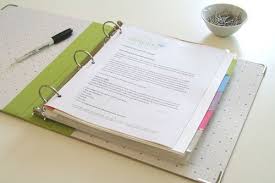
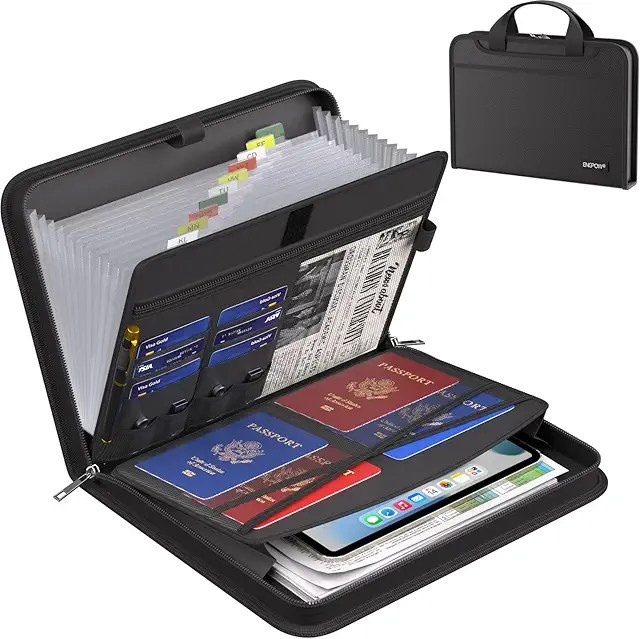
A Home Binder is exactly what it sounds like—a simple 3-ring binder or file folder where you keep all the essential information related to your home. Manuals, warranties, service records, contractor contact info, paint colors, appliance serial numbers—anything you might need when life gets chaotic or something needs fixing.

Why You Need One:

1. Save Time (and Sanity):
Instead of scrambling when something breaks, you’ll know exactly where to look. No more internet rabbit holes or panicked searches.

2. Stay Organized:
Keep everything in one spot—appliance manuals, receipts, warranty info, and service call notes.

3. Prepare for Selling Your Home:
If you ever decide to sell, a home binder is a gold mine. Buyers love seeing records of care and upgrades. It can even help justify your asking price.

What to Include in Your Home Binder:

  • Appliance manuals & receipts
  • Warranty documents
  • Home improvement records
  • Contractor/business cards & service logs
  • Utility account info
  • Insurance policies
  • Emergency contacts
  • Paint colors or flooring info
  • HOA documents (if applicable)

Quick Tip to Get Started:

Don’t overthink it. Start with what you have right now—gather your recent receipts, any visible manuals, or contact info you know you’ll need. You can always build it over time.

A Home Binder isn’t fancy, but it’s one of those simple tools that can save you a ton of stress. Think of it as a gift to your future self. Because the next time something goes wrong… you’ll be the one who actually knows where the manual is.

https://amzn.to/3IP148Y
https://amzn.to/4kXDcgH

Save Money and Reduce Waste: Wash Your Shower Curtain Liner Instead of Replacing It

If you’ve ever tossed a grimy shower curtain liner into the trash and headed out to buy a new one, you’re not alone. Most people don’t realize that you can actually clean your shower curtain liner—and it’s surprisingly easy.

Washing your liner not only saves money but also helps cut down on unnecessary waste. And the best part? You likely have everything you need already at home.

🛁 How to Wash Your Shower Curtain Liner

Step 1: Gather Your Supplies
You’ll need your plastic or vinyl shower curtain liner, 2-3 soiled towels (these act as gentle scrubbers), baking soda, your usual detergent, and white vinegar.

Step 2: Toss It in the Washer
Place the liner and towels in the washing machine. Add your regular amount of detergent plus ½ cup of baking soda.

Step 3: Add Vinegar During the Rinse Cycle
When the rinse cycle begins, pour in ½ cup of white vinegar. This helps break down any leftover soap scum or mildew.

Step 4: Hang to Dry
Once the cycle is complete, simply hang the liner back up to dry—no dryer needed!

🌿 Why This Works

  • The towels scrub away grime without damaging the liner.
  • Baking soda is a natural deodorizer and cleaner.
  • Vinegar kills bacteria and removes buildup.

It’s a simple trick that leaves your bathroom fresher and your wallet a little heavier.

Next time your shower curtain liner starts looking a little worse for wear, give it a spin in the washer before replacing it. It’s a small step that’s better for your budget—and the planet.