The Importance of Keeping Vital Records Safe at Home

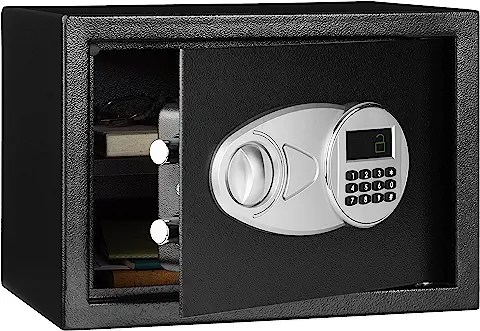
Identity theft and natural disasters are real concerns, safeguarding your vital records is more important than ever. Documents like birth certificates, Social Security cards, passports, and property deeds are essential for proving your identity and accessing important services. Keeping these vital records secure at home should be a priority, and one of the best ways to do so is by storing them in a safe.

Why You Need to Protect Your Vital Records

Vital records are more than just pieces of paper; they are key to your personal identity and legal standing. Losing or damaging these documents can result in significant hassles, from the time-consuming process of replacing them to potential security risks like identity theft.

For example, a birth certificate or Social Security card falling into the wrong hands can be used to open fraudulent accounts, leading to financial loss and long-term damage to your credit. Similarly, property deeds and titles are critical in establishing ownership, and losing them could complicate legal matters related to your home or assets.

The Benefits of Keeping Vital Records in a Safe

Storing your vital records in a home safe offers several key advantages:

  1. Protection from Fire and Water Damage
  • A high-quality safe provides protection against fire and water, ensuring that your documents remain intact even in the event of a disaster. Fires, floods, and other emergencies can strike unexpectedly, and having a safe place for your records can prevent them from being destroyed.
  1. Security from Theft
  • A safe offers a secure location that is difficult for intruders to access. Keeping your vital records in a locked safe ensures that they are protected from theft, reducing the risk of identity fraud and other security breaches.
  1. Organized and Accessible
  • A safe helps you keep all your important documents in one organized place. This not only makes them easier to find when you need them but also reduces the chance of them being misplaced or accidentally discarded.
  1. Peace of Mind
  • Knowing that your vital records are stored securely in a safe provides peace of mind. You can rest easy knowing that, even in the face of unexpected events, your most important documents are protected.

What to Store in Your Safe

When deciding what documents to store in your safe, consider the following vital records:

  • Birth Certificates and Social Security Cards
  • Passports
  • Marriage and Divorce Certificates
  • Property Deeds and Titles
  • Insurance Policies
  • Wills and Powers of Attorney
  • Medical Records and Immunization History
  • Bank Account Information and Financial Records

In addition to paper documents, you may also want to include digital backups of these records stored on an encrypted USB drive.

Choosing the Right Safe

When selecting a safe for your home, consider the following factors:

  • Fire and Water Resistance: Look for safes that are rated to withstand high temperatures and water exposure.
  • Size: Choose a safe large enough to store all your vital records comfortably, with room for any additional valuables you may want to secure.
  • Security Features: Opt for a safe with advanced locking mechanisms, such as biometric or keypad entry, for added security.
  • Portability: Depending on your needs, you may want a safe that is lightweight and easy to move, or one that is heavier and more difficult to remove from your home.

Your vital records are essential to your identity and legal standing. Keeping them safe from damage, theft, and loss should be a priority. By investing in a high-quality safe and storing your important documents securely at home, you can protect your future and ensure that you have access to these critical records when you need them most. Take the time to assess your current storage solutions and consider upgrading to a safe that will provide the protection and peace of mind you deserve.

https://amzn.to/3YPNLLz

Comfort: Creating a Living Space That Is Comfortable and Enjoyable

A comfortable living space is more than just a luxury—it’s essential for your well-being and enjoyment. Whether you’re relaxing after a long day, hosting friends, or simply spending time with family, creating a cozy and inviting environment can make all the difference. Here’s how to make your home a place where comfort and enjoyment are top priorities.

Why Comfort Matters

1. Enhances Relaxation

A well-designed, comfortable space helps you unwind and relax:

  • Stress Reduction: A cozy environment can help lower stress levels and promote relaxation.
  • Restful Sleep: Comfortable bedding and a peaceful bedroom environment improve sleep quality.

2. Boosts Enjoyment

An inviting home enhances your overall enjoyment:

  • Entertaining Guests: A comfortable setting makes entertaining more enjoyable for both you and your guests.
  • Daily Happiness: Being in a space you love can lift your mood and contribute to daily happiness.

3. Supports Well-Being

A comfortable home supports your physical and mental well-being:

  • Health Benefits: Ergonomic furniture and good airflow contribute to physical health.
  • Mental Calm: A well-organized and aesthetically pleasing space promotes mental clarity and peace.

Tips for Creating a Comfortable Living Space

1. Invest in Quality Furniture

Quality furniture enhances comfort and durability:

  • Choose Ergonomic Pieces: Opt for chairs and sofas that support good posture and offer comfort.
  • Consider Fabric and Cushions: Soft, durable fabrics and comfortable cushions add to the coziness of your furniture.

2. Layer Your Textiles

Textiles add warmth and comfort to your space:

  • Use Throw Blankets: Drape soft throw blankets over sofas and chairs for added comfort.
  • Add Plush Rugs: Area rugs can add warmth and softness underfoot.

3. Optimize Lighting

Proper lighting sets the mood and enhances comfort:

  • Incorporate Multiple Light Sources: Use a mix of overhead, task, and ambient lighting to create a warm and inviting atmosphere.
  • Choose Soft Bulbs: Opt for soft, warm light bulbs for a cozy and relaxing environment.

4. Create a Cozy Atmosphere

Design elements that promote coziness:

  • Incorporate Warm Colors: Use warm tones like beige, soft brown, or muted greens to create a soothing environment.
  • Add Personal Touches: Display personal items like photos, artwork, or souvenirs to make the space uniquely yours.

5. Ensure Proper Temperature Control

Temperature plays a significant role in comfort:

  • Use Fans and Heaters: Invest in fans and heaters to maintain a comfortable temperature throughout the year.
  • Consider Window Treatments: Use curtains or blinds to regulate indoor temperature and light.

6. Maintain Cleanliness and Organization

A clean, organized space contributes to comfort:

  • Declutter Regularly: Keep your space tidy to reduce stress and create a more enjoyable environment.
  • Create Storage Solutions: Use shelves, cabinets, and baskets to keep items organized and out of sight.

7. Incorporate Nature

Bringing nature indoors can enhance comfort:

  • Add Houseplants: Plants improve air quality and bring a touch of nature indoors.
  • Use Natural Materials: Incorporate materials like wood, stone, or woven fibers to create a warm, natural feel.

8. Personalize Your Space

Customize your space to reflect your preferences:

  • Choose Comfortable Fabrics: Select fabrics and materials that you find pleasing and comfortable.
  • Create Relaxation Zones: Designate areas for relaxation, such as reading nooks or meditation spaces.

9. Include Functional Elements

Functional features add to overall comfort:

  • Invest in Multi-Functional Furniture: Choose furniture that serves multiple purposes, like storage ottomans or sleeper sofas.
  • Include Practical Accessories: Items like cozy throws, soft pillows, and a well-stocked coffee station can enhance comfort.

Creating a comfortable living space is all about designing an environment that supports relaxation, enjoyment, and well-being. By investing in quality furniture, optimizing lighting, and adding personal touches, you can transform your home into a cozy haven that enhances your daily life. Embrace these tips and make your space a place where you truly feel at ease.

Why You Might Want to Rearrange Your Furniture: Benefits and Tips

Rearranging your furniture might seem like a simple task, but it can have a profound impact on your living space. Whether you’re looking to refresh your home’s look or improve functionality, a new furniture arrangement can breathe new life into your environment. Here’s why you might want to consider rearranging your furniture and how to do it effectively.

Benefits of Rearranging Furniture

1. Enhance Functionality

A new layout can significantly improve the functionality of your space. For example:

  • Optimizing Traffic Flow: Rearranging furniture can create a smoother flow through the room, making it easier to navigate.
  • Improving Usability: You can make better use of space by placing furniture where it’s most needed, such as creating distinct zones for different activities.

2. Update Your Home’s Aesthetic

A fresh arrangement can give your home a new look without the need for a complete renovation. This can be especially beneficial if:

  • Changing Seasons: You want to update the look of your home to reflect seasonal changes or trends.
  • Boredom with Current Setup: You’re simply looking for a change to refresh your living environment.

3. Maximize Space

Rearranging can help you make the most of your available space, particularly in smaller rooms. Consider:

  • Creating More Space: Rearranging can open up areas that felt cramped or cluttered.
  • Functional Zones: Designating specific areas for different functions (e.g., work, relaxation, dining) can make your space more versatile.

4. Improve Comfort and Well-Being

A thoughtful furniture arrangement can enhance your comfort and well-being by:

  • Reducing Clutter: Arranging furniture efficiently can help keep your space organized and clutter-free.
  • Creating Cozy Areas: Positioning furniture to create inviting, comfortable areas can improve relaxation and enjoyment of your home.

5. Boost Home Organization

Effective furniture placement can assist with better organization by:

  • Incorporating Storage Solutions: Positioning furniture to include or optimize storage can help manage household items.
  • Streamlining Access: Rearranging can make frequently used items more accessible.

Tips for Rearranging Your Furniture

1. Assess Your Space

Before moving anything, take a close look at your space. Consider:

  • Room Dimensions: Measure the room and your furniture to ensure everything fits comfortably.
  • Natural Light: Think about how the placement will affect natural light and ventilation.

2. Define Your Goals

Identify what you hope to achieve with the rearrangement. This might include:

  • Creating a Focal Point: Designating a focal point such as a fireplace or TV.
  • Improving Functionality: Addressing specific needs like creating a reading nook or enhancing social areas.

3. Experiment with Layouts

Try out different arrangements before committing. You can:

  • Use Software: Furniture layout apps or online tools can help you visualize different configurations.
  • Make Templates: Create scaled drawings or use masking tape on the floor to outline potential layouts.

4. Consider Traffic Flow

Ensure there’s enough space for easy movement. Avoid:

  • Blocking Pathways: Keep walkways clear to avoid creating obstacles.
  • Overcrowding: Avoid placing too much furniture in a small space, which can make it feel cramped.

5. Incorporate Key Design Principles

Keep these design principles in mind:

  • Balance: Arrange furniture to achieve visual balance in the room.
  • Proportion: Ensure furniture sizes are proportionate to the room and each other.
  • Harmony: Coordinate colors, textures, and styles to create a cohesive look.

6. Accessorize Thoughtfully

Once you’ve rearranged the furniture, consider:

  • Adding Accessories: Introduce new decor items like rugs, lamps, and cushions to complement the new layout.
  • Testing Comfort: Sit in different spots to ensure the arrangement is comfortable and functional.

Rearranging your furniture can transform your living space, enhancing both its functionality and aesthetic appeal. By carefully considering your goals and experimenting with different layouts, you can create a fresh, inviting environment that better suits your needs and preferences. Whether you’re aiming to optimize space, update your home’s look, or improve comfort, a little rearrangement can make a big difference.

The Art of Thoughtful Hosting and Guest Etiquette

Hosting and attending gatherings is more than just an event—it’s an opportunity to foster connections and show appreciation. Whether you’re the host or the guest, here are some tips to enhance your experience and make every gathering memorable.

For Guests: Show Appreciation with Thoughtful Gestures

When attending a gathering, never arrive empty-handed, even if the host insists. A small token of appreciation like homemade jam or a scented candle shows thoughtfulness and gratitude. If time is short, handpicked flowers in a vase make for a charming gift that can brighten up the host’s home.

If the host suggests bringing something specific to lighten their load, embrace the opportunity. Whether it’s dessert, a salad, or a favorite drink, contributing to the meal adds to the communal spirit of the occasion.

For Hosts: Set the Stage for a Welcoming Atmosphere

As a host, make your guests feel welcomed from the moment they arrive. Have a drinks station ready with a variety of options, including non-alcoholic beverages, so everyone can find something to enjoy immediately. Consider a setup like a bar cart or a cooler stocked with ice, glasses, and garnishes to elevate the experience.

Communicate clearly with your guests about what they can bring to help, whether it’s preparing a dish, clearing plates, or entertaining children. Guests often appreciate having a specific task assigned as it makes them feel valued and involved in the event.

Mutual Courtesy: Offer Assistance and Relaxation

Guests should offer their help throughout the gathering, whether it’s in the kitchen preparing food or assisting with cleanup. These small gestures not only ease the host’s responsibilities but also strengthen bonds and ensure a smoother event.

For hosts, prioritize your own enjoyment by preparing in advance. Consider prepping meals ahead of time, curating a relaxing ambiance with music, and allowing yourself moments to unwind before guests arrive. Remember, the essence of hosting lies in enjoying time spent together, not in striving for perfection.

Conclusion: Creating Lasting Memories Through Thoughtful Gatherings

Whether you’re hosting a dinner party or attending a backyard barbecue, embracing these tips can transform any gathering into a memorable occasion. By showing appreciation, offering assistance, and focusing on relaxed enjoyment, both hosts and guests contribute to the warmth and camaraderie that define meaningful social interactions.

Let each gathering be an opportunity to connect, share, and celebrate the joy of spending time together in a welcoming environment.

Simplify Your Home: A Donation Box

Living in a clutter-free, organized home not only enhances your living space but also brings a sense of calm and order to your daily life. One of the simplest yet most effective ways to maintain a tidy home is by keeping a donation box handy. This small change can have a big impact on reducing clutter and helping you stay organized. Here’s how you can use a donation box to simplify your home.

The Concept of the Donation Box

The idea is simple: place a box in a convenient location, such as your closet or laundry room, and use it to collect items you no longer need or use. This box serves as a designated spot for anything you decide to part with, making the decluttering process more manageable and continuous.

Benefits of Keeping a Donation Box Handy

  1. Continuous Decluttering:
    By having a donation box readily available, you can declutter your home on an ongoing basis. Instead of waiting for a big spring cleaning session, you can gradually remove items you no longer need, keeping your space consistently tidy.
  2. Ease of Use:
    The donation box simplifies the process of deciding what to keep and what to donate. Whenever you come across an item that you no longer use, you can quickly place it in the box without having to overthink or delay the decision.
  3. Encourages Minimalism:
    Keeping a donation box encourages a minimalist mindset. It prompts you to regularly evaluate your belongings and focus on what truly adds value to your life, rather than holding onto unnecessary items.
  4. Helps Others:
    Donating items you no longer need is a great way to give back to your community. Your gently used clothes, toys, and household items can benefit those in need, making your decluttering efforts even more rewarding.

How to Set Up and Use Your Donation Box

Choose a Location:
Select a spot in your home that is easily accessible. The closet or laundry room are ideal locations because they are places you visit frequently and are often associated with sorting through belongings.

Use a Suitable Container:
Find a sturdy box or bin that can hold a variety of items. It doesn’t have to be fancy—a cardboard box, plastic bin, or reusable shopping bag will do the trick.

Label the Box:
Label the box clearly with “Donations” so everyone in your household knows its purpose. This can also serve as a gentle reminder to regularly add items to the box.

Set a Donation Routine:
Once your donation box is full, make it a habit to take it to your local donation center. Establish a routine, such as donating once a month or whenever the box fills up, to ensure items are regularly leaving your home.

Involve the Whole Family:
Encourage everyone in your household to participate in using the donation box. Teach children the value of giving and involve them in the process of selecting items to donate. This not only helps maintain a clutter-free home but also instills good habits and values in your children.

Incorporating a donation box into your home is a small yet impactful way to simplify your living space. By continuously decluttering, making quick decisions about what to keep, and regularly donating items, you can create a more organized, peaceful, and minimalist environment. Plus, you’ll be contributing to your community by providing others with items they might need. Embrace the power of the donation box and enjoy the benefits of a simplified home.

Large Pool Floats Are Fun, But Not Always Fun to Store: Try Large Mesh Bins

Summer is here, and with it comes the joys of lounging on large pool floats. These oversized inflatables bring a lot of fun to pool time, offering comfort and a touch of whimsy to any swimming session. However, as enjoyable as they are in the water, they can be a hassle to store when not in use. Enter large mesh bins – the perfect solution to your storage woes.

The Problem with Pool Floats

Bulky and Hard to Store

Large pool floats can take up a significant amount of space. Their size and often awkward shapes make them difficult to store neatly. Leaving them deflated and folded can still result in a bulky mess that takes up valuable storage space in your garage or pool shed.

Prone to Damage

Improper storage can lead to punctures, tears, and overall wear and tear. Tossing floats into a corner or stacking them haphazardly can shorten their lifespan, leading to more frequent replacements.

The Solution: Large Mesh Bins

Why Mesh Bins?

Large mesh bins are a fantastic solution for storing pool floats for several reasons:

  1. Breathability: The mesh material allows air to circulate, helping to prevent mold and mildew growth on your floats.
  2. Visibility: With mesh bins, you can easily see what’s inside, making it simple to find and retrieve the float you want.
  3. Flexibility: Mesh bins are flexible enough to accommodate various sizes and shapes of pool floats, making them an ideal storage option.
  4. Durability: High-quality mesh bins are designed to withstand outdoor conditions, providing a long-lasting storage solution.

Tips for Using Mesh Bins

  1. Choose the Right Size: Make sure your mesh bin is large enough to accommodate your biggest floats. Measure your floats before purchasing bins to ensure they will fit.
  2. Organize by Type: If you have multiple floats, consider using separate bins for different types (e.g., lounge floats, novelty floats, etc.) to keep everything organized.
  3. Store in a Shaded Area: While mesh bins are durable, storing them in a shaded area can help prolong their lifespan by protecting them from prolonged sun exposure.
  4. Clean Before Storing: Rinse off any chlorine or saltwater from your floats before storing them to prevent damage and keep them in good condition.

Benefits of Proper Storage

Saves Space

Mesh bins help you utilize your storage space more efficiently. By keeping your floats contained and organized, you free up room for other poolside essentials.

Extends Lifespan

Proper storage reduces the risk of damage, helping your floats last longer. This means fewer replacements and more enjoyment out of your investment.

Easy Access

With everything neatly stored in mesh bins, you can quickly find and grab the float you need, making pool time more enjoyable and less stressful.

Large pool floats add an extra element of fun to your summer days, but storing them doesn’t have to be a chore. By using large mesh bins, you can keep your floats organized, protected, and easily accessible.

https://amzn.to/3XySaBU

Easy Ways to Remove Glue from Glass, Wood, and Plastic

Tackling stubborn adhesive on glass, wood, or plastic? Here’s how to effectively clean up sticky messes with simple household solutions:

Removing Glue from Glass

  1. Ventilate the area before use.
  2. Spray WD-40 on the glue and let it sit for a few minutes.
  3. Wipe off the softened residue with a clean cloth.
  4. Repeat if needed until the glue is completely gone.

Removing Glue from Wood

From furniture stickers to DIY mishaps, use a hair dryer and plastic scraper for gentle removal:

  1. Use a hair dryer on low heat to soften the glue for 15 seconds.
  2. Maintain a safe distance of 2 to 3 inches from the wood surface.
  3. Carefully scrape off the softened glue with a plastic scraper.
  4. For thicker glue, pretreat with petroleum jelly overnight before scraping.

Removing Glue from Plastic

Safely remove adhesive from plastic without damage using these methods:

  1. Lightly scrape the glue with a plastic scraper.
  2. Apply vinegar or cooking oil to saturate the residue.
  3. Let it sit for a few minutes to soften the glue.
  4. Rub with a clean, dry cloth until the glue lifts off.
  5. Wash the plastic item as usual.

With these straightforward techniques, you can efficiently clean glue from various surfaces in your home. Keep these tips handy for hassle-free cleaning!

How Color Impacts Real Estate Buyers: A Psychological Perspective

In real estate, every detail counts, and color plays a crucial role in shaping buyers’ perceptions and decisions. Whether you’re staging a home for sale or decorating your own space, understanding the psychological effects of color can significantly enhance your strategy.

The Power of Color Psychology

Colors evoke emotions and influence mood in profound ways. When potential buyers step into a property, the colors they encounter can subconsciously affect how they feel about the space. Here’s a breakdown of how different colors can impact real estate:

1. Neutral Tones: Versatile and Appealing

Neutral colors like white, beige, and light gray are popular choices for home interiors. They create a sense of spaciousness, cleanliness, and neutrality, which can appeal to a wide range of buyers. Neutral tones also provide a blank canvas, allowing buyers to envision their own furniture and décor in the space.

2. Warm Colors: Inviting and Cozy

Warm colors such as shades of red, orange, and yellow can create a welcoming atmosphere. They stimulate emotions and promote a sense of comfort and intimacy. In living rooms or dining areas, warm hues can make buyers feel at home and encourage social interaction.

3. Cool Colors: Calming and Serene

Cool colors like blue, green, and purple evoke feelings of tranquility and relaxation. These colors are ideal for bedrooms, bathrooms, and home offices, where a serene atmosphere is desirable. Cool tones can also convey a sense of sophistication and modernity.

4. Accent Colors: Adding Personality

Strategic use of accent colors can inject personality and style into a property. Bold accents like deep blues, rich greens, or vibrant yellows can draw attention to architectural features or highlight specific areas of a room. However, it’s essential to use accents sparingly to avoid overwhelming potential buyers.

Applying Color Psychology in Real Estate

1. Staging for Success

When staging a property for sale, consider the target market and the desired emotional response. Use neutral tones for walls and large furniture pieces to create a sense of space and neutrality. Incorporate warm accents like cushions, throws, or artwork to add warmth and create a welcoming ambiance.

2. Exterior Appeal

The exterior color scheme of a home also plays a critical role in curb appeal. Neutral tones with contrasting accents can make a home appear well-maintained and inviting. Consider the architectural style of the property and the surrounding environment when choosing exterior colors.

3. Personalization vs. Universality

While personal preference influences color choices, sellers should prioritize universal appeal when preparing a home for sale. Opting for neutral and universally liked colors can broaden the property’s appeal and attract a broader range of potential buyers.

Color psychology is a powerful tool in real estate marketing and home staging. By understanding the emotional and psychological impact of colors, sellers and real estate professionals can create environments that resonate with buyers’ emotions and aspirations. Whether preparing a property for sale or designing a dream home, harnessing the power of color can make a significant difference in attracting buyers and achieving a successful sale.


Why You Should Paint Quarter Round Baseboards the Same Color as Your Baseboard

When it comes to interior design, the details make all the difference. One such detail is the quarter round molding, a small but significant element in your home’s trim work. Painting quarter round baseboards the same color as your main baseboards is a design choice that can enhance the overall aesthetic of your space. Here’s why this approach is worth considering.

1. Creates a Cohesive Look

Painting the quarter round the same color as the baseboard creates a seamless and cohesive look. This uniformity helps the trim blend into the wall, making the space feel more polished and professionally finished. It eliminates any visual break, allowing the eye to flow smoothly around the room.

2. Enhances Architectural Details

A consistent color scheme for your trim work highlights the architectural details of your home. When the quarter round and baseboards match, it emphasizes the craftsmanship and adds to the elegance of the room. This subtle enhancement can make even the simplest rooms look more sophisticated.

3. Makes Cleaning and Maintenance Easier

Keeping the quarter round and baseboards the same color simplifies cleaning and maintenance. It avoids the need for precision and worry over touching up two different colors. A single color touch-up is quicker and maintains the clean, unified appearance.

4. Visually Enlarges the Space

Matching quarter round and baseboards can make a room appear larger. When there’s no interruption in the trim color, it can create an illusion of extended height and width, giving a sense of spaciousness. This can be particularly beneficial in smaller rooms or spaces where you want to maximize the perceived size.

5. Versatility in Design Choices

A single color scheme for trim work provides versatility in design choices. Whether you prefer a classic white, a bold black, or a soft neutral, matching the quarter round to the baseboard ensures your choice complements any wall color or decorating style. This consistency offers a flexible foundation for your interior design.

Painting your quarter round baseboards the same color as your main baseboards is a simple yet effective way to enhance the aesthetics of your home. It creates a cohesive look, highlights architectural details, simplifies maintenance, enlarges the space visually, and provides design versatility. By paying attention to these small details, you can achieve a more polished and harmonious interior.

Efficiently Cool Your Home: Using Register Boosters for Better Airflow

Maintaining a comfortable temperature in your home, especially during the warmer months, can be challenging. If you’re struggling to pull cold air from your basement to your bedroom or need to vent a cabinet for a fridge, a register booster might be the solution you need. Let’s explore how register boosters can improve airflow and cooling efficiency in your home.

Understanding Register Boosters

Register boosters are small fans that fit over or inside your existing air vents. They help to pull more air through the ductwork, improving the overall airflow to specific areas in your home. By enhancing the efficiency of your HVAC system, register boosters can make a significant difference in maintaining a comfortable temperature.

Pulling Cold Air from Your Basement

Basements often stay cooler than the rest of the house, making them an excellent source of cool air during hot months. However, distributing this cool air throughout your home can be tricky. Here’s how a register booster can help:

  1. Identify the Best Vents: Determine which vents connect to the basement and lead to the rooms you want to cool, such as your bedroom.
  2. Install the Register Booster: Place the register booster over or inside the vent in the bedroom. The fan will help pull the cool air from the basement through the ductwork and into your living space.
  3. Adjust Settings: Many register boosters come with adjustable settings, allowing you to control the fan speed and optimize airflow based on your cooling needs.

By strategically placing register boosters, you can enhance the circulation of cool air from your basement, reducing the need for additional cooling systems.

Venting a Cabinet for a Fridge

Proper ventilation is crucial for appliances like refrigerators to function efficiently. If your fridge is housed in a cabinet, ensuring adequate airflow can prevent overheating and improve performance. Here’s how you can use register boosters to vent a cabinet for a fridge:

  1. Assess the Space: Check the cabinet space around your fridge and identify where the airflow can be improved. Look for areas where hot air can be vented out and cool air can be pulled in.
  2. Install Intake and Exhaust Vents: Create openings in the cabinet for intake and exhaust vents. The intake vent should be positioned to pull cool air into the cabinet, while the exhaust vent should allow hot air to escape.
  3. Use Register Boosters: Install register boosters at the intake and exhaust vents. The booster at the intake vent will draw cool air into the cabinet, while the booster at the exhaust vent will push hot air out.
  4. Monitor and Adjust: After installation, monitor the temperature inside the cabinet and adjust the booster settings as needed to ensure efficient cooling.

By improving ventilation with register boosters, you can maintain optimal temperatures for your fridge, preventing overheating and extending its lifespan.

Register boosters are versatile tools that can enhance airflow and cooling efficiency in your home. Whether you’re trying to pull cold air from your basement to your bedroom or vent a cabinet for a fridge, these small but powerful devices can make a significant difference. By strategically installing and adjusting register boosters, you can create a more comfortable and efficient living environment.

https://amzn.to/3KCxi4Q
Register Booster Fan Quiet Smart Register Vent with Remote and Thermostat