The Best Way to Clean Really Dirty Hardwood Floors (Without Damaging Them)

Hardwood floors add warmth, beauty, and value to your home—but when they’re really dirty, cleaning them can feel intimidating. You want to get them clean, but not at the cost of damaging the wood. Whether it’s built-up grime, layers of dust, or sticky spills, here’s the best way to deep clean your hardwood floors and bring them back to life safely.

Step 1: Dry Dust or Vacuum First

Before anything else, remove loose dirt, pet hair, and debris. Use:

  • A microfiber dry dust mop
  • A vacuum with a floor-brush attachment (never a beater bar—it can scratch the wood)

This prevents grit from scratching your floors during the wet cleaning step.

Step 2: Mix a Gentle Cleaning Solution

Skip the harsh chemicals and create your own hardwood-safe solution:

  • ¼ cup white vinegar (natural degreaser and disinfectant)
  • 1 gallon of warm water

Or use a commercial hardwood floor cleaner labeled as safe for sealed wood.

Avoid steam mops, ammonia, bleach, and oil-based soaps—they can dull or damage the finish.

Step 3: Damp Mop (Not Wet!)

Dip a microfiber mop into the solution, then wring it out thoroughly. You want the mop damp—not dripping. Mop the floor section by section, rinsing and wringing the mop often.

Pro Tip: Always go with the grain of the wood.

Step 4: Tackle Stubborn Spots

For stuck-on grime or scuff marks, use a soft cloth dampened with the vinegar solution and gently rub the spot by hand. For sticky residues, a tiny drop of dish soap mixed into your vinegar solution can help break it down.

Step 5: Dry the Floor Immediately

Moisture is the enemy of hardwood. After mopping, use a dry towel or microfiber cloth to go over the floor and make sure no moisture is left behind.

Optional: Restore Shine

If your floors still look dull after cleaning, consider using a hardwood floor polish or restorer made for your type of finish (polyurethane, wax, etc.). Always test a small area first.

With the right tools and a gentle touch, you can bring even the dirtiest hardwood floors back to a beautiful, clean finish. The key is consistency—cleaning regularly prevents grime buildup and protects your floors long-term.

Why Tower Fans Are a Summer Must-Have for Your Home

When the summer heat rolls in, keeping your home cool and comfortable becomes a top priority. While air conditioning is great, it can be expensive to run all day long—and sometimes you just want a simple, efficient way to stay cool without cranking up your energy bill. That’s where tower fans come in.

What Makes Tower Fans Perfect for Summer?

1. Space-Saving Design
Tower fans are slim and sleek, making them perfect for rooms where floor space is limited. Unlike bulky box fans or pedestal fans, tower fans fit neatly into corners or tight spots without getting in the way.

2. Powerful Airflow with Quiet Operation
Don’t be fooled by their size—tower fans deliver strong, consistent airflow that helps circulate cool air throughout the room. Plus, most models run quietly, so you can sleep, work, or relax without the distracting hum of a traditional fan.

3. Multiple Speed and Mode Settings
From gentle breezes to high-powered cooling, tower fans usually come with adjustable speed settings and modes like “natural wind” or “sleep mode.” This customization lets you tailor your cooling experience to your exact needs.

4. Energy Efficient
Compared to running central air conditioning, tower fans use a fraction of the electricity. They’re an eco-friendly way to cool a room without breaking the bank on energy bills.

5. Convenient Features
Many tower fans come with remote controls, timers, and oscillation features, giving you easy control from anywhere in the room. You can set it to turn off after you fall asleep or direct the airflow exactly where you need it.

How I Use Tower Fans in My Home

I keep a tower fan in the living room, bedroom, and even the kitchen. They help keep the air moving, reduce stuffiness, and make those hot summer evenings much more comfortable. Sometimes I use them alongside the AC to lower the thermostat setting, saving energy without sacrificing comfort.

https://amzn.to/44NA16Z

a bladeless tower fan that’s quiet, powerful, and stylish enough to leave out when guests come over.

https://amzn.to/4kpyM2h

Dreo’s all-in-one airflow system combines with a supercharged electric motor, delivering high-speed, refreshing winds. This 36-inch compact tower fan enlivens every inch of air in your living space fast at up to 25ft/s.

https://amzn.to/44TrSOB

Tower Fan for Bedroom, Quiet Cooling Desk Fan with Remote

The Humble Step Stool

It’s not glamorous. It doesn’t require charging. It doesn’t even have Wi-Fi. But the step stool? It just might be one of the most useful tools in your entire home.

From reaching that top shelf in the pantry to helping little ones brush their teeth at the sink, a good step stool is the kind of household essential you don’t realize you need—until you need it.

Small But Mighty: Everyday Uses for a Step Stool

1. Reaching Higher (Safely!)
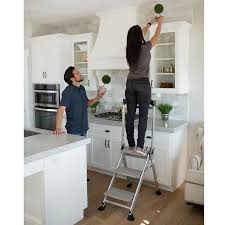
No more wobbling on chairs or balancing on your tiptoes. A sturdy step stool keeps you safe while accessing top cabinets, changing lightbulbs, or hanging decorations.

2. Kitchen Helper
Whether you’re grabbing a baking dish from the top shelf or involving kids in cooking, a step stool brings everything down to a safer, reachable level.

3. Bathroom Boost
For kids learning independence, a step stool helps them wash hands, brush teeth, or even help put laundry away—all while feeling capable and grown-up.

4. Closet Climber
Need to grab seasonal clothes from the top shelf or stow away those bulky comforters? A step stool makes the job easier (and quicker).

5. Home Projects
Whether you’re painting a wall, dusting a ceiling fan, or installing curtains, a step stool gives you just the right height—without the bulk of a ladder.

Tips for Choosing the Right One

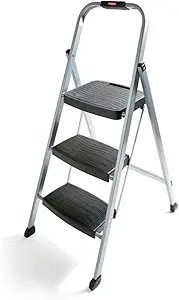
  • Look for stability – Rubber feet, a wide base, and solid construction are key.
  • Consider portability – A foldable or lightweight design makes it easy to move and store.
  • Think multi-use – Some stools double as seats, storage, or even plant stands!

A Small Tool That Lifts You Up (Literally)

Sometimes it’s the simplest things that make the biggest difference. A step stool won’t change your life—but it sure makes life easier. And safer. And a little more within reach.

So if you don’t already have one (or two), it might be time to step up your home game—literally.

https://amzn.to/3FgFLf6
https://amzn.to/4jl75ag

Stop the Pesky Ants: How to Keep Ants Out of Your House for Good

Ants may be tiny, but when they invade your home, they can cause a big nuisance. Whether they’re marching across your kitchen counter or showing up near your pet’s food bowl, ants always seem to find a way in. The good news? You can stop them—with the right mix of prevention, cleanliness, and a few smart tricks.

Here’s how to get rid of ants around your house—and keep them away.

1. Find the Source

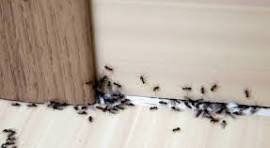
Before you start spraying or setting traps, follow the trail. Ants are usually headed to a food or water source. Once you find their entry point, seal it if possible. Look for cracks in baseboards, windows, doors, and plumbing areas where they might be sneaking in.

2. Clean Up the Attraction

Ants don’t invade for fun—they’re searching for food. Keep your kitchen counters, floors, and pantry clean and crumb-free. Wipe up sticky spots, keep food sealed in containers, and don’t leave pet food out all day. Even a little moisture, like water around the sink, can attract them.

3. Use Natural Repellents

There are several natural remedies you can try before reaching for chemicals. Ants hate strong scents like:

  • Vinegar: Mix equal parts vinegar and water in a spray bottle. Spray it along ant trails and entry points.
  • Cinnamon or cloves: Sprinkle around baseboards or entry points to repel ants.
  • Lemon juice: Disrupts their scent trails and smells great.

4. Set Bait Traps

If the ants persist, bait traps can be effective. They bring poison back to the colony, eliminating the source. Just be cautious if you have pets or small children—keep traps out of reach.

5. Seal Up Entry Points

Once the ants are gone, prevent a future invasion by sealing gaps around windows, doors, and foundation cracks. Use caulk or weatherstripping where needed.

6. Know When to Call a Pro

If the problem continues or the infestation is large, it might be time to call a pest control professional. They can safely identify the ant species and apply targeted treatments.

The best way to stop ants is to make your home less inviting in the first place. A clean kitchen, sealed entry points, and the occasional natural repellent can go a long way. Don’t let these tiny intruders take over—show them the door for good.

https://amzn.to/3H3piLI

Keep Your Couch Looking Luxe – The Power of a Good Leather Conditioner

There’s something timeless and inviting about a leather couch. It adds warmth, character, and a touch of elegance to any living room. But leather, like skin, needs care to stay supple, rich, and free from cracking. That’s where a good leather conditioner comes in—and if you’re not using one regularly, your couch could be aging faster than it should.

I’ve made conditioning my couch a part of my seasonal cleaning routine. It’s a small habit that makes a big difference. Over the years, I’ve tried different conditioners, but the key has always been consistency and technique. Want to know my secret tool? A paintbrush.

Yes, a simple paintbrush.

Using a paintbrush helps me get into the creases and seams with precision, ensuring every inch of leather gets the hydration it needs. I dip the brush into the conditioner, apply a thin, even layer across the surface, then let it soak in before buffing it out with a soft cloth. It’s strangely satisfying, almost like a mini spa day for my couch.

Not only does conditioning help preserve the leather, but it also revives its appearance. A well-conditioned couch looks rich and smooth—and let’s be honest, it just feels better to sit on.

🛋️ Top Leather Conditioners for Couches:

Leather Honey Leather Conditioner

  • Deep conditioning formula.
  • Non-toxic, water-repellent, and lasts up to six months.
  • Great for all types of leather (except suede).
  • https://amzn.to/4dkE4Kf

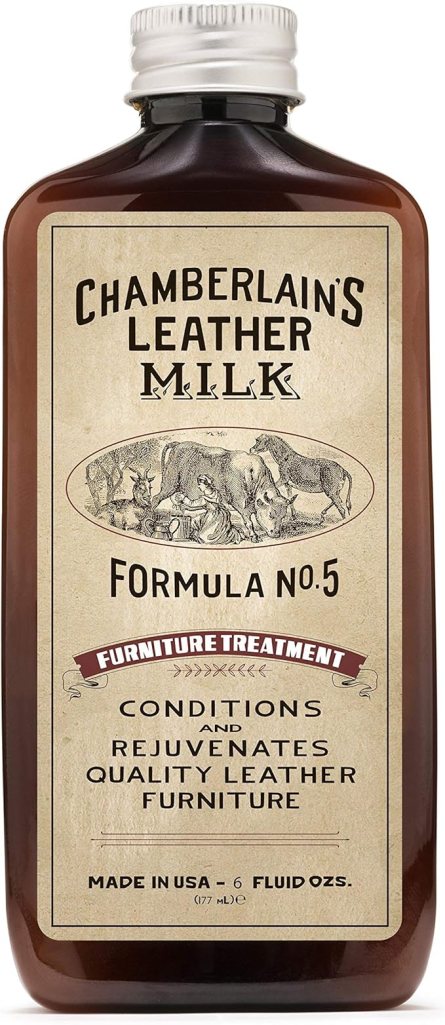
    Chamberlain’s Leather Milk Conditioner

    • Includes natural oils and gentle cleansing agents.
    • Safe for furniture, bags, and even leather car seats.
    • Leaves leather soft without a sticky residue.
    • https://amzn.to/4k5hVBM

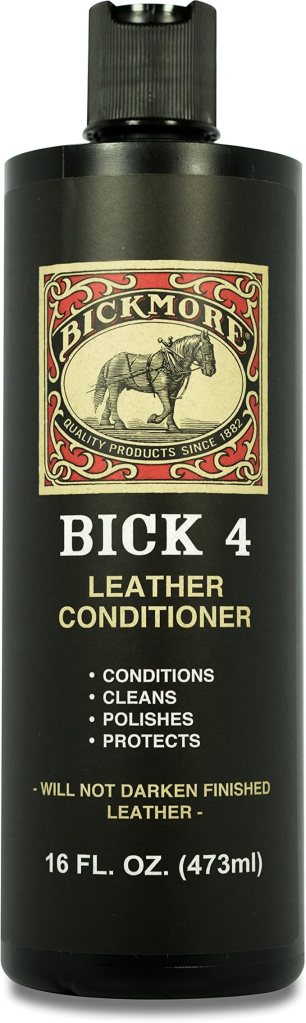
    Bickmore Bick 4 Leather Conditioner

    • Does not darken leather.
    • Popular among leather furniture and boot owners.
    • Cleans, conditions, polishes, and protects in one.
    • https://amzn.to/3GOrUgu

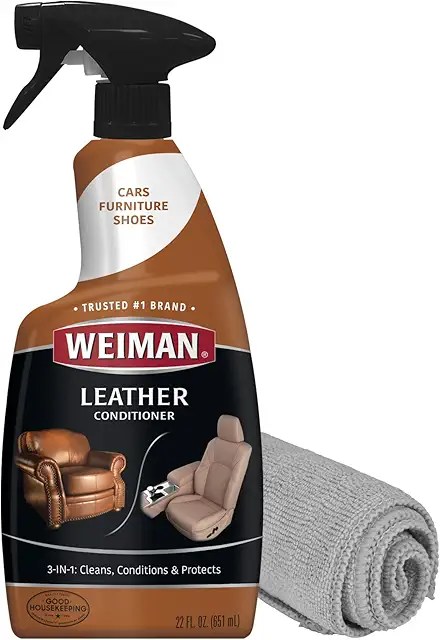
    Weiman Leather Conditioner and Cleaner

    • Cleans and conditions in one step.
    • Restores suppleness and sheen.
    • Affordable and widely available in stores.
    • https://amzn.to/4dedG4L

    *Always test in a small area first!

    Why You Should Be Using a Squeegee for Your Shower Doors

    If you’re tired of soap scum, water spots, and endless scrubbing, there’s a simple solution: a squeegee. This small tool can make a big difference in keeping your shower doors clean and sparkling—without the need for harsh chemicals or exhausting elbow grease.

    The Benefits of Using a Squeegee

    1. Prevents Buildup:
    Hard water stains and soap residue accumulate quickly on glass shower doors. A quick swipe with a squeegee after every shower stops that buildup before it starts, saving you time and energy in the long run.

    2. Keeps Your Bathroom Looking Clean:
    Clear, streak-free glass makes the entire bathroom feel fresher and more inviting. Using a squeegee regularly means you won’t be caught off guard when guests stop by.

    3. Extends the Life of Your Shower Doors:
    Water and mineral deposits can gradually damage the glass and metal framing. A simple daily squeegee routine helps preserve the integrity and appearance of your shower over time.

    4. Saves Money on Cleaning Products:
    Regular maintenance with a squeegee can reduce how often you need to use expensive specialty cleaners or schedule deep cleans.

    How to Use a Shower Squeegee

    It’s easy—just start at the top corner and pull the squeegee down in straight vertical strokes, wiping the blade with a towel after each pass. It takes less than a minute but makes a big difference.

    Pro Tip: Keep It Handy

    Install a hook or suction holder in the shower to make your squeegee easily accessible. If it’s within reach, you’re more likely to use it every day.

    https://amzn.to/3EJWzuZ

    Creating a Dedicated Hobby Space at Home: Why It Matters

    In our busy, multi-tasking lives, it’s easy to lose sight of the activities that bring us joy. But having a dedicated space in your home for your hobby—whether it’s painting, crafting, writing, building models, or playing music—can be a game-changer for your mental health, creativity, and personal fulfillment.

    Why a Hobby Space Matters

    1. It’s a Mental Reset A designated space signals to your brain that it’s time to switch gears. Even if you’re only able to spend 15-30 minutes a day on your hobby, it creates a mental break from work, chores, and screens.

    2. It Encourages Consistency When your supplies are organized and your space is ready, you’re more likely to actually do your hobby. The less effort it takes to start, the more often you’ll enjoy it.

    3. It Sparks Creativity Having a dedicated corner for your passion allows ideas to grow. Whether it’s a wall for inspiration, bins for tools, or a desk for creating—your space becomes a place for exploration and progress.

    4. It Offers Personal Space We all need a little breathing room. A hobby space becomes your own nook for reflection, focus, or just doing something purely because you love it.

    Tips for Creating Your Space

    • Start small – even a corner or a closet can work.
    • Use vertical space for storage—hooks, shelves, and pegboards are great.
    • Make it comfortable with good lighting, a supportive chair, and calming decor.
    • Keep it organized so you’re always ready to dive in.

    A hobby space isn’t just a luxury—it’s a tool for better living. Give yourself permission to carve out a little spot that’s just for you and your passion. It might be the most productive “non-work” thing you do all week.

    Clean Tools = Cleaner Results: Why Your Cleaning Supplies Matter

    It’s easy to overlook, but the key to a truly clean home isn’t just how you clean—it’s what you clean with. If your tools are dirty, you’re not doing yourself any favors. In fact, you might be spreading grime around instead of picking it up.

    A Dirty Mop Isn’t Helping

    Mops that are soaked with old dirt and grime don’t absorb well. Instead of lifting dirt from your floors, they leave behind a streaky residue—and possibly even odor. Always rinse your mop thoroughly after each use, and let it dry completely to prevent mildew.

    Your Vacuum Needs Some TLC Too

    When your vacuum is full of dust or the filter is clogged, suction power drops significantly. That means dirt gets left behind—especially in carpets and tight corners. Empty the bin or bag regularly, and clean or replace filters as recommended by the manufacturer.

    Dusters Shouldn’t Scratch

    Dusters and microfiber cloths are great at trapping dust, but if they’re already loaded with debris, they can actually scratch surfaces—especially delicate ones like glass or wood. Wash them after use so they’re ready and safe for the next cleaning round.

    Make It a Habit

    The best way to make sure your tools stay in top shape? Clean them as soon as you finish using them. It only takes a few minutes and saves you time and frustration later.

    Clean tools help you work smarter—not harder. So next time you grab your mop or vacuum, give it a quick check. A clean tool is a powerful one!

    https://amzn.to/4lYlknY

    When the Whole Family Pulls Together: Getting Projects Done (and Feeling Great About It)

    There’s something special about everyone pitching in to tackle a project around the house. Whether it’s cleaning out the garage, sprucing up the yard, or giving a room a fresh coat of paint, when the whole family pulls together, amazing things happen—not just to the house, but to everyone’s spirit.

    Why It’s So Great:

    • Teamwork builds pride. When everyone contributes, everyone feels proud of the results. It’s not just a cleaner house—it’s a family victory.
    • Life skills are learned. Kids (and sometimes even adults) learn how to paint, organize, garden, or fix things—skills that stay with them for life.
    • Memories are made. Projects often turn into moments of laughter, music blasting in the background, and maybe a few funny mishaps you’ll talk about for years.
    • It strengthens bonds. Working toward a common goal brings people closer. It’s about more than chores—it’s about teamwork and shared accomplishment.

    How to Make It Fun:

    • Assign roles. Give everyone a job that matches their abilities or interests.
    • Make it a competition. Who can pull the most weeds or organize the most boxes?
    • Play music. A great playlist can turn work into a mini party.
    • Celebrate after. Pizza night, ice cream, or a family movie marathon is a perfect reward for a job well done.

    When everyone chips in, the work gets done faster, and the feeling of accomplishment is even sweeter. Plus, it sends a powerful message: in this family, we show up for each other.

    So the next time there’s a project looming, rally the crew. You’ll get a cleaner house—and an even stronger family.

    7 Pro Tips for Shoveling Rock Without Breaking Your Back

    Shoveling rock isn’t like moving soil or mulch—it’s heavier, tougher, and can quickly wear you out if you’re not prepared. Whether you’re spreading gravel for a path, filling a garden bed with river rock, or moving stones for a construction project, these tips will help you work smarter—not harder.

    1. Choose the Right Shovel

    Not all shovels are created equal. For rocks, go with a square-point shovel or a coal shovel. These have a flat edge, making it easier to scoop under the rocks and lift them efficiently. Avoid rounded shovels—they’re better suited for dirt.

    2. Use a Wheelbarrow or Rock Sled

    Don’t carry heavy loads any farther than you need to. Use a wheelbarrow to move rocks to their destination. For rough terrain or larger quantities, a plastic sled or heavy-duty tarp can help drag the load instead of lifting.

    3. Wear the Right Gear

    • Gloves: Protect your hands from blisters and sharp edges.
    • Steel-toe boots: Keep your feet safe in case a rock falls.
    • Back support belt (optional): Helps prevent strain during repetitive lifting.

    4. Loosen the Rock First

    If the rocks are compacted or stuck together (especially if wet), use a rake or hoe to break them up before shoveling. This reduces strain and makes scooping easier.

    5. Scoop Small Loads

    It’s tempting to load up a huge shovel-full to get done faster—but resist the urge. Rocks are deceptively heavy, and you’ll tire quickly or risk injury. Small, manageable scoops are safer and more efficient over time.

    6. Work in Short Bursts

    Shoveling rock is physically demanding. Take breaks every 20–30 minutes, stay hydrated, and switch sides often to avoid muscle strain. Pace yourself—it’s a marathon, not a sprint.

    7. Level and Rake as You Go

    If you’re laying rock for landscaping, use a landscaping rake to spread it evenly as you dump. This prevents big piles and saves you from having to re-do areas later.

    Rent Tools If Needed

    For big jobs, consider renting a gravel scoop, mini skid steer, or rock-moving equipment from your local hardware or rental store. It can save hours of labor and a lot of wear on your body.

    Shoveling rock doesn’t have to be back-breaking. With the right tools, technique, and mindset, it’s a manageable (and even satisfying) job that gets you one step closer to a beautiful or functional space.

    https://amzn.to/4398quL