Why Tower Fans Are a Summer Must-Have for Your Home

When the summer heat rolls in, keeping your home cool and comfortable becomes a top priority. While air conditioning is great, it can be expensive to run all day long—and sometimes you just want a simple, efficient way to stay cool without cranking up your energy bill. That’s where tower fans come in.

What Makes Tower Fans Perfect for Summer?

1. Space-Saving Design
Tower fans are slim and sleek, making them perfect for rooms where floor space is limited. Unlike bulky box fans or pedestal fans, tower fans fit neatly into corners or tight spots without getting in the way.

2. Powerful Airflow with Quiet Operation
Don’t be fooled by their size—tower fans deliver strong, consistent airflow that helps circulate cool air throughout the room. Plus, most models run quietly, so you can sleep, work, or relax without the distracting hum of a traditional fan.

3. Multiple Speed and Mode Settings
From gentle breezes to high-powered cooling, tower fans usually come with adjustable speed settings and modes like “natural wind” or “sleep mode.” This customization lets you tailor your cooling experience to your exact needs.

4. Energy Efficient
Compared to running central air conditioning, tower fans use a fraction of the electricity. They’re an eco-friendly way to cool a room without breaking the bank on energy bills.

5. Convenient Features
Many tower fans come with remote controls, timers, and oscillation features, giving you easy control from anywhere in the room. You can set it to turn off after you fall asleep or direct the airflow exactly where you need it.

How I Use Tower Fans in My Home

I keep a tower fan in the living room, bedroom, and even the kitchen. They help keep the air moving, reduce stuffiness, and make those hot summer evenings much more comfortable. Sometimes I use them alongside the AC to lower the thermostat setting, saving energy without sacrificing comfort.

https://amzn.to/44NA16Z

a bladeless tower fan that’s quiet, powerful, and stylish enough to leave out when guests come over.

https://amzn.to/4kpyM2h

Dreo’s all-in-one airflow system combines with a supercharged electric motor, delivering high-speed, refreshing winds. This 36-inch compact tower fan enlivens every inch of air in your living space fast at up to 25ft/s.

https://amzn.to/44TrSOB

Tower Fan for Bedroom, Quiet Cooling Desk Fan with Remote
End of Summer and Your Hose is Leaking? Repair It Instead of Buying a New One

As summer winds down, you might notice that your trusty garden hose has developed a leak. Instead of rushing out to buy a new one, consider repairing it. Fixing a leaky hose is a simple, cost-effective solution that can extend the life of your hose and save you money. Here’s how you can repair your hose and keep it in good shape for seasons to come.

Why Repairing Your Hose Makes Sense

  1. Cost-Effective: Repairing a hose is much cheaper than buying a new one. Most repair kits are inexpensive and can be found at any hardware store.
  2. Environmental Benefits: By repairing your hose, you reduce waste and contribute to a more sustainable environment. Less plastic and rubber waste means a smaller carbon footprint.
  3. Convenience: Repairing a hose can be done quickly and easily, often with items you already have at home. There’s no need for a trip to the store or waiting for a new hose to be delivered.
  4. Learn a Useful Skill: Learning how to repair common household items like hoses is a valuable skill that can save you money and give you a sense of accomplishment.

Common Hose Problems and How to Fix Them

  1. Pinhole Leaks: These are small leaks that can occur anywhere along the length of the hose. Solution:
  • Turn off the water and locate the leak.
  • Dry the area around the leak and wrap it with waterproof tape, ensuring it’s tightly sealed.
  • Alternatively, use a hose mender kit, which includes a small piece of tubing and clamps to cover the hole.
  1. Leaking Hose Ends: The connectors at the ends of the hose can wear out or become damaged, causing leaks. Solution:
  • Cut off the damaged end of the hose using a sharp knife or hose cutter.
  • Insert a new hose coupling into the cut end. Make sure to choose the correct size (male or female) for your hose.
  • Secure the coupling with the provided clamp, tightening it until the coupling is firmly attached.
  1. Cracks or Splits in the Hose: These can happen due to wear and tear or exposure to the elements. Solution:
  • Identify the section of the hose that is cracked or split.
  • Cut out the damaged section using a sharp knife or hose cutter.
  • Use a hose mender to join the two cut ends. Slide each end of the hose onto the mender and secure with the provided clamps.

Tools and Materials Needed

  • Utility knife or hose cutter: For cutting the hose cleanly.
  • Hose repair kit: These kits include hose menders, couplings, and clamps.
  • Screwdriver: For tightening the clamps on the hose mender or coupling.
  • Waterproof tape: For quick fixes on small leaks.

Steps to Repair a Leaky Hose

  1. Identify the Problem: Determine the location and type of leak in your hose.
  2. Gather Your Supplies: Have all necessary tools and materials on hand before starting the repair.
  3. Prepare the Hose: Turn off the water and drain the hose completely. Dry the area around the leak.
  4. Make the Repair:
  • For pinhole leaks, wrap the area with waterproof tape or use a hose mender kit.
  • For leaking hose ends, cut off the damaged end and attach a new coupling.
  • For cracks or splits, cut out the damaged section and use a hose mender to join the ends.
  1. Test the Repair: Turn the water back on and check for any leaks. Ensure the repair is holding and no water is escaping.

Preventative Measures

To avoid future leaks and extend the life of your hose, consider these preventative measures:

  1. Store Properly: Keep your hose out of direct sunlight and extreme temperatures. Store it coiled and off the ground to prevent damage.
  2. Use Hose Guides: Use guides to prevent the hose from kinking or being dragged over sharp edges.
  3. Regular Inspections: Periodically check your hose for signs of wear and tear, and address any issues promptly.

As summer draws to a close, don’t let a leaky hose dampen your gardening spirits. Repairing your hose is an easy, affordable, and environmentally friendly solution that can save you money and extend the life of your hose. With a few simple tools and materials, you can tackle common hose problems and keep your garden thriving.

https://amzn.to/4cZA94w

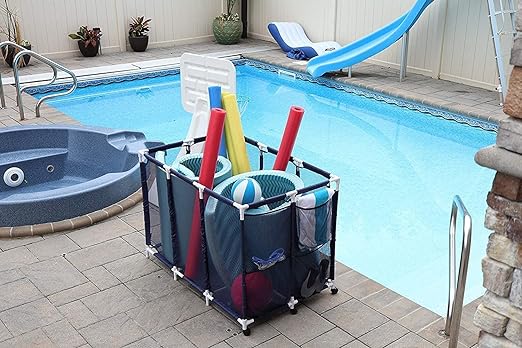
Large Pool Floats Are Fun, But Not Always Fun to Store: Try Large Mesh Bins

Summer is here, and with it comes the joys of lounging on large pool floats. These oversized inflatables bring a lot of fun to pool time, offering comfort and a touch of whimsy to any swimming session. However, as enjoyable as they are in the water, they can be a hassle to store when not in use. Enter large mesh bins – the perfect solution to your storage woes.

The Problem with Pool Floats

Bulky and Hard to Store

Large pool floats can take up a significant amount of space. Their size and often awkward shapes make them difficult to store neatly. Leaving them deflated and folded can still result in a bulky mess that takes up valuable storage space in your garage or pool shed.

Prone to Damage

Improper storage can lead to punctures, tears, and overall wear and tear. Tossing floats into a corner or stacking them haphazardly can shorten their lifespan, leading to more frequent replacements.

The Solution: Large Mesh Bins

Why Mesh Bins?

Large mesh bins are a fantastic solution for storing pool floats for several reasons:

  1. Breathability: The mesh material allows air to circulate, helping to prevent mold and mildew growth on your floats.
  2. Visibility: With mesh bins, you can easily see what’s inside, making it simple to find and retrieve the float you want.
  3. Flexibility: Mesh bins are flexible enough to accommodate various sizes and shapes of pool floats, making them an ideal storage option.
  4. Durability: High-quality mesh bins are designed to withstand outdoor conditions, providing a long-lasting storage solution.

Tips for Using Mesh Bins

  1. Choose the Right Size: Make sure your mesh bin is large enough to accommodate your biggest floats. Measure your floats before purchasing bins to ensure they will fit.
  2. Organize by Type: If you have multiple floats, consider using separate bins for different types (e.g., lounge floats, novelty floats, etc.) to keep everything organized.
  3. Store in a Shaded Area: While mesh bins are durable, storing them in a shaded area can help prolong their lifespan by protecting them from prolonged sun exposure.
  4. Clean Before Storing: Rinse off any chlorine or saltwater from your floats before storing them to prevent damage and keep them in good condition.

Benefits of Proper Storage

Saves Space

Mesh bins help you utilize your storage space more efficiently. By keeping your floats contained and organized, you free up room for other poolside essentials.

Extends Lifespan

Proper storage reduces the risk of damage, helping your floats last longer. This means fewer replacements and more enjoyment out of your investment.

Easy Access

With everything neatly stored in mesh bins, you can quickly find and grab the float you need, making pool time more enjoyable and less stressful.

Large pool floats add an extra element of fun to your summer days, but storing them doesn’t have to be a chore. By using large mesh bins, you can keep your floats organized, protected, and easily accessible.

https://amzn.to/3XySaBU

Transform Your Patio into an Outdoor Oasis

Turning your patio into a cozy outdoor retreat doesn’t have to drain your wallet. With a bit of creativity and some strategic planning, you can create an inviting space that you’ll love spending time in. Here are some budget-friendly tips to help you upgrade your outdoor area:

Clean and Declutter

The first step in transforming your patio is giving it a thorough cleaning. Sweep away dirt and debris, scrub surfaces, and wash any furniture or cushions. Removing clutter will instantly make the space feel more open and inviting. To add a touch of freshness, consider incorporating some pleasant fragrances. An oil diffuser, scented candle, or plug-in air freshener can work wonders in making your patio smell as good as it looks.

Anchor the Aesthetic with a Rug

A well-placed outdoor rug can do wonders in defining your patio space. Arrange your outdoor furniture around it to create a cozy and inviting area. Enhance this setup with some stylish outdoor throw pillows. The rug and pillows not only add comfort but also tie the whole look together, making your patio feel like an extension of your home.

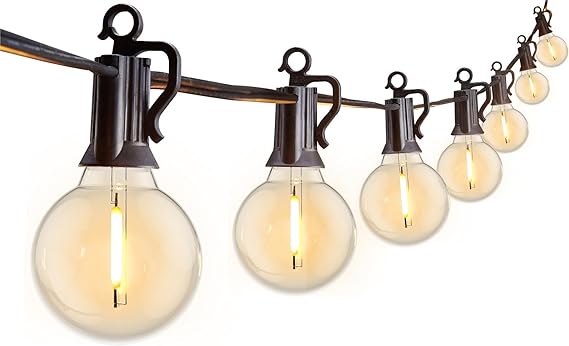
String Some Lights

Outdoor lighting can transform the ambiance of your patio, making it feel warm and welcoming. String lights are an affordable and stylish option. Hang them across the patio or drape them around your furniture to create a chic and inviting atmosphere. The soft glow from the lights will make your evenings outside even more enjoyable.

Add Final Touches

The finishing touches are what will truly personalize your patio. Think about what makes you feel at home and incorporate those elements. Outdoor art, a clock, a doormat, or even a cozy reading nook can add character and charm. Choose color schemes and decor that reflect your taste and bring you joy. These personal touches will make your patio feel like a true extension of your living space.

By following these tips, you can transform your patio into a beautiful and inviting outdoor oasis without spending a fortune. A little creativity and effort can go a long way in creating a space where you’ll love to relax, entertain, and enjoy the great outdoors.

https://amzn.to/3Ks6Ril

Cordless Rechargeable Table Lamp

https://amzn.to/3KvRd5H

Outdoor String Lights 25 Feet G40 Globe

https://amzn.to/4aMKVt7

Electric Pressure Washer (Ultra Compact / Lightweight)

The Importance of Regularly Checking Your Outdoor Sprinkler System

When it comes to home maintenance, the outdoor sprinkler system often gets overlooked. However, neglecting to check your sprinklers regularly can lead to costly damage to your home and landscaping. Here’s why it’s essential to keep an eye on your outdoor sprinkler system.

1. Prevents Water Waste

A slight miscalculation during sprinkler installation or a bump to a sprinkler head can cause water to be wasted by watering the side of your home instead of your landscaping. Regular inspections can help identify and fix any issues that may lead to water waste.

2. Avoids Property Damage

Sprinklers spraying the side of your home can cause various types of damage over time. This includes wood rot, foundation shifts, and damage to siding or paint. By catching and fixing these issues early, you can prevent costly repairs down the line.

3. Maintains Landscaping Health

Inefficient sprinkler systems can lead to uneven watering and dry spots in your lawn or garden. By regularly checking your sprinklers, you can ensure that your landscaping receives the proper amount of water to stay healthy and vibrant.

4. Prevents Foundation Problems

Excessive watering near the foundation of your home can lead to soil erosion and foundation shifts. By monitoring your sprinkler system and adjusting the spray as needed, you can prevent these issues from occurring.

5. Ensures System Efficiency

Regular maintenance of your sprinkler system ensures that it operates efficiently, saving you money on water bills. This includes checking for clogged or damaged sprinkler heads, adjusting the spray pattern, and programming the system for optimal watering times.

While outdoor sprinkler systems may not be top of mind when it comes to home maintenance, they play a crucial role in keeping your home and landscaping healthy. By regularly checking your sprinklers throughout the year, you can prevent water waste, avoid property damage, maintain landscaping health, prevent foundation problems, and ensure the efficiency of your system. So, make it a priority to include your outdoor sprinkler system in your regular home maintenance routine.

Prepare Your Yard for Spring and Summer: Essential Tips

As the days grow longer and warmer, it’s time to get your yard ready for the vibrant seasons ahead. Here are three essential steps to ensure your outdoor space thrives this spring and summer.

1. Fertilize the Lawn

Start by giving your lawn a boost with a high-quality fertilizer. Spring is the perfect time to replenish nutrients that may have been depleted over the winter months. Choose a fertilizer specifically formulated for spring application, and follow the instructions carefully for best results. A well-fed lawn will be healthier, greener, and more resilient to heat and drought throughout the summer.

2. Rake Your Garden Beds

Remove any debris, leaves, or dead vegetation from your garden beds to prepare them for new growth. Raking helps improve air circulation, prevents disease, and allows sunlight to reach the soil. It also gives you a chance to inspect your plants for any signs of damage or disease that may have occurred during the winter. Once your garden beds are clean and tidy, you’ll be ready to plant and enjoy colorful blooms all season long.

3. Seed the Lawn

If your lawn has bare patches or thin areas, spring is the ideal time to overseed. Choose a grass seed blend that’s suited to your climate and lawn type, and spread it evenly over the bare areas. Rake the seed lightly into the soil, then water thoroughly to promote germination. Regular watering and proper care will encourage healthy new grass growth, filling in bare spots and creating a lush, green lawn for summer.

With these simple steps, you can get your yard in top shape for the spring and summer months ahead. Fertilizing the lawn, raking your garden beds, and seeding any bare areas will ensure that your outdoor space is healthy, vibrant, and ready to enjoy all season long. So roll up your sleeves, get outside, and start preparing your yard for a season of beauty and enjoyment.

Scotts Turf Builder EdgeGuard DLX Broadcast Spreader for Seed, Fertilizer, Salt, Ice Melt, Holds up to 15,000 sq.ft. Product https://amzn.to/3wmhcZQ
Steel Tines Metal Head Rake Tool for Loosening Soil Gathering Leaf Leveling Lawn Farming Land Management Yarn Thatch Rake https://amzn.to/4a9V7LQ
2 Gallon Watering Can for Outdoor Plants with Removable Long Spout and Stainless Steel Sprinkler Head, Large Plastic Watering Can for Garden Flowers Plants https://amzn.to/3y45zHp

Don’t Forget! Degrease Your BBQ This Spring for a Sizzling Summer

It’s time to dust off the barbecue grill and prepare for the upcoming summer season of outdoor cooking . While the prospect of firing up the grill for backyard gatherings and cookouts is exciting, it’s essential to remember an often overlooked yet crucial step: degreasing your BBQ. Here’s why this task deserves a prime spot on your spring cleaning checklist and how to tackle it.

The Importance of Degreasing

Over time, the grates and surfaces of your barbecue accumulate layers of grease, oil, and food residue from previous cooking sessions. Not only can this buildup affect the flavor of your grilled delights, but it also poses potential health hazards. Grease buildup can become a breeding ground for harmful bacteria and increase the risk of flare-ups and fires during cooking. Degreasing your BBQ helps maintain hygiene, prevent safety hazards, and ensure optimal grilling performance.

Spring Cleaning Checklist

As you prepare your outdoor space for the season ahead, don’t forget to include BBQ degreasing in your spring cleaning routine. Here’s a step-by-step guide to help you get started:

  1. Gather Supplies: Equip yourself with gloves, a grill brush or scraper, dish soap, warm water, a sponge or cloth, and a bucket.
  2. Preheat the Grill: Start by preheating the grill for about 15 minutes. This will soften stubborn grease and make it easier to remove.
  3. Scrub the Grates: Using a grill brush or scraper, scrub the grates vigorously to remove any stuck-on debris and grease buildup. Focus on both the top and bottom surfaces of the grates.
  4. Clean the Interior: Remove the grates and set them aside. Wipe down the interior surfaces of the BBQ, including the burner covers, heat plates, and walls, using warm soapy water and a sponge or cloth.
  5. Degrease the Grates: In a bucket, mix warm water with a small amount of dish soap. Submerge the grates in the soapy water and let them soak for several minutes. Then, scrub the grates again to remove any remaining grease and residue.
  6. Rinse and Dry: Rinse the grates and interior surfaces thoroughly with clean water to remove soap residue. Allow them to air dry completely before reassembling the grill.
  7. Inspect and Maintain: Take this opportunity to inspect other components of your BBQ, such as the burner tubes and igniter, for signs of wear or damage. Replace any worn parts to ensure optimal performance.

By incorporating BBQ degreasing into your spring cleaning routine, you’ll set the stage for a safe, enjoyable, and delicious summer of outdoor cooking adventures. Remember to clean your grill regularly throughout the season to maintain hygiene and prevent grease buildup. With a clean and well-maintained BBQ, you can savor every moment of summer gatherings with family and friends.