Stay Cool This Summer: Why a Cooling Blanket Might Be Your Best Sleep Solution

When summer heat rolls in, getting a good night’s sleep can feel impossible. Tossing, turning, and waking up sweaty are all too common when temperatures rise. That’s where cooling blankets come in—a simple solution to help you sleep comfortably even on the hottest nights.

What is a Cooling Blanket?

A cooling blanket is designed with special fabrics or technologies that help regulate your body temperature. Unlike regular blankets that trap heat, cooling blankets wick away moisture, promote airflow, and feel cool against your skin. Materials like bamboo, cotton, or advanced fibers such as Outlast® and Eucalyptus are often used.

Benefits of Using a Cooling Blanket

Better Sleep Quality: Keeping your body at an optimal temperature helps you fall asleep faster and stay asleep longer.

Moisture-Wicking: Cooling blankets pull sweat away from your body, helping you stay dry and comfortable.

Lightweight Comfort: Many cooling blankets are thinner and more breathable, giving you that cozy feeling without overheating.

Great for Hot Sleepers: If you naturally sleep warm or experience night sweats, a cooling blanket can be a game changer.

Features to Look For

When shopping for a cooling blanket, consider:

  • Material: Look for natural, breathable fabrics like bamboo, cotton, or Tencel.
  • Weight: Choose a weight that feels comfortable but not stifling.
  • Ease of care: Many cooling blankets are machine washable for easy upkeep.

A cooling blanket is an affordable and effective way to improve your summer sleep. Whether you’re battling heatwaves or just want to stay comfortable, it could be the small change that makes a big difference.

https://amzn.to/4lObAvF

Why Microfiber Towels Are a Cleaning Game-Changer

Why Microfiber Towels Are a Cleaning Game-Changer

When it comes to cleaning smarter—not harder—microfiber towels… Whether you’re wiping down windows, drying your car, or dusting your shelves, these little cloths pack a big punch.

What Is Microfiber, Anyway?

Microfiber is made of super fine synthetic fibers—usually polyester and polyamide—that are smaller than a human hair. The tiny fibers are split during production, creating more surface area and allowing them to trap dirt, dust, and moisture far more effectively than regular cotton cloths.

Why Microfiber Towels Are a Must-Have

🧼 1. They Clean Without Chemicals
Thanks to their ultra-fine fibers, microfiber towels can grab grime and bacteria using just water. Great for eco-conscious or allergy-sensitive households.

🧽 2. Super Absorbent
Microfiber holds up to 7x its weight in water, making it perfect for spills, drying dishes, or even drying off the dog.

🌟 3. Streak-Free & Lint-Free Finish
Say goodbye to streaks on your windows, mirrors, and stainless steel. These towels leave surfaces shiny and clean without lint residue.

💪 4. Durable & Long-Lasting
With proper care, microfiber towels can last hundreds of washes, saving you money and reducing waste.

🌬️ 5. Fast Drying
They dry quickly, which makes them less likely to develop odors or harbor bacteria.

Best Uses for Microfiber Towels

  • Cleaning windows and mirrors
  • Dusting electronics and surfaces
  • Wiping down kitchen counters and appliances
  • Drying cars without scratching paint
  • Polishing furniture or chrome
  • Removing pet hair from fabric surfaces

How to Care for Microfiber Towels

To keep your microfiber towels working like new:

  • Wash separately (especially from cotton)
  • Use cold or warm water—not hot
  • Avoid fabric softener (it clogs the fibers)
  • Air dry or use low heat in the dryer

Microfiber towels may look simple, but don’t underestimate their power. They’re tough on messes, gentle on surfaces, and a smart swap for wasteful paper towels or ineffective rags.

So if you haven’t stocked up yet, now’s the time. Once you start using microfiber, you’ll wonder how you ever cleaned without it.

https://amzn.to/4lmel6R

5 Easy Tips for Cleaning Wooden Blinds Without Damaging Them

Wooden blinds bring warmth, texture, and timeless charm to any room. But when it comes to cleaning them? Let’s just say… it’s easy to put it off. Dust settles, grime builds, and suddenly those beautiful blinds are looking a little dull.

The good news? You don’t need fancy tools or harsh chemicals to bring them back to life. Just a little care—and the right technique.

Here are five easy, effective tips for cleaning wooden blinds while keeping them in great shape:

1. Dust Regularly With a Microfiber Cloth or Duster

Keeping up with dust prevents buildup and makes deep cleaning easier. Close the blinds and run a dry microfiber cloth or duster along each slat, then flip and repeat on the other side. A clean, dry sock over your hand works great too!

Work top to bottom to keep dust from falling on slats you’ve already cleaned.

2. Use a Vacuum With a Brush Attachment

If it’s been a while, a vacuum with a soft brush attachment can gently lift dust without spreading it around. Be gentle—wood can scratch easily!

Avoid using high suction or stiff bristles—these can damage the finish.

3. Damp Wipe for Stubborn Dirt

If dusting isn’t enough, lightly dampen a cloth with water and a tiny drop of mild dish soap. Wipe gently, then dry immediately with a soft towel.

Never soak wood blinds or let water sit—moisture can warp or stain the wood.

4. Tackle Sticky Spots With Care

Have spots near the kitchen? Grease and residue can collect over time. Use a damp cloth with vinegar diluted in water (50/50) for sticky areas—then dry right away.

Always test a small area first to ensure the solution doesn’t dull the finish.

5. Polish Occasionally for a Natural Shine

Want to keep your wooden blinds looking new? Use a wood-safe furniture polish or conditioner occasionally to restore shine and protect from drying out.

Avoid using polish every time you clean—once every few months is enough.

Consistency Matters

The best way to keep wooden blinds looking their best is regular care. A quick dust once a week keeps the grime away and saves you from bigger cleaning jobs later.

https://amzn.to/45x3ySW

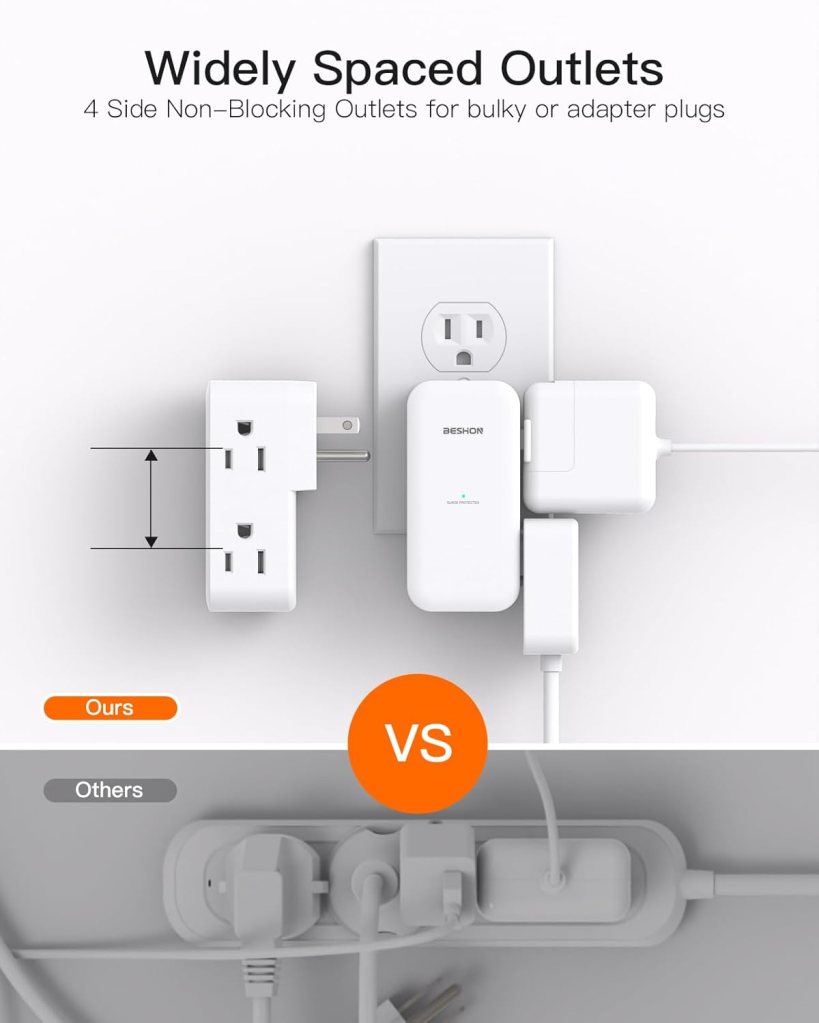
Don’t Forget the Surge Protector

In many parts of the country, summer doesn’t just mean sunshine and barbecues—it also means thunderstorms. And with those storms often come power outages and electrical surges.

A friend recently experienced this firsthand. During a quick but intense storm, their power went out. When it came back on, their treadmill—a key part of their home workout routine—stopped working properly. It was a frustrating and costly reminder of something simple: the importance of using a surge protector.

Electronics, appliances, and even fitness equipment like treadmills and stationary bikes are vulnerable to power surges. Without a surge protector, one storm can do serious damage.

So here’s a quick reminder:
✔️ Use surge protectors for valuable or sensitive devices.
✔️ Unplug items during severe storms if you’re home and it’s safe.
✔️ Consider whole-house surge protection if outages are frequent in your area.

It’s a small investment that can save you big headaches—and expenses—later.

https://amzn.to/3SS1CwL
https://amzn.to/3HIG5Em

Maybe It’s Time to Switch to Glass Cutting Boards

We all have that one trusty cutting board—scratched, stained, slightly warped, and probably older than your dog. But what if it’s time for an upgrade? Specifically, what if it’s time to make the switch to glass cutting boards?

Yes, glass. Sleek, shiny, suspiciously clean-looking. Let’s cut into the pros, cons, and quirks of this unexpected kitchen upgrade.

🧼 The Hygiene Hero

Glass cutting boards are non-porous. Translation: They don’t soak up meat juices, onion smells, or the ghost of garlic past. A quick wash and they’re good as new—no stains, no lingering bacteria. For the cleanliness-obsessed, that’s a major win.

✨ Stylish and Modern

Let’s be honest—glass cutting boards just look cool. They’re like the kitchen equivalent of wearing sunglasses indoors. Available in all sorts of patterns and colors, they can actually match your kitchen décor… or your mood.

🔪 The Knife Controversy

Here’s the catch: glass is tough on knives. Like, really tough. If you’re the proud owner of an expensive chef’s knife, you might want to keep your old wooden board around for delicate slicing and dicing. Think of your glass board as the “backup dancer”—there when you need it, not always center stage.

☕ Multi-Purpose Marvel

Use it as a cheese board, a trivet for hot pans, or even a serving platter for snacks. Glass cutting boards moonlight as kitchen multitaskers. They’re the overachievers of the countertop world.

👂 Unexpected Bonus: ASMR Vibes?

The sound of chopping on glass is oddly satisfying to some and borderline annoying to others. You’ll either feel like you’re starring in your own cooking show… or like you’re rehearsing a tap dance with your knife.

Is switching to a glass cutting board right for everyone? Maybe not. But if you’re looking for easy cleaning, durability, and a touch of kitchen glam, it might just be time to retire that old plastic slab and give glass a try.

Just maybe don’t throw away your favorite knife sharpener while you’re at it

https://amzn.to/45WGj4D

What Is a GFCI Outlet?

GFCI stands for Ground Fault Circuit Interrupter. It’s a type of electrical outlet designed to protect you from getting shocked by detecting when electricity is flowing in an unsafe way—like through water, or even through you.

If it senses that current is escaping the normal electrical path, it shuts off the power in a fraction of a second.

Why Are GFCI Outlets Important?

Because water and electricity don’t mix. GFCI outlets are life-saving devices commonly installed in areas where moisture is present, such as:

  • Bathrooms
  • Kitchens
  • Laundry rooms
  • Garages
  • Outdoor outlets
  • Basements

These outlets reduce the risk of electric shock, electrical fires, and even fatal electrocution.

Do You Need GFCI Outlets?

Yes, and in many cases, it’s required by building code. If your home doesn’t have GFCI outlets in the right places—especially near water—it’s a smart upgrade. They’re not expensive, and any licensed electrician can install them quickly.

Even older homes can be updated with GFCI outlets to meet modern safety standards.

How to Know If Yours Are Working

Every GFCI outlet has a “test” and “reset” button. You should:

  1. Press the “test” button — the power should cut off.
  2. Press the “reset” button — the power should come back on.

If it doesn’t respond, it might be time to replace it.

GFCI outlets may not be the most exciting part of home maintenance, but they’re one of the most important when it comes to keeping your family safe. A small upgrade can prevent a major tragedy.

When it comes to electricity, a little prevention goes a long way.

GFCI Adapter Outlet

  • Features: Adds GFCI protection to standard outlets, easy installation.
  • Ideal For: Temporary setups or areas without built-in GFCI.
  • https://amzn.to/3ZkFvCK

The Best Way to Clean Really Dirty Hardwood Floors (Without Damaging Them)

Hardwood floors add warmth, beauty, and value to your home—but when they’re really dirty, cleaning them can feel intimidating. You want to get them clean, but not at the cost of damaging the wood. Whether it’s built-up grime, layers of dust, or sticky spills, here’s the best way to deep clean your hardwood floors and bring them back to life safely.

Step 1: Dry Dust or Vacuum First

Before anything else, remove loose dirt, pet hair, and debris. Use:

  • A microfiber dry dust mop
  • A vacuum with a floor-brush attachment (never a beater bar—it can scratch the wood)

This prevents grit from scratching your floors during the wet cleaning step.

Step 2: Mix a Gentle Cleaning Solution

Skip the harsh chemicals and create your own hardwood-safe solution:

  • ¼ cup white vinegar (natural degreaser and disinfectant)
  • 1 gallon of warm water

Or use a commercial hardwood floor cleaner labeled as safe for sealed wood.

Avoid steam mops, ammonia, bleach, and oil-based soaps—they can dull or damage the finish.

Step 3: Damp Mop (Not Wet!)

Dip a microfiber mop into the solution, then wring it out thoroughly. You want the mop damp—not dripping. Mop the floor section by section, rinsing and wringing the mop often.

Pro Tip: Always go with the grain of the wood.

Step 4: Tackle Stubborn Spots

For stuck-on grime or scuff marks, use a soft cloth dampened with the vinegar solution and gently rub the spot by hand. For sticky residues, a tiny drop of dish soap mixed into your vinegar solution can help break it down.

Step 5: Dry the Floor Immediately

Moisture is the enemy of hardwood. After mopping, use a dry towel or microfiber cloth to go over the floor and make sure no moisture is left behind.

Optional: Restore Shine

If your floors still look dull after cleaning, consider using a hardwood floor polish or restorer made for your type of finish (polyurethane, wax, etc.). Always test a small area first.

With the right tools and a gentle touch, you can bring even the dirtiest hardwood floors back to a beautiful, clean finish. The key is consistency—cleaning regularly prevents grime buildup and protects your floors long-term.

Why Tower Fans Are a Summer Must-Have for Your Home

When the summer heat rolls in, keeping your home cool and comfortable becomes a top priority. While air conditioning is great, it can be expensive to run all day long—and sometimes you just want a simple, efficient way to stay cool without cranking up your energy bill. That’s where tower fans come in.

What Makes Tower Fans Perfect for Summer?

1. Space-Saving Design
Tower fans are slim and sleek, making them perfect for rooms where floor space is limited. Unlike bulky box fans or pedestal fans, tower fans fit neatly into corners or tight spots without getting in the way.

2. Powerful Airflow with Quiet Operation
Don’t be fooled by their size—tower fans deliver strong, consistent airflow that helps circulate cool air throughout the room. Plus, most models run quietly, so you can sleep, work, or relax without the distracting hum of a traditional fan.

3. Multiple Speed and Mode Settings
From gentle breezes to high-powered cooling, tower fans usually come with adjustable speed settings and modes like “natural wind” or “sleep mode.” This customization lets you tailor your cooling experience to your exact needs.

4. Energy Efficient
Compared to running central air conditioning, tower fans use a fraction of the electricity. They’re an eco-friendly way to cool a room without breaking the bank on energy bills.

5. Convenient Features
Many tower fans come with remote controls, timers, and oscillation features, giving you easy control from anywhere in the room. You can set it to turn off after you fall asleep or direct the airflow exactly where you need it.

How I Use Tower Fans in My Home

I keep a tower fan in the living room, bedroom, and even the kitchen. They help keep the air moving, reduce stuffiness, and make those hot summer evenings much more comfortable. Sometimes I use them alongside the AC to lower the thermostat setting, saving energy without sacrificing comfort.

https://amzn.to/44NA16Z

a bladeless tower fan that’s quiet, powerful, and stylish enough to leave out when guests come over.

https://amzn.to/4kpyM2h

Dreo’s all-in-one airflow system combines with a supercharged electric motor, delivering high-speed, refreshing winds. This 36-inch compact tower fan enlivens every inch of air in your living space fast at up to 25ft/s.

https://amzn.to/44TrSOB

Tower Fan for Bedroom, Quiet Cooling Desk Fan with Remote

The Humble Step Stool

It’s not glamorous. It doesn’t require charging. It doesn’t even have Wi-Fi. But the step stool? It just might be one of the most useful tools in your entire home.

From reaching that top shelf in the pantry to helping little ones brush their teeth at the sink, a good step stool is the kind of household essential you don’t realize you need—until you need it.

Small But Mighty: Everyday Uses for a Step Stool

1. Reaching Higher (Safely!)
No more wobbling on chairs or balancing on your tiptoes. A sturdy step stool keeps you safe while accessing top cabinets, changing lightbulbs, or hanging decorations.

2. Kitchen Helper
Whether you’re grabbing a baking dish from the top shelf or involving kids in cooking, a step stool brings everything down to a safer, reachable level.

3. Bathroom Boost
For kids learning independence, a step stool helps them wash hands, brush teeth, or even help put laundry away—all while feeling capable and grown-up.

4. Closet Climber
Need to grab seasonal clothes from the top shelf or stow away those bulky comforters? A step stool makes the job easier (and quicker).

5. Home Projects
Whether you’re painting a wall, dusting a ceiling fan, or installing curtains, a step stool gives you just the right height—without the bulk of a ladder.

Tips for Choosing the Right One

  • Look for stability – Rubber feet, a wide base, and solid construction are key.
  • Consider portability – A foldable or lightweight design makes it easy to move and store.
  • Think multi-use – Some stools double as seats, storage, or even plant stands!

A Small Tool That Lifts You Up (Literally)

Sometimes it’s the simplest things that make the biggest difference. A step stool won’t change your life—but it sure makes life easier. And safer. And a little more within reach.

So if you don’t already have one (or two), it might be time to step up your home game—literally.

https://amzn.to/3FgFLf6
https://amzn.to/4jl75ag

Stop the Pesky Ants: How to Keep Ants Out of Your House for Good

Ants may be tiny, but when they invade your home, they can cause a big nuisance. Whether they’re marching across your kitchen counter or showing up near your pet’s food bowl, ants always seem to find a way in. The good news? You can stop them—with the right mix of prevention, cleanliness, and a few smart tricks.

Here’s how to get rid of ants around your house—and keep them away.

1. Find the Source

Before you start spraying or setting traps, follow the trail. Ants are usually headed to a food or water source. Once you find their entry point, seal it if possible. Look for cracks in baseboards, windows, doors, and plumbing areas where they might be sneaking in.

2. Clean Up the Attraction

Ants don’t invade for fun—they’re searching for food. Keep your kitchen counters, floors, and pantry clean and crumb-free. Wipe up sticky spots, keep food sealed in containers, and don’t leave pet food out all day. Even a little moisture, like water around the sink, can attract them.

3. Use Natural Repellents

There are several natural remedies you can try before reaching for chemicals. Ants hate strong scents like:

  • Vinegar: Mix equal parts vinegar and water in a spray bottle. Spray it along ant trails and entry points.
  • Cinnamon or cloves: Sprinkle around baseboards or entry points to repel ants.
  • Lemon juice: Disrupts their scent trails and smells great.

4. Set Bait Traps

If the ants persist, bait traps can be effective. They bring poison back to the colony, eliminating the source. Just be cautious if you have pets or small children—keep traps out of reach.

5. Seal Up Entry Points

Once the ants are gone, prevent a future invasion by sealing gaps around windows, doors, and foundation cracks. Use caulk or weatherstripping where needed.

6. Know When to Call a Pro

If the problem continues or the infestation is large, it might be time to call a pest control professional. They can safely identify the ant species and apply targeted treatments.

The best way to stop ants is to make your home less inviting in the first place. A clean kitchen, sealed entry points, and the occasional natural repellent can go a long way. Don’t let these tiny intruders take over—show them the door for good.

https://amzn.to/3H3piLI