Coming Out of Winter: When to Fertilize Your Lawn for a Lush Spring

As winter fades and the days grow longer, your lawn begins to awaken from its dormant state. It’s the perfect time to start thinking about how to rejuvenate your yard and prepare it for the vibrant growth of spring. One of the best ways to do this is by fertilizing your lawn at the right time, giving it the nutrients it needs to thrive in the warmer months.

Why Fertilizing Matters

Fertilizing your lawn is essential for ensuring healthy, green grass. After months of cold weather and limited growth, your lawn can be depleted of nutrients, and the soil may be lacking in the essential elements it needs for strong, lush grass. Fertilizer helps replenish these nutrients, promoting healthy root development, strong growth, and vibrant color.

When to Fertilize Your Lawn

Timing is crucial when it comes to fertilizing. Fertilizing too early can encourage growth before the ground has warmed up, which can lead to weak, leggy grass. Fertilizing too late may miss the window for optimal growth. Here’s how to determine the best time to fertilize:

Early Spring (March to April)

As the weather warms up and the snow begins to melt, your lawn is likely emerging from its winter dormancy. This is the ideal time for your first round of fertilization. Aim to apply a balanced fertilizer in early spring, just as the grass begins to show signs of growth. This will jumpstart the growing season and help your lawn recover from the cold months.

Late Spring (May)

In late spring, your lawn is actively growing, and it’s time for a second round of fertilization. This round should provide more nitrogen to encourage lush, green growth. By fertilizing at this time, you’ll promote thick, healthy grass that can better withstand the heat of summer.

How to Fertilize Your Lawn

When applying fertilizer, be sure to follow these tips for the best results:

  • Choose the Right Fertilizer: Select a fertilizer that matches your lawn’s needs. A slow-release, balanced fertilizer is often a good choice for lawns in early spring.
  • Apply Evenly: Use a spreader to apply the fertilizer evenly across your lawn. Avoid over-applying, as this can cause burning and damage to the grass.
  • Water After Fertilizing: After applying fertilizer, water your lawn thoroughly to help the nutrients absorb into the soil and reach the roots.
  • Consider Soil Testing: If you’re unsure about the nutrient levels in your soil, consider getting a soil test. This can help you choose the right type of fertilizer and avoid over-fertilizing.

Other Spring Lawn Care Tips

In addition to fertilizing, there are a few other lawn care tasks to consider as you prepare your yard for the warmer months:

  • Aerate Your Lawn: Aerating your lawn helps improve soil compaction and allows air, water, and nutrients to reach the roots more effectively.
  • Rake Up Debris: Remove leaves, sticks, and other debris that have accumulated over the winter. This allows your grass to breathe and reduces the risk of mold and fungus.
  • Water Wisely: As your lawn begins to grow, make sure to water it properly. Early morning watering is the best time, as it prevents the lawn from staying too wet overnight.

Spring is a time of renewal and growth, and fertilizing your lawn at the right time is essential for a healthy, beautiful yard. By fertilizing early in the season and providing the right nutrients, you’re setting your lawn up for success as it emerges from winter and heads into the vibrant months of spring. Take the time to care for your lawn now, and enjoy a lush, green space all season long! 🌱

Prepare Your Yard for Spring and Summer: Essential Tips

As the days grow longer and warmer, it’s time to get your yard ready for the vibrant seasons ahead. Here are three essential steps to ensure your outdoor space thrives this spring and summer.

1. Fertilize the Lawn

Start by giving your lawn a boost with a high-quality fertilizer. Spring is the perfect time to replenish nutrients that may have been depleted over the winter months. Choose a fertilizer specifically formulated for spring application, and follow the instructions carefully for best results. A well-fed lawn will be healthier, greener, and more resilient to heat and drought throughout the summer.

2. Rake Your Garden Beds

Remove any debris, leaves, or dead vegetation from your garden beds to prepare them for new growth. Raking helps improve air circulation, prevents disease, and allows sunlight to reach the soil. It also gives you a chance to inspect your plants for any signs of damage or disease that may have occurred during the winter. Once your garden beds are clean and tidy, you’ll be ready to plant and enjoy colorful blooms all season long.

3. Seed the Lawn

If your lawn has bare patches or thin areas, spring is the ideal time to overseed. Choose a grass seed blend that’s suited to your climate and lawn type, and spread it evenly over the bare areas. Rake the seed lightly into the soil, then water thoroughly to promote germination. Regular watering and proper care will encourage healthy new grass growth, filling in bare spots and creating a lush, green lawn for summer.

With these simple steps, you can get your yard in top shape for the spring and summer months ahead. Fertilizing the lawn, raking your garden beds, and seeding any bare areas will ensure that your outdoor space is healthy, vibrant, and ready to enjoy all season long. So roll up your sleeves, get outside, and start preparing your yard for a season of beauty and enjoyment.

Scotts Turf Builder EdgeGuard DLX Broadcast Spreader for Seed, Fertilizer, Salt, Ice Melt, Holds up to 15,000 sq.ft. Product https://amzn.to/3wmhcZQ
Steel Tines Metal Head Rake Tool for Loosening Soil Gathering Leaf Leveling Lawn Farming Land Management Yarn Thatch Rake https://amzn.to/4a9V7LQ
2 Gallon Watering Can for Outdoor Plants with Removable Long Spout and Stainless Steel Sprinkler Head, Large Plastic Watering Can for Garden Flowers Plants https://amzn.to/3y45zHp

The Benefits of Rain Sensors for Your Sprinkler System

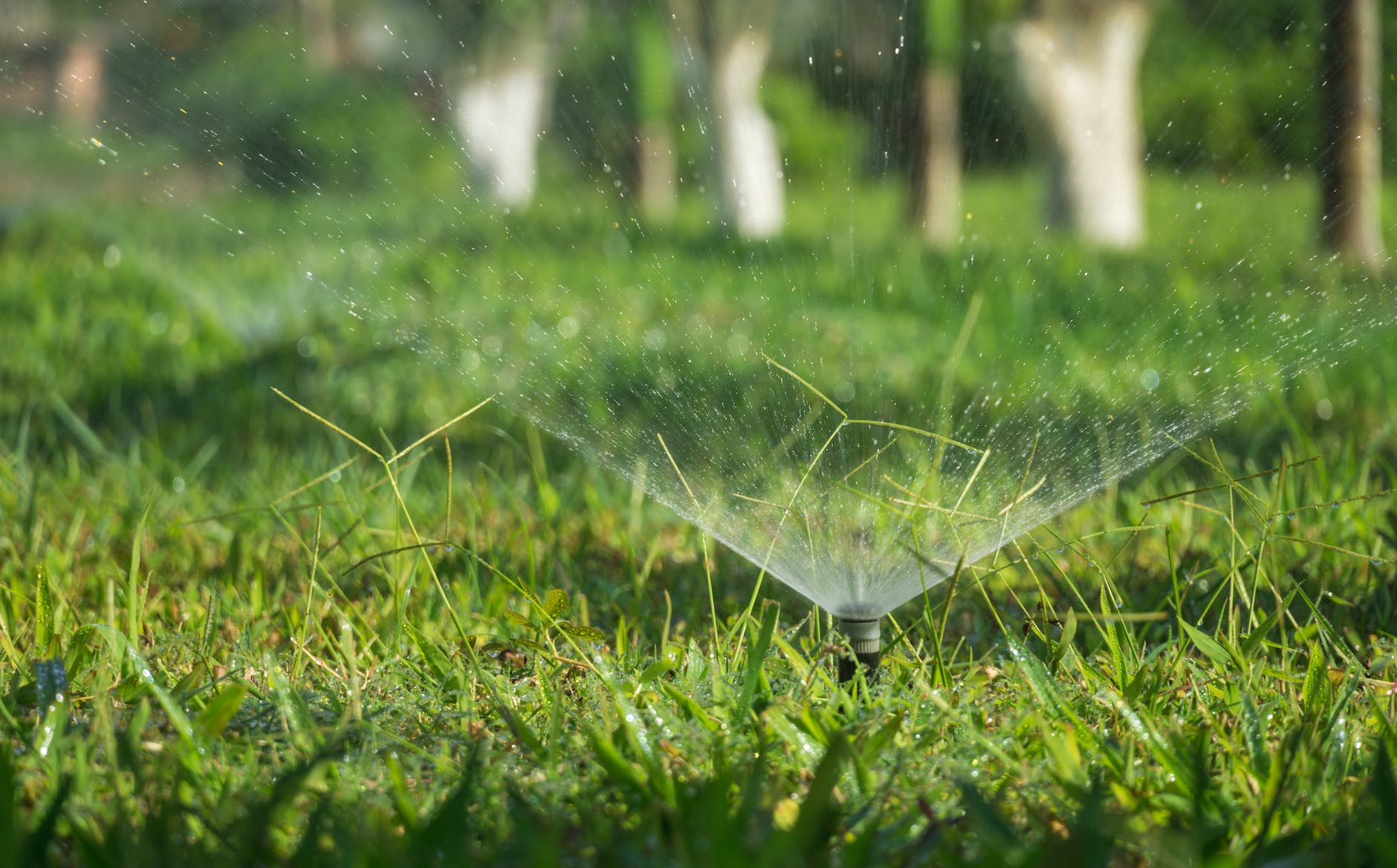
Photo by Q. Hu01b0ng Phu1ea1m on Pexels.com

Maintaining a healthy and vibrant lawn requires a well-functioning sprinkler system. However, when an unexpected storm arrives overnight, it can be a hassle to wake up and manually shut off the sprinklers. This is where rain sensors come to the rescue. Rain sensors are intelligent devices that automatically detect precipitation and prevent your sprinkler system from needlessly watering during rainy periods. In this post, we will explore the benefits of rain sensors and how they can save you time, water, and money.

  1. Water Conservation: One of the significant advantages of rain sensors is their ability to conserve water. Water is a valuable resource, and using it efficiently is crucial. Rain sensors detect the moisture levels in the environment and activate when rain is detected. By automatically shutting off your sprinklers during rainfall, rain sensors prevent overwatering and unnecessary water wastage. This not only helps to preserve water but also promotes environmentally friendly practices by reducing your water footprint.
  2. Cost Savings: With a rain sensor integrated into your sprinkler system, you can expect substantial cost savings. By avoiding watering during rainy periods, you reduce your water bill. Additionally, rain sensors help prevent water damage by ensuring that your lawn isn’t overly saturated. Excessive watering can lead to soil erosion, plant diseases, and increased maintenance costs. By using a rain sensor, you eliminate these risks and protect your investment in landscaping, ultimately saving you money in the long run.
  3. Convenience and Time-Saving: Manually turning off your sprinklers during a sudden downpour can be inconvenient, especially when it occurs in the middle of the night. Rain sensors eliminate the need for such interventions. Once rain is detected, the rain sensor sends a signal to your sprinkler system to halt irrigation, ensuring that you don’t have to worry about waking up or interrupting your daily routine. This hands-off approach allows you to focus on other priorities while your lawn receives the optimal amount of water.
  4. Preserving Plant Health: Overwatering can have detrimental effects on your lawn and landscape plants. Too much water can suffocate the roots, promote the growth of fungus, and make plants more susceptible to diseases. Rain sensors help maintain an ideal moisture balance in your lawn by preventing excessive watering during rainy periods. By avoiding overwatering, rain sensors contribute to the overall health and longevity of your plants, ensuring lush and vibrant greenery.
  5. Easy Installation and Compatibility: Rain sensors are designed to be user-friendly and easy to install. They can be easily integrated into existing sprinkler systems or included during the installation of a new system. Rain sensors are compatible with a wide range of sprinkler controllers, making them a versatile choice for any setup. With their straightforward installation process, you can quickly start enjoying the benefits of a rain sensor in no time.

As an Amazon Associate, I earn on qualifying purchases.