5 Easy Tips for Cleaning Wooden Blinds Without Damaging Them

Wooden blinds bring warmth, texture, and timeless charm to any room. But when it comes to cleaning them? Let’s just say… it’s easy to put it off. Dust settles, grime builds, and suddenly those beautiful blinds are looking a little dull.

The good news? You don’t need fancy tools or harsh chemicals to bring them back to life. Just a little care—and the right technique.

Here are five easy, effective tips for cleaning wooden blinds while keeping them in great shape:

1. Dust Regularly With a Microfiber Cloth or Duster

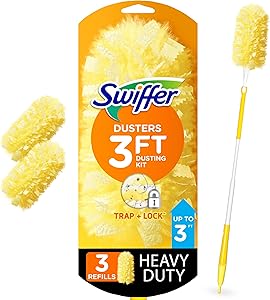
Keeping up with dust prevents buildup and makes deep cleaning easier. Close the blinds and run a dry microfiber cloth or duster along each slat, then flip and repeat on the other side. A clean, dry sock over your hand works great too!

Work top to bottom to keep dust from falling on slats you’ve already cleaned.

2. Use a Vacuum With a Brush Attachment

If it’s been a while, a vacuum with a soft brush attachment can gently lift dust without spreading it around. Be gentle—wood can scratch easily!

Avoid using high suction or stiff bristles—these can damage the finish.

3. Damp Wipe for Stubborn Dirt

If dusting isn’t enough, lightly dampen a cloth with water and a tiny drop of mild dish soap. Wipe gently, then dry immediately with a soft towel.

Never soak wood blinds or let water sit—moisture can warp or stain the wood.

4. Tackle Sticky Spots With Care

Have spots near the kitchen? Grease and residue can collect over time. Use a damp cloth with vinegar diluted in water (50/50) for sticky areas—then dry right away.

Always test a small area first to ensure the solution doesn’t dull the finish.

5. Polish Occasionally for a Natural Shine

Want to keep your wooden blinds looking new? Use a wood-safe furniture polish or conditioner occasionally to restore shine and protect from drying out.

Avoid using polish every time you clean—once every few months is enough.

Consistency Matters

The best way to keep wooden blinds looking their best is regular care. A quick dust once a week keeps the grime away and saves you from bigger cleaning jobs later.

https://amzn.to/45x3ySW

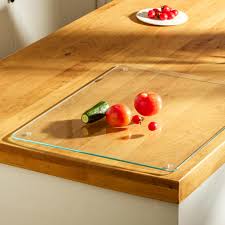
Maybe It’s Time to Switch to Glass Cutting Boards

We all have that one trusty cutting board—scratched, stained, slightly warped, and probably older than your dog. But what if it’s time for an upgrade? Specifically, what if it’s time to make the switch to glass cutting boards?

Yes, glass. Sleek, shiny, suspiciously clean-looking. Let’s cut into the pros, cons, and quirks of this unexpected kitchen upgrade.

🧼 The Hygiene Hero

Glass cutting boards are non-porous. Translation: They don’t soak up meat juices, onion smells, or the ghost of garlic past. A quick wash and they’re good as new—no stains, no lingering bacteria. For the cleanliness-obsessed, that’s a major win.

✨ Stylish and Modern

Let’s be honest—glass cutting boards just look cool. They’re like the kitchen equivalent of wearing sunglasses indoors. Available in all sorts of patterns and colors, they can actually match your kitchen décor… or your mood.

🔪 The Knife Controversy

Here’s the catch: glass is tough on knives. Like, really tough. If you’re the proud owner of an expensive chef’s knife, you might want to keep your old wooden board around for delicate slicing and dicing. Think of your glass board as the “backup dancer”—there when you need it, not always center stage.

☕ Multi-Purpose Marvel

Use it as a cheese board, a trivet for hot pans, or even a serving platter for snacks. Glass cutting boards moonlight as kitchen multitaskers. They’re the overachievers of the countertop world.

👂 Unexpected Bonus: ASMR Vibes?

The sound of chopping on glass is oddly satisfying to some and borderline annoying to others. You’ll either feel like you’re starring in your own cooking show… or like you’re rehearsing a tap dance with your knife.

Is switching to a glass cutting board right for everyone? Maybe not. But if you’re looking for easy cleaning, durability, and a touch of kitchen glam, it might just be time to retire that old plastic slab and give glass a try.

Just maybe don’t throw away your favorite knife sharpener while you’re at it

https://amzn.to/45WGj4D

What Is a GFCI Outlet?

GFCI stands for Ground Fault Circuit Interrupter. It’s a type of electrical outlet designed to protect you from getting shocked by detecting when electricity is flowing in an unsafe way—like through water, or even through you.

If it senses that current is escaping the normal electrical path, it shuts off the power in a fraction of a second.

Why Are GFCI Outlets Important?

Because water and electricity don’t mix. GFCI outlets are life-saving devices commonly installed in areas where moisture is present, such as:

  • Bathrooms
  • Kitchens
  • Laundry rooms
  • Garages
  • Outdoor outlets
  • Basements

These outlets reduce the risk of electric shock, electrical fires, and even fatal electrocution.

Do You Need GFCI Outlets?

Yes, and in many cases, it’s required by building code. If your home doesn’t have GFCI outlets in the right places—especially near water—it’s a smart upgrade. They’re not expensive, and any licensed electrician can install them quickly.

Even older homes can be updated with GFCI outlets to meet modern safety standards.

How to Know If Yours Are Working

Every GFCI outlet has a “test” and “reset” button. You should:

  1. Press the “test” button — the power should cut off.
  2. Press the “reset” button — the power should come back on.

If it doesn’t respond, it might be time to replace it.

GFCI outlets may not be the most exciting part of home maintenance, but they’re one of the most important when it comes to keeping your family safe. A small upgrade can prevent a major tragedy.

When it comes to electricity, a little prevention goes a long way.

GFCI Adapter Outlet

  • Features: Adds GFCI protection to standard outlets, easy installation.
  • Ideal For: Temporary setups or areas without built-in GFCI.
  • https://amzn.to/3ZkFvCK

Why Tower Fans Are a Summer Must-Have for Your Home

When the summer heat rolls in, keeping your home cool and comfortable becomes a top priority. While air conditioning is great, it can be expensive to run all day long—and sometimes you just want a simple, efficient way to stay cool without cranking up your energy bill. That’s where tower fans come in.

What Makes Tower Fans Perfect for Summer?

1. Space-Saving Design
Tower fans are slim and sleek, making them perfect for rooms where floor space is limited. Unlike bulky box fans or pedestal fans, tower fans fit neatly into corners or tight spots without getting in the way.

2. Powerful Airflow with Quiet Operation
Don’t be fooled by their size—tower fans deliver strong, consistent airflow that helps circulate cool air throughout the room. Plus, most models run quietly, so you can sleep, work, or relax without the distracting hum of a traditional fan.

3. Multiple Speed and Mode Settings
From gentle breezes to high-powered cooling, tower fans usually come with adjustable speed settings and modes like “natural wind” or “sleep mode.” This customization lets you tailor your cooling experience to your exact needs.

4. Energy Efficient
Compared to running central air conditioning, tower fans use a fraction of the electricity. They’re an eco-friendly way to cool a room without breaking the bank on energy bills.

5. Convenient Features
Many tower fans come with remote controls, timers, and oscillation features, giving you easy control from anywhere in the room. You can set it to turn off after you fall asleep or direct the airflow exactly where you need it.

How I Use Tower Fans in My Home

I keep a tower fan in the living room, bedroom, and even the kitchen. They help keep the air moving, reduce stuffiness, and make those hot summer evenings much more comfortable. Sometimes I use them alongside the AC to lower the thermostat setting, saving energy without sacrificing comfort.

https://amzn.to/44NA16Z

a bladeless tower fan that’s quiet, powerful, and stylish enough to leave out when guests come over.

https://amzn.to/4kpyM2h

Dreo’s all-in-one airflow system combines with a supercharged electric motor, delivering high-speed, refreshing winds. This 36-inch compact tower fan enlivens every inch of air in your living space fast at up to 25ft/s.

https://amzn.to/44TrSOB

Tower Fan for Bedroom, Quiet Cooling Desk Fan with Remote

The Humble Step Stool

It’s not glamorous. It doesn’t require charging. It doesn’t even have Wi-Fi. But the step stool? It just might be one of the most useful tools in your entire home.

From reaching that top shelf in the pantry to helping little ones brush their teeth at the sink, a good step stool is the kind of household essential you don’t realize you need—until you need it.

Small But Mighty: Everyday Uses for a Step Stool

1. Reaching Higher (Safely!)
No more wobbling on chairs or balancing on your tiptoes. A sturdy step stool keeps you safe while accessing top cabinets, changing lightbulbs, or hanging decorations.

2. Kitchen Helper
Whether you’re grabbing a baking dish from the top shelf or involving kids in cooking, a step stool brings everything down to a safer, reachable level.

3. Bathroom Boost
For kids learning independence, a step stool helps them wash hands, brush teeth, or even help put laundry away—all while feeling capable and grown-up.

4. Closet Climber
Need to grab seasonal clothes from the top shelf or stow away those bulky comforters? A step stool makes the job easier (and quicker).

5. Home Projects
Whether you’re painting a wall, dusting a ceiling fan, or installing curtains, a step stool gives you just the right height—without the bulk of a ladder.

Tips for Choosing the Right One

  • Look for stability – Rubber feet, a wide base, and solid construction are key.
  • Consider portability – A foldable or lightweight design makes it easy to move and store.
  • Think multi-use – Some stools double as seats, storage, or even plant stands!

A Small Tool That Lifts You Up (Literally)

Sometimes it’s the simplest things that make the biggest difference. A step stool won’t change your life—but it sure makes life easier. And safer. And a little more within reach.

So if you don’t already have one (or two), it might be time to step up your home game—literally.

https://amzn.to/3FgFLf6
https://amzn.to/4jl75ag

Clean Tools = Cleaner Results: Why Your Cleaning Supplies Matter

It’s easy to overlook, but the key to a truly clean home isn’t just how you clean—it’s what you clean with. If your tools are dirty, you’re not doing yourself any favors. In fact, you might be spreading grime around instead of picking it up.

A Dirty Mop Isn’t Helping

Mops that are soaked with old dirt and grime don’t absorb well. Instead of lifting dirt from your floors, they leave behind a streaky residue—and possibly even odor. Always rinse your mop thoroughly after each use, and let it dry completely to prevent mildew.

Your Vacuum Needs Some TLC Too

When your vacuum is full of dust or the filter is clogged, suction power drops significantly. That means dirt gets left behind—especially in carpets and tight corners. Empty the bin or bag regularly, and clean or replace filters as recommended by the manufacturer.

Dusters Shouldn’t Scratch

Dusters and microfiber cloths are great at trapping dust, but if they’re already loaded with debris, they can actually scratch surfaces—especially delicate ones like glass or wood. Wash them after use so they’re ready and safe for the next cleaning round.

Make It a Habit

The best way to make sure your tools stay in top shape? Clean them as soon as you finish using them. It only takes a few minutes and saves you time and frustration later.

Clean tools help you work smarter—not harder. So next time you grab your mop or vacuum, give it a quick check. A clean tool is a powerful one!

https://amzn.to/4lYlknY

When the Whole Family Pulls Together: Getting Projects Done (and Feeling Great About It)

There’s something special about everyone pitching in to tackle a project around the house. Whether it’s cleaning out the garage, sprucing up the yard, or giving a room a fresh coat of paint, when the whole family pulls together, amazing things happen—not just to the house, but to everyone’s spirit.

Why It’s So Great:

  • Teamwork builds pride. When everyone contributes, everyone feels proud of the results. It’s not just a cleaner house—it’s a family victory.
  • Life skills are learned. Kids (and sometimes even adults) learn how to paint, organize, garden, or fix things—skills that stay with them for life.
  • Memories are made. Projects often turn into moments of laughter, music blasting in the background, and maybe a few funny mishaps you’ll talk about for years.
  • It strengthens bonds. Working toward a common goal brings people closer. It’s about more than chores—it’s about teamwork and shared accomplishment.

How to Make It Fun:

  • Assign roles. Give everyone a job that matches their abilities or interests.
  • Make it a competition. Who can pull the most weeds or organize the most boxes?
  • Play music. A great playlist can turn work into a mini party.
  • Celebrate after. Pizza night, ice cream, or a family movie marathon is a perfect reward for a job well done.

When everyone chips in, the work gets done faster, and the feeling of accomplishment is even sweeter. Plus, it sends a powerful message: in this family, we show up for each other.

So the next time there’s a project looming, rally the crew. You’ll get a cleaner house—and an even stronger family.

7 Pro Tips for Shoveling Rock Without Breaking Your Back

Shoveling rock isn’t like moving soil or mulch—it’s heavier, tougher, and can quickly wear you out if you’re not prepared. Whether you’re spreading gravel for a path, filling a garden bed with river rock, or moving stones for a construction project, these tips will help you work smarter—not harder.

1. Choose the Right Shovel

Not all shovels are created equal. For rocks, go with a square-point shovel or a coal shovel. These have a flat edge, making it easier to scoop under the rocks and lift them efficiently. Avoid rounded shovels—they’re better suited for dirt.

2. Use a Wheelbarrow or Rock Sled

Don’t carry heavy loads any farther than you need to. Use a wheelbarrow to move rocks to their destination. For rough terrain or larger quantities, a plastic sled or heavy-duty tarp can help drag the load instead of lifting.

3. Wear the Right Gear

  • Gloves: Protect your hands from blisters and sharp edges.
  • Steel-toe boots: Keep your feet safe in case a rock falls.
  • Back support belt (optional): Helps prevent strain during repetitive lifting.

4. Loosen the Rock First

If the rocks are compacted or stuck together (especially if wet), use a rake or hoe to break them up before shoveling. This reduces strain and makes scooping easier.

5. Scoop Small Loads

It’s tempting to load up a huge shovel-full to get done faster—but resist the urge. Rocks are deceptively heavy, and you’ll tire quickly or risk injury. Small, manageable scoops are safer and more efficient over time.

6. Work in Short Bursts

Shoveling rock is physically demanding. Take breaks every 20–30 minutes, stay hydrated, and switch sides often to avoid muscle strain. Pace yourself—it’s a marathon, not a sprint.

7. Level and Rake as You Go

If you’re laying rock for landscaping, use a landscaping rake to spread it evenly as you dump. This prevents big piles and saves you from having to re-do areas later.

Rent Tools If Needed

For big jobs, consider renting a gravel scoop, mini skid steer, or rock-moving equipment from your local hardware or rental store. It can save hours of labor and a lot of wear on your body.

Shoveling rock doesn’t have to be back-breaking. With the right tools, technique, and mindset, it’s a manageable (and even satisfying) job that gets you one step closer to a beautiful or functional space.

https://amzn.to/4398quL

Jar Opener: A Simple Tool for Everyday Struggles

We’ve all been there—standing in the kitchen, ready to dive into that jar of pickles, salsa, or peanut butter. You twist, you turn, and you twist some more. You even try banging it on the counter, praying for some kind of miracle. But no, that stubborn jar refuses to budge. The frustration builds, and you wish you had someone around to help.

But wait—before you throw in the towel and admit defeat, there’s a simple solution that many overlook: a jar opener.

Why a Jar Opener is a Game Changer

It might sound simple, but a jar opener is one of those unsung kitchen heroes that can make life so much easier. It’s a tool that gets to the heart of the problem: grip and leverage. When you’re dealing with a tight, well-sealed jar, it’s not just about muscle—sometimes, it’s about having the right tool for the job.

The Benefits of Having a Jar Opener

  1. No More Struggling
    With a jar opener, there’s no need to bang the jar on the counter or try to use rubber bands or your sleeve for extra grip. These openers are designed to make twisting off tight lids effortless.
  2. Simple and Safe
    It’s an incredibly safe option—no need for excessive force, and definitely no need for risking injury by using knives, forks, or other makeshift methods to pry the lid open.
  3. Perfect for Anyone
    Whether you’re someone who loves to cook but has weaker hands, or you simply don’t want to deal with the hassle, a jar opener is a practical solution for all ages. It can be especially useful for seniors or anyone with arthritis or other hand mobility challenges.
  4. Compact and Affordable
    Jar openers are small, easy to store, and affordable. They’re an easy addition to your kitchen drawer, and they could be the difference between frustration and success when opening your favorite jar.

When You Need It Most

Imagine it’s late at night. You’re craving your favorite snack, but the jar refuses to open. No one’s home, and you’re about to give up. Then you remember: the jar opener sitting in your drawer, waiting to save the day.

Sometimes, we need help, even with the simplest things. A jar opener is one of those tools that just makes life easier. It’s small, efficient, and reliable—exactly what you need in your kitchen when that stubborn lid won’t budge.

The Takeaway

Next time you find yourself struggling with a jar and no one’s around to lend a hand, consider investing in a jar opener. It’s a simple, affordable addition to your kitchen that could save you time, energy, and plenty of frustration.

So, the next time you encounter a jar you can’t open, don’t worry—there’s a tool for that!

https://amzn.to/3YM3M4a

Elevating Your Space: Adding Texture and Design to Your Ceiling

When designing a room, we often focus on the walls, furniture, and flooring—leaving the ceiling as an afterthought. However, the ceiling is a blank canvas that offers a unique opportunity to elevate your space in a way that can transform an entire room. Adding texture and design to your ceiling can dramatically enhance the atmosphere, making it feel more inviting, luxurious, and thoughtfully designed.

1. Coffered Ceilings: A Classic Touch

A coffered ceiling is a timeless design element that adds depth and sophistication to any room. These ceilings consist of a series of recessed panels, which can be framed with wood, crown molding, or plaster. The depth created by the panels creates a sense of grandeur, and depending on the finish, coffered ceilings can complement both traditional and modern aesthetics. If you’re looking to add architectural interest, a coffered ceiling could be the perfect choice.

2. Textured Paint or Wallpaper

Textured paint can give your ceiling a unique look and feel. From subtle patterns to bold textures, the possibilities are endless. Adding a light stucco or sand texture can create depth, while a brushed pearl or metallic paint finish can add a touch of glamour. Alternatively, ceiling wallpaper with soft patterns, textures, or even bold designs can make a statement without being too overwhelming.

3. Wood Panels or Beams

Wood is a material that never goes out of style. Whether you opt for reclaimed wood panels, wood planks, or exposed beams, wood can create a cozy, rustic atmosphere. Installing beams across the ceiling can bring a natural, earthy feel to a room, and reclaimed wood adds character with its history. Alternatively, tongue-and-groove wood panels can offer a sleek, contemporary look, enhancing the sense of warmth and comfort.

4. Tray Ceilings: Subtle Yet Elegant

A tray ceiling features a raised central section that adds depth and elegance to a room. It’s a more subtle alternative to the coffered ceiling and is often complemented with crown molding or lighting. Tray ceilings are perfect for bedrooms, living rooms, or dining rooms, as they can make a space feel taller and airier. To further elevate the look, consider adding an accent color or subtle lighting along the edges.

5. Exposed Brick or Stone

For those who appreciate the industrial or rustic aesthetic, exposed brick or stone on the ceiling is a bold design move. This textured ceiling treatment adds instant character and creates a cozy, warm feeling that is ideal for urban lofts, kitchens, or even bedrooms. Exposed brick can also add charm and texture to a room while blending seamlessly with modern or vintage décor.

The ceiling is one of the most overlooked design elements in a room, but with the right textures and finishes, it can transform a space into something extraordinary.