Keep Your Couch Looking Luxe – The Power of a Good Leather Conditioner

There’s something timeless and inviting about a leather couch. It adds warmth, character, and a touch of elegance to any living room. But leather, like skin, needs care to stay supple, rich, and free from cracking. That’s where a good leather conditioner comes in—and if you’re not using one regularly, your couch could be aging faster than it should.

I’ve made conditioning my couch a part of my seasonal cleaning routine. It’s a small habit that makes a big difference. Over the years, I’ve tried different conditioners, but the key has always been consistency and technique. Want to know my secret tool? A paintbrush.

Yes, a simple paintbrush.

Using a paintbrush helps me get into the creases and seams with precision, ensuring every inch of leather gets the hydration it needs. I dip the brush into the conditioner, apply a thin, even layer across the surface, then let it soak in before buffing it out with a soft cloth. It’s strangely satisfying, almost like a mini spa day for my couch.

Not only does conditioning help preserve the leather, but it also revives its appearance. A well-conditioned couch looks rich and smooth—and let’s be honest, it just feels better to sit on.

🛋️ Top Leather Conditioners for Couches:

Leather Honey Leather Conditioner

  • Deep conditioning formula.
  • Non-toxic, water-repellent, and lasts up to six months.
  • Great for all types of leather (except suede).
  • https://amzn.to/4dkE4Kf

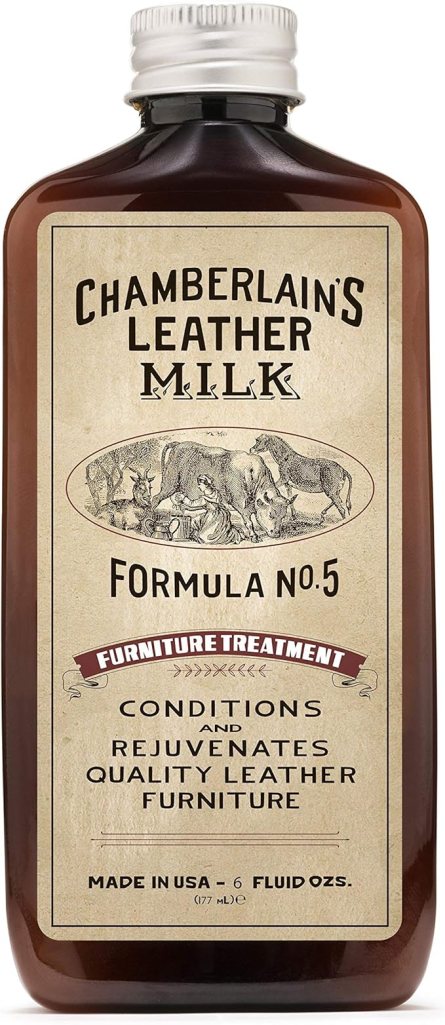
    Chamberlain’s Leather Milk Conditioner

    • Includes natural oils and gentle cleansing agents.
    • Safe for furniture, bags, and even leather car seats.
    • Leaves leather soft without a sticky residue.
    • https://amzn.to/4k5hVBM

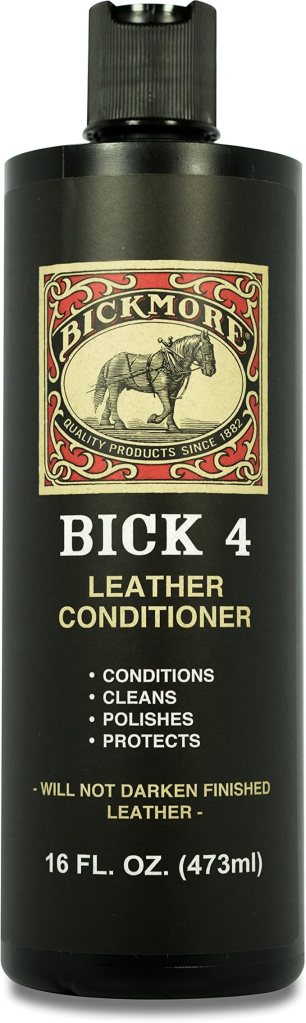
    Bickmore Bick 4 Leather Conditioner

    • Does not darken leather.
    • Popular among leather furniture and boot owners.
    • Cleans, conditions, polishes, and protects in one.
    • https://amzn.to/3GOrUgu

    Weiman Leather Conditioner and Cleaner

    • Cleans and conditions in one step.
    • Restores suppleness and sheen.
    • Affordable and widely available in stores.
    • https://amzn.to/4dedG4L

    *Always test in a small area first!

    Why You Should Be Using a Squeegee for Your Shower Doors

    If you’re tired of soap scum, water spots, and endless scrubbing, there’s a simple solution: a squeegee. This small tool can make a big difference in keeping your shower doors clean and sparkling—without the need for harsh chemicals or exhausting elbow grease.

    The Benefits of Using a Squeegee

    1. Prevents Buildup:
    Hard water stains and soap residue accumulate quickly on glass shower doors. A quick swipe with a squeegee after every shower stops that buildup before it starts, saving you time and energy in the long run.

    2. Keeps Your Bathroom Looking Clean:
    Clear, streak-free glass makes the entire bathroom feel fresher and more inviting. Using a squeegee regularly means you won’t be caught off guard when guests stop by.

    3. Extends the Life of Your Shower Doors:
    Water and mineral deposits can gradually damage the glass and metal framing. A simple daily squeegee routine helps preserve the integrity and appearance of your shower over time.

    4. Saves Money on Cleaning Products:
    Regular maintenance with a squeegee can reduce how often you need to use expensive specialty cleaners or schedule deep cleans.

    How to Use a Shower Squeegee

    It’s easy—just start at the top corner and pull the squeegee down in straight vertical strokes, wiping the blade with a towel after each pass. It takes less than a minute but makes a big difference.

    Pro Tip: Keep It Handy

    Install a hook or suction holder in the shower to make your squeegee easily accessible. If it’s within reach, you’re more likely to use it every day.

    https://amzn.to/3EJWzuZ

    Creating a Dedicated Hobby Space at Home: Why It Matters

    In our busy, multi-tasking lives, it’s easy to lose sight of the activities that bring us joy. But having a dedicated space in your home for your hobby—whether it’s painting, crafting, writing, building models, or playing music—can be a game-changer for your mental health, creativity, and personal fulfillment.

    Why a Hobby Space Matters

    1. It’s a Mental Reset A designated space signals to your brain that it’s time to switch gears. Even if you’re only able to spend 15-30 minutes a day on your hobby, it creates a mental break from work, chores, and screens.

    2. It Encourages Consistency When your supplies are organized and your space is ready, you’re more likely to actually do your hobby. The less effort it takes to start, the more often you’ll enjoy it.

    3. It Sparks Creativity Having a dedicated corner for your passion allows ideas to grow. Whether it’s a wall for inspiration, bins for tools, or a desk for creating—your space becomes a place for exploration and progress.

    4. It Offers Personal Space We all need a little breathing room. A hobby space becomes your own nook for reflection, focus, or just doing something purely because you love it.

    Tips for Creating Your Space

    • Start small – even a corner or a closet can work.
    • Use vertical space for storage—hooks, shelves, and pegboards are great.
    • Make it comfortable with good lighting, a supportive chair, and calming decor.
    • Keep it organized so you’re always ready to dive in.

    A hobby space isn’t just a luxury—it’s a tool for better living. Give yourself permission to carve out a little spot that’s just for you and your passion. It might be the most productive “non-work” thing you do all week.

    Clean Tools = Cleaner Results: Why Your Cleaning Supplies Matter

    It’s easy to overlook, but the key to a truly clean home isn’t just how you clean—it’s what you clean with. If your tools are dirty, you’re not doing yourself any favors. In fact, you might be spreading grime around instead of picking it up.

    A Dirty Mop Isn’t Helping

    Mops that are soaked with old dirt and grime don’t absorb well. Instead of lifting dirt from your floors, they leave behind a streaky residue—and possibly even odor. Always rinse your mop thoroughly after each use, and let it dry completely to prevent mildew.

    Your Vacuum Needs Some TLC Too

    When your vacuum is full of dust or the filter is clogged, suction power drops significantly. That means dirt gets left behind—especially in carpets and tight corners. Empty the bin or bag regularly, and clean or replace filters as recommended by the manufacturer.

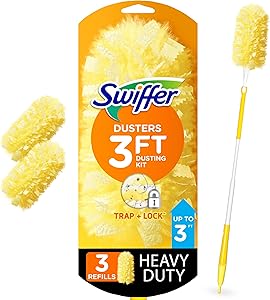
    Dusters Shouldn’t Scratch

    Dusters and microfiber cloths are great at trapping dust, but if they’re already loaded with debris, they can actually scratch surfaces—especially delicate ones like glass or wood. Wash them after use so they’re ready and safe for the next cleaning round.

    Make It a Habit

    The best way to make sure your tools stay in top shape? Clean them as soon as you finish using them. It only takes a few minutes and saves you time and frustration later.

    Clean tools help you work smarter—not harder. So next time you grab your mop or vacuum, give it a quick check. A clean tool is a powerful one!

    https://amzn.to/4lYlknY

    When the Whole Family Pulls Together: Getting Projects Done (and Feeling Great About It)

    There’s something special about everyone pitching in to tackle a project around the house. Whether it’s cleaning out the garage, sprucing up the yard, or giving a room a fresh coat of paint, when the whole family pulls together, amazing things happen—not just to the house, but to everyone’s spirit.

    Why It’s So Great:

    • Teamwork builds pride. When everyone contributes, everyone feels proud of the results. It’s not just a cleaner house—it’s a family victory.
    • Life skills are learned. Kids (and sometimes even adults) learn how to paint, organize, garden, or fix things—skills that stay with them for life.
    • Memories are made. Projects often turn into moments of laughter, music blasting in the background, and maybe a few funny mishaps you’ll talk about for years.
    • It strengthens bonds. Working toward a common goal brings people closer. It’s about more than chores—it’s about teamwork and shared accomplishment.

    How to Make It Fun:

    • Assign roles. Give everyone a job that matches their abilities or interests.
    • Make it a competition. Who can pull the most weeds or organize the most boxes?
    • Play music. A great playlist can turn work into a mini party.
    • Celebrate after. Pizza night, ice cream, or a family movie marathon is a perfect reward for a job well done.

    When everyone chips in, the work gets done faster, and the feeling of accomplishment is even sweeter. Plus, it sends a powerful message: in this family, we show up for each other.

    So the next time there’s a project looming, rally the crew. You’ll get a cleaner house—and an even stronger family.

    7 Pro Tips for Shoveling Rock Without Breaking Your Back

    Shoveling rock isn’t like moving soil or mulch—it’s heavier, tougher, and can quickly wear you out if you’re not prepared. Whether you’re spreading gravel for a path, filling a garden bed with river rock, or moving stones for a construction project, these tips will help you work smarter—not harder.

    1. Choose the Right Shovel

    Not all shovels are created equal. For rocks, go with a square-point shovel or a coal shovel. These have a flat edge, making it easier to scoop under the rocks and lift them efficiently. Avoid rounded shovels—they’re better suited for dirt.

    2. Use a Wheelbarrow or Rock Sled

    Don’t carry heavy loads any farther than you need to. Use a wheelbarrow to move rocks to their destination. For rough terrain or larger quantities, a plastic sled or heavy-duty tarp can help drag the load instead of lifting.

    3. Wear the Right Gear

    • Gloves: Protect your hands from blisters and sharp edges.
    • Steel-toe boots: Keep your feet safe in case a rock falls.
    • Back support belt (optional): Helps prevent strain during repetitive lifting.

    4. Loosen the Rock First

    If the rocks are compacted or stuck together (especially if wet), use a rake or hoe to break them up before shoveling. This reduces strain and makes scooping easier.

    5. Scoop Small Loads

    It’s tempting to load up a huge shovel-full to get done faster—but resist the urge. Rocks are deceptively heavy, and you’ll tire quickly or risk injury. Small, manageable scoops are safer and more efficient over time.

    6. Work in Short Bursts

    Shoveling rock is physically demanding. Take breaks every 20–30 minutes, stay hydrated, and switch sides often to avoid muscle strain. Pace yourself—it’s a marathon, not a sprint.

    7. Level and Rake as You Go

    If you’re laying rock for landscaping, use a landscaping rake to spread it evenly as you dump. This prevents big piles and saves you from having to re-do areas later.

    Rent Tools If Needed

    For big jobs, consider renting a gravel scoop, mini skid steer, or rock-moving equipment from your local hardware or rental store. It can save hours of labor and a lot of wear on your body.

    Shoveling rock doesn’t have to be back-breaking. With the right tools, technique, and mindset, it’s a manageable (and even satisfying) job that gets you one step closer to a beautiful or functional space.

    https://amzn.to/4398quL

    Elevating Your Space: Adding Texture and Design to Your Ceiling

    When designing a room, we often focus on the walls, furniture, and flooring—leaving the ceiling as an afterthought. However, the ceiling is a blank canvas that offers a unique opportunity to elevate your space in a way that can transform an entire room. Adding texture and design to your ceiling can dramatically enhance the atmosphere, making it feel more inviting, luxurious, and thoughtfully designed.

    1. Coffered Ceilings: A Classic Touch

    A coffered ceiling is a timeless design element that adds depth and sophistication to any room. These ceilings consist of a series of recessed panels, which can be framed with wood, crown molding, or plaster. The depth created by the panels creates a sense of grandeur, and depending on the finish, coffered ceilings can complement both traditional and modern aesthetics. If you’re looking to add architectural interest, a coffered ceiling could be the perfect choice.

    2. Textured Paint or Wallpaper

    Textured paint can give your ceiling a unique look and feel. From subtle patterns to bold textures, the possibilities are endless. Adding a light stucco or sand texture can create depth, while a brushed pearl or metallic paint finish can add a touch of glamour. Alternatively, ceiling wallpaper with soft patterns, textures, or even bold designs can make a statement without being too overwhelming.

    3. Wood Panels or Beams

    Wood is a material that never goes out of style. Whether you opt for reclaimed wood panels, wood planks, or exposed beams, wood can create a cozy, rustic atmosphere. Installing beams across the ceiling can bring a natural, earthy feel to a room, and reclaimed wood adds character with its history. Alternatively, tongue-and-groove wood panels can offer a sleek, contemporary look, enhancing the sense of warmth and comfort.

    4. Tray Ceilings: Subtle Yet Elegant

    A tray ceiling features a raised central section that adds depth and elegance to a room. It’s a more subtle alternative to the coffered ceiling and is often complemented with crown molding or lighting. Tray ceilings are perfect for bedrooms, living rooms, or dining rooms, as they can make a space feel taller and airier. To further elevate the look, consider adding an accent color or subtle lighting along the edges.

    5. Exposed Brick or Stone

    For those who appreciate the industrial or rustic aesthetic, exposed brick or stone on the ceiling is a bold design move. This textured ceiling treatment adds instant character and creates a cozy, warm feeling that is ideal for urban lofts, kitchens, or even bedrooms. Exposed brick can also add charm and texture to a room while blending seamlessly with modern or vintage décor.

    The ceiling is one of the most overlooked design elements in a room, but with the right textures and finishes, it can transform a space into something extraordinary.

    Hearth or No Hearth: Making the Right Choice for Your Stone Fireplace

    A stone fireplace is often seen as a centerpiece of the home, offering warmth, beauty, and a welcoming atmosphere. One of the most important design choices you will face when it comes to your fireplace is whether to add a hearth or not. While the hearth has been a traditional feature of fireplaces for centuries, there are pros and cons to consider before deciding if it’s the right choice for your stone fireplace.

    What is a Hearth?

    A hearth is the floor space directly in front of the fireplace, typically made of non-combustible materials such as stone, brick, or tile. Historically, it served as a safety feature, protecting the floor from sparks, ash, and heat. Over time, it has become a decorative element, as well as an extension of the fireplace’s design.

    The Benefits of Adding a Hearth

    1. Aesthetic Appeal: A well-designed hearth can enhance the look of your stone fireplace and create a more traditional, cozy atmosphere. The hearth acts as a grounding focal point that can complement your décor.
    2. Safety: Especially for wood-burning fireplaces, a hearth helps prevent sparks or embers from damaging the flooring. This added layer of protection can give you peace of mind.
    3. Functionality: A hearth can provide additional space for placing firewood or decorative items like candles and plants. Some homeowners also use the hearth as a seating area, particularly with raised hearths.
    4. Increased Value: Adding a hearth can be an attractive feature for potential homebuyers. Many people associate a hearth with a more functional and aesthetically pleasing fireplace.

    Why You Might Skip the Hearth

    1. Modern Style: If you’re looking for a sleek, minimalist look, forgoing a hearth might be a good decision. A hearth-free fireplace, particularly one made of natural stone, can create a clean, streamlined appearance.
    2. Space Considerations: In smaller spaces, a hearth can take up valuable floor space. If you’re looking to maximize your living area, skipping the hearth can help maintain a sense of openness.
    3. Maintenance: Without a hearth, you eliminate an area that collects ash, soot, and debris. For those who prefer a more low-maintenance space, this can be a practical reason to forgo the hearth altogether.
    4. Cost: Installing a hearth can add to the cost of the fireplace project. If you’re on a budget or prefer a more straightforward design, you might decide that the hearth is an unnecessary expense.

    How to Decide

    Ultimately, whether or not to include a hearth in your stone fireplace design depends on your personal preferences and how you plan to use the space. If you value the safety and functionality of a traditional hearth or want a more classic, warm look, adding one could be the right choice. However, if you lean toward a modern aesthetic or want to maximize your floor space, skipping the hearth could be the best option.

    Your stone fireplace can be both beautiful and functional with or without a hearth. It’s all about your lifestyle, design goals, and what fits best within the room. Whether you add a hearth for warmth, safety, or style—or choose to keep things simple—you can be confident that your stone fireplace will continue to be a stunning focal point in your home.

    Spring Cleaning Spotlight: Don’t Skip the Tile, Grout, and Windowsills

    Spring is the perfect time to refresh your space and bring in the light—and while many of us remember to dust the shelves and swap out winter clothes, there are three often-overlooked areas that deserve some seasonal attention: tile, grout, and windowsills.

    Tile: Shine It Up

    Tile might look clean at a glance, but soap scum, water spots, and general buildup can dull its sparkle over time. Whether it’s in your kitchen backsplash or bathroom floor, give your tile a proper scrub this spring. A mix of warm water, dish soap, and a splash of vinegar can work wonders. For a deep clean, consider a tile-safe degreaser or steam cleaner.

    Grout: Reclaim the White

    Grout seems to attract everything you don’t want—mildew, stains, and grime. You don’t need harsh chemicals to bring it back to life. A paste of baking soda and water applied with an old toothbrush, followed by a light spray of vinegar, can lift years of buildup. Rinse and admire your handiwork!

    Windowsills: Let the Sunshine In

    Windowsills quietly collect dust, dead bugs, and sometimes even mold—especially in those corners where condensation lingers. Wipe them down with an all-purpose cleaner or a mix of vinegar and water. If you have wooden sills, follow up with a light polish or wood conditioner to protect the surface.

    A Breath of Fresh Air

    Spring cleaning isn’t just about tidying up—it’s about creating a home that feels renewed. Taking time to tackle these less-obvious areas can bring surprising satisfaction and a true sense of cleanliness.

    So roll up your sleeves, open those windows, and let the fresh air (and light) flow freely again!

    https://amzn.to/4j5E96B

    How to Stop Your Cups from Tasting and Smelling Like Soap After a Dishwasher Cycle

    There’s nothing quite as off-putting as reaching for your favorite cup only to find it tastes or smells like soap, despite having just gone through the dishwasher. If you’ve noticed this problem with your dishes, you’re not alone! It’s a common issue, but the good news is that it’s usually fixable. Here are three simple steps to stop your cups from coming out of the dishwasher smelling and tasting like soap.

    1. Check Your Dishwasher Detergent

    The first thing to look at is the detergent you’re using. Too much detergent or a low-quality detergent can often leave residue on dishes, especially in the form of a soapy taste and smell. Here’s what to do:

    • Use the correct amount of detergent: Overusing detergent can lead to soap buildup, which ends up on your dishes. Check the detergent packaging for recommendations based on your water hardness.
    • Switch to a high-quality detergent: If you’re using a budget detergent, it might not rinse off as well, leaving residue behind. Consider switching to a high-quality brand or one that’s specially formulated for your dishwasher type.
    • Rinse aid: If your dishwasher doesn’t have a built-in rinse aid function, try using a rinse aid product. Rinse aid helps ensure that all detergent is washed away and leaves dishes sparkly clean without any soap residue.

    2. Clean Your Dishwasher Regularly

    Sometimes, the issue might not be with the detergent itself but with your dishwasher. If the machine is dirty or has soap buildup inside, it can transfer those smells and tastes onto your dishes. Here’s how to fix it:

    • Clean the dishwasher filter: Most dishwashers have a filter that can catch debris and food particles. Over time, this filter can get clogged and cause a buildup of grime. Remove and clean the filter regularly (about once a month) to keep things running smoothly.
    • Run a cleaning cycle: Many dishwashers have a dedicated cleaning cycle. Use this cycle with a dishwasher cleaner or white vinegar to remove mineral buildup, soap scum, and odors. Run the cycle with the dishwasher empty to give it a thorough cleanse.
    • Check for mold or mildew: If your dishwasher has a persistent odor, it might be caused by mold or mildew buildup, often found in hidden crevices. Wipe down the interior of the dishwasher with a vinegar solution or a specialized cleaner to eliminate any fungal growth.

    3. Use the Right Dishwasher Setting

    Not all dishwasher cycles are created equal. Sometimes, if you’re using a cycle that doesn’t get your dishes clean enough, detergent can be left behind, contributing to that soapy taste. Here’s what to do:

    • Choose a heavier cycle for tougher loads: If you’re washing cups that have stubborn residue, try using a more intensive cycle. It will give the detergent more time to break down food particles and soap, ensuring better rinse results.
    • Make sure the spray arms aren’t clogged: If the spray arms in your dishwasher aren’t rotating or spraying evenly, detergent can remain on your dishes. Regularly check that the spray arms are free from obstructions, such as food particles or mineral buildup.
    • Ensure proper water temperature: Hot water helps the detergent dissolve and rinse away properly. If your dishwasher isn’t heating the water to the correct temperature (usually between 120-150°F), it may not be rinsing thoroughly, leaving behind soap residue. If your dishwasher allows for temperature adjustment, make sure the setting is optimal.

    Bonus Tip: Wash Cups Separately

    If your cups are especially sensitive to soap residue, try washing them separately from dishes that are more likely to leave residue behind, like pans with grease. This will prevent soap buildup on the cups and keep them tasting and smelling fresh.

    It’s frustrating when your cups come out of the dishwasher with a soapy taste, but by adjusting your detergent use, keeping your dishwasher clean, and using the right settings, you can say goodbye to that unpleasant smell and taste. These simple fixes will ensure your cups—and all your dishes—come out perfectly clean and ready to use.

    Pro tip: If the problem persists after trying these steps, it could be worth checking your dishwasher’s performance or contacting a professional to ensure everything is functioning correctly.