The Smart Way to Use Ice Melt at Home (and Keep Your Walkways Safe)

Winter weather can turn sidewalks, driveways, and steps into slippery hazards in a matter of minutes. When ice forms, it’s easy to panic and spread a heavy layer of salt everywhere—but not all ice melt products are created equal, and overusing them can damage your concrete, landscaping, and even your pets.

Here’s a practical guide to using ice melt safely and effectively at home.

Why Ice Melt Matters

Ice melt isn’t just about convenience—it’s about safety. Slippery surfaces can lead to falls and injuries, especially on stairs and sloped walkways. Ice melt helps prevent accidents by melting the ice and creating traction so you can walk safely.

Choose the Right Ice Melt

Not all ice melt products work the same way. Here are the most common options:

  • Rock salt (sodium chloride): Cheap and effective down to about 15°F, but can damage concrete and harm plants and pets.
  • Calcium chloride: Works in colder temperatures (down to -25°F) and melts ice quickly, but can be more expensive.
  • Magnesium chloride: Gentler on concrete and plants, works well in colder weather, and is often pet-friendly.
  • Potassium chloride: Safer for plants and concrete, but less effective in very cold temperatures.

If you want the safest option for your home, magnesium chloride is often a great balance between effectiveness and gentleness.

How to Use Ice Melt Effectively

Using ice melt correctly is just as important as choosing the right product. Here’s the best way to apply it:

  1. Clear loose snow first. Ice melt works best on bare surfaces. Shovel or sweep away snow before applying.
  2. Apply a thin layer. More is not better. A thin, even layer is all you need.
  3. Give it time to work. Ice melt doesn’t always act instantly. Wait 10–15 minutes, then scrape or sweep the melted ice away.
  4. Reapply only if needed. If the ice remains, add a small second layer—don’t cover it in salt.

Protect Your Home and Yard

Ice melt can harm concrete, plants, and pets if overused. Here are some ways to protect what matters:

  • Avoid using rock salt on decorative concrete or new concrete (less than a year old).
  • Keep ice melt away from landscaping. Create a barrier or apply carefully near plants.
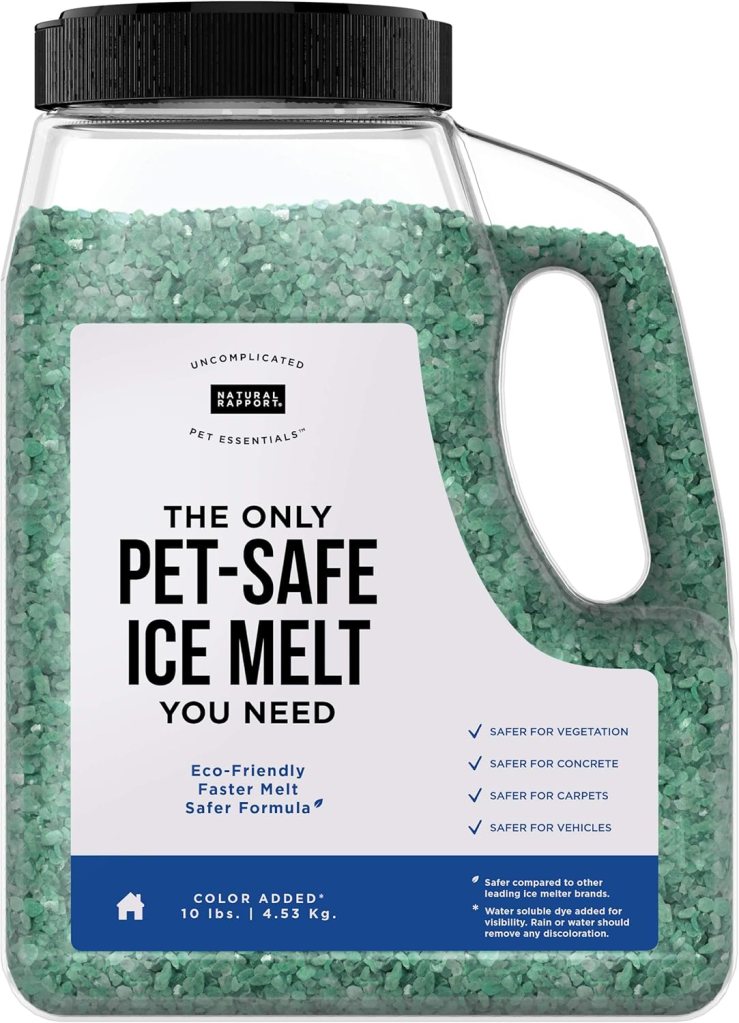
  • Use pet-safe ice melt if you have animals. Always wipe paws after walking outside.
  • Rinse walkways in the spring to remove leftover salt residue.

These won’t melt ice, but they provide grip so you don’t slip.

Ice melt is a simple tool, but using it smartly makes a big difference. Choose the right product, apply it correctly, and protect your concrete, plants, and pets. With the right approach, you can keep your home safe and walkable all winter long.

https://amzn.to/4qESLOd
SAFER FOR PETS – Made in the USA. Our proprietary, eco-friendly formula is safer for your pets, children, and carpet and tile when little feet or paws track some in the house. The safe deicing formula is easier on a pet paw and works better on ice.
WORKS FAST AND LAST 3X LONGER – Our fast-acting, “time release” formula lasts longer and helps prevent re-icing on your driveway, sidewalk or patio. The jug has up to 25% more ice melt than our competitors, so our 10 pound jug will last even longer.


A Simple Reminder: Clean Your Dryer Vents

It’s one of those home maintenance tasks that’s easy to forget—until it becomes a problem. Cleaning your dryer vents isn’t glamorous, but it’s important for safety, efficiency, and the longevity of your appliance.

If it’s been a while since you last checked yours, this is your reminder.

Why Dryer Vent Cleaning Matters

Over time, lint builds up inside dryer vents. While the lint trap catches some of it, a significant amount escapes into the vent system. That buildup restricts airflow, making your dryer work harder and less efficiently.

More importantly, lint is highly flammable. Clogged dryer vents are one of the leading causes of household fires, according to fire safety organizations. Regular cleaning significantly reduces that risk.

Signs Your Dryer Vent Needs Attention

Your dryer may already be giving you clues. If clothes are taking longer than usual to dry, the dryer feels unusually hot, or you notice a burning smell, restricted airflow could be the cause. Excess lint behind the dryer or at the exterior vent is another common warning sign.

Efficiency Saves Time and Money

A clean dryer vent helps your appliance run efficiently. When air flows freely, clothes dry faster, energy use decreases, and wear and tear on the dryer is reduced. Over time, this can extend the life of your dryer and lower utility bills.

How Often Should You Clean It?

For most households, cleaning the dryer vent at least once a year is recommended. Homes that do a lot of laundry—especially those with pets—may benefit from more frequent cleanings.

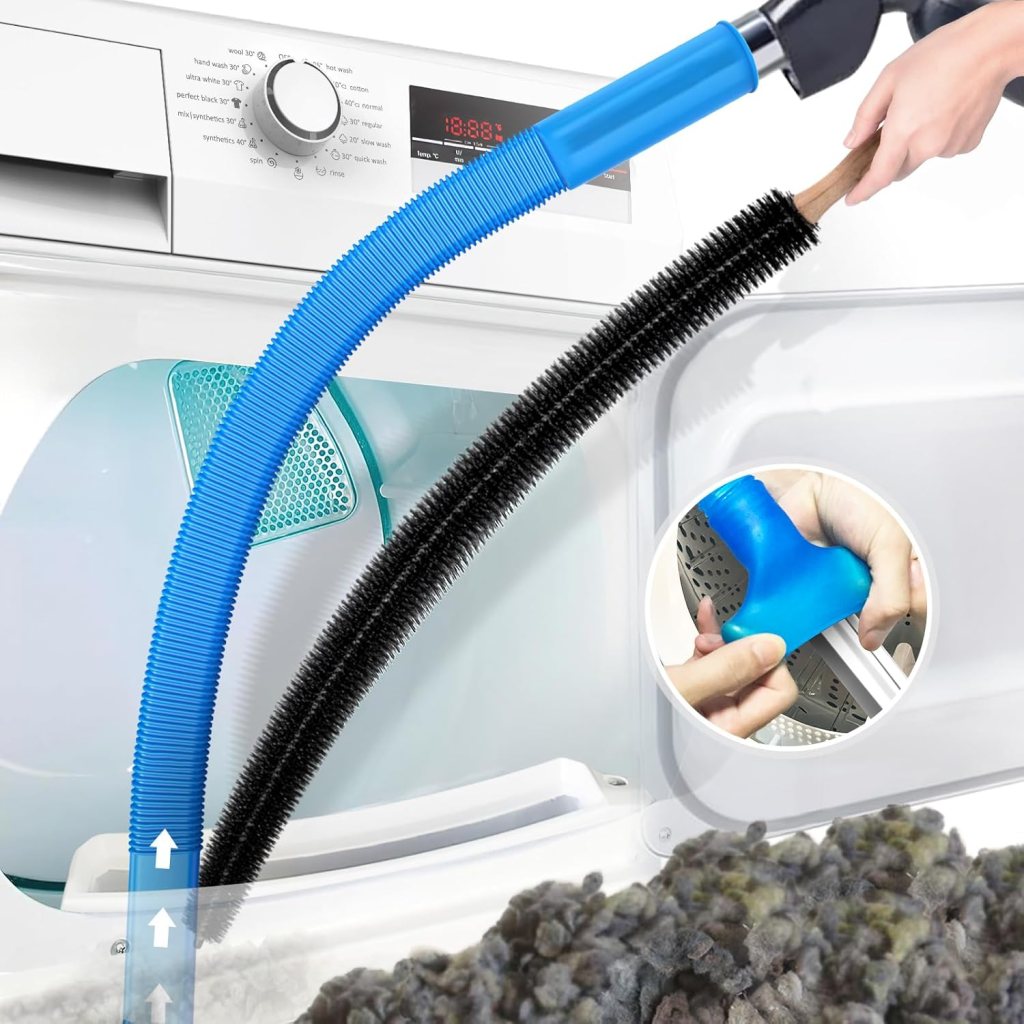
Some homeowners handle this themselves with vent cleaning kits, while others prefer to hire a professional. Either way, the key is not letting it slide year after year.

A Small Task With Big Impact

Homeownership is full of little responsibilities that don’t always feel urgent—until they are. Cleaning your dryer vent is a small task that delivers peace of mind, improved performance, and added safety.

Set a reminder, add it to your seasonal checklist, and take care of it before it becomes a bigger issue.

Because sometimes the simplest maintenance makes the biggest difference.

https://amzn.to/3ZuWuSh

PetOde 2 Pieces Dryer Vent Cleaner Kit Compatible with Most Vacuum Cleaner, Dryer Lint Brush and Vacuum Hose Attachment with Universal Connector, Quickly Lint Remover

Boosting Natural Light in Darker Months: Brighten Your Home All Winter Long

As the days grow shorter and the weather turns colder, our homes can start to feel a little darker and gloomier. The lack of natural sunlight can have a significant impact on our mood and overall well-being, but with a few clever tweaks, you can make the most of the daylight you do get and even make your space feel brighter and more inviting.

Here are some easy and effective ways to boost natural light indoors during the darker months:

1. Use Mirrors to Reflect Light

Mirrors are one of the simplest and most effective ways to amplify natural light in a room. By strategically placing mirrors opposite windows or in areas where light can bounce off them, you can create the illusion of more space and brightness. A large mirror or a group of smaller ones placed thoughtfully can reflect light into darker corners, making your home feel sunnier and more spacious.

Mirrors with light-colored frames or frameless mirrors will blend seamlessly with your décor while maximizing the reflective effect.

2. Opt for Light Curtains or Blinds

Heavy drapes or dark blinds may block out light, making a room feel even dimmer. Instead, choose light-colored or sheer curtains that allow more daylight to filter through. If you prefer blinds, go for ones in light, neutral shades. These subtle changes can make a world of difference in the amount of natural light entering a room.

Keep curtains open during the day to let as much light in as possible, and close them at night for warmth and privacy.

3. Use Light Colors for Walls and Furniture

Dark-colored walls and furniture can absorb light, making a room feel smaller and more cramped. Instead, opt for lighter shades such as whites, light grays, pastels, or off-whites to create a brighter, more open atmosphere. Light-colored furniture and accessories will reflect light rather than absorbing it, helping to brighten up the space.

If you’re not ready to repaint, start with smaller accents like throw pillows, rugs, and table lamps in light shades to add brightness.

4. Strategically Place Furniture

The way you arrange your furniture can make a big impact on how natural light flows throughout the room. Avoid blocking windows with large pieces of furniture, and instead, arrange seating or shelving near walls where light can bounce off. Open up the flow of the room to ensure that light doesn’t get trapped in corners.

Keep the space around windows as clear as possible to allow natural light to reach every corner of the room.

5. Maximize Natural Light in Your Entryway

If your entryway tends to be dark, consider installing a glass door, adding a transom window, or placing a mirror near the entrance. This will help draw natural light into your home as soon as you walk through the door.

Add a light-colored rug and an inviting piece of artwork to create an even brighter and more welcoming entryway.

6. Add Plants Near Windows

Not only do plants bring life and freshness to your home, but they can also help optimize light. Place them near windows to enhance your natural lighting while adding a natural, calming touch. Plus, plants can help purify the air, improving both the atmosphere and the light quality in your home.

Opt for low-maintenance plants like snake plants or succulents if you’re short on time.

By incorporating some of these strategies into your home, you can brighten up the space, enhance your mood, and make your home feel more vibrant, even when the days are short and the skies are overcast. Whether it’s with a mirror, lighter curtains, or a rearranged furniture layout, small adjustments can create big improvements in how you experience natural light indoors. Plus, who doesn’t love a bright, sunny home during the colder months?

Let the light in and enjoy the seasonal warmth—inside and out!

Why You Need an Ultra-Absorbent Doormat This Winter

Winter is coming—and with it, the inevitable snow, sleet, and rain. While winter weather can be beautiful, it can also be a nightmare for keeping your home clean and safe. One of the simplest and most effective solutions? An ultra-absorbent doormat. Here’s why it’s a must-have this season.

1. Keep Your Floors Dry and Safe

Slippery floors are a leading cause of accidents in the winter. Every time someone tracks in snow, ice, or rainwater, your floors become a hazard. An ultra-absorbent mat, like the Gorilla Grip HydroAbsorb, can soak up to 1.7 cups of water per entry, helping to prevent slips and falls while keeping your floors dry.

2. Protect Your Flooring from Damage

Water, mud, and grit can ruin hardwood, laminate, and tile flooring. Deep grooves and a water dam border on high-quality mats capture moisture and debris before they reach your floors, protecting your investment and reducing wear and tear over time.

3. Trap Dirt, Snow, and Debris

Winter means extra dirt and debris on shoes, boots, and even pets’ paws. An ultra-absorbent mat with a raised square pattern and deep grooves scrapes dirt and traps unwanted debris, preventing it from spreading throughout your home.

4. Built to Handle High Traffic

Holiday guests, school runs, and daily routines mean your entryways see a lot of foot traffic in winter. Durable mats are designed to withstand daily use without crushing, fading, or losing effectiveness. Many also feature low-profile designs so doors easily open over them.

5. All-Weather, All-Season Protection

Winter weather isn’t the only challenge—rain, sleet, and mud can appear year-round. Ultra-absorbent mats are typically stain, weather, and fade-resistant, making them a reliable solution no matter the season.

A high-quality, ultra-absorbent mat is a small investment with huge benefits. It keeps your home clean, your floors safe, and your winter stress a little lower. With snow and rain on the way, there’s no better time to upgrade your entryway.

https://amzn.to/47IhPvi

Essential Plumbing and Water Maintenance Tips for a Smooth-Running Home

Keeping your plumbing and water systems in top shape is crucial for avoiding unexpected problems and ensuring everything runs smoothly. Regular maintenance can help extend the life of your appliances, prevent costly repairs, and improve the efficiency of your home. Here are some key plumbing and water maintenance tasks you can easily tackle to keep things flowing without a hitch.

1. Check the Water Softener and Replenish Salt if Necessary

If you have a water softener, it’s important to check the salt level regularly. Hard water can leave deposits on your pipes, faucets, and appliances, which can lead to clogs, mineral buildup, and reduced efficiency. The water softener works by removing minerals like calcium and magnesium, and replenishing the salt ensures that it continues to function properly.

To maintain your water softener:

  • Open the salt tank and check the level. If it’s low, add more salt, making sure you use the recommended type (usually sodium chloride or potassium chloride).
  • Clean the tank every six months to remove any salt bridges or clumps that can block the salt from dissolving properly.
  • If you notice an increase in water hardness or residue build-up, consider recharging or servicing your softener.

2. Clean the Garbage Disposal

Garbage disposals are a convenient tool for eliminating food waste, but they can easily develop odors or get clogged. A simple cleaning routine can keep it working efficiently and smelling fresh. Here’s how you can clean your garbage disposal:

  1. Grind ice cubes: Fill the disposal with ice cubes and turn it on. Grinding the ice helps dislodge debris and sharpens the blades.
  2. Flush with hot water: Run hot water through the disposal after grinding the ice to clear away any remaining bits of food and residue.
  3. Baking soda and vinegar: Pour ½ cup of baking soda followed by ½ cup of vinegar into the disposal. Let it sit for a few minutes, then flush with hot water. This helps break down grease and neutralize odors.

For an extra boost, consider using lemon peels or a disposal cleaning product specifically designed to combat odors and residue.

3. Inspect Tub and Sink Drains for Debris; Unclog if Necessary

Clogged drains are one of the most common plumbing issues homeowners face. Whether it’s hair in the bathroom or food particles in the kitchen, buildup in drains can slow down water flow and lead to bigger blockages over time. Here’s what you can do to keep your drains running smoothly:

  • Remove visible debris: For tub and sink drains, start by inspecting the drain covers and removing any visible hair, soap scum, or debris that may be blocking the flow.
  • Use a drain snake or plunger: If you notice slow drainage, try using a drain snake or plunger to dislodge the obstruction. For tougher clogs, a mixture of baking soda and vinegar can help break down buildup.
  • Preventive measures: Consider using drain catchers in sinks and tubs to collect hair and other debris before it enters the drain. This can prevent clogs from forming in the first place.

Regular drain cleaning can prevent buildup from turning into a major plumbing headache.

4. Flush Out Hot Water from the Water Heater

Over time, sediment and minerals from hard water can accumulate in the bottom of your water heater tank, which can affect its efficiency and lifespan. Flushing the water heater helps remove this sediment, ensuring it operates efficiently and extends its life.

To flush your water heater:

  1. Turn off the power and water supply: For electric water heaters, turn off the power at the breaker. For gas heaters, set the thermostat to the lowest setting. Turn off the water supply to the heater.
  2. Attach a hose to the drain valve: Place the other end of the hose in a drain or outside where the water can flow out safely.
  3. Open the drain valve: Allow the water to flow out, taking any sediment with it. You might hear a gurgling sound or notice some cloudy water at first.
  4. Flush with clean water: Once the water runs clear, turn the water supply back on to rinse the tank.
  5. Close the valve and restore power: Once you’ve finished, close the drain valve, remove the hose, and turn the water and power supply back on.

Flushing the tank once a year helps maintain the efficiency of your water heater and prevent issues like reduced heating capacity or premature failure.

Regular Maintenance Saves Time and Money

Taking care of your plumbing and water systems is an essential part of homeownership. By checking and replenishing your water softener, cleaning the garbage disposal, unclogging drains, and flushing out your water heater, you can avoid costly repairs and improve the overall efficiency of your home’s water system. With these simple tasks, you can keep your home running smoothly and enjoy peace of mind knowing that you’re preventing bigger problems down the road.

Coming Out of Winter: When to Fertilize Your Lawn for a Lush Spring

As winter fades and the days grow longer, your lawn begins to awaken from its dormant state. It’s the perfect time to start thinking about how to rejuvenate your yard and prepare it for the vibrant growth of spring. One of the best ways to do this is by fertilizing your lawn at the right time, giving it the nutrients it needs to thrive in the warmer months.

Why Fertilizing Matters

Fertilizing your lawn is essential for ensuring healthy, green grass. After months of cold weather and limited growth, your lawn can be depleted of nutrients, and the soil may be lacking in the essential elements it needs for strong, lush grass. Fertilizer helps replenish these nutrients, promoting healthy root development, strong growth, and vibrant color.

When to Fertilize Your Lawn

Timing is crucial when it comes to fertilizing. Fertilizing too early can encourage growth before the ground has warmed up, which can lead to weak, leggy grass. Fertilizing too late may miss the window for optimal growth. Here’s how to determine the best time to fertilize:

Early Spring (March to April)

As the weather warms up and the snow begins to melt, your lawn is likely emerging from its winter dormancy. This is the ideal time for your first round of fertilization. Aim to apply a balanced fertilizer in early spring, just as the grass begins to show signs of growth. This will jumpstart the growing season and help your lawn recover from the cold months.

Late Spring (May)

In late spring, your lawn is actively growing, and it’s time for a second round of fertilization. This round should provide more nitrogen to encourage lush, green growth. By fertilizing at this time, you’ll promote thick, healthy grass that can better withstand the heat of summer.

How to Fertilize Your Lawn

When applying fertilizer, be sure to follow these tips for the best results:

  • Choose the Right Fertilizer: Select a fertilizer that matches your lawn’s needs. A slow-release, balanced fertilizer is often a good choice for lawns in early spring.
  • Apply Evenly: Use a spreader to apply the fertilizer evenly across your lawn. Avoid over-applying, as this can cause burning and damage to the grass.
  • Water After Fertilizing: After applying fertilizer, water your lawn thoroughly to help the nutrients absorb into the soil and reach the roots.
  • Consider Soil Testing: If you’re unsure about the nutrient levels in your soil, consider getting a soil test. This can help you choose the right type of fertilizer and avoid over-fertilizing.

Other Spring Lawn Care Tips

In addition to fertilizing, there are a few other lawn care tasks to consider as you prepare your yard for the warmer months:

  • Aerate Your Lawn: Aerating your lawn helps improve soil compaction and allows air, water, and nutrients to reach the roots more effectively.
  • Rake Up Debris: Remove leaves, sticks, and other debris that have accumulated over the winter. This allows your grass to breathe and reduces the risk of mold and fungus.
  • Water Wisely: As your lawn begins to grow, make sure to water it properly. Early morning watering is the best time, as it prevents the lawn from staying too wet overnight.

Spring is a time of renewal and growth, and fertilizing your lawn at the right time is essential for a healthy, beautiful yard. By fertilizing early in the season and providing the right nutrients, you’re setting your lawn up for success as it emerges from winter and heads into the vibrant months of spring. Take the time to care for your lawn now, and enjoy a lush, green space all season long! 🌱

Test Your Water: A Smart Winter Task for Better Health and Home Maintenance

Did you know that over half of Americans have never tested their water? Winter is an ideal time to make sure you’re not overlooking the quality of the water you use every day, from drinking and cooking to showering and cleaning. Testing your water can not only improve your health but can also save you money on plumbing repairs, maintenance, and appliance longevity.

Why Test Your Water?

One common water issue is hard water, which contains high levels of minerals like calcium and magnesium. While these minerals might not be harmful to your health, they can cause significant damage to your home. Hard water leads to:

  • Mineral buildup on faucets, showerheads, and appliances, making cleaning more difficult.
  • Scaling in plumbing pipes and water heaters, reducing the lifespan of your plumbing system and resulting in costly repairs or replacements.

Testing your water is the first step toward understanding what’s in your water and addressing any potential issues before they escalate.

How to Test Your Water

Testing your water is simple and can be done at home with a water testing kit. A great option to consider is the Safe Home Drinking Water Test Kit, which consistently ranks highly in reviews. This kit allows you to send a water sample to an EPA-certified lab, where it will be analyzed for a variety of contaminants such as lead, chlorine, bacteria, and hardness levels.

Once the lab tests your water, you will receive a detailed report outlining the quality of your water and potential risks. The results will help you understand the exact components of your water supply and what specific treatment it may need.

What to Do with Your Water Test Results

After receiving your water quality report, it’s time to make decisions about improving your water system. This might involve investing in a whole-house water filter, especially if you’re dealing with issues like hard water or contamination. Understanding your water’s unique characteristics is essential to selecting the right filtration system for your home.

For instance, if your water contains high mineral levels, a water softener might be necessary to protect your plumbing and appliances from the damaging effects of hard water. A whole-house filtration system can also address concerns like chlorine taste or the presence of harmful bacteria.

Pro Tip: Get Expert Advice

While testing your water is an important first step, it’s highly recommended that you seek the expertise of a water treatment professional. These experts can conduct further evaluations, test for other water quality factors that may not have been covered by your at-home kit, and provide recommendations for a customized treatment system based on your specific needs.

If you plan to start your spring garden soon, knowing your water’s quality will help you make informed choices about irrigation and fertilization. Some plants may not thrive with certain water contaminants, and a water filter may be just what you need to ensure the health and success of your garden.

Water testing is one of those small tasks that can make a big difference, both for your home and your health. As the winter months provide a perfect time to check on your water quality, taking the initiative now can save you significant trouble—and money—down the road. Plus, by proactively improving your water quality, you’ll be better prepared for the year ahead, whether that means enhancing your home’s water systems or boosting the success of your spring garden.

More Glazing for Health and Light: A Home Design Trend with Benefits

Incorporating nature into our homes isn’t just about aesthetics—it’s also a matter of health and well-being. Modern design trends are focusing on expanding the connection between indoor and outdoor spaces, allowing more natural light to flow into our homes. The result? A brighter, healthier, and more energy-efficient living environment.

Why Now?

Emerging research continues to demonstrate the positive effects of natural light and access to nature on mental and physical health. In response, home design has embraced larger, custom-designed windows, doors, and skylights to bring the outdoors inside. According to Andersen Windows and Doors’ 2025 report, homeowners are increasingly investing in these upgrades for both their beauty and their functionality.

Key Changes in Window and Door Design

  1. Walls of Light
    • Multi-glide doors that stack together allow homeowners to create entire walls of glass. These innovative designs maximize views and light, seamlessly blending the indoor and outdoor worlds.
  2. Triple-Pane Glass for Energy Efficiency
    • As energy codes become stricter, triple-pane glass is gaining popularity. Not only does it meet energy requirements, but it also enhances insulation, keeping homes comfortable year-round while lowering utility bills.
  3. Dark Colors for Temperature Control
    • Dark-colored window frames are more than a style choice. They reduce heat absorption, making them both functional and fashionable in sun-drenched areas.
  4. Accessibility-Friendly Designs
    • Wider doorways and accessible handles ensure that these glazing solutions work for everyone, including those who use wheelchairs or walkers. This makes homes not just beautiful, but inclusive.

Tech Meets Design: AI and Glazing

Some design firms are now leveraging AI to study site lines, natural light patterns, and views before installing windows and doors. This data-driven approach ensures every home gets the best possible combination of functionality and aesthetics, turning every window into a picture-perfect frame.

Why It Matters

Natural light isn’t just visually appealing; it’s linked to improved mood, productivity, and overall health. With innovations like energy-efficient triple panes and expansive glazing, homeowners can enjoy these benefits without sacrificing sustainability or comfort.

Takeaway

The trend toward more glazing isn’t just a passing fad—it’s a lifestyle upgrade. By incorporating larger windows, custom doors, and smart designs into your home, you’re not just enhancing its beauty; you’re investing in your health and well-being.

4 Tips for DIY Taping Off When You Paint

Painting can transform a space, but clean, crisp lines can make all the difference. Master the art of taping off with these simple tips to elevate your DIY painting projects:

1. Choose the Right Tape for the Job

Not all painter’s tapes are created equal. Use high-quality tape designed for the surface you’re working on—delicate surfaces like wallpaper or freshly painted walls might need low-adhesion tape, while tougher surfaces like wood or brick may require stronger options.

2. Prep the Surface First

For tape to adhere properly, ensure the surface is clean, dry, and free of dust or grease. Wipe down the area with a damp cloth and let it dry completely before applying tape. This ensures the tape sticks securely and reduces the chances of paint bleeding through.

3. Apply and Seal the Tape Properly

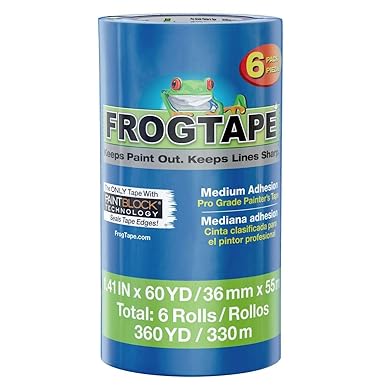
When applying tape, work in small sections, pressing down firmly along the edges. Use a putty knife or a credit card to smooth the tape and seal it against the surface. This step is crucial to achieving those sharp, professional-looking lines.

4. Remove Tape Carefully and at the Right Time

The key to a clean finish is timing. Remove the tape while the paint is still slightly wet to avoid pulling off dried paint. Peel it back slowly at a 45-degree angle to prevent smudging or chipping.

Bonus Tip: Practice Patience

Taking your time during the taping process can save hours of touch-ups later. A little extra effort upfront ensures a polished result that you’ll be proud of.

https://amzn.to/3PrA2Vc
https://amzn.to/4gJkqbM

5 Ways to Create a Cozy and Inviting Guest Room This Holiday Season

Hosting friends and family for the holidays? Make your guest room a haven of comfort and warmth with these 5 thoughtful touches that are sure to make your visitors feel right at home.

1. Cozy Bedding

Nothing feels more welcoming than a comfortable bed. Invest in soft linens, extra blankets, and plush pillows to ensure your guests enjoy a restful night. Fresh, cozy bedding makes a huge difference in making them feel at ease.

2. Essential Storage & Amenities

Help your guests unpack easily with extra hangers, a luggage rack, and toiletries like soap, towels, and toiletries. Simple storage solutions keep the space tidy and organized.

3. Warm Décor & Ambiance

Add a personal touch with soft lighting, a few decorative items like fresh flowers or cozy throws. These small details create a homey atmosphere and make guests feel comfortable and appreciated.

4. Charging Stations & Wi-Fi Info

Set up charging stations with accessible outlets and leave Wi-Fi details easily accessible. Guests will appreciate having convenient access to power and connection without having to search.

5. Comfortable Seating & Workspace

A cozy chair or small desk can provide a dedicated spot for reading or working. These extra touches offer versatility and comfort for guests who want a quiet space.