The Importance of Keeping Vital Records Safe at Home

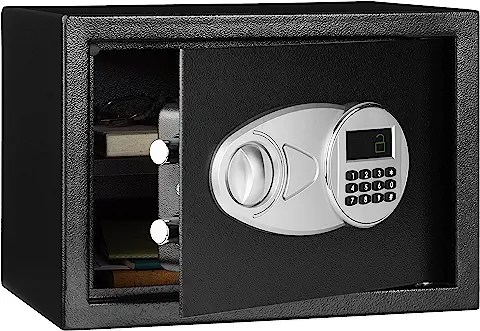
Identity theft and natural disasters are real concerns, safeguarding your vital records is more important than ever. Documents like birth certificates, Social Security cards, passports, and property deeds are essential for proving your identity and accessing important services. Keeping these vital records secure at home should be a priority, and one of the best ways to do so is by storing them in a safe.

Why You Need to Protect Your Vital Records

Vital records are more than just pieces of paper; they are key to your personal identity and legal standing. Losing or damaging these documents can result in significant hassles, from the time-consuming process of replacing them to potential security risks like identity theft.

For example, a birth certificate or Social Security card falling into the wrong hands can be used to open fraudulent accounts, leading to financial loss and long-term damage to your credit. Similarly, property deeds and titles are critical in establishing ownership, and losing them could complicate legal matters related to your home or assets.

The Benefits of Keeping Vital Records in a Safe

Storing your vital records in a home safe offers several key advantages:

  1. Protection from Fire and Water Damage
  • A high-quality safe provides protection against fire and water, ensuring that your documents remain intact even in the event of a disaster. Fires, floods, and other emergencies can strike unexpectedly, and having a safe place for your records can prevent them from being destroyed.
  1. Security from Theft
  • A safe offers a secure location that is difficult for intruders to access. Keeping your vital records in a locked safe ensures that they are protected from theft, reducing the risk of identity fraud and other security breaches.
  1. Organized and Accessible
  • A safe helps you keep all your important documents in one organized place. This not only makes them easier to find when you need them but also reduces the chance of them being misplaced or accidentally discarded.
  1. Peace of Mind
  • Knowing that your vital records are stored securely in a safe provides peace of mind. You can rest easy knowing that, even in the face of unexpected events, your most important documents are protected.

What to Store in Your Safe

When deciding what documents to store in your safe, consider the following vital records:

  • Birth Certificates and Social Security Cards
  • Passports
  • Marriage and Divorce Certificates
  • Property Deeds and Titles
  • Insurance Policies
  • Wills and Powers of Attorney
  • Medical Records and Immunization History
  • Bank Account Information and Financial Records

In addition to paper documents, you may also want to include digital backups of these records stored on an encrypted USB drive.

Choosing the Right Safe

When selecting a safe for your home, consider the following factors:

  • Fire and Water Resistance: Look for safes that are rated to withstand high temperatures and water exposure.
  • Size: Choose a safe large enough to store all your vital records comfortably, with room for any additional valuables you may want to secure.
  • Security Features: Opt for a safe with advanced locking mechanisms, such as biometric or keypad entry, for added security.
  • Portability: Depending on your needs, you may want a safe that is lightweight and easy to move, or one that is heavier and more difficult to remove from your home.

Your vital records are essential to your identity and legal standing. Keeping them safe from damage, theft, and loss should be a priority. By investing in a high-quality safe and storing your important documents securely at home, you can protect your future and ensure that you have access to these critical records when you need them most. Take the time to assess your current storage solutions and consider upgrading to a safe that will provide the protection and peace of mind you deserve.

https://amzn.to/3YPNLLz

Increasing Home Value: The Impact of Removing Popcorn Ceilings

Popcorn ceilings, once a popular design trend in the ’80s, have lost their appeal in modern times. Beyond aesthetics, there are valid reasons for homeowners to consider removing them. Not only do they date a property, but they can also pose safety concerns related to asbestos, a common material used in older popcorn ceilings.

By choosing to remove popcorn ceilings, homeowners can significantly increase their property’s value and attract potential buyers. A smooth, updated ceiling creates a modern and fresh look, instantly elevating the home’s overall appeal. Moreover, in today’s competitive real estate market, buyers seek move-in ready properties that require minimal renovation.

While removing popcorn ceilings may be a quick fix, it’s essential to entrust this task to professionals to avoid any risks associated with asbestos exposure. Making this investment ensures not only a higher selling price but also the peace of mind that comes with knowing the home is safe and updated for its new occupants. 🏡✨ #HomeImprovement #PopcornCeilingRemoval #IncreaseHomeValue

End of Summer and Your Hose is Leaking? Repair It Instead of Buying a New One

As summer winds down, you might notice that your trusty garden hose has developed a leak. Instead of rushing out to buy a new one, consider repairing it. Fixing a leaky hose is a simple, cost-effective solution that can extend the life of your hose and save you money. Here’s how you can repair your hose and keep it in good shape for seasons to come.

Why Repairing Your Hose Makes Sense

  1. Cost-Effective: Repairing a hose is much cheaper than buying a new one. Most repair kits are inexpensive and can be found at any hardware store.
  2. Environmental Benefits: By repairing your hose, you reduce waste and contribute to a more sustainable environment. Less plastic and rubber waste means a smaller carbon footprint.
  3. Convenience: Repairing a hose can be done quickly and easily, often with items you already have at home. There’s no need for a trip to the store or waiting for a new hose to be delivered.
  4. Learn a Useful Skill: Learning how to repair common household items like hoses is a valuable skill that can save you money and give you a sense of accomplishment.

Common Hose Problems and How to Fix Them

  1. Pinhole Leaks: These are small leaks that can occur anywhere along the length of the hose. Solution:
  • Turn off the water and locate the leak.
  • Dry the area around the leak and wrap it with waterproof tape, ensuring it’s tightly sealed.
  • Alternatively, use a hose mender kit, which includes a small piece of tubing and clamps to cover the hole.
  1. Leaking Hose Ends: The connectors at the ends of the hose can wear out or become damaged, causing leaks. Solution:
  • Cut off the damaged end of the hose using a sharp knife or hose cutter.
  • Insert a new hose coupling into the cut end. Make sure to choose the correct size (male or female) for your hose.
  • Secure the coupling with the provided clamp, tightening it until the coupling is firmly attached.
  1. Cracks or Splits in the Hose: These can happen due to wear and tear or exposure to the elements. Solution:
  • Identify the section of the hose that is cracked or split.
  • Cut out the damaged section using a sharp knife or hose cutter.
  • Use a hose mender to join the two cut ends. Slide each end of the hose onto the mender and secure with the provided clamps.

Tools and Materials Needed

  • Utility knife or hose cutter: For cutting the hose cleanly.
  • Hose repair kit: These kits include hose menders, couplings, and clamps.
  • Screwdriver: For tightening the clamps on the hose mender or coupling.
  • Waterproof tape: For quick fixes on small leaks.

Steps to Repair a Leaky Hose

  1. Identify the Problem: Determine the location and type of leak in your hose.
  2. Gather Your Supplies: Have all necessary tools and materials on hand before starting the repair.
  3. Prepare the Hose: Turn off the water and drain the hose completely. Dry the area around the leak.
  4. Make the Repair:
  • For pinhole leaks, wrap the area with waterproof tape or use a hose mender kit.
  • For leaking hose ends, cut off the damaged end and attach a new coupling.
  • For cracks or splits, cut out the damaged section and use a hose mender to join the ends.
  1. Test the Repair: Turn the water back on and check for any leaks. Ensure the repair is holding and no water is escaping.

Preventative Measures

To avoid future leaks and extend the life of your hose, consider these preventative measures:

  1. Store Properly: Keep your hose out of direct sunlight and extreme temperatures. Store it coiled and off the ground to prevent damage.
  2. Use Hose Guides: Use guides to prevent the hose from kinking or being dragged over sharp edges.
  3. Regular Inspections: Periodically check your hose for signs of wear and tear, and address any issues promptly.

As summer draws to a close, don’t let a leaky hose dampen your gardening spirits. Repairing your hose is an easy, affordable, and environmentally friendly solution that can save you money and extend the life of your hose. With a few simple tools and materials, you can tackle common hose problems and keep your garden thriving.

https://amzn.to/4cZA94w

Comfort: Creating a Living Space That Is Comfortable and Enjoyable

A comfortable living space is more than just a luxury—it’s essential for your well-being and enjoyment. Whether you’re relaxing after a long day, hosting friends, or simply spending time with family, creating a cozy and inviting environment can make all the difference. Here’s how to make your home a place where comfort and enjoyment are top priorities.

Why Comfort Matters

1. Enhances Relaxation

A well-designed, comfortable space helps you unwind and relax:

  • Stress Reduction: A cozy environment can help lower stress levels and promote relaxation.
  • Restful Sleep: Comfortable bedding and a peaceful bedroom environment improve sleep quality.

2. Boosts Enjoyment

An inviting home enhances your overall enjoyment:

  • Entertaining Guests: A comfortable setting makes entertaining more enjoyable for both you and your guests.
  • Daily Happiness: Being in a space you love can lift your mood and contribute to daily happiness.

3. Supports Well-Being

A comfortable home supports your physical and mental well-being:

  • Health Benefits: Ergonomic furniture and good airflow contribute to physical health.
  • Mental Calm: A well-organized and aesthetically pleasing space promotes mental clarity and peace.

Tips for Creating a Comfortable Living Space

1. Invest in Quality Furniture

Quality furniture enhances comfort and durability:

  • Choose Ergonomic Pieces: Opt for chairs and sofas that support good posture and offer comfort.
  • Consider Fabric and Cushions: Soft, durable fabrics and comfortable cushions add to the coziness of your furniture.

2. Layer Your Textiles

Textiles add warmth and comfort to your space:

  • Use Throw Blankets: Drape soft throw blankets over sofas and chairs for added comfort.
  • Add Plush Rugs: Area rugs can add warmth and softness underfoot.

3. Optimize Lighting

Proper lighting sets the mood and enhances comfort:

  • Incorporate Multiple Light Sources: Use a mix of overhead, task, and ambient lighting to create a warm and inviting atmosphere.
  • Choose Soft Bulbs: Opt for soft, warm light bulbs for a cozy and relaxing environment.

4. Create a Cozy Atmosphere

Design elements that promote coziness:

  • Incorporate Warm Colors: Use warm tones like beige, soft brown, or muted greens to create a soothing environment.
  • Add Personal Touches: Display personal items like photos, artwork, or souvenirs to make the space uniquely yours.

5. Ensure Proper Temperature Control

Temperature plays a significant role in comfort:

  • Use Fans and Heaters: Invest in fans and heaters to maintain a comfortable temperature throughout the year.
  • Consider Window Treatments: Use curtains or blinds to regulate indoor temperature and light.

6. Maintain Cleanliness and Organization

A clean, organized space contributes to comfort:

  • Declutter Regularly: Keep your space tidy to reduce stress and create a more enjoyable environment.
  • Create Storage Solutions: Use shelves, cabinets, and baskets to keep items organized and out of sight.

7. Incorporate Nature

Bringing nature indoors can enhance comfort:

  • Add Houseplants: Plants improve air quality and bring a touch of nature indoors.
  • Use Natural Materials: Incorporate materials like wood, stone, or woven fibers to create a warm, natural feel.

8. Personalize Your Space

Customize your space to reflect your preferences:

  • Choose Comfortable Fabrics: Select fabrics and materials that you find pleasing and comfortable.
  • Create Relaxation Zones: Designate areas for relaxation, such as reading nooks or meditation spaces.

9. Include Functional Elements

Functional features add to overall comfort:

  • Invest in Multi-Functional Furniture: Choose furniture that serves multiple purposes, like storage ottomans or sleeper sofas.
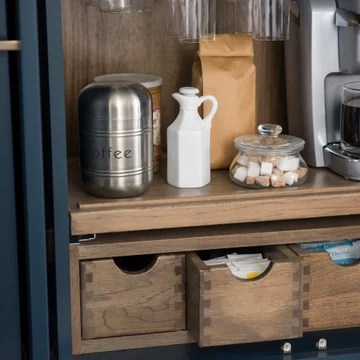
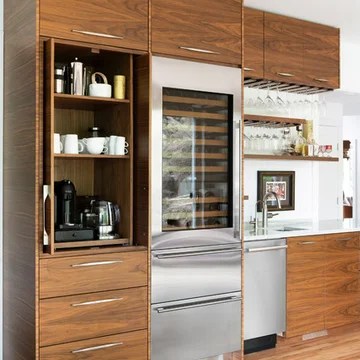
  • Include Practical Accessories: Items like cozy throws, soft pillows, and a well-stocked coffee station can enhance comfort.

Creating a comfortable living space is all about designing an environment that supports relaxation, enjoyment, and well-being. By investing in quality furniture, optimizing lighting, and adding personal touches, you can transform your home into a cozy haven that enhances your daily life. Embrace these tips and make your space a place where you truly feel at ease.

Creating an Allergy-Friendly Garden: Choosing Low-Allergen Plants

For many, the beauty of a garden can be overshadowed by allergy symptoms triggered by pollen. If sneezing and sniffles are common in your life, it’s time to rethink your garden strategy. Fortunately, there are plenty of low-allergen plants that can create a beautiful and inviting outdoor space without exacerbating your allergies.

Why Choose Low-Allergen Plants?

Low-allergen plants produce less pollen, which means fewer triggers for those sensitive to allergens. By selecting the right species, you can enjoy your garden without the worry of sneezing fits and other allergic reactions. Here are some popular low-allergen plants to consider:

Recommended Low-Allergen Plants

  1. Sage
    This aromatic herb not only enhances your culinary dishes but also offers beautiful foliage and flowers with minimal pollen.
  2. Rosemary
    Another versatile herb, rosemary thrives in sunny spots and is known for its fragrant leaves. It’s a great addition to both gardens and kitchens.
  3. Thyme
    Thyme is a hardy, low-growing plant that requires little maintenance. Its tiny flowers are less likely to trigger allergies.
  4. Abelia
    This flowering shrub produces lovely blooms and is a great option for hedges. Its low pollen count makes it ideal for allergy sufferers.
  5. Phlox
    With its vibrant colors, phlox adds beauty to any garden. It’s a perennial favorite that attracts fewer allergens.
  6. Periwinkle
    This ground cover plant offers lovely blue flowers and thrives in various conditions. It’s a low-maintenance choice with minimal pollen production.

Tips for Reducing Allergens in Your Garden

  • Larger Flowers Are Better: Look for plants with larger flowers, as they are often pollinated by animals rather than the wind, resulting in lower pollen counts.
  • Limit Grass Areas: If you suffer from grass allergies, consider reducing lawn space. This not only helps with allergens but also lowers maintenance needs, pollution, and water consumption.
  • Mulch Wisely: Using mulch can help suppress weeds and reduce the need for mowing, which can stir up pollen and dust.

Creating an allergy-friendly garden is achievable with careful plant selection and thoughtful landscaping. By incorporating low-allergen plants like sage, rosemary, and phlox, you can enjoy a beautiful outdoor space without the sneezing fits. Additionally, reducing grassy areas can further alleviate allergy symptoms.

Preparing Your Home for Vacation: Essential Steps to Secure Your House

Before you pack your bags and head off to your dream vacation destination, it’s important to ensure that your home is secure. An unoccupied house can be an easy target for burglars, but with some careful planning and simple precautions, you can protect your home and enjoy a worry-free vacation. Here’s a comprehensive guide to preparing your house before you leave.

1. Manage Your Lawn and Exterior

An overgrown lawn is a clear sign that no one is home. To avoid this, arrange for someone to take care of your yard while you’re away. Hiring a neighborhood kid or a professional lawn service to mow the lawn and tend to any garden needs can keep your house looking occupied.

2. Handle Your Mail and Deliveries

An overflowing mailbox and a pile of packages on the doorstep are red flags for intruders. Contact the post office to temporarily stop your mail delivery, or ask a trusted neighbor to collect it for you. Additionally, pause any newspaper deliveries and arrange for a friend or neighbor to pick up any packages that may arrive.

3. Use Light Timers and Smart Lighting

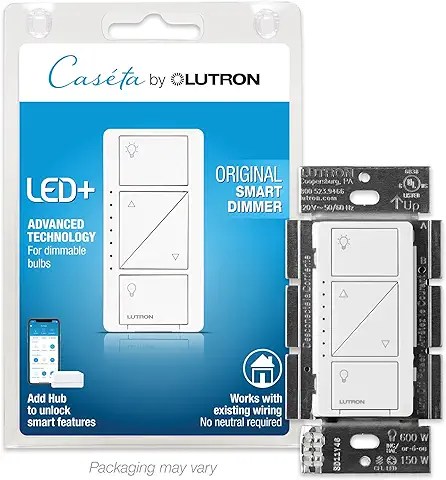
Darkened windows and a lack of evening lights make it obvious that a house is empty. To create the illusion that someone is home, use light timers to turn lights on and off at various times. For more advanced control, consider investing in an app-controlled smart lighting system. These systems allow you to remotely control your home’s lights from your smartphone, making it easy to simulate occupancy.

4. Secure Doors and Windows

Before leaving, double-check that all doors and windows are securely locked. Reinforce sliding doors with a metal rod or a wooden dowel in the track. Ensure that your garage door is also locked and that any interior doors leading from the garage to the house are secured.

5. Set Up a Security System

If you don’t already have one, consider installing a security system. Many modern systems offer features such as motion detectors, door and window sensors, and security cameras that you can monitor remotely. Displaying security system signs can also act as a deterrent to potential burglars.

6. Inform Trusted Neighbors

Let a trusted neighbor know about your travel plans. They can keep an eye on your property, collect any unexpected deliveries, and even park their car in your driveway to give the appearance that someone is home. Provide them with your contact information and a spare key in case of emergencies.

7. Unplug Electronics and Appliances

Unplugging non-essential electronics and appliances not only saves energy but also reduces the risk of electrical fires. This includes items like coffee makers, toasters, and televisions. Additionally, consider turning off your water supply to prevent potential leaks or flooding.

8. Adjust Your Thermostat

Set your thermostat to an energy-saving temperature. If you’re traveling during the winter, ensure it’s set high enough to prevent pipes from freezing. In the summer, set it to a level that keeps your house comfortable for any pets that may be staying behind or for the sake of your plants.

9. Hide Valuables

Store any valuable items, such as jewelry, important documents, and expensive electronics, in a safe or a hidden, secure location. Avoid leaving them in plain sight where they could tempt intruders.

10. Check Your Home Insurance

Review your home insurance policy to ensure you have adequate coverage while you’re away. Make sure you know what’s covered and have a clear understanding of the procedure to follow in case of an incident.

Taking these precautions before you leave for vacation can help ensure that your home remains safe and secure while you’re away. By managing your lawn, handling your mail, using light timers, securing entry points, and enlisting the help of trusted neighbors, you can deter potential intruders and enjoy your vacation with peace of mind. So, before you head out for your adventure, take the time to prepare your home—

Smart Lighting:

https://amzn.to/45UOWe6

The Art of Thoughtful Hosting and Guest Etiquette

Hosting and attending gatherings is more than just an event—it’s an opportunity to foster connections and show appreciation. Whether you’re the host or the guest, here are some tips to enhance your experience and make every gathering memorable.

For Guests: Show Appreciation with Thoughtful Gestures

When attending a gathering, never arrive empty-handed, even if the host insists. A small token of appreciation like homemade jam or a scented candle shows thoughtfulness and gratitude. If time is short, handpicked flowers in a vase make for a charming gift that can brighten up the host’s home.

If the host suggests bringing something specific to lighten their load, embrace the opportunity. Whether it’s dessert, a salad, or a favorite drink, contributing to the meal adds to the communal spirit of the occasion.

For Hosts: Set the Stage for a Welcoming Atmosphere

As a host, make your guests feel welcomed from the moment they arrive. Have a drinks station ready with a variety of options, including non-alcoholic beverages, so everyone can find something to enjoy immediately. Consider a setup like a bar cart or a cooler stocked with ice, glasses, and garnishes to elevate the experience.

Communicate clearly with your guests about what they can bring to help, whether it’s preparing a dish, clearing plates, or entertaining children. Guests often appreciate having a specific task assigned as it makes them feel valued and involved in the event.

Mutual Courtesy: Offer Assistance and Relaxation

Guests should offer their help throughout the gathering, whether it’s in the kitchen preparing food or assisting with cleanup. These small gestures not only ease the host’s responsibilities but also strengthen bonds and ensure a smoother event.

For hosts, prioritize your own enjoyment by preparing in advance. Consider prepping meals ahead of time, curating a relaxing ambiance with music, and allowing yourself moments to unwind before guests arrive. Remember, the essence of hosting lies in enjoying time spent together, not in striving for perfection.

Conclusion: Creating Lasting Memories Through Thoughtful Gatherings

Whether you’re hosting a dinner party or attending a backyard barbecue, embracing these tips can transform any gathering into a memorable occasion. By showing appreciation, offering assistance, and focusing on relaxed enjoyment, both hosts and guests contribute to the warmth and camaraderie that define meaningful social interactions.

Let each gathering be an opportunity to connect, share, and celebrate the joy of spending time together in a welcoming environment.

How Color Impacts Real Estate Buyers: A Psychological Perspective

In real estate, every detail counts, and color plays a crucial role in shaping buyers’ perceptions and decisions. Whether you’re staging a home for sale or decorating your own space, understanding the psychological effects of color can significantly enhance your strategy.

The Power of Color Psychology

Colors evoke emotions and influence mood in profound ways. When potential buyers step into a property, the colors they encounter can subconsciously affect how they feel about the space. Here’s a breakdown of how different colors can impact real estate:

1. Neutral Tones: Versatile and Appealing

Neutral colors like white, beige, and light gray are popular choices for home interiors. They create a sense of spaciousness, cleanliness, and neutrality, which can appeal to a wide range of buyers. Neutral tones also provide a blank canvas, allowing buyers to envision their own furniture and décor in the space.

2. Warm Colors: Inviting and Cozy

Warm colors such as shades of red, orange, and yellow can create a welcoming atmosphere. They stimulate emotions and promote a sense of comfort and intimacy. In living rooms or dining areas, warm hues can make buyers feel at home and encourage social interaction.

3. Cool Colors: Calming and Serene

Cool colors like blue, green, and purple evoke feelings of tranquility and relaxation. These colors are ideal for bedrooms, bathrooms, and home offices, where a serene atmosphere is desirable. Cool tones can also convey a sense of sophistication and modernity.

4. Accent Colors: Adding Personality

Strategic use of accent colors can inject personality and style into a property. Bold accents like deep blues, rich greens, or vibrant yellows can draw attention to architectural features or highlight specific areas of a room. However, it’s essential to use accents sparingly to avoid overwhelming potential buyers.

Applying Color Psychology in Real Estate

1. Staging for Success

When staging a property for sale, consider the target market and the desired emotional response. Use neutral tones for walls and large furniture pieces to create a sense of space and neutrality. Incorporate warm accents like cushions, throws, or artwork to add warmth and create a welcoming ambiance.

2. Exterior Appeal

The exterior color scheme of a home also plays a critical role in curb appeal. Neutral tones with contrasting accents can make a home appear well-maintained and inviting. Consider the architectural style of the property and the surrounding environment when choosing exterior colors.

3. Personalization vs. Universality

While personal preference influences color choices, sellers should prioritize universal appeal when preparing a home for sale. Opting for neutral and universally liked colors can broaden the property’s appeal and attract a broader range of potential buyers.

Color psychology is a powerful tool in real estate marketing and home staging. By understanding the emotional and psychological impact of colors, sellers and real estate professionals can create environments that resonate with buyers’ emotions and aspirations. Whether preparing a property for sale or designing a dream home, harnessing the power of color can make a significant difference in attracting buyers and achieving a successful sale.


3 Tips to Help Your Garden Survive a Heat Wave

As temperatures soar, keeping your garden thriving can be challenging. Here are three essential tips to protect your plants:

1. Mulch for Moisture Retention

Mulching is crucial during a heat wave. Apply a layer of organic mulch like straw or wood chips around plants to retain soil moisture. This helps prevent water evaporation and keeps roots cool.

2. Increase Watering Frequency

Watering your garden twice daily is vital in hot weather. Water deeply in the morning and evening to ensure plants have enough moisture throughout the day. Use a soaker hose or drip irrigation to deliver water directly to the roots.

3. Provide Shade for Sensitive Plants

Protect delicate plants from intense sunlight by providing shade. Use shade cloth, umbrellas, or plant taller species nearby to create natural shade. This helps reduce stress on plants and prevents sunburn.

By implementing these tips, you can help your garden not only survive but thrive during a heat wave. Ensure your plants receive adequate moisture, protection from the sun, and maintain optimal growing conditions for a healthy and vibrant garden.

https://amzn.to/3zezHQN

Sun Shade

Why You Should Paint Quarter Round Baseboards the Same Color as Your Baseboard

When it comes to interior design, the details make all the difference. One such detail is the quarter round molding, a small but significant element in your home’s trim work. Painting quarter round baseboards the same color as your main baseboards is a design choice that can enhance the overall aesthetic of your space. Here’s why this approach is worth considering.

1. Creates a Cohesive Look

Painting the quarter round the same color as the baseboard creates a seamless and cohesive look. This uniformity helps the trim blend into the wall, making the space feel more polished and professionally finished. It eliminates any visual break, allowing the eye to flow smoothly around the room.

2. Enhances Architectural Details

A consistent color scheme for your trim work highlights the architectural details of your home. When the quarter round and baseboards match, it emphasizes the craftsmanship and adds to the elegance of the room. This subtle enhancement can make even the simplest rooms look more sophisticated.

3. Makes Cleaning and Maintenance Easier

Keeping the quarter round and baseboards the same color simplifies cleaning and maintenance. It avoids the need for precision and worry over touching up two different colors. A single color touch-up is quicker and maintains the clean, unified appearance.

4. Visually Enlarges the Space

Matching quarter round and baseboards can make a room appear larger. When there’s no interruption in the trim color, it can create an illusion of extended height and width, giving a sense of spaciousness. This can be particularly beneficial in smaller rooms or spaces where you want to maximize the perceived size.

5. Versatility in Design Choices

A single color scheme for trim work provides versatility in design choices. Whether you prefer a classic white, a bold black, or a soft neutral, matching the quarter round to the baseboard ensures your choice complements any wall color or decorating style. This consistency offers a flexible foundation for your interior design.

Painting your quarter round baseboards the same color as your main baseboards is a simple yet effective way to enhance the aesthetics of your home. It creates a cohesive look, highlights architectural details, simplifies maintenance, enlarges the space visually, and provides design versatility. By paying attention to these small details, you can achieve a more polished and harmonious interior.