Creating an Allergy-Friendly Garden: Choosing Low-Allergen Plants

For many, the beauty of a garden can be overshadowed by allergy symptoms triggered by pollen. If sneezing and sniffles are common in your life, it’s time to rethink your garden strategy. Fortunately, there are plenty of low-allergen plants that can create a beautiful and inviting outdoor space without exacerbating your allergies.

Why Choose Low-Allergen Plants?

Low-allergen plants produce less pollen, which means fewer triggers for those sensitive to allergens. By selecting the right species, you can enjoy your garden without the worry of sneezing fits and other allergic reactions. Here are some popular low-allergen plants to consider:

Recommended Low-Allergen Plants

  1. Sage
    This aromatic herb not only enhances your culinary dishes but also offers beautiful foliage and flowers with minimal pollen.
  2. Rosemary
    Another versatile herb, rosemary thrives in sunny spots and is known for its fragrant leaves. It’s a great addition to both gardens and kitchens.
  3. Thyme
    Thyme is a hardy, low-growing plant that requires little maintenance. Its tiny flowers are less likely to trigger allergies.
  4. Abelia
    This flowering shrub produces lovely blooms and is a great option for hedges. Its low pollen count makes it ideal for allergy sufferers.
  5. Phlox
    With its vibrant colors, phlox adds beauty to any garden. It’s a perennial favorite that attracts fewer allergens.
  6. Periwinkle
    This ground cover plant offers lovely blue flowers and thrives in various conditions. It’s a low-maintenance choice with minimal pollen production.

Tips for Reducing Allergens in Your Garden

  • Larger Flowers Are Better: Look for plants with larger flowers, as they are often pollinated by animals rather than the wind, resulting in lower pollen counts.
  • Limit Grass Areas: If you suffer from grass allergies, consider reducing lawn space. This not only helps with allergens but also lowers maintenance needs, pollution, and water consumption.
  • Mulch Wisely: Using mulch can help suppress weeds and reduce the need for mowing, which can stir up pollen and dust.

Creating an allergy-friendly garden is achievable with careful plant selection and thoughtful landscaping. By incorporating low-allergen plants like sage, rosemary, and phlox, you can enjoy a beautiful outdoor space without the sneezing fits. Additionally, reducing grassy areas can further alleviate allergy symptoms.

Preparing Your Home for Vacation: Essential Steps to Secure Your House

Before you pack your bags and head off to your dream vacation destination, it’s important to ensure that your home is secure. An unoccupied house can be an easy target for burglars, but with some careful planning and simple precautions, you can protect your home and enjoy a worry-free vacation. Here’s a comprehensive guide to preparing your house before you leave.

1. Manage Your Lawn and Exterior

An overgrown lawn is a clear sign that no one is home. To avoid this, arrange for someone to take care of your yard while you’re away. Hiring a neighborhood kid or a professional lawn service to mow the lawn and tend to any garden needs can keep your house looking occupied.

2. Handle Your Mail and Deliveries

An overflowing mailbox and a pile of packages on the doorstep are red flags for intruders. Contact the post office to temporarily stop your mail delivery, or ask a trusted neighbor to collect it for you. Additionally, pause any newspaper deliveries and arrange for a friend or neighbor to pick up any packages that may arrive.

3. Use Light Timers and Smart Lighting

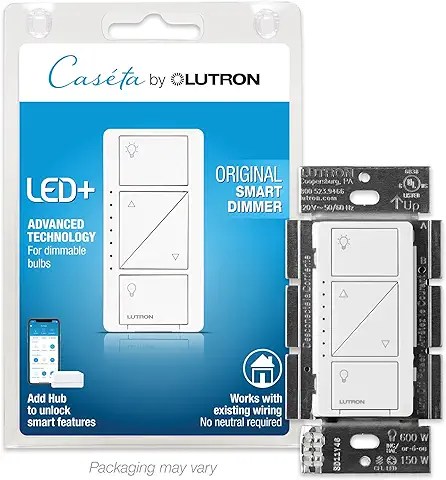
Darkened windows and a lack of evening lights make it obvious that a house is empty. To create the illusion that someone is home, use light timers to turn lights on and off at various times. For more advanced control, consider investing in an app-controlled smart lighting system. These systems allow you to remotely control your home’s lights from your smartphone, making it easy to simulate occupancy.

4. Secure Doors and Windows

Before leaving, double-check that all doors and windows are securely locked. Reinforce sliding doors with a metal rod or a wooden dowel in the track. Ensure that your garage door is also locked and that any interior doors leading from the garage to the house are secured.

5. Set Up a Security System

If you don’t already have one, consider installing a security system. Many modern systems offer features such as motion detectors, door and window sensors, and security cameras that you can monitor remotely. Displaying security system signs can also act as a deterrent to potential burglars.

6. Inform Trusted Neighbors

Let a trusted neighbor know about your travel plans. They can keep an eye on your property, collect any unexpected deliveries, and even park their car in your driveway to give the appearance that someone is home. Provide them with your contact information and a spare key in case of emergencies.

7. Unplug Electronics and Appliances

Unplugging non-essential electronics and appliances not only saves energy but also reduces the risk of electrical fires. This includes items like coffee makers, toasters, and televisions. Additionally, consider turning off your water supply to prevent potential leaks or flooding.

8. Adjust Your Thermostat

Set your thermostat to an energy-saving temperature. If you’re traveling during the winter, ensure it’s set high enough to prevent pipes from freezing. In the summer, set it to a level that keeps your house comfortable for any pets that may be staying behind or for the sake of your plants.

9. Hide Valuables

Store any valuable items, such as jewelry, important documents, and expensive electronics, in a safe or a hidden, secure location. Avoid leaving them in plain sight where they could tempt intruders.

10. Check Your Home Insurance

Review your home insurance policy to ensure you have adequate coverage while you’re away. Make sure you know what’s covered and have a clear understanding of the procedure to follow in case of an incident.

Taking these precautions before you leave for vacation can help ensure that your home remains safe and secure while you’re away. By managing your lawn, handling your mail, using light timers, securing entry points, and enlisting the help of trusted neighbors, you can deter potential intruders and enjoy your vacation with peace of mind. So, before you head out for your adventure, take the time to prepare your home—

Smart Lighting:

https://amzn.to/45UOWe6

The Art of Thoughtful Hosting and Guest Etiquette

Hosting and attending gatherings is more than just an event—it’s an opportunity to foster connections and show appreciation. Whether you’re the host or the guest, here are some tips to enhance your experience and make every gathering memorable.

For Guests: Show Appreciation with Thoughtful Gestures

When attending a gathering, never arrive empty-handed, even if the host insists. A small token of appreciation like homemade jam or a scented candle shows thoughtfulness and gratitude. If time is short, handpicked flowers in a vase make for a charming gift that can brighten up the host’s home.

If the host suggests bringing something specific to lighten their load, embrace the opportunity. Whether it’s dessert, a salad, or a favorite drink, contributing to the meal adds to the communal spirit of the occasion.

For Hosts: Set the Stage for a Welcoming Atmosphere

As a host, make your guests feel welcomed from the moment they arrive. Have a drinks station ready with a variety of options, including non-alcoholic beverages, so everyone can find something to enjoy immediately. Consider a setup like a bar cart or a cooler stocked with ice, glasses, and garnishes to elevate the experience.

Communicate clearly with your guests about what they can bring to help, whether it’s preparing a dish, clearing plates, or entertaining children. Guests often appreciate having a specific task assigned as it makes them feel valued and involved in the event.

Mutual Courtesy: Offer Assistance and Relaxation

Guests should offer their help throughout the gathering, whether it’s in the kitchen preparing food or assisting with cleanup. These small gestures not only ease the host’s responsibilities but also strengthen bonds and ensure a smoother event.

For hosts, prioritize your own enjoyment by preparing in advance. Consider prepping meals ahead of time, curating a relaxing ambiance with music, and allowing yourself moments to unwind before guests arrive. Remember, the essence of hosting lies in enjoying time spent together, not in striving for perfection.

Conclusion: Creating Lasting Memories Through Thoughtful Gatherings

Whether you’re hosting a dinner party or attending a backyard barbecue, embracing these tips can transform any gathering into a memorable occasion. By showing appreciation, offering assistance, and focusing on relaxed enjoyment, both hosts and guests contribute to the warmth and camaraderie that define meaningful social interactions.

Let each gathering be an opportunity to connect, share, and celebrate the joy of spending time together in a welcoming environment.

How Color Impacts Real Estate Buyers: A Psychological Perspective

In real estate, every detail counts, and color plays a crucial role in shaping buyers’ perceptions and decisions. Whether you’re staging a home for sale or decorating your own space, understanding the psychological effects of color can significantly enhance your strategy.

The Power of Color Psychology

Colors evoke emotions and influence mood in profound ways. When potential buyers step into a property, the colors they encounter can subconsciously affect how they feel about the space. Here’s a breakdown of how different colors can impact real estate:

1. Neutral Tones: Versatile and Appealing

Neutral colors like white, beige, and light gray are popular choices for home interiors. They create a sense of spaciousness, cleanliness, and neutrality, which can appeal to a wide range of buyers. Neutral tones also provide a blank canvas, allowing buyers to envision their own furniture and décor in the space.

2. Warm Colors: Inviting and Cozy

Warm colors such as shades of red, orange, and yellow can create a welcoming atmosphere. They stimulate emotions and promote a sense of comfort and intimacy. In living rooms or dining areas, warm hues can make buyers feel at home and encourage social interaction.

3. Cool Colors: Calming and Serene

Cool colors like blue, green, and purple evoke feelings of tranquility and relaxation. These colors are ideal for bedrooms, bathrooms, and home offices, where a serene atmosphere is desirable. Cool tones can also convey a sense of sophistication and modernity.

4. Accent Colors: Adding Personality

Strategic use of accent colors can inject personality and style into a property. Bold accents like deep blues, rich greens, or vibrant yellows can draw attention to architectural features or highlight specific areas of a room. However, it’s essential to use accents sparingly to avoid overwhelming potential buyers.

Applying Color Psychology in Real Estate

1. Staging for Success

When staging a property for sale, consider the target market and the desired emotional response. Use neutral tones for walls and large furniture pieces to create a sense of space and neutrality. Incorporate warm accents like cushions, throws, or artwork to add warmth and create a welcoming ambiance.

2. Exterior Appeal

The exterior color scheme of a home also plays a critical role in curb appeal. Neutral tones with contrasting accents can make a home appear well-maintained and inviting. Consider the architectural style of the property and the surrounding environment when choosing exterior colors.

3. Personalization vs. Universality

While personal preference influences color choices, sellers should prioritize universal appeal when preparing a home for sale. Opting for neutral and universally liked colors can broaden the property’s appeal and attract a broader range of potential buyers.

Color psychology is a powerful tool in real estate marketing and home staging. By understanding the emotional and psychological impact of colors, sellers and real estate professionals can create environments that resonate with buyers’ emotions and aspirations. Whether preparing a property for sale or designing a dream home, harnessing the power of color can make a significant difference in attracting buyers and achieving a successful sale.


3 Tips to Help Your Garden Survive a Heat Wave

As temperatures soar, keeping your garden thriving can be challenging. Here are three essential tips to protect your plants:

1. Mulch for Moisture Retention

Mulching is crucial during a heat wave. Apply a layer of organic mulch like straw or wood chips around plants to retain soil moisture. This helps prevent water evaporation and keeps roots cool.

2. Increase Watering Frequency

Watering your garden twice daily is vital in hot weather. Water deeply in the morning and evening to ensure plants have enough moisture throughout the day. Use a soaker hose or drip irrigation to deliver water directly to the roots.

3. Provide Shade for Sensitive Plants

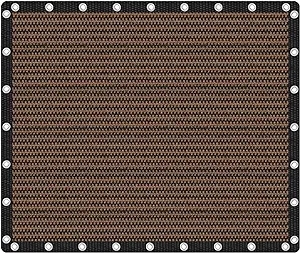
Protect delicate plants from intense sunlight by providing shade. Use shade cloth, umbrellas, or plant taller species nearby to create natural shade. This helps reduce stress on plants and prevents sunburn.

By implementing these tips, you can help your garden not only survive but thrive during a heat wave. Ensure your plants receive adequate moisture, protection from the sun, and maintain optimal growing conditions for a healthy and vibrant garden.

https://amzn.to/3zezHQN

Sun Shade

Why You Should Paint Quarter Round Baseboards the Same Color as Your Baseboard

When it comes to interior design, the details make all the difference. One such detail is the quarter round molding, a small but significant element in your home’s trim work. Painting quarter round baseboards the same color as your main baseboards is a design choice that can enhance the overall aesthetic of your space. Here’s why this approach is worth considering.

1. Creates a Cohesive Look

Painting the quarter round the same color as the baseboard creates a seamless and cohesive look. This uniformity helps the trim blend into the wall, making the space feel more polished and professionally finished. It eliminates any visual break, allowing the eye to flow smoothly around the room.

2. Enhances Architectural Details

A consistent color scheme for your trim work highlights the architectural details of your home. When the quarter round and baseboards match, it emphasizes the craftsmanship and adds to the elegance of the room. This subtle enhancement can make even the simplest rooms look more sophisticated.

3. Makes Cleaning and Maintenance Easier

Keeping the quarter round and baseboards the same color simplifies cleaning and maintenance. It avoids the need for precision and worry over touching up two different colors. A single color touch-up is quicker and maintains the clean, unified appearance.

4. Visually Enlarges the Space

Matching quarter round and baseboards can make a room appear larger. When there’s no interruption in the trim color, it can create an illusion of extended height and width, giving a sense of spaciousness. This can be particularly beneficial in smaller rooms or spaces where you want to maximize the perceived size.

5. Versatility in Design Choices

A single color scheme for trim work provides versatility in design choices. Whether you prefer a classic white, a bold black, or a soft neutral, matching the quarter round to the baseboard ensures your choice complements any wall color or decorating style. This consistency offers a flexible foundation for your interior design.

Painting your quarter round baseboards the same color as your main baseboards is a simple yet effective way to enhance the aesthetics of your home. It creates a cohesive look, highlights architectural details, simplifies maintenance, enlarges the space visually, and provides design versatility. By paying attention to these small details, you can achieve a more polished and harmonious interior.

The Importance of Routine Maintenance for Your Home Appliances

Keeping your home appliances in good working order is essential for both convenience and cost-efficiency. Proper routine maintenance can significantly extend the lifespan of your appliances, saving you money on repairs and replacements. Taking just a few minutes here and there to clean and maintain these common household items can add years to their service life. Here’s how you can keep your refrigerator, washing machine, and dryer running smoothly.

Freshen the Fridge

The refrigerator is one of the hardest working appliances in your home, running 24/7 to keep your food fresh. To ensure it continues to operate efficiently, regular maintenance is key.

  • Regular Cleaning: Spills and expired food can leave the refrigerator sticky and smelly. Make it a habit to wipe down the interior shelves and drawers regularly and discard old or expired items.
  • Door Seals: The door seals (gaskets) are crucial for maintaining the fridge’s cooling efficiency. Wash them with warm soapy water and consider applying a small amount of petroleum jelly to keep them supple and effective.
  • Ice/Water Dispensers and Filters: Clean the ice/water dispensers, drip trays, and ice buckets periodically to prevent buildup and bacteria growth. Additionally, replace the water filter at least twice a year to ensure clean and fresh water.

Maintain the Washer

Your washing machine needs regular care to prevent issues like mold, mildew, and mechanical problems.

  • Air Circulation: After doing a load of laundry, leave the washing machine door open to promote air circulation and help prevent mold and mildew from accumulating inside the drum.
  • Avoid Overloading: Be mindful not to overload the washer with too many clothes or bulky items in one load, as this can strain and potentially break essential components.
  • Check the Bellow: The rubber gasket on the door, known as the bellow, should be checked periodically. Make sure it is clean and free from debris to ensure a tight seal and proper functioning.

Don’t Forget the Dryer

A well-maintained dryer not only dries clothes more efficiently but also reduces the risk of fire.

  • Exhaust Vent: Clean the dryer exhaust vent at least once a year to prevent lint buildup, which can reduce efficiency and pose a fire hazard.
  • Lint Filter: Clean the lint filter after each load. This simple step optimizes your dryer’s power and efficiency and is crucial for safety.
  • Reminders: Consider setting a reminder on your phone or calendar to ensure you stay on top of these maintenance tasks. Regular attention can prevent costly repairs and dangerous situations.

Routine maintenance of your home appliances is a small investment of time that pays off significantly in the long run. By taking the time to regularly clean and check your refrigerator, washing machine, and dryer, you can extend their lifespans, ensure they operate efficiently, and reduce the risk of costly repairs or replacements.

https://amzn.to/4bIdpW1

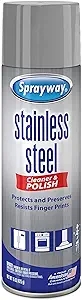
Stainless Steel Cleaner

https://amzn.to/3VcT1p9

Compact Vacuum, Hand Held

https://amzn.to/3yNuK1i

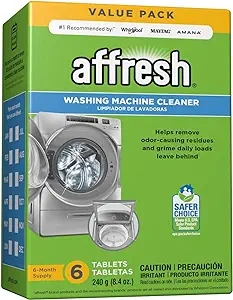
Washing Machine Cleaner, Cleans Front Load and Top Load Washers

Transform Your Patio into an Outdoor Oasis

Turning your patio into a cozy outdoor retreat doesn’t have to drain your wallet. With a bit of creativity and some strategic planning, you can create an inviting space that you’ll love spending time in. Here are some budget-friendly tips to help you upgrade your outdoor area:

Clean and Declutter

The first step in transforming your patio is giving it a thorough cleaning. Sweep away dirt and debris, scrub surfaces, and wash any furniture or cushions. Removing clutter will instantly make the space feel more open and inviting. To add a touch of freshness, consider incorporating some pleasant fragrances. An oil diffuser, scented candle, or plug-in air freshener can work wonders in making your patio smell as good as it looks.

Anchor the Aesthetic with a Rug

A well-placed outdoor rug can do wonders in defining your patio space. Arrange your outdoor furniture around it to create a cozy and inviting area. Enhance this setup with some stylish outdoor throw pillows. The rug and pillows not only add comfort but also tie the whole look together, making your patio feel like an extension of your home.

String Some Lights

Outdoor lighting can transform the ambiance of your patio, making it feel warm and welcoming. String lights are an affordable and stylish option. Hang them across the patio or drape them around your furniture to create a chic and inviting atmosphere. The soft glow from the lights will make your evenings outside even more enjoyable.

Add Final Touches

The finishing touches are what will truly personalize your patio. Think about what makes you feel at home and incorporate those elements. Outdoor art, a clock, a doormat, or even a cozy reading nook can add character and charm. Choose color schemes and decor that reflect your taste and bring you joy. These personal touches will make your patio feel like a true extension of your living space.

By following these tips, you can transform your patio into a beautiful and inviting outdoor oasis without spending a fortune. A little creativity and effort can go a long way in creating a space where you’ll love to relax, entertain, and enjoy the great outdoors.

https://amzn.to/3Ks6Ril

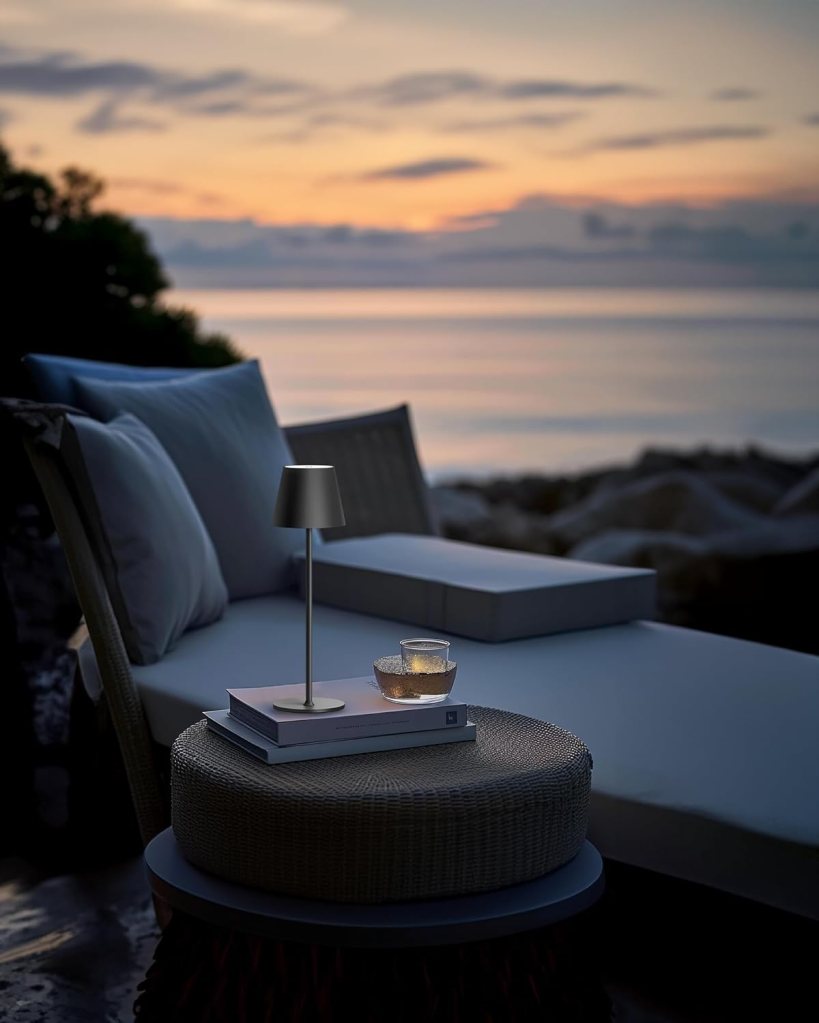
Cordless Rechargeable Table Lamp

https://amzn.to/3KvRd5H

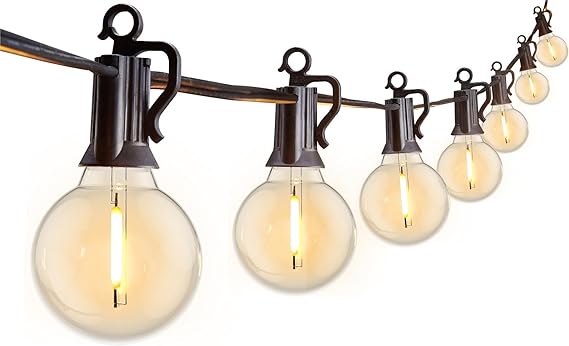
Outdoor String Lights 25 Feet G40 Globe

https://amzn.to/4aMKVt7

Electric Pressure Washer (Ultra Compact / Lightweight)

The Importance of Regularly Checking Your Outdoor Sprinkler System

When it comes to home maintenance, the outdoor sprinkler system often gets overlooked. However, neglecting to check your sprinklers regularly can lead to costly damage to your home and landscaping. Here’s why it’s essential to keep an eye on your outdoor sprinkler system.

1. Prevents Water Waste

A slight miscalculation during sprinkler installation or a bump to a sprinkler head can cause water to be wasted by watering the side of your home instead of your landscaping. Regular inspections can help identify and fix any issues that may lead to water waste.

2. Avoids Property Damage

Sprinklers spraying the side of your home can cause various types of damage over time. This includes wood rot, foundation shifts, and damage to siding or paint. By catching and fixing these issues early, you can prevent costly repairs down the line.

3. Maintains Landscaping Health

Inefficient sprinkler systems can lead to uneven watering and dry spots in your lawn or garden. By regularly checking your sprinklers, you can ensure that your landscaping receives the proper amount of water to stay healthy and vibrant.

4. Prevents Foundation Problems

Excessive watering near the foundation of your home can lead to soil erosion and foundation shifts. By monitoring your sprinkler system and adjusting the spray as needed, you can prevent these issues from occurring.

5. Ensures System Efficiency

Regular maintenance of your sprinkler system ensures that it operates efficiently, saving you money on water bills. This includes checking for clogged or damaged sprinkler heads, adjusting the spray pattern, and programming the system for optimal watering times.

While outdoor sprinkler systems may not be top of mind when it comes to home maintenance, they play a crucial role in keeping your home and landscaping healthy. By regularly checking your sprinklers throughout the year, you can prevent water waste, avoid property damage, maintain landscaping health, prevent foundation problems, and ensure the efficiency of your system. So, make it a priority to include your outdoor sprinkler system in your regular home maintenance routine.

How to Organize Your Laundry Room: Detergents, Cleaning Supplies, and Laundry Baskets

Your laundry room may not be the most glamorous space in your home, but with a little organization, it can become a functional and efficient area for all your laundry needs. Here are some tips for organizing your laundry room, focusing on detergents, cleaning supplies, and laundry baskets.

1. Declutter and Purge

Start by decluttering your laundry room. Remove any items that you no longer use or need, including old or expired cleaning supplies, worn-out laundry baskets, and empty detergent bottles. This will create more space and make it easier to organize what’s left.

2. Use Vertical Storage

Maximize your space by using vertical storage solutions. Install shelves or wall-mounted organizers to store detergent bottles, fabric softener, and other cleaning supplies. Utilize baskets or bins to corral smaller items like dryer sheets, stain removers, and lint rollers.

3. Create Zones

Designate specific areas for different tasks or items in your laundry room. Create a laundry station where you can sort and fold clothes, and designate a separate area for storing cleaning supplies. Keep laundry baskets nearby for sorting and transporting clothes to and from the washer and dryer.

4. Invest in Storage Solutions

Invest in storage solutions that suit your space and needs. Look for stackable storage containers for detergent pods or dryer sheets, over-the-door organizers for cleaning supplies, and rolling carts for storing laundry baskets or sorting clothes.

5. Label Everything

Labeling containers, baskets, and shelves will help keep your laundry room organized and make it easier to find what you need. Use a label maker or write labels by hand to clearly identify the contents of each storage bin or shelf.

6. Keep It Tidy

Make it a habit to keep your laundry room tidy and organized. Take a few minutes after each laundry session to put away supplies, fold clothes, and wipe down surfaces. Regular maintenance will prevent clutter from building up and keep your laundry room looking its best.

Organizing your laundry room doesn’t have to be a daunting task. By following these tips and focusing on detergents, cleaning supplies, and laundry baskets, you can create a functional and efficient space that makes laundry day a breeze. With the right storage solutions and a little effort, your laundry room can become a well-organized oasis in your home.