Coming Out of Winter: When to Fertilize Your Lawn for a Lush Spring

As winter fades and the days grow longer, your lawn begins to awaken from its dormant state. It’s the perfect time to start thinking about how to rejuvenate your yard and prepare it for the vibrant growth of spring. One of the best ways to do this is by fertilizing your lawn at the right time, giving it the nutrients it needs to thrive in the warmer months.

Why Fertilizing Matters

Fertilizing your lawn is essential for ensuring healthy, green grass. After months of cold weather and limited growth, your lawn can be depleted of nutrients, and the soil may be lacking in the essential elements it needs for strong, lush grass. Fertilizer helps replenish these nutrients, promoting healthy root development, strong growth, and vibrant color.

When to Fertilize Your Lawn

Timing is crucial when it comes to fertilizing. Fertilizing too early can encourage growth before the ground has warmed up, which can lead to weak, leggy grass. Fertilizing too late may miss the window for optimal growth. Here’s how to determine the best time to fertilize:

Early Spring (March to April)

As the weather warms up and the snow begins to melt, your lawn is likely emerging from its winter dormancy. This is the ideal time for your first round of fertilization. Aim to apply a balanced fertilizer in early spring, just as the grass begins to show signs of growth. This will jumpstart the growing season and help your lawn recover from the cold months.

Late Spring (May)

In late spring, your lawn is actively growing, and it’s time for a second round of fertilization. This round should provide more nitrogen to encourage lush, green growth. By fertilizing at this time, you’ll promote thick, healthy grass that can better withstand the heat of summer.

How to Fertilize Your Lawn

When applying fertilizer, be sure to follow these tips for the best results:

  • Choose the Right Fertilizer: Select a fertilizer that matches your lawn’s needs. A slow-release, balanced fertilizer is often a good choice for lawns in early spring.
  • Apply Evenly: Use a spreader to apply the fertilizer evenly across your lawn. Avoid over-applying, as this can cause burning and damage to the grass.
  • Water After Fertilizing: After applying fertilizer, water your lawn thoroughly to help the nutrients absorb into the soil and reach the roots.
  • Consider Soil Testing: If you’re unsure about the nutrient levels in your soil, consider getting a soil test. This can help you choose the right type of fertilizer and avoid over-fertilizing.

Other Spring Lawn Care Tips

In addition to fertilizing, there are a few other lawn care tasks to consider as you prepare your yard for the warmer months:

  • Aerate Your Lawn: Aerating your lawn helps improve soil compaction and allows air, water, and nutrients to reach the roots more effectively.
  • Rake Up Debris: Remove leaves, sticks, and other debris that have accumulated over the winter. This allows your grass to breathe and reduces the risk of mold and fungus.
  • Water Wisely: As your lawn begins to grow, make sure to water it properly. Early morning watering is the best time, as it prevents the lawn from staying too wet overnight.

Spring is a time of renewal and growth, and fertilizing your lawn at the right time is essential for a healthy, beautiful yard. By fertilizing early in the season and providing the right nutrients, you’re setting your lawn up for success as it emerges from winter and heads into the vibrant months of spring. Take the time to care for your lawn now, and enjoy a lush, green space all season long! 🌱

How Often Should You Clean Your Washing Machine?

Your washing machine works hard, day in and day out, to keep your clothes fresh and clean. But like any appliance, it needs some TLC to keep performing at its best. Over time, detergent residue, dirt, and even mold can build up inside, affecting both the machine’s efficiency and your laundry. So, how often should you clean your washing machine to ensure it’s working properly?

Why You Should Clean Your Washing Machine

Your washing machine isn’t just responsible for cleaning your clothes—it also needs to be cleaned itself. Here’s why:

  • Prevent Build-Up: Over time, detergent, fabric softener, and dirt can build up in the drum, pipes, and seals. This can lead to unpleasant odors and potential mold growth.
  • Maintain Efficiency: A clean machine operates more efficiently, using less energy and water. This can save you money in the long run.
  • Extend Lifespan: Regular cleaning can help prevent costly repairs and extend the life of your washing machine.

How Often Should You Clean Your Washing Machine?

The frequency of cleaning your washing machine depends on several factors, including how often you use it and the type of laundry detergent you use. Here’s a general guideline to follow:

  1. Monthly Cleaning
    For most households, cleaning your washing machine once a month is a good rule of thumb. This can help eliminate soap scum, mold, and bacteria that build up over time. If you use your washing machine daily, you might want to clean it more frequently.
  2. After Every Few Loads (for Front-Load Washers)
    Front-load washers are especially prone to mold and mildew because of their airtight door seals. After every few loads, wipe down the door seal and leave the door ajar to allow the interior to air out. This can prevent the growth of mold.
  3. When You Notice Odors
    If your washing machine starts to smell musty or funky, it’s time for a deep clean. A bad odor can be a sign of mold, mildew, or detergent residue. If this happens, give your washing machine an extra cleaning to get rid of the smell.
  4. Every 6 Months (Deep Clean)
    In addition to monthly cleanings, it’s a good idea to perform a deep clean every six months. This includes cleaning the drum, the detergent drawer, and the filter. This is especially important if you use a washing machine regularly or have hard water, as mineral build-up can affect its performance.

How to Clean Your Washing Machine

Cleaning your washing machine doesn’t have to be difficult. Here’s a simple process you can follow:

  1. Run an Empty Cycle with Hot Water
    Set your washing machine to the hottest water setting and run an empty cycle. Add two cups of white vinegar to the drum. This helps disinfect and remove soap scum and odors.
  2. Wipe Down the Drum and Seal
    After the cycle is complete, wipe down the inside of the drum with a clean cloth. Don’t forget to wipe around the door seal and around the detergent drawer, as these areas can accumulate grime and mildew.
  3. Clean the Filter and Detergent Tray
    Remove and clean the detergent tray regularly to remove any detergent build-up. Clean the filter (if applicable) to remove lint, dirt, and other debris.
  4. Leave the Door Open
    After cleaning, leave the door open for a while to let the inside of the machine dry completely. This helps prevent the growth of mold and mildew.

Tips for Maintaining a Clean Washing Machine

  • Use the Right Detergent: Always use the recommended amount of detergent. Too much detergent can lead to a build-up of soap residue.
  • Don’t Overload: Overloading your washing machine can result in poor cleaning and excess moisture left in the drum. Make sure to leave enough space for clothes to move freely.
  • Check the Drain Hose: Ensure that the drain hose isn’t clogged, as this can prevent proper drainage and lead to water pooling in the machine.
  • Use a Washing Machine Cleaner: There are also specialized washing machine cleaners available that can help break down build-up. Use these as directed for extra cleaning power.

Cleaning your washing machine regularly is essential for keeping it in good working condition and extending its lifespan. While a monthly cleaning should be sufficient for most households, take care to clean certain areas more frequently (like the door seal and detergent tray) to keep odors at bay. By following a simple cleaning routine, your washing machine will continue to provide you with fresh, clean clothes for years to come.

Creating a Home That Supports Mental Health

Our homes are more than just a place to rest our heads; they are our sanctuaries—spaces where we unwind, recharge, and foster our emotional well-being. In today’s fast-paced world, creating a home environment that nurtures our mental health has never been more important. Whether you’re designing a new space or rearranging what you already have, there are simple, effective ways to create an environment that promotes relaxation, creativity, and mental peace.

1. Embrace Natural Light

Natural light has a profound impact on our mood and mental clarity. Sunlight boosts serotonin levels, helping to combat feelings of anxiety and depression. To harness the power of natural light in your home, open up curtains or blinds during the day and consider placing mirrors strategically to reflect light around the room. If you live in a space with limited natural light, consider using full-spectrum light bulbs or light therapy lamps that simulate daylight.

2. Declutter Your Space

Clutter can cause stress, anxiety, and a feeling of being overwhelmed. To create a peaceful environment, prioritize organization. Keep your home tidy by creating systems for storing everyday items and getting rid of unnecessary things. You don’t need to have a minimalist approach, but a home that is organized and clutter-free provides more mental space for relaxation and creativity. Consider adding storage solutions like baskets, shelves, or storage ottomans to reduce visual clutter.

3. Incorporate Calming Colors

The colors in your home can influence your emotional state. Soft, neutral colors like pastels or earthy tones promote relaxation, while bold and vibrant colors can evoke energy and creativity. For spaces meant for rest and relaxation, such as bedrooms or living rooms, opt for soothing colors like light blues, soft greens, and warm neutrals. If you want to stimulate creativity, consider a splash of energizing colors like yellow or orange in your home office or creative nook.

4. Bring in Nature

Nature has a calming effect on the mind. Bringing the outdoors inside can help reduce stress and create a more peaceful home environment. You can add houseplants, flowers, or natural elements like wood and stone to your décor. Plants such as aloe vera, peace lilies, or spider plants not only add beauty to your home but also improve air quality, which further supports mental well-being. Nature-inspired décor, such as artwork featuring landscapes, can also enhance the mood of any room.

5. Create Spaces for Relaxation

Designate areas in your home specifically for relaxation. A cozy reading nook, a meditation corner, or a comfortable spot by the window can help you unwind and recharge. Add soft furniture, cozy throws, and calming accessories like scented candles, diffusers, or soft music to set the mood. These spaces offer a sanctuary where you can escape from the stresses of daily life and focus on your mental health.

6. Promote Movement and Activity

Your home should also support physical well-being, as physical health and mental health are deeply connected. Create spaces where you can engage in physical activity, whether it’s a small yoga area, a home gym, or a spot for dance or stretching. Staying physically active helps to reduce stress, boosts mood, and improves overall mental health. Even adding an area to stretch or take a short walk can help increase your emotional well-being.

7. Personalize Your Space

Personalization is key to making your home feel like a reflection of yourself. Surround yourself with items that bring you joy, comfort, and peace. Whether it’s family photos, favorite artwork, or meaningful objects, these personal touches can foster a sense of belonging and emotional connection. Personalizing your space helps you feel grounded and supported, creating a positive atmosphere that nurtures your mental health.

8. Mind the Sounds

Noise pollution, even in your own home, can increase stress levels and hinder relaxation. To promote peace, think about the sounds in your environment. Consider incorporating soothing sounds like gentle music, nature sounds, or white noise. Soft background music can enhance relaxation, while silence can help you recharge. If your space is noisy, invest in noise-canceling headphones or soundproofing to reduce unwanted distractions.

9. Simplify Your Space

A home that reflects simplicity can help reduce mental clutter. Aim for a design that’s clean and uncluttered, allowing for a sense of calm and ease. Avoid overcrowding rooms with too much furniture or excessive decorations. Keep it simple by choosing key pieces that offer function and beauty. A simpler space gives the mind a chance to relax, making it easier to find peace and tranquility.

10. Use Aromatherapy

Certain scents can have a calming effect on the mind and body. Consider using essential oils or scented candles in your home to create an atmosphere of relaxation. Lavender, chamomile, and eucalyptus are all known for their soothing properties. Aromatherapy can also help with concentration and mental clarity, making it a great addition to your home office or study area.

Your home should be a space that supports and nurtures your mental well-being. By creating an environment that promotes relaxation, creativity, and peace, you can transform your home into a sanctuary for both your body and mind. Incorporate natural light, calming colors, and elements of nature, and prioritize spaces for relaxation and physical activity. In doing so, you’ll create a space where you can thrive emotionally and find the balance needed to live your best life.

How to Stop a New Throw Blanket from Shedding

There’s nothing cozier than a new throw blanket—until you notice it leaving a trail of fluff all over your home! Shedding is common with new blankets, especially those made from synthetic or loosely woven fibers. Here are a few practical steps to stop the shedding and enjoy your blanket worry-free:

1. Wash It First

Before using your new throw, give it a good wash. Use a gentle cycle with cold water and avoid harsh detergents. Adding a cup of white vinegar to the rinse cycle can help seal the fibers and reduce shedding.

2. Dry with Care

After washing, tumble dry your blanket on a low-heat setting. Toss in a few dryer balls or clean tennis balls to help loosen excess fibers. Avoid over-drying or high heat, as it can damage the material and make shedding worse.

3. Brush the Blanket

A fabric brush or lint roller can help remove loose fibers from the surface. Gently brush the blanket in the direction of the weave before and after washing to minimize shedding.

4. Limit Friction

Shedding increases with wear and friction. Avoid rubbing the blanket against clothing, furniture, or other textiles. Use it as a decorative piece or layer it over other fabrics to reduce direct contact.

5. Consider a Fabric Protector

For natural fiber blankets, using a fabric protector spray can help reduce shedding. Make sure it’s suitable for your blanket’s material and follow the instructions carefully.

Tennis Ball Trick: A Simple Solution for Wrinkled Clothes

Tired of battling wrinkles in your clothes every time you take them out of the dryer? Here’s an easy and surprisingly effective hack: Toss a clean tennis ball into the dryer with your wrinkled clothes.

How It Works

The idea behind using a tennis ball is simple yet clever. When you add a tennis ball to the dryer, it bounces around and creates small bursts of air between your clothes. This gentle agitation helps to separate the fibers, reducing the chances of them clumping together and forming wrinkles. Additionally, the tennis ball helps to fluff up your clothes, making them softer and less likely to be wrinkled when they come out of the dryer.

Benefits of Using a Tennis Ball

  1. Reduces Wrinkles: The bouncing action helps release wrinkles without the need for ironing, saving you time.
  2. Speeds Up Drying Time: The tennis ball helps to separate clothes and improves airflow, which can reduce drying time, especially for heavy or bulky items like towels or blankets.
  3. Cost-Effective: Instead of spending money on expensive wrinkle-reducing dryer sheets or fabric softeners, a tennis ball is a one-time purchase that lasts for many uses.
  4. Gentle on Clothes: Unlike harsh chemical fabric softeners, a tennis ball doesn’t introduce any residue or chemicals onto your clothing, keeping fabrics soft without the side effects.

How to Use It

Simply place one or two clean tennis balls in the dryer along with your clothes. You can even add a couple of dryer balls for extra effect. Turn the dryer on as usual, and let the tennis balls work their magic.

A Few Extra Tips

  • For best results, make sure the clothes aren’t packed too tightly in the dryer so the tennis balls can bounce freely.
  • If you have delicate fabrics, use a dryer bag to protect your items while still benefiting from the tennis ball hack.

The tennis ball trick is a quick and simple solution for those wrinkled clothes that need a little extra help. It’s an effective, eco-friendly, and cost-efficient way to reduce wrinkles while improving your dryer’s efficiency. Plus, you don’t need to worry about chemicals or fabric softeners – it’s just a good, old-fashioned tennis ball doing the work! Try it next time you’re doing laundry, and enjoy smoother, softer clothes without the extra hassle.

https://amzn.to/4gJkqbM

5 Ways to Create a Cozy and Inviting Guest Room This Holiday Season

Hosting friends and family for the holidays? Make your guest room a haven of comfort and warmth with these 5 thoughtful touches that are sure to make your visitors feel right at home.

1. Cozy Bedding

Nothing feels more welcoming than a comfortable bed. Invest in soft linens, extra blankets, and plush pillows to ensure your guests enjoy a restful night. Fresh, cozy bedding makes a huge difference in making them feel at ease.

2. Essential Storage & Amenities

Help your guests unpack easily with extra hangers, a luggage rack, and toiletries like soap, towels, and toiletries. Simple storage solutions keep the space tidy and organized.

3. Warm Décor & Ambiance

Add a personal touch with soft lighting, a few decorative items like fresh flowers or cozy throws. These small details create a homey atmosphere and make guests feel comfortable and appreciated.

4. Charging Stations & Wi-Fi Info

Set up charging stations with accessible outlets and leave Wi-Fi details easily accessible. Guests will appreciate having convenient access to power and connection without having to search.

5. Comfortable Seating & Workspace

A cozy chair or small desk can provide a dedicated spot for reading or working. These extra touches offer versatility and comfort for guests who want a quiet space.

Why Anti-Fatigue Kitchen Mats Are a Must-Have for Your Home

If you spend a lot of time cooking or cleaning in the kitchen, you’ve probably noticed how tired your legs and back can get from standing on hard floors. Enter anti-fatigue kitchen mats—a simple yet effective solution designed to provide comfort and reduce strain on your body. But how do they work, and why should you consider getting one?

What Are Anti-Fatigue Mats?

Anti-fatigue mats are cushioned mats specifically designed to reduce the discomfort caused by standing on hard surfaces for long periods. Made from materials like foam or gel, these mats help absorb the impact on your joints, muscles, and spine, providing a more comfortable standing experience.

How They Benefit You

  1. Reduced Discomfort: Standing on a hard surface can cause fatigue in your legs, back, and feet. Anti-fatigue mats offer cushioning, easing pressure on your joints and muscles.
  2. Increased Productivity: If cooking is a major part of your daily routine, an anti-fatigue mat can make those long sessions in the kitchen more bearable, allowing you to enjoy the process without the physical strain.
  3. Better Posture: These mats encourage subtle muscle movements that improve circulation and posture, reducing the risk of long-term health issues from prolonged standing.
  4. Energy Boost: When your body isn’t focused on managing discomfort, you’ll feel less fatigued and more energized to tackle your day.

Key Features to Look For

  • Material: High-quality foam or gel materials offer the best comfort and durability.
  • Thickness: Look for mats that are at least 3/4-inch thick to provide adequate cushioning.
  • Non-Slip Surface: Safety is key. Choose a mat with a non-slip backing to prevent accidents.
  • Easy to Clean: Since it’s going in the kitchen, pick a mat that’s stain-resistant and easy to wipe down.

Where to Use Anti-Fatigue Mats

  • Kitchen: Place one in front of your sink or stove for comfort while cooking or washing dishes.
  • Laundry Room: A mat in front of your washer and dryer can make laundry days easier.
  • Standing Desks: If you work from home and use a standing desk, anti-fatigue mats can help reduce strain during long hours of work.

Anti-fatigue kitchen mats are more than just a luxury—they’re a practical investment in your comfort and well-being. By reducing strain, improving posture, and boosting energy, they can make your time in the kitchen far more enjoyable.

https://amzn.to/4e7KBaL

The Importance of Routine Maintenance for Your Home Appliances

Keeping your home appliances in good working order is essential for both convenience and cost-efficiency. Proper routine maintenance can significantly extend the lifespan of your appliances, saving you money on repairs and replacements. Taking just a few minutes here and there to clean and maintain these common household items can add years to their service life. Here’s how you can keep your refrigerator, washing machine, and dryer running smoothly.

Freshen the Fridge

The refrigerator is one of the hardest working appliances in your home, running 24/7 to keep your food fresh. To ensure it continues to operate efficiently, regular maintenance is key.

  • Regular Cleaning: Spills and expired food can leave the refrigerator sticky and smelly. Make it a habit to wipe down the interior shelves and drawers regularly and discard old or expired items.
  • Door Seals: The door seals (gaskets) are crucial for maintaining the fridge’s cooling efficiency. Wash them with warm soapy water and consider applying a small amount of petroleum jelly to keep them supple and effective.
  • Ice/Water Dispensers and Filters: Clean the ice/water dispensers, drip trays, and ice buckets periodically to prevent buildup and bacteria growth. Additionally, replace the water filter at least twice a year to ensure clean and fresh water.

Maintain the Washer

Your washing machine needs regular care to prevent issues like mold, mildew, and mechanical problems.

  • Air Circulation: After doing a load of laundry, leave the washing machine door open to promote air circulation and help prevent mold and mildew from accumulating inside the drum.
  • Avoid Overloading: Be mindful not to overload the washer with too many clothes or bulky items in one load, as this can strain and potentially break essential components.
  • Check the Bellow: The rubber gasket on the door, known as the bellow, should be checked periodically. Make sure it is clean and free from debris to ensure a tight seal and proper functioning.

Don’t Forget the Dryer

A well-maintained dryer not only dries clothes more efficiently but also reduces the risk of fire.

  • Exhaust Vent: Clean the dryer exhaust vent at least once a year to prevent lint buildup, which can reduce efficiency and pose a fire hazard.
  • Lint Filter: Clean the lint filter after each load. This simple step optimizes your dryer’s power and efficiency and is crucial for safety.
  • Reminders: Consider setting a reminder on your phone or calendar to ensure you stay on top of these maintenance tasks. Regular attention can prevent costly repairs and dangerous situations.

Routine maintenance of your home appliances is a small investment of time that pays off significantly in the long run. By taking the time to regularly clean and check your refrigerator, washing machine, and dryer, you can extend their lifespans, ensure they operate efficiently, and reduce the risk of costly repairs or replacements.

https://amzn.to/4bIdpW1

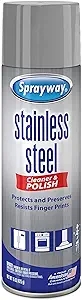
Stainless Steel Cleaner

https://amzn.to/3VcT1p9

Compact Vacuum, Hand Held

https://amzn.to/3yNuK1i

Washing Machine Cleaner, Cleans Front Load and Top Load Washers

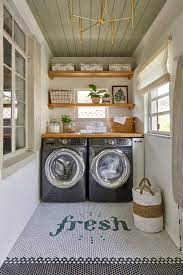
How to Organize Your Laundry Room: Detergents, Cleaning Supplies, and Laundry Baskets

Your laundry room may not be the most glamorous space in your home, but with a little organization, it can become a functional and efficient area for all your laundry needs. Here are some tips for organizing your laundry room, focusing on detergents, cleaning supplies, and laundry baskets.

1. Declutter and Purge

Start by decluttering your laundry room. Remove any items that you no longer use or need, including old or expired cleaning supplies, worn-out laundry baskets, and empty detergent bottles. This will create more space and make it easier to organize what’s left.

2. Use Vertical Storage

Maximize your space by using vertical storage solutions. Install shelves or wall-mounted organizers to store detergent bottles, fabric softener, and other cleaning supplies. Utilize baskets or bins to corral smaller items like dryer sheets, stain removers, and lint rollers.

3. Create Zones

Designate specific areas for different tasks or items in your laundry room. Create a laundry station where you can sort and fold clothes, and designate a separate area for storing cleaning supplies. Keep laundry baskets nearby for sorting and transporting clothes to and from the washer and dryer.

4. Invest in Storage Solutions

Invest in storage solutions that suit your space and needs. Look for stackable storage containers for detergent pods or dryer sheets, over-the-door organizers for cleaning supplies, and rolling carts for storing laundry baskets or sorting clothes.

5. Label Everything

Labeling containers, baskets, and shelves will help keep your laundry room organized and make it easier to find what you need. Use a label maker or write labels by hand to clearly identify the contents of each storage bin or shelf.

6. Keep It Tidy

Make it a habit to keep your laundry room tidy and organized. Take a few minutes after each laundry session to put away supplies, fold clothes, and wipe down surfaces. Regular maintenance will prevent clutter from building up and keep your laundry room looking its best.

Organizing your laundry room doesn’t have to be a daunting task. By following these tips and focusing on detergents, cleaning supplies, and laundry baskets, you can create a functional and efficient space that makes laundry day a breeze. With the right storage solutions and a little effort, your laundry room can become a well-organized oasis in your home.

Crafting Your Perfect Sanctuary: Creating a Reading Nook and Home Office

Finding moments of peace and relaxation can feel like a luxury. But in truth, it’s a necessity for our mental well-being. One way to cultivate tranquility in your home is by creating a space just for you—a reading nook that doubles as a home office. Let’s explore how to craft your perfect sanctuary where you can unwind, read, work, and simply be.

Embrace Comfort

The cornerstone of any reading nook or home office is comfort. Choose a cozy chair or chaise lounge where you can sink in and forget about the world for a while. Look for plush cushions, soft upholstery, and good lumbar support. Remember, this is your sanctuary, so prioritize your comfort above all else.

Lighting Matters

Good lighting is essential for both reading and working. Position your reading nook near a window to take advantage of natural light during the day. Invest in a quality reading lamp for evening hours. Adjustable lighting is ideal, allowing you to set the ambiance for different activities.

Personalize Your Space

Make your reading nook and home office uniquely yours by adding personal touches. Display your favorite books on nearby shelves or in a small bookcase. Hang artwork or photographs that inspire you. Incorporate elements that bring you joy and reflect your personality.

Declutter and Organize

Clutter can disrupt the tranquility of your space and hinder productivity. Keep your reading nook and home office tidy by organizing books, papers, and supplies. Invest in storage solutions like baskets, bins, or shelves to keep everything in its place. A clutter-free environment fosters a clear mind.

Blend Functionality and Serenity

Your reading nook should serve as a haven for relaxation, but it can also be a functional workspace. Choose furniture that multitasks, such as a desk with ample storage or a side table that can hold your coffee mug and laptop. Strike a balance between functionality and serenity to create a space that meets all your needs.

Bring Nature Indoors

Incorporating elements of nature can enhance the peaceful ambiance of your reading nook. Place a potted plant or vase of fresh flowers nearby to add color and life to your space. Natural elements can have a calming effect and help you feel more connected to the outdoors, even when you’re indoors.

Unplug and Unwind

Lastly, make your reading nook a tech-free zone, at least during designated relaxation times. Turn off your phone, step away from the computer, and allow yourself to fully disconnect. Use this time to immerse yourself in a good book, practice mindfulness, or simply enjoy the silence.

Creating a space in your home dedicated to relaxation is essential for your well-being. Whether it’s a cozy reading nook, a functional home office, or a combination of both, prioritize comfort, personalization, and tranquility.