The Importance of Routine Maintenance for Your Home Appliances

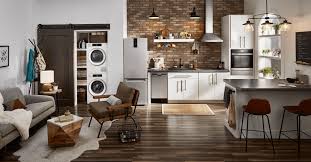
Keeping your home appliances in good working order is essential for both convenience and cost-efficiency. Proper routine maintenance can significantly extend the lifespan of your appliances, saving you money on repairs and replacements. Taking just a few minutes here and there to clean and maintain these common household items can add years to their service life. Here’s how you can keep your refrigerator, washing machine, and dryer running smoothly.

Freshen the Fridge

The refrigerator is one of the hardest working appliances in your home, running 24/7 to keep your food fresh. To ensure it continues to operate efficiently, regular maintenance is key.

  • Regular Cleaning: Spills and expired food can leave the refrigerator sticky and smelly. Make it a habit to wipe down the interior shelves and drawers regularly and discard old or expired items.
  • Door Seals: The door seals (gaskets) are crucial for maintaining the fridge’s cooling efficiency. Wash them with warm soapy water and consider applying a small amount of petroleum jelly to keep them supple and effective.
  • Ice/Water Dispensers and Filters: Clean the ice/water dispensers, drip trays, and ice buckets periodically to prevent buildup and bacteria growth. Additionally, replace the water filter at least twice a year to ensure clean and fresh water.

Maintain the Washer

Your washing machine needs regular care to prevent issues like mold, mildew, and mechanical problems.

  • Air Circulation: After doing a load of laundry, leave the washing machine door open to promote air circulation and help prevent mold and mildew from accumulating inside the drum.
  • Avoid Overloading: Be mindful not to overload the washer with too many clothes or bulky items in one load, as this can strain and potentially break essential components.
  • Check the Bellow: The rubber gasket on the door, known as the bellow, should be checked periodically. Make sure it is clean and free from debris to ensure a tight seal and proper functioning.

Don’t Forget the Dryer

A well-maintained dryer not only dries clothes more efficiently but also reduces the risk of fire.

  • Exhaust Vent: Clean the dryer exhaust vent at least once a year to prevent lint buildup, which can reduce efficiency and pose a fire hazard.
  • Lint Filter: Clean the lint filter after each load. This simple step optimizes your dryer’s power and efficiency and is crucial for safety.
  • Reminders: Consider setting a reminder on your phone or calendar to ensure you stay on top of these maintenance tasks. Regular attention can prevent costly repairs and dangerous situations.

Routine maintenance of your home appliances is a small investment of time that pays off significantly in the long run. By taking the time to regularly clean and check your refrigerator, washing machine, and dryer, you can extend their lifespans, ensure they operate efficiently, and reduce the risk of costly repairs or replacements.

https://amzn.to/4bIdpW1

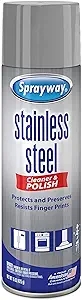
Stainless Steel Cleaner

https://amzn.to/3VcT1p9

Compact Vacuum, Hand Held

https://amzn.to/3yNuK1i

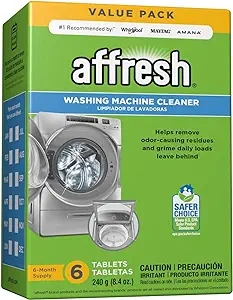
Washing Machine Cleaner, Cleans Front Load and Top Load Washers

How to Organize Your Laundry Room: Detergents, Cleaning Supplies, and Laundry Baskets

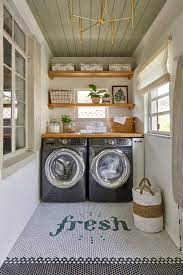
Your laundry room may not be the most glamorous space in your home, but with a little organization, it can become a functional and efficient area for all your laundry needs. Here are some tips for organizing your laundry room, focusing on detergents, cleaning supplies, and laundry baskets.

1. Declutter and Purge

Start by decluttering your laundry room. Remove any items that you no longer use or need, including old or expired cleaning supplies, worn-out laundry baskets, and empty detergent bottles. This will create more space and make it easier to organize what’s left.

2. Use Vertical Storage

Maximize your space by using vertical storage solutions. Install shelves or wall-mounted organizers to store detergent bottles, fabric softener, and other cleaning supplies. Utilize baskets or bins to corral smaller items like dryer sheets, stain removers, and lint rollers.

3. Create Zones

Designate specific areas for different tasks or items in your laundry room. Create a laundry station where you can sort and fold clothes, and designate a separate area for storing cleaning supplies. Keep laundry baskets nearby for sorting and transporting clothes to and from the washer and dryer.

4. Invest in Storage Solutions

Invest in storage solutions that suit your space and needs. Look for stackable storage containers for detergent pods or dryer sheets, over-the-door organizers for cleaning supplies, and rolling carts for storing laundry baskets or sorting clothes.

5. Label Everything

Labeling containers, baskets, and shelves will help keep your laundry room organized and make it easier to find what you need. Use a label maker or write labels by hand to clearly identify the contents of each storage bin or shelf.

6. Keep It Tidy

Make it a habit to keep your laundry room tidy and organized. Take a few minutes after each laundry session to put away supplies, fold clothes, and wipe down surfaces. Regular maintenance will prevent clutter from building up and keep your laundry room looking its best.

Organizing your laundry room doesn’t have to be a daunting task. By following these tips and focusing on detergents, cleaning supplies, and laundry baskets, you can create a functional and efficient space that makes laundry day a breeze. With the right storage solutions and a little effort, your laundry room can become a well-organized oasis in your home.

Crafting Your Perfect Sanctuary: Creating a Reading Nook and Home Office

Finding moments of peace and relaxation can feel like a luxury. But in truth, it’s a necessity for our mental well-being. One way to cultivate tranquility in your home is by creating a space just for you—a reading nook that doubles as a home office. Let’s explore how to craft your perfect sanctuary where you can unwind, read, work, and simply be.

Embrace Comfort

The cornerstone of any reading nook or home office is comfort. Choose a cozy chair or chaise lounge where you can sink in and forget about the world for a while. Look for plush cushions, soft upholstery, and good lumbar support. Remember, this is your sanctuary, so prioritize your comfort above all else.

Lighting Matters

Good lighting is essential for both reading and working. Position your reading nook near a window to take advantage of natural light during the day. Invest in a quality reading lamp for evening hours. Adjustable lighting is ideal, allowing you to set the ambiance for different activities.

Personalize Your Space

Make your reading nook and home office uniquely yours by adding personal touches. Display your favorite books on nearby shelves or in a small bookcase. Hang artwork or photographs that inspire you. Incorporate elements that bring you joy and reflect your personality.

Declutter and Organize

Clutter can disrupt the tranquility of your space and hinder productivity. Keep your reading nook and home office tidy by organizing books, papers, and supplies. Invest in storage solutions like baskets, bins, or shelves to keep everything in its place. A clutter-free environment fosters a clear mind.

Blend Functionality and Serenity

Your reading nook should serve as a haven for relaxation, but it can also be a functional workspace. Choose furniture that multitasks, such as a desk with ample storage or a side table that can hold your coffee mug and laptop. Strike a balance between functionality and serenity to create a space that meets all your needs.

Bring Nature Indoors

Incorporating elements of nature can enhance the peaceful ambiance of your reading nook. Place a potted plant or vase of fresh flowers nearby to add color and life to your space. Natural elements can have a calming effect and help you feel more connected to the outdoors, even when you’re indoors.

Unplug and Unwind

Lastly, make your reading nook a tech-free zone, at least during designated relaxation times. Turn off your phone, step away from the computer, and allow yourself to fully disconnect. Use this time to immerse yourself in a good book, practice mindfulness, or simply enjoy the silence.

Creating a space in your home dedicated to relaxation is essential for your well-being. Whether it’s a cozy reading nook, a functional home office, or a combination of both, prioritize comfort, personalization, and tranquility.

What to Look for in a Floor Cleaner for Laminate Flooring

Laminate flooring has become a popular choice for homeowners seeking the look of hardwood or tile without the hefty price tag. However, to maintain its beauty and longevity, proper cleaning is essential. Here’s what to look for in a floor cleaner for laminate flooring:

Gentle Formulation

When selecting a floor cleaner for laminate flooring, opt for a gentle formulation. Harsh chemicals can damage the protective layer of laminate, leading to dullness and premature wear. Look for cleaners specifically designed for laminate floors, which are typically pH-balanced and free of harsh abrasives.

Damp Mopping Capability

Unlike some other types of flooring, laminate floors require damp mopping rather than wet mopping. Too much moisture can seep into the seams and cause warping or swelling. Choose a floor cleaner that allows for damp mopping, providing just enough moisture to clean the surface without saturating it.

Non-Streaking Formula

Streaks and residue left behind by floor cleaners can detract from the beauty of laminate flooring. Look for a cleaner with a non-streaking formula that leaves floors sparkling clean without any unsightly streaks or film. This will ensure that your laminate floors maintain their sleek appearance.

Easy-to-Use Design

Cleaning your floors should be a hassle-free task. Look for a floor cleaner that is easy to use, whether it comes in a spray bottle, ready-to-use solution, or concentrate that can be diluted with water. A convenient design will make cleaning your laminate floors a quick and efficient process.

Safe for Pets and Children

If you have pets or children in your home, it’s essential to choose a floor cleaner that is safe for them. Look for products that are non-toxic and free from harmful chemicals, ensuring the health and safety of your family and furry friends.

Environmentally Friendly

For those who are eco-conscious, consider opting for an environmentally friendly floor cleaner. Look for products that are biodegradable, phosphate-free, and made from sustainable ingredients. Not only will you be protecting the environment, but you’ll also create a healthier indoor space for your family.

Maintaining the beauty of laminate flooring requires the right cleaning products. When choosing a floor cleaner, prioritize gentle formulations, damp mopping capability, non-streaking formulas, ease of use, safety, and environmental friendliness. With the right cleaner, you can keep your laminate floors looking like new for years to come.

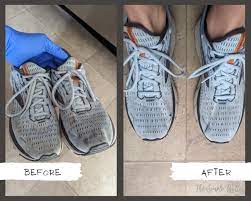
Strip Shoes for a Deep Clean

Our shoes carry us through life’s adventures, accumulating dirt and grime along the way. Unleash the transformative power of a deep clean by stripping your shoes. The step-by-step process to revitalize your footwear and step into a world of freshness.

1. Gather Your Tools:

Before diving in, gather the essentials for an effective cleaning session.

  • Action Steps:
    • Shoe brush or an old toothbrush
    • Mild detergent or shoe cleaner
    • Clean cloth or sponge
    • Water

2. Remove Laces and Insoles:

Start by removing laces and insoles to ensure every nook and cranny gets the attention it deserves.

  • Action Steps:
    • Untie and remove laces.
    • Take out insoles for a thorough clean.

3. Brush Away Surface Dirt:

Use a shoe brush or an old toothbrush to remove surface dirt and debris.

  • Action Steps:
    • Gently brush all exterior surfaces.
    • Pay extra attention to seams and crevices.

4. Prepare Cleaning Solution:

Mix a small amount of mild detergent or specialized shoe cleaner with water.

  • Action Steps:
    • Create a soapy solution in a bowl.
    • Ensure the detergent is suitable for the shoe material.

5. Wipe Down Exterior:

Dip a clean cloth or sponge into the soapy solution and wipe down the shoe’s exterior.

  • Action Steps:
    • Clean one section at a time.
    • Use a gentle, circular motion for effective cleaning.

6. Clean Laces Separately:

Soak laces in the soapy water or, if applicable, replace them with new ones.

  • Action Steps:
    • Scrub laces with a toothbrush or replace if heavily soiled.
    • Allow them to air-dry completely.

7. Dry Thoroughly:

After cleaning, let your shoes air-dry completely before reassembling.

  • Action Steps:
    • Place shoes in a well-ventilated area.
    • Avoid direct sunlight or heat sources.

Stripping your shoes for a deep clean is a rewarding process that not only rejuvenates their appearance but also extends their lifespan.

Beyond Paper: The Surprising Versatility of Binder Clips

Binder clips, those unassuming office supplies typically used for holding stacks of paper together, have proven to be versatile tools that extend beyond the realm of paperwork. Three ingenious ways to repurpose binder clips, showcasing their adaptability and usefulness in everyday scenarios.

1. Cable Organizers:

Say goodbye to tangled and messy cables with the help of binder clips.

  • Action Steps:
    • Attach binder clips to the edge of your desk or table.
    • Thread your cables through the clips to keep them organized and easily accessible.
    • Label each clip for quick identification.

This simple hack turns binder clips into efficient cable organizers, making your workspace neater and more organized.

2. Snack Bag Sealers:

Tired of struggling with chip clips that never seem to hold? Enter binder clips to the rescue.

  • Action Steps:
    • Fold the opened end of a snack bag.
    • Use a binder clip to secure the folded section.
    • Enjoy fresh and neatly sealed snacks without the need for additional clips.

Binder clips provide a secure seal, keeping your snacks fresh and eliminating the need for extra, single-use clips.

3. Phone Stand:

Need a quick and easy stand for your phone? Look no further than a binder clip.

  • Action Steps:
    • Take a large binder clip and unfold the arms.
    • Place the clip on your desk with the arms extended, creating a stand.
    • Adjust the angle by bending the arms, providing a makeshift phone stand.

This innovative use transforms a binder clip into a practical and adjustable phone stand, perfect for hands-free viewing or video calls.

Binder clips, often overlooked in their primary purpose, reveal a world of possibilities beyond paperwork. From keeping cables in check to sealing snack bags and serving as a makeshift phone stand, these simple office supplies showcase their adaptability and versatility in unexpected ways. So, before you dismiss binder clips as mere desk accessories, consider the myriad creative applications that can add convenience and organization.

Binder Clips                                   

Mastering the Art: Quick Tips for Speedy Laundry Folding

Laundry folding may seem like a mundane chore, but with a few strategic tweaks, you can transform it into a swift and efficient task. Here are some practical tips to get your laundry folded faster, from leveraging warmth to creating a dedicated folding station and rethinking what deserves a spot on hangers.

  1. Fold When Clothes Are Warm:

Timing is everything, even in laundry folding. Take advantage of the residual heat from the dryer by folding your clothes as soon as they’re warm to the touch. Warm fabrics are more pliable, making them easier to fold neatly and efficiently.

  1. Create a Folding Station:

Designate a specific area in your laundry room or bedroom as a folding station. Equip it with a flat surface, like a folding table, and keep it clutter-free. Having a dedicated space not only streamlines the process but also ensures that you’re not searching for a suitable spot every time you need to fold.

  1. Invest in Folding Aids:

Consider using folding aids or templates to achieve consistent folds effortlessly. There are various tools available that help you fold shirts, pants, and even fitted sheets with precision. These aids not only speed up the process but also contribute to a tidier appearance in your closet or drawers.

  1. Prioritize Folding Over Hanging:

While certain items may benefit from hanging to prevent wrinkles, reassess what truly needs this treatment. Often, folding is quicker and more space-efficient. Reserve hangers for delicate fabrics, blouses, and formal attire, and embrace the efficiency of neatly folded casual wear.

  1. Sort Before Folding:

Save time by sorting your laundry before you start folding. Group similar items together, such as all T-shirts, pants, or socks. This way, you can move seamlessly from one category to the next, streamlining the process and minimizing the time spent searching for specific pieces.

  1. Enlist Help:

If laundry folding tends to pile up, enlist the help of family members or roommates. Make it a collective effort, turning what could be a solitary task into a shared responsibility. With more hands on deck, the folding process becomes faster and even enjoyable.

Laundry folding doesn’t have to be a time-consuming ordeal. By incorporating these tips into your routine—folding warm clothes, creating a designated folding station, utilizing aids, reconsidering what you hang, sorting beforehand, and enlisting help—you’ll find that your laundry can be folded faster and with greater ease. Transform this chore into a streamlined and efficient task, leaving you with more time.