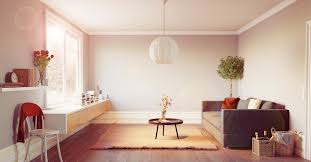
Boosting Natural Light in Darker Months: Brighten Your Home All Winter Long

As the days grow shorter and the weather turns colder, our homes can start to feel a little darker and gloomier. The lack of natural sunlight can have a significant impact on our mood and overall well-being, but with a few clever tweaks, you can make the most of the daylight you do get and even make your space feel brighter and more inviting.

Here are some easy and effective ways to boost natural light indoors during the darker months:

1. Use Mirrors to Reflect Light

Mirrors are one of the simplest and most effective ways to amplify natural light in a room. By strategically placing mirrors opposite windows or in areas where light can bounce off them, you can create the illusion of more space and brightness. A large mirror or a group of smaller ones placed thoughtfully can reflect light into darker corners, making your home feel sunnier and more spacious.

Mirrors with light-colored frames or frameless mirrors will blend seamlessly with your décor while maximizing the reflective effect.

2. Opt for Light Curtains or Blinds

Heavy drapes or dark blinds may block out light, making a room feel even dimmer. Instead, choose light-colored or sheer curtains that allow more daylight to filter through. If you prefer blinds, go for ones in light, neutral shades. These subtle changes can make a world of difference in the amount of natural light entering a room.

Keep curtains open during the day to let as much light in as possible, and close them at night for warmth and privacy.

3. Use Light Colors for Walls and Furniture

Dark-colored walls and furniture can absorb light, making a room feel smaller and more cramped. Instead, opt for lighter shades such as whites, light grays, pastels, or off-whites to create a brighter, more open atmosphere. Light-colored furniture and accessories will reflect light rather than absorbing it, helping to brighten up the space.

If you’re not ready to repaint, start with smaller accents like throw pillows, rugs, and table lamps in light shades to add brightness.

4. Strategically Place Furniture

The way you arrange your furniture can make a big impact on how natural light flows throughout the room. Avoid blocking windows with large pieces of furniture, and instead, arrange seating or shelving near walls where light can bounce off. Open up the flow of the room to ensure that light doesn’t get trapped in corners.

Keep the space around windows as clear as possible to allow natural light to reach every corner of the room.

5. Maximize Natural Light in Your Entryway

If your entryway tends to be dark, consider installing a glass door, adding a transom window, or placing a mirror near the entrance. This will help draw natural light into your home as soon as you walk through the door.

Add a light-colored rug and an inviting piece of artwork to create an even brighter and more welcoming entryway.

6. Add Plants Near Windows

Not only do plants bring life and freshness to your home, but they can also help optimize light. Place them near windows to enhance your natural lighting while adding a natural, calming touch. Plus, plants can help purify the air, improving both the atmosphere and the light quality in your home.

Opt for low-maintenance plants like snake plants or succulents if you’re short on time.

By incorporating some of these strategies into your home, you can brighten up the space, enhance your mood, and make your home feel more vibrant, even when the days are short and the skies are overcast. Whether it’s with a mirror, lighter curtains, or a rearranged furniture layout, small adjustments can create big improvements in how you experience natural light indoors. Plus, who doesn’t love a bright, sunny home during the colder months?

Let the light in and enjoy the seasonal warmth—inside and out!
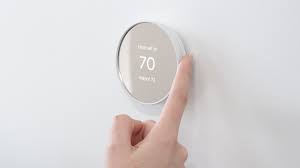
Smart Thermostat

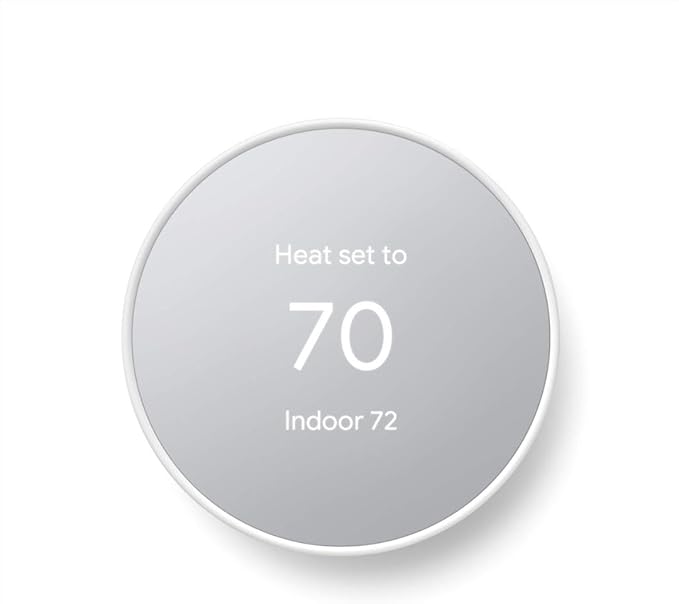
One of the first things we upgraded when we bought our home that was built in the 90’s was the thermostat. We have liked our Nest for the following reasons:

  1. Energy Savings: Smart thermostats can automatically adjust to our schedule and habits, reducing energy consumption when we aren’t at home or when we’re asleep. This can help lower energy bills.
  2. Remote Control: With a smart thermostat, we can adjust our home’s temperature from anywhere, using a smartphone app or web browser. This means we can turn up the heat or air conditioning before arriving home, for example so that we arrive to a comfortable temperature.
  3. Improved Comfort: Smart thermostats can learn our preferences and adjust the temperature accordingly. For example, if we like to keep our home cooler at night, the thermostat will automatically adjust the temperature accordingly.
  4. Enhanced User Experience: Many smart thermostats feature intuitive interfaces and offer a range of customization options, such as multiple temperature zones and scheduling options.
  5. Increased Convenience: Smart thermostats can be integrated with other smart home devices, such as smart locks, smart lights, and smart speakers, creating a seamless and convenient user experience.

Buy here:

Google Nest Thermostat – Smart Thermostat for Home – Programmable Wifi Thermostat

https://amzn.to/4nHPpbC

25% off- (subject to change)

Why Tower Fans Are a Summer Must-Have for Your Home

When the summer heat rolls in, keeping your home cool and comfortable becomes a top priority. While air conditioning is great, it can be expensive to run all day long—and sometimes you just want a simple, efficient way to stay cool without cranking up your energy bill. That’s where tower fans come in.

What Makes Tower Fans Perfect for Summer?

1. Space-Saving Design
Tower fans are slim and sleek, making them perfect for rooms where floor space is limited. Unlike bulky box fans or pedestal fans, tower fans fit neatly into corners or tight spots without getting in the way.

2. Powerful Airflow with Quiet Operation
Don’t be fooled by their size—tower fans deliver strong, consistent airflow that helps circulate cool air throughout the room. Plus, most models run quietly, so you can sleep, work, or relax without the distracting hum of a traditional fan.

3. Multiple Speed and Mode Settings
From gentle breezes to high-powered cooling, tower fans usually come with adjustable speed settings and modes like “natural wind” or “sleep mode.” This customization lets you tailor your cooling experience to your exact needs.

4. Energy Efficient
Compared to running central air conditioning, tower fans use a fraction of the electricity. They’re an eco-friendly way to cool a room without breaking the bank on energy bills.

5. Convenient Features
Many tower fans come with remote controls, timers, and oscillation features, giving you easy control from anywhere in the room. You can set it to turn off after you fall asleep or direct the airflow exactly where you need it.

How I Use Tower Fans in My Home

I keep a tower fan in the living room, bedroom, and even the kitchen. They help keep the air moving, reduce stuffiness, and make those hot summer evenings much more comfortable. Sometimes I use them alongside the AC to lower the thermostat setting, saving energy without sacrificing comfort.

https://amzn.to/44NA16Z

a bladeless tower fan that’s quiet, powerful, and stylish enough to leave out when guests come over.

https://amzn.to/4kpyM2h

Dreo’s all-in-one airflow system combines with a supercharged electric motor, delivering high-speed, refreshing winds. This 36-inch compact tower fan enlivens every inch of air in your living space fast at up to 25ft/s.

https://amzn.to/44TrSOB

Tower Fan for Bedroom, Quiet Cooling Desk Fan with Remote

Creating a Home That Supports Mental Health

Our homes are more than just a place to rest our heads; they are our sanctuaries—spaces where we unwind, recharge, and foster our emotional well-being. In today’s fast-paced world, creating a home environment that nurtures our mental health has never been more important. Whether you’re designing a new space or rearranging what you already have, there are simple, effective ways to create an environment that promotes relaxation, creativity, and mental peace.

1. Embrace Natural Light

Natural light has a profound impact on our mood and mental clarity. Sunlight boosts serotonin levels, helping to combat feelings of anxiety and depression. To harness the power of natural light in your home, open up curtains or blinds during the day and consider placing mirrors strategically to reflect light around the room. If you live in a space with limited natural light, consider using full-spectrum light bulbs or light therapy lamps that simulate daylight.

2. Declutter Your Space

Clutter can cause stress, anxiety, and a feeling of being overwhelmed. To create a peaceful environment, prioritize organization. Keep your home tidy by creating systems for storing everyday items and getting rid of unnecessary things. You don’t need to have a minimalist approach, but a home that is organized and clutter-free provides more mental space for relaxation and creativity. Consider adding storage solutions like baskets, shelves, or storage ottomans to reduce visual clutter.

3. Incorporate Calming Colors

The colors in your home can influence your emotional state. Soft, neutral colors like pastels or earthy tones promote relaxation, while bold and vibrant colors can evoke energy and creativity. For spaces meant for rest and relaxation, such as bedrooms or living rooms, opt for soothing colors like light blues, soft greens, and warm neutrals. If you want to stimulate creativity, consider a splash of energizing colors like yellow or orange in your home office or creative nook.

4. Bring in Nature

Nature has a calming effect on the mind. Bringing the outdoors inside can help reduce stress and create a more peaceful home environment. You can add houseplants, flowers, or natural elements like wood and stone to your décor. Plants such as aloe vera, peace lilies, or spider plants not only add beauty to your home but also improve air quality, which further supports mental well-being. Nature-inspired décor, such as artwork featuring landscapes, can also enhance the mood of any room.

5. Create Spaces for Relaxation

Designate areas in your home specifically for relaxation. A cozy reading nook, a meditation corner, or a comfortable spot by the window can help you unwind and recharge. Add soft furniture, cozy throws, and calming accessories like scented candles, diffusers, or soft music to set the mood. These spaces offer a sanctuary where you can escape from the stresses of daily life and focus on your mental health.

6. Promote Movement and Activity

Your home should also support physical well-being, as physical health and mental health are deeply connected. Create spaces where you can engage in physical activity, whether it’s a small yoga area, a home gym, or a spot for dance or stretching. Staying physically active helps to reduce stress, boosts mood, and improves overall mental health. Even adding an area to stretch or take a short walk can help increase your emotional well-being.

7. Personalize Your Space

Personalization is key to making your home feel like a reflection of yourself. Surround yourself with items that bring you joy, comfort, and peace. Whether it’s family photos, favorite artwork, or meaningful objects, these personal touches can foster a sense of belonging and emotional connection. Personalizing your space helps you feel grounded and supported, creating a positive atmosphere that nurtures your mental health.

8. Mind the Sounds

Noise pollution, even in your own home, can increase stress levels and hinder relaxation. To promote peace, think about the sounds in your environment. Consider incorporating soothing sounds like gentle music, nature sounds, or white noise. Soft background music can enhance relaxation, while silence can help you recharge. If your space is noisy, invest in noise-canceling headphones or soundproofing to reduce unwanted distractions.

9. Simplify Your Space

A home that reflects simplicity can help reduce mental clutter. Aim for a design that’s clean and uncluttered, allowing for a sense of calm and ease. Avoid overcrowding rooms with too much furniture or excessive decorations. Keep it simple by choosing key pieces that offer function and beauty. A simpler space gives the mind a chance to relax, making it easier to find peace and tranquility.

10. Use Aromatherapy

Certain scents can have a calming effect on the mind and body. Consider using essential oils or scented candles in your home to create an atmosphere of relaxation. Lavender, chamomile, and eucalyptus are all known for their soothing properties. Aromatherapy can also help with concentration and mental clarity, making it a great addition to your home office or study area.

Your home should be a space that supports and nurtures your mental well-being. By creating an environment that promotes relaxation, creativity, and peace, you can transform your home into a sanctuary for both your body and mind. Incorporate natural light, calming colors, and elements of nature, and prioritize spaces for relaxation and physical activity. In doing so, you’ll create a space where you can thrive emotionally and find the balance needed to live your best life.

More Glazing for Health and Light: A Home Design Trend with Benefits

Incorporating nature into our homes isn’t just about aesthetics—it’s also a matter of health and well-being. Modern design trends are focusing on expanding the connection between indoor and outdoor spaces, allowing more natural light to flow into our homes. The result? A brighter, healthier, and more energy-efficient living environment.

Why Now?

Emerging research continues to demonstrate the positive effects of natural light and access to nature on mental and physical health. In response, home design has embraced larger, custom-designed windows, doors, and skylights to bring the outdoors inside. According to Andersen Windows and Doors’ 2025 report, homeowners are increasingly investing in these upgrades for both their beauty and their functionality.

Key Changes in Window and Door Design

  1. Walls of Light
    • Multi-glide doors that stack together allow homeowners to create entire walls of glass. These innovative designs maximize views and light, seamlessly blending the indoor and outdoor worlds.
  2. Triple-Pane Glass for Energy Efficiency
    • As energy codes become stricter, triple-pane glass is gaining popularity. Not only does it meet energy requirements, but it also enhances insulation, keeping homes comfortable year-round while lowering utility bills.
  3. Dark Colors for Temperature Control
    • Dark-colored window frames are more than a style choice. They reduce heat absorption, making them both functional and fashionable in sun-drenched areas.
  4. Accessibility-Friendly Designs
    • Wider doorways and accessible handles ensure that these glazing solutions work for everyone, including those who use wheelchairs or walkers. This makes homes not just beautiful, but inclusive.

Tech Meets Design: AI and Glazing

Some design firms are now leveraging AI to study site lines, natural light patterns, and views before installing windows and doors. This data-driven approach ensures every home gets the best possible combination of functionality and aesthetics, turning every window into a picture-perfect frame.

Why It Matters

Natural light isn’t just visually appealing; it’s linked to improved mood, productivity, and overall health. With innovations like energy-efficient triple panes and expansive glazing, homeowners can enjoy these benefits without sacrificing sustainability or comfort.

Takeaway

The trend toward more glazing isn’t just a passing fad—it’s a lifestyle upgrade. By incorporating larger windows, custom doors, and smart designs into your home, you’re not just enhancing its beauty; you’re investing in your health and well-being.

Boosting Natural Light in Darker Months: Brighten Your Home All Winter Long

As the days grow shorter and the weather turns colder, our homes can start to feel a little darker and gloomier. The lack of natural sunlight can have a significant impact on our mood and overall well-being, but with a few clever tweaks, you can make the most of the daylight you do get and even make your space feel brighter and more inviting.

Here are some easy and effective ways to boost natural light indoors during the darker months:

1. Use Mirrors to Reflect Light

Mirrors are one of the simplest and most effective ways to amplify natural light in a room. By strategically placing mirrors opposite windows or in areas where light can bounce off them, you can create the illusion of more space and brightness. A large mirror or a group of smaller ones placed thoughtfully can reflect light into darker corners, making your home feel sunnier and more spacious.

Mirrors with light-colored frames or frameless mirrors will blend seamlessly with your décor while maximizing the reflective effect.

2. Opt for Light Curtains or Blinds

Heavy drapes or dark blinds may block out light, making a room feel even dimmer. Instead, choose light-colored or sheer curtains that allow more daylight to filter through. If you prefer blinds, go for ones in light, neutral shades. These subtle changes can make a world of difference in the amount of natural light entering a room.

Keep curtains open during the day to let as much light in as possible, and close them at night for warmth and privacy.

3. Use Light Colors for Walls and Furniture

Dark-colored walls and furniture can absorb light, making a room feel smaller and more cramped. Instead, opt for lighter shades such as whites, light grays, pastels, or off-whites to create a brighter, more open atmosphere. Light-colored furniture and accessories will reflect light rather than absorbing it, helping to brighten up the space.

If you’re not ready to repaint, start with smaller accents like throw pillows, rugs, and table lamps in light shades to add brightness.

4. Strategically Place Furniture

The way you arrange your furniture can make a big impact on how natural light flows throughout the room. Avoid blocking windows with large pieces of furniture, and instead, arrange seating or shelving near walls where light can bounce off. Open up the flow of the room to ensure that light doesn’t get trapped in corners.

Keep the space around windows as clear as possible to allow natural light to reach every corner of the room.

5. Maximize Natural Light in Your Entryway

If your entryway tends to be dark, consider installing a glass door, adding a transom window, or placing a mirror near the entrance. This will help draw natural light into your home as soon as you walk through the door.

Add a light-colored rug and an inviting piece of artwork to create an even brighter and more welcoming entryway.

6. Add Plants Near Windows

Not only do plants bring life and freshness to your home, but they can also help optimize light. Place them near windows to enhance your natural lighting while adding a natural, calming touch. Plus, plants can help purify the air, improving both the atmosphere and the light quality in your home.

Opt for low-maintenance plants like snake plants or succulents if you’re short on time.

By incorporating some of these strategies into your home, you can brighten up the space, enhance your mood, and make your home feel more vibrant, even when the days are short and the skies are overcast. Whether it’s with a mirror, lighter curtains, or a rearranged furniture layout, small adjustments can create big improvements in how you experience natural light indoors. Plus, who doesn’t love a bright, sunny home during the colder months?

Let the light in and enjoy the seasonal warmth—inside and out!
Prep Your Home for Winter: Wrap Your Water Heater in Warmth

As temperatures drop and energy bills rise, it’s the perfect time to ensure your home is winter-ready. One often-overlooked energy saver? Insulating your hot water heater. If your unit is older or has an R-value below 24 (check the label or manual), it could be losing heat unnecessarily. Here’s how to keep it cozy and efficient.

Why Wrap Your Water Heater?

Think of a water heater insulation blanket as a jacket for your tank. Made from materials like foil or fiberglass, these wraps reduce heat loss by 25-45%. This means your water heater doesn’t have to work as hard, saving energy and lowering utility costs by 7-16%. Over the course of a year, the savings often pay for the cost of the blanket.

How to Tell If Your Water Heater Needs Wrapping

  • Touch Test: If your water heater feels warm, it’s losing heat.
  • Check the R-Value: If it’s less than 24, it’s a good candidate for insulation.

Choosing the Right Blanket

Water heater blankets come in various sizes, so make sure to pick one that fits your tank. Options range from budget-friendly foil wraps to thicker fiberglass models. Look for kits that include adhesive or straps for easy installation.

Quick Installation Tips

  1. Turn off the water heater: Safety first!
  2. Cut around controls: Ensure vents, knobs, and access panels are unobstructed.
  3. Secure tightly: Use the straps provided to snugly wrap the blanket around the tank.

Bonus: Eco-Friendly and Budget-Friendly

By insulating your water heater, you’re not just saving money—you’re reducing your home’s energy consumption, which is great for the environment.

Wrapping It Up (Pun Intended)

Prepping for winter doesn’t have to be complicated. Small upgrades, like wrapping your hot water heater, can lead to big savings and a cozier home. So, grab that insulation blanket and give your water heater the winter jacket it deserves!

https://amzn.to/3YVxeE7

Simple Ways to Winterize Your Home: Stay Warm and Save Money This Winter

Winter is coming, and as temperatures drop, it’s the perfect time to make sure your home is ready for the cold months ahead. Winterizing your home doesn’t need to be a huge, overwhelming task. In fact, with just a few simple steps, you can improve your home’s energy efficiency, keep it cozy, and even save some money on your heating bills. Here are three easy ways to prepare your home for winter:

1. Flush Your Water Heater

Over time, particles and sediment from hard water can accumulate at the bottom of your water heater, making it less efficient. This can lead to reduced heating capacity and potentially cause overheating, leaving you with higher energy costs or a broken unit.

How to do it:

  • Turn off the power or gas to the water heater.
  • Shut off the cold water supply valve.
  • Attach a garden hose to the drain valve and direct it to a floor drain or outside.
  • Open the drain valve and let the tank fully drain.
  • Close the valve and refill the tank, ensuring it’s free of sediment.

Flushing your water heater once a year can improve its performance and extend its lifespan.

2. Reverse Your Ceiling Fans

If you haven’t already, now is the time to adjust your ceiling fans to rotate in a clockwise direction. Most ceiling fans have a switch that allows you to change the direction of the blades. In the winter months, setting your fan to turn clockwise helps push warm air that naturally rises towards the ceiling back down to where you need it—on the floor.

Why it matters:
Warm air tends to collect at the ceiling, and by reversing your fan, you’ll circulate it throughout the room, keeping things warmer and reducing the need for excessive heating.

3. Program Your Thermostat

One of the easiest ways to save money during the winter is by adjusting your thermostat. The U.S. Department of Energy suggests lowering your thermostat by 7-10°F for 8 hours a day (like overnight or when you’re at work). This can save you up to 10 percent annually on your heating bills.

Tips for programming your thermostat:

  • Set the temperature lower when you’re asleep or away from home.
  • If you have a smart thermostat, consider setting it to adjust automatically based on your daily schedule.
  • Avoid turning the heat up too high, as it will only lead to higher bills without significantly improving comfort.

By following these simple steps, you’ll not only keep your home warm and comfortable throughout the winter, but you’ll also ensure that your heating system runs efficiently.

Low-Flow and Low-Flush Toilets: Less Water, More Savings

Older toilets can be major culprits when it comes to excessive water use. Fortunately, modern technology offers a solution in the form of low-flow and low-flush toilets. These high-efficiency fixtures not only conserve water but also lead to significant cost savings. Here’s why making the switch to these water-saving toilets is a smart move for both the environment and your wallet.

Understanding Water Usage in Toilets

Traditional toilets use between 3.5 to 7 gallons of water per flush. Over time, this adds up to substantial water consumption, especially in households with multiple occupants. In contrast, low-flow and low-flush toilets are designed to use significantly less water—typically 1.6 gallons or less per flush.

The Environmental Impact

Swapping out old toilets for newer, high-efficiency models could have a dramatic impact on water conservation. The U.S. Environmental Protection Agency (EPA) estimates that if every household in America replaced their old toilets with WaterSense-labeled models, we could save up to 360 billion gallons of water per year. That’s a staggering amount of water that could help preserve vital resources and reduce the strain on our water systems.

Cost Savings

While the initial cost of purchasing and installing a low-flow or low-flush toilet may seem daunting, the long-term savings are well worth the investment. Here’s how:

  • Water Bills: By using less water per flush, these toilets can significantly reduce your monthly water bill. Depending on your local water rates and household usage, you could see savings of $100 or more annually.
  • Maintenance Costs: Modern toilets are designed to be more efficient and durable, which can reduce the frequency of repairs and replacements. Additionally, many low-flow models come with longer warranties.

Features of Low-Flow and Low-Flush Toilets

When selecting a new toilet, consider the following features to maximize efficiency and comfort:

  • Dual-Flush Mechanism: Many high-efficiency toilets feature a dual-flush option, allowing users to choose between a partial flush for liquid waste and a full flush for solid waste. This further reduces water usage.
  • WaterSense Certification: Look for toilets with the WaterSense label, which indicates that the product meets the EPA’s water efficiency and performance criteria.
  • Improved Design: Modern toilets often include advanced flushing technology that ensures a powerful and effective flush while using less water.

Installation Tips

  • Professional Installation: While installing a new toilet can be a DIY project, it’s often best to hire a professional plumber to ensure proper installation and avoid potential leaks or issues.
  • Check for Leaks: After installation, check for any leaks or running water, which can waste additional water and increase bills.
  • Proper Maintenance: Regularly clean and maintain your new toilet to ensure it continues to function efficiently and effectively.

Switching to low-flow and low-flush toilets is a simple yet impactful way to conserve water and save money. By upgrading your old, water-guzzling toilets to modern, high-efficiency models, you contribute to environmental sustainability and enjoy lower utility bills.

So, if you’re looking for a straightforward home improvement that benefits both the environment and your finances, consider making the switch to low-flow and low-flush toilets.

5 Home Energy Tips to Save Money and Reduce Waste

As we approach the changing seasons, many of us are experiencing fluctuations in weather patterns, leading to increased energy consumption and higher utility bills. To help you better manage your home’s energy usage and save money, here are five simple tips to follow:

  1. Set Your Thermostat to Auto: Programming your thermostat to “auto” mode can help regulate your home’s temperature more efficiently. This means your heating and cooling systems will only kick in when needed, reducing unnecessary energy consumption during times when you’re not at home or when the weather is mild.
  2. Utilize Fans and Heaters Wisely: On warmer days, make use of ceiling fans or portable fans to circulate air and create a cooling effect without relying heavily on air conditioning. Conversely, when it’s chilly, opt for space heaters to provide targeted warmth in specific areas rather than heating the entire house. This targeted approach can help reduce energy waste and lower your heating and cooling costs.
  3. Unplug Unused Appliances: Many appliances and electronic devices continue to draw power even when they’re turned off, contributing to “phantom” energy consumption. By unplugging devices such as chargers, kitchen appliances, and entertainment systems when they’re not in use, you can prevent this unnecessary energy drain and save on your electricity bill.
  4. Switch to LED Lightbulbs: Replace traditional incandescent bulbs with energy-efficient LED lightbulbs throughout your home. LED bulbs use significantly less energy and last much longer than incandescent bulbs, resulting in lower electricity bills and reduced environmental impact. While the initial investment may be slightly higher, the long-term savings and durability of LED bulbs make them a cost-effective choice.
  5. Seal or Replace Cracked Weatherstripping: Proper insulation is key to maintaining a comfortable indoor temperature and preventing heat loss or gain. Check the weatherstripping around doors and windows for any cracks, gaps, or signs of wear and tear. Sealing these areas with caulking or replacing damaged weatherstripping can improve your home’s energy efficiency by minimizing drafts and air leakage.

By incorporating these energy-saving tips into your daily routine, you can take proactive steps to reduce energy waste, lower your utility bills, and contribute to a more sustainable future for our planet. Small changes can add up to significant savings over time, benefiting both your wallet and the environment. Start implementing these strategies today to enjoy a more energy-efficient and cost-effective home.