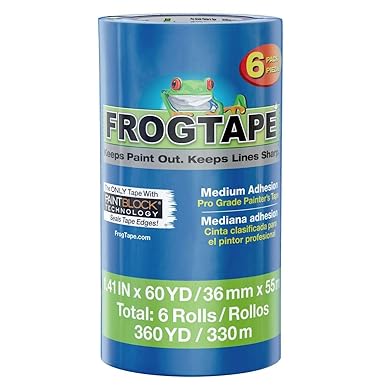
Painting can transform a space, but clean, crisp lines can make all the difference. Master the art of taping off with these simple tips to elevate your DIY painting projects:
1. Choose the Right Tape for the Job
Not all painter’s tapes are created equal. Use high-quality tape designed for the surface you’re working on—delicate surfaces like wallpaper or freshly painted walls might need low-adhesion tape, while tougher surfaces like wood or brick may require stronger options.
2. Prep the Surface First
For tape to adhere properly, ensure the surface is clean, dry, and free of dust or grease. Wipe down the area with a damp cloth and let it dry completely before applying tape. This ensures the tape sticks securely and reduces the chances of paint bleeding through.
3. Apply and Seal the Tape Properly
When applying tape, work in small sections, pressing down firmly along the edges. Use a putty knife or a credit card to smooth the tape and seal it against the surface. This step is crucial to achieving those sharp, professional-looking lines.
4. Remove Tape Carefully and at the Right Time
The key to a clean finish is timing. Remove the tape while the paint is still slightly wet to avoid pulling off dried paint. Peel it back slowly at a 45-degree angle to prevent smudging or chipping.
Bonus Tip: Practice Patience
Taking your time during the taping process can save hours of touch-ups later. A little extra effort upfront ensures a polished result that you’ll be proud of.
Hosting friends and family for the holidays? Make your guest room a haven of comfort and warmth with these 5 thoughtful touches that are sure to make your visitors feel right at home.
1. Cozy Bedding
Nothing feels more welcoming than a comfortable bed. Invest in soft linens, extra blankets, and plush pillows to ensure your guests enjoy a restful night. Fresh, cozy bedding makes a huge difference in making them feel at ease.
2. Essential Storage & Amenities
Help your guests unpack easily with extra hangers, a luggage rack, and toiletries like soap, towels, and toiletries. Simple storage solutions keep the space tidy and organized.
3. Warm Décor & Ambiance
Add a personal touch with soft lighting, a few decorative items like fresh flowers or cozy throws. These small details create a homey atmosphere and make guests feel comfortable and appreciated.
4. Charging Stations & Wi-Fi Info
Set up charging stations with accessible outlets and leave Wi-Fi details easily accessible. Guests will appreciate having convenient access to power and connection without having to search.
5. Comfortable Seating & Workspace
A cozy chair or small desk can provide a dedicated spot for reading or working. These extra touches offer versatility and comfort for guests who want a quiet space.
Who doesn’t want their home to have that luxurious, polished look? You don’t need to spend a fortune to make your space feel like it’s been professionally designed. With a few simple updates and clever decorating ideas, you can elevate the feel of your home in a way that looks far more expensive than it really is.
1. Decorate with Large Art and Framed Photographs
One of the simplest and most impactful ways to make your home look more expensive is by incorporating large art pieces or framed photographs. Hanging oversized artwork creates a dramatic focal point and elevates the room’s atmosphere. Even framing family photos in a uniform, matching style can give your home a gallery-like feel. For example, one client spent just $200 framing black-and-white family photos, and guests thought it was an expensive, professionally done gallery wall. So, whether it’s vintage posters, engineering prints, or personal photos.
2. Update Hardware
Small details can make a world of difference. If you’re looking for a quick upgrade, replace outdated hardware like drawer pulls, knobs, and handles. A simple swap for sleek, modern finishes like matte black, brushed brass, or polished nickel can instantly make a kitchen or bathroom look more high-end. It’s a low-cost update that packs a punch!
3. Hang Decorative Mirrors
Mirrors not only add elegance and visual interest, but they can also make your space feel larger and brighter. A strategically placed large framed mirror can enhance the sense of luxury and depth in any room. Plus, mirrors reflect light, which instantly brightens up even the darkest corners. Try hanging mirrors with ornate frames in living rooms or bathrooms to make your space feel expansive and chic without overspending.
Making your home feel more luxurious doesn’t require a hefty budget or extensive renovations. By focusing on these simple, stylish upgrades, like large art pieces, updated hardware, and decorative mirrors, you can add instant sophistication and create an elevated atmosphere in your home. So, if you want to impress guests or just enjoy a more refined environment, start with these easy and cost-effective changes.
Winter can be challenging for houseplants, as the colder months bring shorter days, reduced sunlight, and drier indoor air from heating systems. However, with a few thoughtful adjustments, your plants can thrive until spring. Here are some essential tips to keep your greenery healthy and vibrant this winter:
1. Adjust Light Exposure
Maximize available light: Place plants near south- or west-facing windows, where they can receive the most sunlight during shorter days.
Clean windows: Dust and dirt can block light; keeping them clean ensures more light reaches your plants.
Supplement with grow lights: If natural light is insufficient, consider using LED grow lights to mimic sunlight and support photosynthesis.
2. Water Wisely
Reduce watering frequency: Plants grow more slowly in winter, meaning they need less water. Check the soil moisture before watering—if the top inch feels dry, it’s time for a drink.
Use room-temperature water: Cold water can shock plant roots, so let tap water sit out to reach room temperature before use.
Avoid overwatering: Excess water can lead to root rot, a common issue during winter when evaporation is slower.
3. Manage Indoor Humidity
Combat dry air: Heaters can drastically lower indoor humidity, which some plants dislike. Increase humidity by:
Grouping plants together.
Using a humidifier near your plants.
Placing a tray of water and pebbles beneath pots (without submerging roots).
Mist sparingly: Misting can help, but do so cautiously to avoid over-wetting leaves, which can invite fungal issues.
4. Maintain Proper Temperatures
Keep it consistent: Most houseplants prefer temperatures between 60–75°F. Avoid placing them near cold drafts or direct heat sources like radiators.
Move tropical plants: If your home gets chilly, consider relocating tropical plants to warmer rooms.
5. Dust and Rotate
Clean leaves regularly: Dusty leaves block light and reduce the plant’s ability to photosynthesize. Gently wipe leaves with a damp cloth every few weeks.
Rotate plants: Turn plants periodically to ensure even light exposure and balanced growth.
6. Fertilize Sparingly
Pause feeding: Most plants go dormant in winter and don’t need fertilizer. Resume feeding in spring when growth picks up.
7. Be Observant
Watch for pests: Dry indoor air can invite pests like spider mites. Inspect plants regularly and treat infestations promptly with insecticidal soap or neem oil.
Check for stress signs: Wilting, yellowing leaves, or stunted growth can indicate issues like under- or over-watering or insufficient light.
Winter Plant Care Benefits
Caring for your houseplants not only helps them thrive but also boosts your well-being. Their greenery adds life to your home, improves air quality, and provides a relaxing hobby to enjoy during the cold months. By nurturing them through winter, you’re investing in a flourishing indoor jungle for the rest of the year.
As the days grow shorter and the weather turns colder, our homes can start to feel a little darker and gloomier. The lack of natural sunlight can have a significant impact on our mood and overall well-being, but with a few clever tweaks, you can make the most of the daylight you do get and even make your space feel brighter and more inviting.
Here are some easy and effective ways to boost natural light indoors during the darker months:
1. Use Mirrors to Reflect Light
Mirrors are one of the simplest and most effective ways to amplify natural light in a room. By strategically placing mirrors opposite windows or in areas where light can bounce off them, you can create the illusion of more space and brightness. A large mirror or a group of smaller ones placed thoughtfully can reflect light into darker corners, making your home feel sunnier and more spacious.
Mirrors with light-colored frames or frameless mirrors will blend seamlessly with your décor while maximizing the reflective effect.
2. Opt for Light Curtains or Blinds
Heavy drapes or dark blinds may block out light, making a room feel even dimmer. Instead, choose light-colored or sheer curtains that allow more daylight to filter through. If you prefer blinds, go for ones in light, neutral shades. These subtle changes can make a world of difference in the amount of natural light entering a room.
Keep curtains open during the day to let as much light in as possible, and close them at night for warmth and privacy.
3. Use Light Colors for Walls and Furniture
Dark-colored walls and furniture can absorb light, making a room feel smaller and more cramped. Instead, opt for lighter shades such as whites, light grays, pastels, or off-whites to create a brighter, more open atmosphere. Light-colored furniture and accessories will reflect light rather than absorbing it, helping to brighten up the space.
If you’re not ready to repaint, start with smaller accents like throw pillows, rugs, and table lamps in light shades to add brightness.
4. Strategically Place Furniture
The way you arrange your furniture can make a big impact on how natural light flows throughout the room. Avoid blocking windows with large pieces of furniture, and instead, arrange seating or shelving near walls where light can bounce off. Open up the flow of the room to ensure that light doesn’t get trapped in corners.
Keep the space around windows as clear as possible to allow natural light to reach every corner of the room.
5. Maximize Natural Light in Your Entryway
If your entryway tends to be dark, consider installing a glass door, adding a transom window, or placing a mirror near the entrance. This will help draw natural light into your home as soon as you walk through the door.
Add a light-colored rug and an inviting piece of artwork to create an even brighter and more welcoming entryway.
6. Add Plants Near Windows
Not only do plants bring life and freshness to your home, but they can also help optimize light. Place them near windows to enhance your natural lighting while adding a natural, calming touch. Plus, plants can help purify the air, improving both the atmosphere and the light quality in your home.
Opt for low-maintenance plants like snake plants or succulents if you’re short on time.
By incorporating some of these strategies into your home, you can brighten up the space, enhance your mood, and make your home feel more vibrant, even when the days are short and the skies are overcast. Whether it’s with a mirror, lighter curtains, or a rearranged furniture layout, small adjustments can create big improvements in how you experience natural light indoors. Plus, who doesn’t love a bright, sunny home during the colder months?
Let the light in and enjoy the seasonal warmth—inside and out!
There’s something magical about the smell of the holidays. Whether it’s the scent of pine trees, fresh cinnamon, or citrus fruits, seasonal aromas have a way of instantly bringing joy and nostalgia to your home. But instead of turning to synthetic air fresheners, why not embrace the natural elements around you? A simple and effective way to fill your home with festive scents is by simmering a pot of water with cinnamon sticks, cloves, and citrus peels. This easy method creates a warm, inviting aroma that enhances the holiday spirit—no chemicals required.
The Magic of Natural Holiday Scents
Cinnamon Sticks Cinnamon is a classic holiday scent, instantly evoking warmth and comfort. It’s often associated with the festive season because of its spicy-sweet aroma, which pairs perfectly with everything from cookies to hot drinks. Simmering cinnamon sticks releases a rich, inviting fragrance that can help reduce stress and promote relaxation, making it a perfect choice for the holiday season.
Cloves Cloves are another seasonal favorite that adds depth to your simmering concoction. Their sweet, almost woody fragrance pairs beautifully with cinnamon, and they have a natural warming effect, making them ideal for cozy winter days. Cloves are also known for their purifying properties, making your home smell fresh and clean without artificial scents.
Citrus Peels Add a twist of citrus to the mix for a zesty, refreshing contrast to the deeper, spicier notes of cinnamon and cloves. Orange, lemon, or grapefruit peels brighten the scent profile, adding a crisp, slightly tangy aroma that balances the heaviness of other spices. Citrus is also said to have mood-boosting properties, which makes it a perfect complement to the holiday atmosphere, helping to lift your spirits during the darker months.
How to Simmer Seasonal Scents
Creating your own natural holiday aroma is simple and incredibly cost-effective. Here’s how:
Gather Your Ingredients:
2-3 cinnamon sticks
A handful of cloves (about 1 tablespoon)
Peel from 1 orange (or lemon, grapefruit, etc.)
4 cups of water
Prepare and Simmer:
Fill a small pot with the water.
Add the cinnamon sticks, cloves, and citrus peel to the pot.
Bring it to a simmer over medium heat.
Once it’s simmering, lower the heat and let it gently bubble. Make sure to check on it occasionally, adding more water if necessary.
Enjoy the Aroma:
As the mixture simmers, your home will fill with a warm, festive fragrance. Keep it on low for hours of continuous aroma, or place it on the stove when you want to create an inviting, cozy atmosphere.
Tips for Using Natural Scents
Keep It On a Timer: If you’re concerned about leaving the pot on the stove, consider using a slow cooker on the “low” setting. This is perfect for all-day scenting without constant supervision.
Try Other Seasonal Ingredients: You can add other ingredients like pine needles, star anise, or even a dash of vanilla extract for a different twist on the scent profile.
Reuse the Ingredients: After the first round, you can reuse the cinnamon sticks, cloves, and citrus peel a few times. Just top off the water and simmer again.
Why Choose Natural Scents?
Not only does this method give your home a wonderful, inviting fragrance, but it also offers several benefits over store-bought air fresheners. Many artificial air fresheners contain chemicals that can irritate your respiratory system, and they often rely on synthetic fragrances. By opting for natural simmering scents, you create a safer, more eco-friendly way to enjoy the season’s aromas.
Plus, simmering natural ingredients adds a touch of mindfulness to your day. As you fill your home with the scents of the season, you’re also taking a moment to slow down, savor the little things, and create a sense of calm during the hectic holiday months.
As temperatures drop and energy bills rise, it’s the perfect time to ensure your home is winter-ready. One often-overlooked energy saver? Insulating your hot water heater. If your unit is older or has an R-value below 24 (check the label or manual), it could be losing heat unnecessarily. Here’s how to keep it cozy and efficient.
Why Wrap Your Water Heater?
Think of a water heater insulation blanket as a jacket for your tank. Made from materials like foil or fiberglass, these wraps reduce heat loss by 25-45%. This means your water heater doesn’t have to work as hard, saving energy and lowering utility costs by 7-16%. Over the course of a year, the savings often pay for the cost of the blanket.
How to Tell If Your Water Heater Needs Wrapping
Touch Test: If your water heater feels warm, it’s losing heat.
Check the R-Value: If it’s less than 24, it’s a good candidate for insulation.
Choosing the Right Blanket
Water heater blankets come in various sizes, so make sure to pick one that fits your tank. Options range from budget-friendly foil wraps to thicker fiberglass models. Look for kits that include adhesive or straps for easy installation.
Quick Installation Tips
Turn off the water heater: Safety first!
Cut around controls: Ensure vents, knobs, and access panels are unobstructed.
Secure tightly: Use the straps provided to snugly wrap the blanket around the tank.
Bonus: Eco-Friendly and Budget-Friendly
By insulating your water heater, you’re not just saving money—you’re reducing your home’s energy consumption, which is great for the environment.
Wrapping It Up (Pun Intended)
Prepping for winter doesn’t have to be complicated. Small upgrades, like wrapping your hot water heater, can lead to big savings and a cozier home. So, grab that insulation blanket and give your water heater the winter jacket it deserves!
As the crisp autumn air rolls in, there’s nothing like turning your home into a cozy haven that invites warmth and relaxation. Whether you’re hosting friends or enjoying a quiet evening, here are a few tips to make your space feel irresistibly inviting this fall:
1. Lean into Layered Textures
Nothing says “cozy” quite like layers. Drape multiple blankets on your sofas and beds, mixing materials like chunky knits, sherpa, and lightweight throws. Swapping out summer’s linen sheets for plush flannel is a simple yet effective way to add warmth—literally and visually.
2. Light It Up
Lighting sets the mood. Embrace warm-toned lights and bring out your favorite candles. Scented candles with fall fragrances like cinnamon, pumpkin spice, or cedarwood can elevate the ambiance. Want something extra magical? String fairy lights along mantels or bookshelves for a soft, inviting glow.
3. Add Seasonal Touches
Incorporate natural elements like mini pumpkins, acorns, or dried leaves in your decor. A bowl of apples on the dining table or a vase filled with dried flowers adds a touch of autumn charm. Keep it simple and organic to stay grounded in the season.
4. Create Nooks for Relaxation
Transform a corner of your living room or bedroom into a reading nook. Add a cozy chair, a soft throw, and a small side table for your tea or coffee. This little space becomes a personal retreat to savor the season.
5. Bring in Fall Scents
Beyond candles, try simmer pots with cinnamon sticks, orange slices, and cloves, or use an essential oil diffuser with fall-inspired scents. These subtle aromas make your home feel as comforting as your favorite fall sweater.
As the holiday season kicks off and decorations start to pile up, your home might feel a little… chaotic. Between the festive ornaments, garlands, wreaths, and those nostalgic holiday knick-knacks, it’s easy for things to feel a bit cluttered. But don’t worry – with some simple steps, you can keep your space feeling open and organized while embracing all the holiday cheer. Think of it as a mini spring cleaning, right in time for the holidays!
1. Start with a Quick Declutter
Before you add new decorations, take a few moments to declutter. Clear off surfaces, sort through high-traffic areas, and remove items that don’t add to the holiday vibe. If you’re replacing your everyday decor with holiday pieces, think about temporarily storing what you won’t use. For example, if your mantel usually holds picture frames or plants, box them up to make room for holiday stockings and lights.
Pro Tip: Use bins or baskets for your everyday decor, labeled and stored nearby, so after the holidays, putting everything back is a breeze.
2. Sort and Organize Holiday Decorations
When you bring out the decorations, take a look at each piece and ask yourself if it still fits your style or sparks joy. If you’re like most of us, you’ve probably accumulated decorations over the years – some of which may have seen better days. This is a great time to sort through everything, keeping only what you love. Broken ornaments, tangled lights, or pieces you no longer enjoy can go. Keep a “donate” pile for anything still in good shape but not quite your style anymore.
3. One-In-One-Out Rule
If you’re adding new decor, apply the one-in-one-out rule: for every new item you bring in, consider removing something old. This keeps things from getting too cluttered and helps you stay intentional about your holiday decor. Plus, when the season is over, it’s easier to store what you love without overflowing into every spare closet or attic space.
4. Plan for Daily Tidy-Up Time
With all the extra holiday pieces around, maintaining a quick daily cleaning routine can make a big difference. Spend 10-15 minutes each day to straighten up the living room, fluff pillows, and keep any holiday decorations looking tidy. It’s amazing how a few minutes a day can help keep that cozy, festive feeling intact – without letting clutter take over.
5. Create a Storage Plan for Post-Holiday Clean-Up
When the holidays wind down, you’ll want an easy, organized way to pack up your decorations. Stock up on clear storage bins (labeling them can help for next year), and consider dividing decorations by type or room. For example, keep all the mantel decor together, or store ornaments separately from lights. When the next holiday season arrives, this makes decorating so much easier and enjoyable.
Decorating for the holidays should be a joyful experience, not an overwhelming one. With a little pre-planning and organization, you can enjoy a beautifully festive home without the clutter. Taking these simple steps not only helps you stay organized but also makes the post-holiday clean-up much more manageable.
So, as you start decking the halls, remember to pause, declutter, and keep it simple. After all, the season is all about joy, warmth, and creating memories – not adding stress to your space.
Winter is coming, and as temperatures drop, it’s the perfect time to make sure your home is ready for the cold months ahead. Winterizing your home doesn’t need to be a huge, overwhelming task. In fact, with just a few simple steps, you can improve your home’s energy efficiency, keep it cozy, and even save some money on your heating bills. Here are three easy ways to prepare your home for winter:
1. Flush Your Water Heater
Over time, particles and sediment from hard water can accumulate at the bottom of your water heater, making it less efficient. This can lead to reduced heating capacity and potentially cause overheating, leaving you with higher energy costs or a broken unit.
How to do it:
Turn off the power or gas to the water heater.
Shut off the cold water supply valve.
Attach a garden hose to the drain valve and direct it to a floor drain or outside.
Open the drain valve and let the tank fully drain.
Close the valve and refill the tank, ensuring it’s free of sediment.
Flushing your water heater once a year can improve its performance and extend its lifespan.
2. Reverse Your Ceiling Fans
If you haven’t already, now is the time to adjust your ceiling fans to rotate in a clockwise direction. Most ceiling fans have a switch that allows you to change the direction of the blades. In the winter months, setting your fan to turn clockwise helps push warm air that naturally rises towards the ceiling back down to where you need it—on the floor.
Why it matters: Warm air tends to collect at the ceiling, and by reversing your fan, you’ll circulate it throughout the room, keeping things warmer and reducing the need for excessive heating.
3. Program Your Thermostat
One of the easiest ways to save money during the winter is by adjusting your thermostat. The U.S. Department of Energy suggests lowering your thermostat by 7-10°F for 8 hours a day (like overnight or when you’re at work). This can save you up to 10 percent annually on your heating bills.
Tips for programming your thermostat:
Set the temperature lower when you’re asleep or away from home.
If you have a smart thermostat, consider setting it to adjust automatically based on your daily schedule.
Avoid turning the heat up too high, as it will only lead to higher bills without significantly improving comfort.
By following these simple steps, you’ll not only keep your home warm and comfortable throughout the winter, but you’ll also ensure that your heating system runs efficiently.