Elevate Your Space: The Wonder of Placing a Mirror Above the Mantel

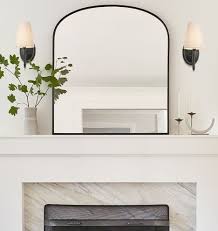
Adding a mirror above the mantel isn’t just a design choice—it’s a transformative move that can breathe new life into your space. This classic design trick holds the power to amplify the aesthetics of any room, particularly those with a cozy fireplace as the focal point.

The beauty of incorporating a mirror above the mantel lies in its ability to enhance the ambiance of the room. By reflecting light, it creates the illusion of a larger and more open space, which is especially beneficial in smaller or dimly lit areas. The result? A room that feels brighter, airier, and more inviting.

What’s remarkable about this design element is its versatility. Whether your décor leans towards ultra-modern or embraces traditional charm, a well-placed mirror can seamlessly complement any style. From sleek and minimalist frames to ornate and intricate designs, there’s a mirror to suit every taste and aesthetic preference.

But aesthetics aside, safety is paramount when installing a mirror above the mantel, particularly if it’s a substantial piece. Ensure that it’s securely mounted to prevent any accidents or mishaps. Additionally, consider the proportions of the mirror in relation to the mantel and surrounding décor to achieve a balanced and harmonious look.

So whether you’re revamping your living room, bedroom, or any other area with a fireplace, consider the wonder that a well-placed mirror can bring to your space.

Plant

Elevating Heart Health: Celebrating American Heart Month

This February, as we honor American Heart Month, let’s pause to celebrate the resilience and vitality of this extraordinary organ—the steadfast guardian of our well-being.

According to sobering statistics from the CDC, heart disease stands as the leading cause of death for Americans, claiming a life every 33 seconds. Amidst these stark realities, it’s imperative that we equip ourselves with knowledge and strategies to safeguard our heart health and mitigate the risks of cardiovascular ailments.

One often overlooked aspect of heart health lies within the confines of our homes—the very sanctuaries where we seek solace and rejuvenation. Home hazards, ranging from mold infestations to poor air quality, can exert a profound impact on our cardiovascular health, affecting everything from our sleep patterns to our overall well-being.

Here are a few essential steps you can take to cultivate a heart-healthy home environment:

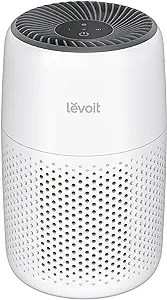
1. Conduct a Comprehensive Home Health Assessment: Schedule a thorough evaluation of your living space to identify and address potential hazards. Mold, radon, and indoor air pollutants are common culprits that can compromise respiratory health and exacerbate cardiovascular issues. Invest in proper ventilation systems, air purifiers, and routine maintenance to improve indoor air quality and promote heart health.

2. Prioritize Cleanliness and Orderliness: Embrace habits that foster cleanliness and organization within your home. Regular cleaning routines, proper waste disposal, and minimizing clutter can create a serene and harmonious living environment conducive to heart health. Additionally, prioritize nutritious meals and wholesome ingredients to fuel your body with the essential nutrients it needs to thrive.

3. Foster Emotional Well-Being: Recognize the interconnectedness between emotional wellness and heart health. Cultivate a supportive and nurturing atmosphere within your home, fostering open communication, laughter, and moments of connection with loved ones. Practice stress-relief techniques such as meditation, mindfulness, and engaging in hobbies that bring you joy to promote emotional resilience and mitigate the detrimental effects of chronic stress on your heart.

Let’s create homes that serve as havens of health, vitality, and longevity, nurturing our hearts and enriching our lives with every beat. #HeartHealth #AmericanHeartMonth #HealthyHome

5 Home Energy Tips to Save Money and Reduce Waste

As we approach the changing seasons, many of us are experiencing fluctuations in weather patterns, leading to increased energy consumption and higher utility bills. To help you better manage your home’s energy usage and save money, here are five simple tips to follow:

  1. Set Your Thermostat to Auto: Programming your thermostat to “auto” mode can help regulate your home’s temperature more efficiently. This means your heating and cooling systems will only kick in when needed, reducing unnecessary energy consumption during times when you’re not at home or when the weather is mild.
  2. Utilize Fans and Heaters Wisely: On warmer days, make use of ceiling fans or portable fans to circulate air and create a cooling effect without relying heavily on air conditioning. Conversely, when it’s chilly, opt for space heaters to provide targeted warmth in specific areas rather than heating the entire house. This targeted approach can help reduce energy waste and lower your heating and cooling costs.
  3. Unplug Unused Appliances: Many appliances and electronic devices continue to draw power even when they’re turned off, contributing to “phantom” energy consumption. By unplugging devices such as chargers, kitchen appliances, and entertainment systems when they’re not in use, you can prevent this unnecessary energy drain and save on your electricity bill.
  4. Switch to LED Lightbulbs: Replace traditional incandescent bulbs with energy-efficient LED lightbulbs throughout your home. LED bulbs use significantly less energy and last much longer than incandescent bulbs, resulting in lower electricity bills and reduced environmental impact. While the initial investment may be slightly higher, the long-term savings and durability of LED bulbs make them a cost-effective choice.
  5. Seal or Replace Cracked Weatherstripping: Proper insulation is key to maintaining a comfortable indoor temperature and preventing heat loss or gain. Check the weatherstripping around doors and windows for any cracks, gaps, or signs of wear and tear. Sealing these areas with caulking or replacing damaged weatherstripping can improve your home’s energy efficiency by minimizing drafts and air leakage.

By incorporating these energy-saving tips into your daily routine, you can take proactive steps to reduce energy waste, lower your utility bills, and contribute to a more sustainable future for our planet. Small changes can add up to significant savings over time, benefiting both your wallet and the environment. Start implementing these strategies today to enjoy a more energy-efficient and cost-effective home.