In the pursuit of an organized and visually appealing home, managing the contents of our medicine cabinet can often present a challenge. However, with a little creativity and innovation, it’s possible to turn this cluttered space into a well-organized oasis. Let me share with you how I discovered a simple yet effective solution for organizing my medicine cabinet using repurposed items.
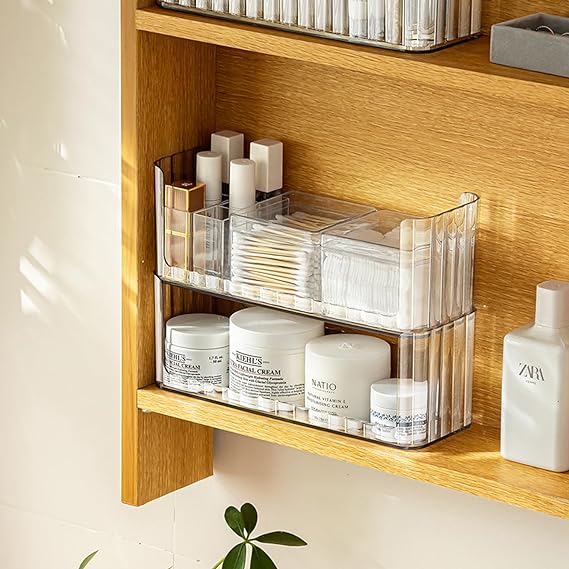
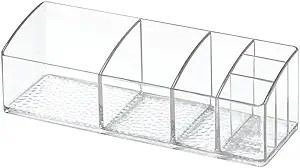
The Discovery: One day, as I was tidying up my bathroom, I realized that my medicine cabinet was a chaotic mess of half-empty bottles, expired medications, and assorted toiletries. Determined to find a solution, I began searching for ways to streamline the space. That’s when I stumbled upon an ingenious idea: using small bins and dividers typically found in desk organizers.
The Transformation: Armed with my newfound inspiration, I set to work organizing my medicine cabinet. I repurposed small bins and dividers to create designated spaces for different categories of items, such as first aid supplies, medications, and skincare products. By grouping similar items together and utilizing vertical space, I was able to maximize storage capacity and keep everything neatly organized.
The Benefits: The beauty of this solution lies in its simplicity and practicality. Not only did repurposing desk organizers help me declutter my medicine cabinet, but it also made it easier to find what I need when I need it. No more digging through piles of products or accidentally buying duplicates because I couldn’t see what I already had. Plus, the organized layout made it easy to spot expired medications and dispose of them safely.
In conclusion, organizing your medicine cabinet doesn’t have to be a daunting task. With a little creativity and some repurposed items, you can transform this space into a clutter-free and functional area that makes your daily routine a breeze. So, why not give it a try and see the difference it can make in your bathroom organization?
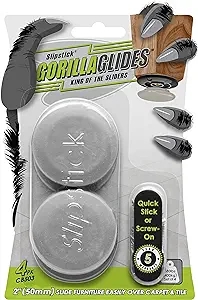
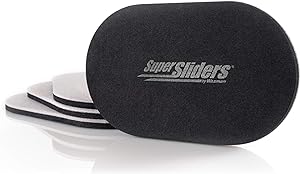
Moving heavy furniture can be a daunting task, often leading to scratches, scuffs, and strained muscles. However, with the help of furniture movers, you can slide your furniture effortlessly across various surfaces without causing damage or exerting excessive effort. In this blog post, we’ll explore the benefits of using furniture movers and how they can make your life easier.
What Are Furniture Movers?
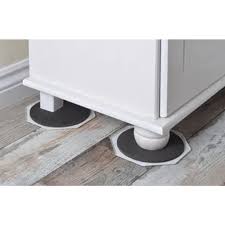
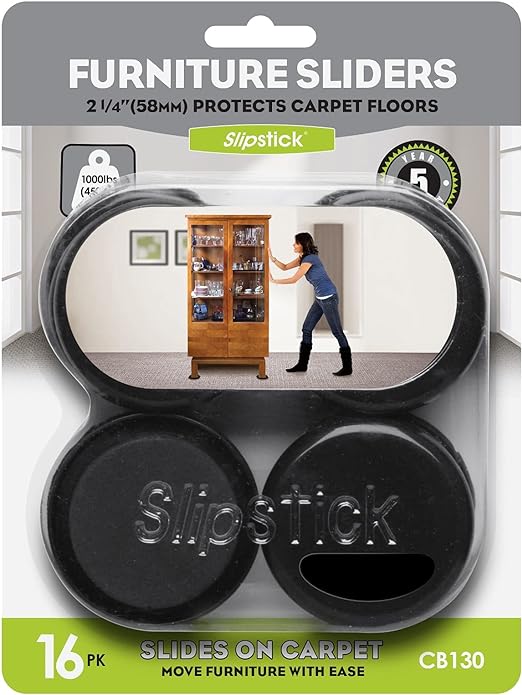
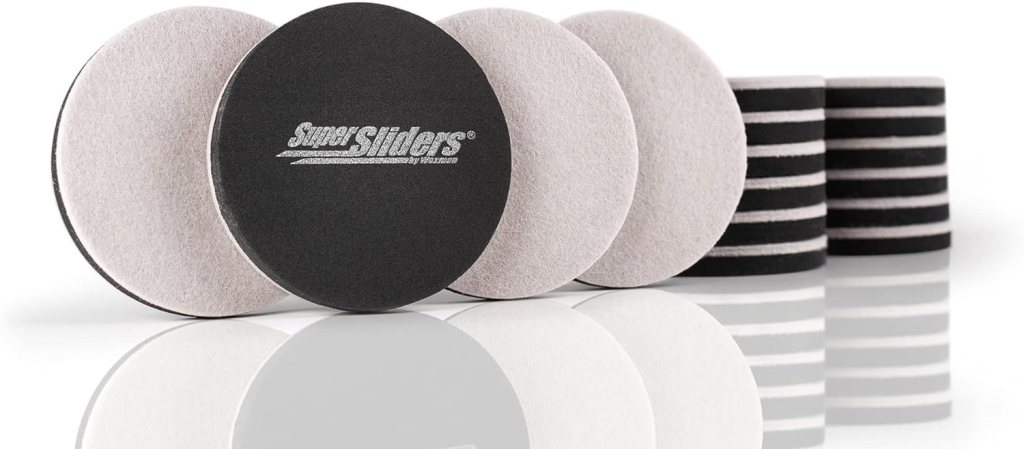
Furniture movers, also known as sliders or gliders, are small, often disk-shaped tools that are placed underneath the legs or corners of heavy furniture. These sliders are typically made of durable materials like plastic or rubber and have smooth surfaces that allow furniture to glide easily across floors without scratching or damaging them.
Benefits of Using Furniture Movers
Protect Your Floors: One of the primary benefits of furniture movers is their ability to protect your floors from scratches, dents, and scuffs. By reducing friction between the furniture and the floor, sliders prevent damage caused by dragging or sliding heavy items.
Effortless Moving: Furniture movers make moving heavy furniture much easier and less strenuous. Instead of lifting and carrying heavy items, you can simply slide them across the floor with minimal effort, reducing the risk of strain or injury.
Versatility: Furniture movers can be used on various surfaces, including hardwood, tile, laminate, carpet, and vinyl. Whether you’re rearranging furniture in your living room or moving appliances in the kitchen, sliders provide a versatile solution for easy mobility.
Preserve Your Furniture: In addition to protecting your floors, furniture movers also help preserve the integrity of your furniture. By eliminating the need to lift and drag heavy items, sliders reduce the risk of damage to the furniture itself, such as scratches, dents, or loose joints.
How to Use Furniture Movers
Using furniture movers is simple:
Place a slider under each leg or corner of the furniture you want to move.
Once in position, gently push or pull the furniture in the desired direction. The sliders will allow it to glide smoothly across the floor.
When you’ve reached the desired location, remove the sliders and enjoy your newly arranged space.
Furniture movers are a simple yet effective solution for moving heavy furniture with ease and preventing damage to your floors and furniture. Whether you’re rearranging your home or preparing for a move, sliders provide a convenient and versatile way to make furniture mobility effortless. Invest in a set of furniture movers and say goodbye to the hassle of heavy lifting and potential floor damage.
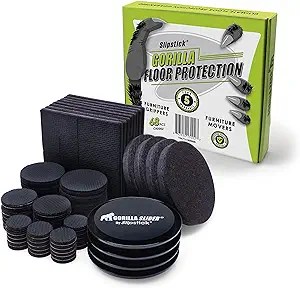
Your floors and furniture are valuable investments that deserve protection. Non-slip furniture pads offer a simple yet effective solution to prevent scratches, scuffs, and damage caused by moving furniture. Let’s explore the benefits of non-slip furniture pads and how to use them to safeguard your floors and furniture.
Why Use Non-Slip Furniture Pads?
Floor Protection: Non-slip furniture pads act as a barrier between your furniture and the floor, preventing scratches, dents, and marks caused by sliding or dragging.
Furniture Stability: These pads provide stability and prevent furniture from shifting or sliding, reducing the risk of accidents and injuries caused by unstable furniture.
Noise Reduction: By cushioning the contact between furniture and floors, non-slip pads help reduce noise caused by moving chairs, tables, and other furniture.
Extended Furniture Lifespan: Protecting your furniture from scratches and damage helps maintain its appearance and extend its lifespan, preserving its value over time.
Choosing the Right Pads
When selecting non-slip furniture pads, consider factors such as:
Material: Look for pads made from durable materials such as rubber, felt, or silicone, which provide excellent grip and protection.
Size: Choose pads that match the size and shape of your furniture legs or base for optimal coverage and stability.
Adhesive: Some pads come with adhesive backing for easy installation, while others simply grip the furniture surface without adhesive.
Where to Use Non-Slip Pads
Non-slip furniture pads can be used on various types of furniture, including:
Chairs
Tables
Sofas and couches
Beds
Cabinets and dressers
Entertainment centers
How to Install Non-Slip Pads
Clean the Surface: Ensure the furniture legs or base are clean and free of dust and debris.
Attach the Pads: Peel off the backing from adhesive pads and press them firmly onto the bottom of the furniture legs or base. For non-adhesive pads, simply place them underneath the furniture.
Check Stability: Once installed, test the furniture to ensure it is stable and does not slide or wobble.
Maintenance Tips
Regularly check and replace worn or damaged pads to maintain optimal protection.
Clean the pads and furniture legs periodically to remove dirt and debris that may affect grip.
When moving furniture, lift rather than drag to avoid damaging both the furniture and the pads.
Non-slip furniture pads are an affordable and effective way to protect your floors and furniture from damage while improving stability and reducing noise. By choosing the right pads and installing them correctly, you can safeguard your home and preserve the beauty and longevity of your floors and furniture for years to come.
As the days grow longer and warmer, it’s time to get your yard ready for the vibrant seasons ahead. Here are three essential steps to ensure your outdoor space thrives this spring and summer.
1. Fertilize the Lawn
Start by giving your lawn a boost with a high-quality fertilizer. Spring is the perfect time to replenish nutrients that may have been depleted over the winter months. Choose a fertilizer specifically formulated for spring application, and follow the instructions carefully for best results. A well-fed lawn will be healthier, greener, and more resilient to heat and drought throughout the summer.
2. Rake Your Garden Beds
Remove any debris, leaves, or dead vegetation from your garden beds to prepare them for new growth. Raking helps improve air circulation, prevents disease, and allows sunlight to reach the soil. It also gives you a chance to inspect your plants for any signs of damage or disease that may have occurred during the winter. Once your garden beds are clean and tidy, you’ll be ready to plant and enjoy colorful blooms all season long.
3. Seed the Lawn
If your lawn has bare patches or thin areas, spring is the ideal time to overseed. Choose a grass seed blend that’s suited to your climate and lawn type, and spread it evenly over the bare areas. Rake the seed lightly into the soil, then water thoroughly to promote germination. Regular watering and proper care will encourage healthy new grass growth, filling in bare spots and creating a lush, green lawn for summer.
With these simple steps, you can get your yard in top shape for the spring and summer months ahead. Fertilizing the lawn, raking your garden beds, and seeding any bare areas will ensure that your outdoor space is healthy, vibrant, and ready to enjoy all season long. So roll up your sleeves, get outside, and start preparing your yard for a season of beauty and enjoyment.
Scotts Turf Builder EdgeGuard DLX Broadcast Spreader for Seed, Fertilizer, Salt, Ice Melt, Holds up to 15,000 sq.ft. Product https://amzn.to/3wmhcZQSteel Tines Metal Head Rake Tool for Loosening Soil Gathering Leaf Leveling Lawn Farming Land Management Yarn Thatch Rake https://amzn.to/4a9V7LQ 2 Gallon Watering Can for Outdoor Plants with Removable Long Spout and Stainless Steel Sprinkler Head, Large Plastic Watering Can for Garden Flowers Plants https://amzn.to/3y45zHp
Laminate flooring has become a popular choice for homeowners seeking the look of hardwood or tile without the hefty price tag. However, to maintain its beauty and longevity, proper cleaning is essential. Here’s what to look for in a floor cleaner for laminate flooring:
Gentle Formulation
When selecting a floor cleaner for laminate flooring, opt for a gentle formulation. Harsh chemicals can damage the protective layer of laminate, leading to dullness and premature wear. Look for cleaners specifically designed for laminate floors, which are typically pH-balanced and free of harsh abrasives.
Damp Mopping Capability
Unlike some other types of flooring, laminate floors require damp mopping rather than wet mopping. Too much moisture can seep into the seams and cause warping or swelling. Choose a floor cleaner that allows for damp mopping, providing just enough moisture to clean the surface without saturating it.
Non-Streaking Formula
Streaks and residue left behind by floor cleaners can detract from the beauty of laminate flooring. Look for a cleaner with a non-streaking formula that leaves floors sparkling clean without any unsightly streaks or film. This will ensure that your laminate floors maintain their sleek appearance.
Easy-to-Use Design
Cleaning your floors should be a hassle-free task. Look for a floor cleaner that is easy to use, whether it comes in a spray bottle, ready-to-use solution, or concentrate that can be diluted with water. A convenient design will make cleaning your laminate floors a quick and efficient process.
Safe for Pets and Children
If you have pets or children in your home, it’s essential to choose a floor cleaner that is safe for them. Look for products that are non-toxic and free from harmful chemicals, ensuring the health and safety of your family and furry friends.
Environmentally Friendly
For those who are eco-conscious, consider opting for an environmentally friendly floor cleaner. Look for products that are biodegradable, phosphate-free, and made from sustainable ingredients. Not only will you be protecting the environment, but you’ll also create a healthier indoor space for your family.
Maintaining the beauty of laminate flooring requires the right cleaning products. When choosing a floor cleaner, prioritize gentle formulations, damp mopping capability, non-streaking formulas, ease of use, safety, and environmental friendliness. With the right cleaner, you can keep your laminate floors looking like new for years to come.
It’s time to dust off the barbecue grill and prepare for the upcoming summer season of outdoor cooking . While the prospect of firing up the grill for backyard gatherings and cookouts is exciting, it’s essential to remember an often overlooked yet crucial step: degreasing your BBQ. Here’s why this task deserves a prime spot on your spring cleaning checklist and how to tackle it.
The Importance of Degreasing
Over time, the grates and surfaces of your barbecue accumulate layers of grease, oil, and food residue from previous cooking sessions. Not only can this buildup affect the flavor of your grilled delights, but it also poses potential health hazards. Grease buildup can become a breeding ground for harmful bacteria and increase the risk of flare-ups and fires during cooking. Degreasing your BBQ helps maintain hygiene, prevent safety hazards, and ensure optimal grilling performance.
Spring Cleaning Checklist
As you prepare your outdoor space for the season ahead, don’t forget to include BBQ degreasing in your spring cleaning routine. Here’s a step-by-step guide to help you get started:
Gather Supplies: Equip yourself with gloves, a grill brush or scraper, dish soap, warm water, a sponge or cloth, and a bucket.
Preheat the Grill: Start by preheating the grill for about 15 minutes. This will soften stubborn grease and make it easier to remove.
Scrub the Grates: Using a grill brush or scraper, scrub the grates vigorously to remove any stuck-on debris and grease buildup. Focus on both the top and bottom surfaces of the grates.
Clean the Interior: Remove the grates and set them aside. Wipe down the interior surfaces of the BBQ, including the burner covers, heat plates, and walls, using warm soapy water and a sponge or cloth.
Degrease the Grates: In a bucket, mix warm water with a small amount of dish soap. Submerge the grates in the soapy water and let them soak for several minutes. Then, scrub the grates again to remove any remaining grease and residue.
Rinse and Dry: Rinse the grates and interior surfaces thoroughly with clean water to remove soap residue. Allow them to air dry completely before reassembling the grill.
Inspect and Maintain: Take this opportunity to inspect other components of your BBQ, such as the burner tubes and igniter, for signs of wear or damage. Replace any worn parts to ensure optimal performance.
By incorporating BBQ degreasing into your spring cleaning routine, you’ll set the stage for a safe, enjoyable, and delicious summer of outdoor cooking adventures. Remember to clean your grill regularly throughout the season to maintain hygiene and prevent grease buildup. With a clean and well-maintained BBQ, you can savor every moment of summer gatherings with family and friends.
As the vibrant hues of spring begin to bloom, it’s time to prepare your lawn for the upcoming season. While lush green grass is the goal, pesky weeds can quickly overrun your yard if not addressed early on. To ensure a weed-free summer, here are three essential tips to get your lawn in top shape:
1. Early Intervention with Pre-Emergent Herbicides
The key to weed control is tackling the issue before it becomes a problem. Pre-emergent herbicides are your first line of defense against weeds, as they work to prevent weed seeds from germinating in the soil. Apply a quality pre-emergent herbicide early in the spring to target common summer weeds such as crabgrass and dandelions. This proactive approach stops weeds in their tracks, giving your grass a fighting chance to thrive.
2. Implement Proper Lawn Maintenance Practices
A healthy lawn is better equipped to resist weed invasions. Start by maintaining the proper mowing height for your grass type, as taller grass shades the soil, making it less hospitable for weed growth. Aim to mow frequently but avoid cutting more than one-third of the grass blade length at a time. Additionally, ensure your lawn receives adequate water and nutrients by following a regular watering and fertilization schedule. Well-fed and hydrated grass will develop strong root systems, crowding out weeds and creating a dense turf that’s less susceptible to invasion.
3. Revitalize Your Lawn Through Aeration and Overseeding
Over time, soil compaction can hinder grass growth and create ideal conditions for weed proliferation. Combat this issue by aerating your lawn, which involves removing small cores of soil to alleviate compaction and improve air and water penetration. Follow up with overseeding to introduce new grass seed varieties and fill in thin or bare areas. The newly seeded grass will establish quickly, outcompeting weeds for space and resources. Consider overseeding with a grass variety known for its vigorous growth and ability to withstand weed pressure, such as tall fescue or perennial ryegrass.
Don’t let weeds sabotage your lawn’s beauty and vitality this summer. By taking proactive steps to prepare your lawn for the growing season, you can create an environment where lush, healthy grass thrives while weeds struggle to gain a foothold. With early intervention using pre-emergent herbicides, proper lawn maintenance practices, and revitalization through aeration and overseeding, you’ll be well on your way to enjoying a weed-free oasis in your backyard all summer long.
In the pursuit of creating a harmonious and inviting living space, many turn to the natural beauty of house plants. These vibrant greens not only add aesthetic appeal but also bring a sense of tranquility and vitality to any room. Let’s explore how you can harness the power of house plants to elevate your home décor to new heights.
1. Natural Elegance
House plants effortlessly infuse a touch of natural elegance into any space. From sleek succulents to lush ferns, there’s a plant to suit every style and preference. Choose plants with interesting foliage or vibrant blooms to serve as focal points in your room, adding visual interest and depth to your décor.
2. Air Purification
Beyond their aesthetic appeal, house plants also offer practical benefits, such as air purification. Plants naturally filter out toxins and pollutants from the air, creating a cleaner and healthier indoor environment. Incorporating plants like spider plants, peace lilies, or snake plants can help improve air quality while adding beauty to your home.
3. Versatile Décor Accents
House plants are incredibly versatile décor accents that can be used in a variety of ways to enhance your space. Place them on windowsills, shelves, or side tables to add a pop of greenery and life to any room. Mix and match different sizes, shapes, and textures to create visual interest and balance in your décor.
4. Mood Boosters
Bringing the outdoors in has been shown to have a positive impact on mood and well-being. House plants can help reduce stress, increase productivity, and promote a sense of calm and relaxation. Surround yourself with greenery in your home to create a sanctuary where you can unwind and recharge after a long day.
5. Low Maintenance Beauty
Contrary to popular belief, many house plants are surprisingly low maintenance and easy to care for. With the right light, water, and occasional fertilizer, most plants will thrive indoors with minimal effort. Choose plants that are well-suited to your lifestyle and environment, and enjoy the beauty of nature without the hassle.
Greening Your Space with House Plants
House plants offer a myriad of benefits beyond their decorative appeal. From purifying the air to boosting mood and well-being, these green wonders have the power to transform any space into a vibrant oasis of beauty and tranquility. So why wait? Bring the beauty of nature indoors and elevate your home décor with the timeless elegance of house plants.
Embarking on a home renovation journey is thrilling, promising enhanced living spaces and potentially increased property value. Yet, pitfalls abound, threatening to derail even the best-laid plans. To ensure your renovation venture stays on track, let’s explore six frequent mistakes and proactive strategies to avoid them.
1. Skimping on Quality Materials
Opting for budget-friendly materials might seem savvy initially, but it often leads to disappointment and additional expenses in the long run. Inferior materials not only compromise aesthetics but also fail to withstand daily wear and tear, diminishing your home’s value over time.
Solution: Dedicate time to research superior materials tailored to your project’s requirements. Consider factors like durability, maintenance needs, and eco-friendliness. While initial costs may be higher, investing in quality materials pays dividends in longevity and resale value.
2. Underestimating Budget Needs
Renovation budgets frequently spiral out of control due to unforeseen expenses such as structural repairs or unexpected labor costs. Failing to anticipate these expenses can leave you financially stretched and unable to complete the project as envisioned.
Solution: Allocate an additional 20% buffer to your renovation budget to accommodate unexpected costs. If necessary, delay the project until sufficient funds are available. Planning for contingencies ensures you have the financial flexibility to address unforeseen challenges without compromising your renovation goals.
3. Overestimating DIY Abilities
While DIY projects can be gratifying, not all renovations are suitable for amateur enthusiasts. Complex tasks like electrical work or structural alterations require professional expertise to ensure safety and compliance with building codes.
Solution: Assess your skills honestly and seek professional assistance for tasks beyond your capabilities. Vet potential contractors rigorously, verifying credentials and past work experience. Investing in professional expertise guarantees a safe and high-quality renovation outcome.
4. Succumbing to Trendy Fads
Trends come and go, but timeless design choices endure. Embracing every passing trend can result in dated aesthetics and reduced resale appeal. Prioritize design elements with lasting appeal to maximize the longevity of your renovation investment.
Solution: Adopt a strategic approach to design, focusing on timeless elements that enhance your home’s value and appeal across generations. Consider the long-term implications of trendy choices and opt for enduring design features that stand the test of time.
5. Ignoring Structural Issues
Using paint as a quick fix for structural flaws is a common mistake that can exacerbate problems and compromise the integrity of your renovation. Ignoring underlying issues only leads to costly repairs down the road.
Solution: Prioritize thorough surface preparation and address underlying structural issues before applying paint. Conduct a comprehensive assessment of the substrate condition and perform necessary repairs or reinforcements. Proper preparation ensures a flawless finish and prevents future maintenance headaches.
6. Skipping Permit Requirements
Neglecting to obtain necessary permits for renovation projects can result in fines, project delays, and safety hazards. Certain renovations, especially those affecting structural integrity or utility systems, require permits to ensure compliance with building codes.
Solution: Familiarize yourself with local building regulations and secure required permits before commencing any renovation work. Consult with local authorities or a professional contractor to understand permit requirements for your project. Compliance with regulations safeguards your investment and minimizes the risk of penalties.
Embarking on a home renovation endeavor is a significant undertaking, but with careful planning and foresight, you can navigate potential pitfalls successfully. By avoiding common renovation mistakes and implementing proactive strategies, you can ensure a smooth and rewarding renovation experience that enhances your home’s value and elevates your living spaces.
Power washers, also known as pressure washers, have become indispensable tools for homeowners and professionals alike. With their ability to blast away dirt, grime, and stains with ease, power washers offer a range of benefits that make them a must-have for any toolkit. Let’s explore four compelling reasons why power washers are essential tools:
Efficient Cleaning Power: Power washers deliver high-pressure water streams that can quickly and effectively clean a variety of surfaces, including driveways, sidewalks, decks, fences, and siding. With their ability to remove built-up dirt, mold, mildew, and stubborn stains, power washers make cleaning tasks faster, easier, and more efficient than traditional methods like scrubbing or hosing.
Time-Saving Convenience: Say goodbye to hours spent scrubbing surfaces with a brush or sponge – power washers can tackle cleaning jobs in a fraction of the time. With their powerful jets of water, power washers can cover large areas quickly, allowing you to complete cleaning projects in record time and freeing up more time for leisure activities or other household chores.
Versatility and Adaptability: Power washers come with a range of nozzles and attachments that allow you to customize the water pressure and spray pattern to suit different surfaces and cleaning tasks. Whether you’re blasting away grime from concrete or gently rinsing delicate surfaces like windows or outdoor furniture, power washers offer versatility and adaptability for a variety of cleaning needs.
Cost-Effective Maintenance: Regular cleaning and maintenance can help extend the lifespan of outdoor surfaces and equipment, saving you money on costly repairs or replacements in the long run. By investing in a power washer, you can keep your home, driveway, and outdoor spaces looking pristine year-round, preventing dirt and grime from accumulating and causing damage over time.
Power washers are more than just cleaning tools – they’re time-saving, versatile, and cost-effective solutions for a wide range of outdoor maintenance tasks. From efficient cleaning power to unexpected benefits like spider repellent, power washers offer a compelling combination of practicality and humor that makes them indispensable additions to any homeowner’s toolkit.