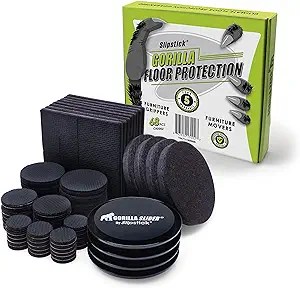
Protect Your Floors and Furniture: Non-Slip Furniture Pads

Your floors and furniture are valuable investments that deserve protection. Non-slip furniture pads offer a simple yet effective solution to prevent scratches, scuffs, and damage caused by moving furniture. Let’s explore the benefits of non-slip furniture pads and how to use them to safeguard your floors and furniture.

Why Use Non-Slip Furniture Pads?

  1. Floor Protection: Non-slip furniture pads act as a barrier between your furniture and the floor, preventing scratches, dents, and marks caused by sliding or dragging.
  2. Furniture Stability: These pads provide stability and prevent furniture from shifting or sliding, reducing the risk of accidents and injuries caused by unstable furniture.
  3. Noise Reduction: By cushioning the contact between furniture and floors, non-slip pads help reduce noise caused by moving chairs, tables, and other furniture.
  4. Extended Furniture Lifespan: Protecting your furniture from scratches and damage helps maintain its appearance and extend its lifespan, preserving its value over time.

Choosing the Right Pads

When selecting non-slip furniture pads, consider factors such as:

  • Material: Look for pads made from durable materials such as rubber, felt, or silicone, which provide excellent grip and protection.
  • Size: Choose pads that match the size and shape of your furniture legs or base for optimal coverage and stability.
  • Adhesive: Some pads come with adhesive backing for easy installation, while others simply grip the furniture surface without adhesive.

Where to Use Non-Slip Pads

Non-slip furniture pads can be used on various types of furniture, including:

  • Chairs
  • Tables
  • Sofas and couches
  • Beds
  • Cabinets and dressers
  • Entertainment centers

How to Install Non-Slip Pads

  1. Clean the Surface: Ensure the furniture legs or base are clean and free of dust and debris.
  2. Attach the Pads: Peel off the backing from adhesive pads and press them firmly onto the bottom of the furniture legs or base. For non-adhesive pads, simply place them underneath the furniture.
  3. Check Stability: Once installed, test the furniture to ensure it is stable and does not slide or wobble.

Maintenance Tips

  • Regularly check and replace worn or damaged pads to maintain optimal protection.
  • Clean the pads and furniture legs periodically to remove dirt and debris that may affect grip.
  • When moving furniture, lift rather than drag to avoid damaging both the furniture and the pads.

Non-slip furniture pads are an affordable and effective way to protect your floors and furniture from damage while improving stability and reducing noise. By choosing the right pads and installing them correctly, you can safeguard your home and preserve the beauty and longevity of your floors and furniture for years to come.

Prepare Your Yard for Spring and Summer: Essential Tips

As the days grow longer and warmer, it’s time to get your yard ready for the vibrant seasons ahead. Here are three essential steps to ensure your outdoor space thrives this spring and summer.

1. Fertilize the Lawn

Start by giving your lawn a boost with a high-quality fertilizer. Spring is the perfect time to replenish nutrients that may have been depleted over the winter months. Choose a fertilizer specifically formulated for spring application, and follow the instructions carefully for best results. A well-fed lawn will be healthier, greener, and more resilient to heat and drought throughout the summer.

2. Rake Your Garden Beds

Remove any debris, leaves, or dead vegetation from your garden beds to prepare them for new growth. Raking helps improve air circulation, prevents disease, and allows sunlight to reach the soil. It also gives you a chance to inspect your plants for any signs of damage or disease that may have occurred during the winter. Once your garden beds are clean and tidy, you’ll be ready to plant and enjoy colorful blooms all season long.

3. Seed the Lawn

If your lawn has bare patches or thin areas, spring is the ideal time to overseed. Choose a grass seed blend that’s suited to your climate and lawn type, and spread it evenly over the bare areas. Rake the seed lightly into the soil, then water thoroughly to promote germination. Regular watering and proper care will encourage healthy new grass growth, filling in bare spots and creating a lush, green lawn for summer.

With these simple steps, you can get your yard in top shape for the spring and summer months ahead. Fertilizing the lawn, raking your garden beds, and seeding any bare areas will ensure that your outdoor space is healthy, vibrant, and ready to enjoy all season long. So roll up your sleeves, get outside, and start preparing your yard for a season of beauty and enjoyment.

Scotts Turf Builder EdgeGuard DLX Broadcast Spreader for Seed, Fertilizer, Salt, Ice Melt, Holds up to 15,000 sq.ft. Product https://amzn.to/3wmhcZQ
Steel Tines Metal Head Rake Tool for Loosening Soil Gathering Leaf Leveling Lawn Farming Land Management Yarn Thatch Rake https://amzn.to/4a9V7LQ
2 Gallon Watering Can for Outdoor Plants with Removable Long Spout and Stainless Steel Sprinkler Head, Large Plastic Watering Can for Garden Flowers Plants https://amzn.to/3y45zHp

Crafting Your Perfect Sanctuary: Creating a Reading Nook and Home Office

Finding moments of peace and relaxation can feel like a luxury. But in truth, it’s a necessity for our mental well-being. One way to cultivate tranquility in your home is by creating a space just for you—a reading nook that doubles as a home office. Let’s explore how to craft your perfect sanctuary where you can unwind, read, work, and simply be.

Embrace Comfort

The cornerstone of any reading nook or home office is comfort. Choose a cozy chair or chaise lounge where you can sink in and forget about the world for a while. Look for plush cushions, soft upholstery, and good lumbar support. Remember, this is your sanctuary, so prioritize your comfort above all else.

Lighting Matters

Good lighting is essential for both reading and working. Position your reading nook near a window to take advantage of natural light during the day. Invest in a quality reading lamp for evening hours. Adjustable lighting is ideal, allowing you to set the ambiance for different activities.

Personalize Your Space

Make your reading nook and home office uniquely yours by adding personal touches. Display your favorite books on nearby shelves or in a small bookcase. Hang artwork or photographs that inspire you. Incorporate elements that bring you joy and reflect your personality.

Declutter and Organize

Clutter can disrupt the tranquility of your space and hinder productivity. Keep your reading nook and home office tidy by organizing books, papers, and supplies. Invest in storage solutions like baskets, bins, or shelves to keep everything in its place. A clutter-free environment fosters a clear mind.

Blend Functionality and Serenity

Your reading nook should serve as a haven for relaxation, but it can also be a functional workspace. Choose furniture that multitasks, such as a desk with ample storage or a side table that can hold your coffee mug and laptop. Strike a balance between functionality and serenity to create a space that meets all your needs.

Bring Nature Indoors

Incorporating elements of nature can enhance the peaceful ambiance of your reading nook. Place a potted plant or vase of fresh flowers nearby to add color and life to your space. Natural elements can have a calming effect and help you feel more connected to the outdoors, even when you’re indoors.

Unplug and Unwind

Lastly, make your reading nook a tech-free zone, at least during designated relaxation times. Turn off your phone, step away from the computer, and allow yourself to fully disconnect. Use this time to immerse yourself in a good book, practice mindfulness, or simply enjoy the silence.

Creating a space in your home dedicated to relaxation is essential for your well-being. Whether it’s a cozy reading nook, a functional home office, or a combination of both, prioritize comfort, personalization, and tranquility.

What to Look for in a Floor Cleaner for Laminate Flooring

Laminate flooring has become a popular choice for homeowners seeking the look of hardwood or tile without the hefty price tag. However, to maintain its beauty and longevity, proper cleaning is essential. Here’s what to look for in a floor cleaner for laminate flooring:

Gentle Formulation

When selecting a floor cleaner for laminate flooring, opt for a gentle formulation. Harsh chemicals can damage the protective layer of laminate, leading to dullness and premature wear. Look for cleaners specifically designed for laminate floors, which are typically pH-balanced and free of harsh abrasives.

Damp Mopping Capability

Unlike some other types of flooring, laminate floors require damp mopping rather than wet mopping. Too much moisture can seep into the seams and cause warping or swelling. Choose a floor cleaner that allows for damp mopping, providing just enough moisture to clean the surface without saturating it.

Non-Streaking Formula

Streaks and residue left behind by floor cleaners can detract from the beauty of laminate flooring. Look for a cleaner with a non-streaking formula that leaves floors sparkling clean without any unsightly streaks or film. This will ensure that your laminate floors maintain their sleek appearance.

Easy-to-Use Design

Cleaning your floors should be a hassle-free task. Look for a floor cleaner that is easy to use, whether it comes in a spray bottle, ready-to-use solution, or concentrate that can be diluted with water. A convenient design will make cleaning your laminate floors a quick and efficient process.

Safe for Pets and Children

If you have pets or children in your home, it’s essential to choose a floor cleaner that is safe for them. Look for products that are non-toxic and free from harmful chemicals, ensuring the health and safety of your family and furry friends.

Environmentally Friendly

For those who are eco-conscious, consider opting for an environmentally friendly floor cleaner. Look for products that are biodegradable, phosphate-free, and made from sustainable ingredients. Not only will you be protecting the environment, but you’ll also create a healthier indoor space for your family.

Maintaining the beauty of laminate flooring requires the right cleaning products. When choosing a floor cleaner, prioritize gentle formulations, damp mopping capability, non-streaking formulas, ease of use, safety, and environmental friendliness. With the right cleaner, you can keep your laminate floors looking like new for years to come.

Green Elegance: Enhancing Your Home Décor with House Plants

In the pursuit of creating a harmonious and inviting living space, many turn to the natural beauty of house plants. These vibrant greens not only add aesthetic appeal but also bring a sense of tranquility and vitality to any room. Let’s explore how you can harness the power of house plants to elevate your home décor to new heights.

1. Natural Elegance

House plants effortlessly infuse a touch of natural elegance into any space. From sleek succulents to lush ferns, there’s a plant to suit every style and preference. Choose plants with interesting foliage or vibrant blooms to serve as focal points in your room, adding visual interest and depth to your décor.

2. Air Purification

Beyond their aesthetic appeal, house plants also offer practical benefits, such as air purification. Plants naturally filter out toxins and pollutants from the air, creating a cleaner and healthier indoor environment. Incorporating plants like spider plants, peace lilies, or snake plants can help improve air quality while adding beauty to your home.

3. Versatile Décor Accents

House plants are incredibly versatile décor accents that can be used in a variety of ways to enhance your space. Place them on windowsills, shelves, or side tables to add a pop of greenery and life to any room. Mix and match different sizes, shapes, and textures to create visual interest and balance in your décor.

4. Mood Boosters

Bringing the outdoors in has been shown to have a positive impact on mood and well-being. House plants can help reduce stress, increase productivity, and promote a sense of calm and relaxation. Surround yourself with greenery in your home to create a sanctuary where you can unwind and recharge after a long day.

5. Low Maintenance Beauty

Contrary to popular belief, many house plants are surprisingly low maintenance and easy to care for. With the right light, water, and occasional fertilizer, most plants will thrive indoors with minimal effort. Choose plants that are well-suited to your lifestyle and environment, and enjoy the beauty of nature without the hassle.

Greening Your Space with House Plants

House plants offer a myriad of benefits beyond their decorative appeal. From purifying the air to boosting mood and well-being, these green wonders have the power to transform any space into a vibrant oasis of beauty and tranquility. So why wait? Bring the beauty of nature indoors and elevate your home décor with the timeless elegance of house plants.

Navigating Home Renovation: Steering Clear of Common Blunders

Embarking on a home renovation journey is thrilling, promising enhanced living spaces and potentially increased property value. Yet, pitfalls abound, threatening to derail even the best-laid plans. To ensure your renovation venture stays on track, let’s explore six frequent mistakes and proactive strategies to avoid them.

1. Skimping on Quality Materials

Opting for budget-friendly materials might seem savvy initially, but it often leads to disappointment and additional expenses in the long run. Inferior materials not only compromise aesthetics but also fail to withstand daily wear and tear, diminishing your home’s value over time.

Solution: Dedicate time to research superior materials tailored to your project’s requirements. Consider factors like durability, maintenance needs, and eco-friendliness. While initial costs may be higher, investing in quality materials pays dividends in longevity and resale value.

2. Underestimating Budget Needs

Renovation budgets frequently spiral out of control due to unforeseen expenses such as structural repairs or unexpected labor costs. Failing to anticipate these expenses can leave you financially stretched and unable to complete the project as envisioned.

Solution: Allocate an additional 20% buffer to your renovation budget to accommodate unexpected costs. If necessary, delay the project until sufficient funds are available. Planning for contingencies ensures you have the financial flexibility to address unforeseen challenges without compromising your renovation goals.

3. Overestimating DIY Abilities

While DIY projects can be gratifying, not all renovations are suitable for amateur enthusiasts. Complex tasks like electrical work or structural alterations require professional expertise to ensure safety and compliance with building codes.

Solution: Assess your skills honestly and seek professional assistance for tasks beyond your capabilities. Vet potential contractors rigorously, verifying credentials and past work experience. Investing in professional expertise guarantees a safe and high-quality renovation outcome.

4. Succumbing to Trendy Fads

Trends come and go, but timeless design choices endure. Embracing every passing trend can result in dated aesthetics and reduced resale appeal. Prioritize design elements with lasting appeal to maximize the longevity of your renovation investment.

Solution: Adopt a strategic approach to design, focusing on timeless elements that enhance your home’s value and appeal across generations. Consider the long-term implications of trendy choices and opt for enduring design features that stand the test of time.

5. Ignoring Structural Issues

Using paint as a quick fix for structural flaws is a common mistake that can exacerbate problems and compromise the integrity of your renovation. Ignoring underlying issues only leads to costly repairs down the road.

Solution: Prioritize thorough surface preparation and address underlying structural issues before applying paint. Conduct a comprehensive assessment of the substrate condition and perform necessary repairs or reinforcements. Proper preparation ensures a flawless finish and prevents future maintenance headaches.

6. Skipping Permit Requirements

Neglecting to obtain necessary permits for renovation projects can result in fines, project delays, and safety hazards. Certain renovations, especially those affecting structural integrity or utility systems, require permits to ensure compliance with building codes.

Solution: Familiarize yourself with local building regulations and secure required permits before commencing any renovation work. Consult with local authorities or a professional contractor to understand permit requirements for your project. Compliance with regulations safeguards your investment and minimizes the risk of penalties.

Embarking on a home renovation endeavor is a significant undertaking, but with careful planning and foresight, you can navigate potential pitfalls successfully. By avoiding common renovation mistakes and implementing proactive strategies, you can ensure a smooth and rewarding renovation experience that enhances your home’s value and elevates your living spaces.

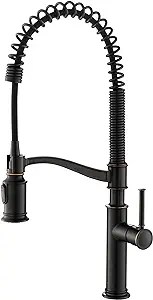
Enhance Your Home’s Style and Efficiency: Upgrading Your Faucet with an Aerator

Are you looking to give your kitchen or bathroom a fresh, updated look while also saving money on your water bill? Look no further than upgrading your faucet and adding an aerator. This simple yet impactful home improvement project can enhance both the aesthetics and functionality of your space. Here’s why you should consider making the switch:

  1. Improved Aesthetics: Outdated faucets can drag down the overall look of your kitchen or bathroom. By replacing your old faucet with a modern, stylish option, you can instantly elevate the appearance of the room. Choose a faucet that complements your existing decor and reflects your personal style for a cohesive and polished look.
  2. Enhanced Functionality: In addition to improving aesthetics, upgrading your faucet can also enhance functionality. Look for features such as single-handle operation, pull-out sprayers, and touchless technology to make everyday tasks like washing dishes and hands-free operation a breeze. Choose a faucet with a swivel spout for added convenience and versatility.
  3. Water Conservation: Adding an aerator to your new faucet is not only eco-friendly but also cost-effective. Aerators work by mixing air into the water stream, reducing water usage without sacrificing water pressure. This helps conserve water and lower your water bill over time. In fact, installing a low-flow aerator can reduce water usage by up to 30% without compromising performance.
  4. Easy Installation: Swapping out your old faucet for a new one with an aerator is a straightforward DIY project that can be completed in just a few simple steps. Start by turning off the water supply to the faucet, then disconnect the old faucet and install the new one following the manufacturer’s instructions. Adding an aerator is as simple as screwing it onto the faucet’s spout.
  5. Cost Savings: While upgrading your faucet and adding an aerator may require a small upfront investment, the long-term cost savings can be significant. By reducing water usage and lowering your water bill, you’ll recoup your investment over time while also doing your part to conserve precious natural resources.

Upgrading your faucet and adding an aerator is a win-win solution for enhancing your home’s style and efficiency. With a wide range of stylish options available, you can find the perfect faucet to suit your taste and budget. Make the switch today and enjoy the benefits of a more beautiful, functional, and eco-friendly home.

Navigating Interior Design: Embracing Timelessness

Interior design is a deeply personal journey—one that reflects our individual tastes, preferences, and personality. Yet, for those who find themselves at a crossroads, unsure of which direction to take with their interiors, the prospect of making design decisions can feel daunting. In such moments of uncertainty, there is one guiding principle that reigns supreme: embrace timelessness.

Honoring Individuality while Embracing Timelessness:

While some individuals may have a clear affinity for ultra-modern aesthetics or a deep-seated love for midcentury charm, not everyone finds themselves firmly anchored in a particular design style. And that’s perfectly okay. When faced with indecision, the key is to prioritize timelessness over trendiness.

Why Timeless Design Matters:

Timeless design transcends fleeting trends and fads, offering a sense of enduring elegance and sophistication that stands the test of time. It speaks to a classic sensibility that is both refined and versatile, allowing for seamless integration with a variety of design elements and personal touches.

Tips for Embracing Timelessness:

  1. Focus on Quality: Invest in well-crafted furniture and accessories that boast timeless appeal and superior craftsmanship. Opt for classic silhouettes and durable materials that will retain their beauty and functionality for years to come.
  2. Neutral Foundations: Start with a neutral color palette as the foundation of your design scheme. Timeless hues such as white, beige, gray, and navy provide a versatile backdrop that can be easily accessorized and adapted to suit evolving tastes.
  3. Classic Patterns: Incorporate timeless patterns such as stripes, checks, herringbone, and florals into your decor. These enduring motifs add visual interest and depth to your space without overpowering the overall aesthetic.
  4. Balanced Proportions: Strive for balance and harmony in your design by paying attention to proportions and scale. Avoid overly cluttered or asymmetrical arrangements, opting instead for a symmetrical layout that exudes a sense of balance and serenity.
  5. Iconic Pieces: Integrate iconic furniture pieces and design elements that have stood the test of time. From Eames lounge chairs to Saarinen tulip tables, these timeless classics add a touch of sophistication and refinement to any interior.

Embracing timelessness in interior design offers a sense of grounding and reassurance. It allows us to create spaces that not only reflect our individuality but also stand as enduring testaments to timeless elegance and sophistication. So whether you’re drawn to ultra-modern aesthetics or midcentury charm, remember that when in doubt, going timeless is always a wise choice.

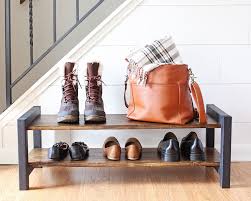
The Great Shoe Debate: Enhancing Productivity with House Shoes

In the ongoing debate of whether to wear shoes indoors, the concept of house shoes emerges as a compelling solution. While some prefer the comfort of bare feet or socks, others find that wearing shoes at home can boost productivity. Let’s delve into this topic and explore how incorporating house shoes into your routine can elevate your efficiency and comfort levels.

The Shoe Conundrum: To Wear or Not to Wear?

For many, the decision to wear shoes indoors boils down to personal preference and cultural norms. Some argue that going shoeless allows for a greater sense of relaxation and connection with the home environment. However, others contend that wearing shoes provides a psychological cue for productivity and readiness to tackle tasks.

The Role of House Shoes

Enter house shoes – the middle ground between bare feet and outdoor footwear. House shoes offer the best of both worlds by providing comfort, support, and protection without the heaviness or formality of regular shoes. They serve as a practical solution for individuals seeking to maintain cleanliness while enjoying the benefits of wearing footwear indoors.

Boosting Productivity with Shoes

Surprisingly, wearing shoes at home can have a positive impact on productivity. Psychologically, putting on shoes signals a transition from leisure mode to work mode, helping to create a sense of structure and focus. Additionally, shoes provide physical support and stability, which can contribute to better posture and energy levels throughout the day.

Finding the Right Balance

While house shoes offer undeniable benefits, it’s essential to strike a balance between comfort and productivity. Opt for lightweight, breathable designs that provide adequate support without sacrificing comfort. Additionally, consider alternating between house shoes and bare feet or socks to give your feet a break and maintain overall foot health.

Stepping Into Productivity

In the eternal debate of shoes on or off indoors, house shoes emerge as a versatile solution that combines comfort, cleanliness, and productivity. Whether you choose to don a pair of house shoes or go barefoot, finding what works best for you is key. So, lace up those house shoes, or kick them off – whichever helps you step into productivity and comfort in your home environment.

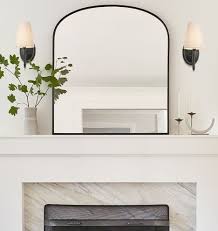
Elevate Your Space: The Wonder of Placing a Mirror Above the Mantel

Adding a mirror above the mantel isn’t just a design choice—it’s a transformative move that can breathe new life into your space. This classic design trick holds the power to amplify the aesthetics of any room, particularly those with a cozy fireplace as the focal point.

The beauty of incorporating a mirror above the mantel lies in its ability to enhance the ambiance of the room. By reflecting light, it creates the illusion of a larger and more open space, which is especially beneficial in smaller or dimly lit areas. The result? A room that feels brighter, airier, and more inviting.

What’s remarkable about this design element is its versatility. Whether your décor leans towards ultra-modern or embraces traditional charm, a well-placed mirror can seamlessly complement any style. From sleek and minimalist frames to ornate and intricate designs, there’s a mirror to suit every taste and aesthetic preference.

But aesthetics aside, safety is paramount when installing a mirror above the mantel, particularly if it’s a substantial piece. Ensure that it’s securely mounted to prevent any accidents or mishaps. Additionally, consider the proportions of the mirror in relation to the mantel and surrounding décor to achieve a balanced and harmonious look.

So whether you’re revamping your living room, bedroom, or any other area with a fireplace, consider the wonder that a well-placed mirror can bring to your space.

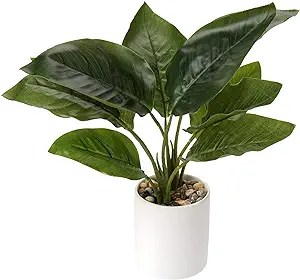
Plant