The Great Shoe Debate: Enhancing Productivity with House Shoes

In the ongoing debate of whether to wear shoes indoors, the concept of house shoes emerges as a compelling solution. While some prefer the comfort of bare feet or socks, others find that wearing shoes at home can boost productivity. Let’s delve into this topic and explore how incorporating house shoes into your routine can elevate your efficiency and comfort levels.

The Shoe Conundrum: To Wear or Not to Wear?

For many, the decision to wear shoes indoors boils down to personal preference and cultural norms. Some argue that going shoeless allows for a greater sense of relaxation and connection with the home environment. However, others contend that wearing shoes provides a psychological cue for productivity and readiness to tackle tasks.

The Role of House Shoes

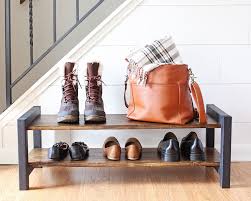
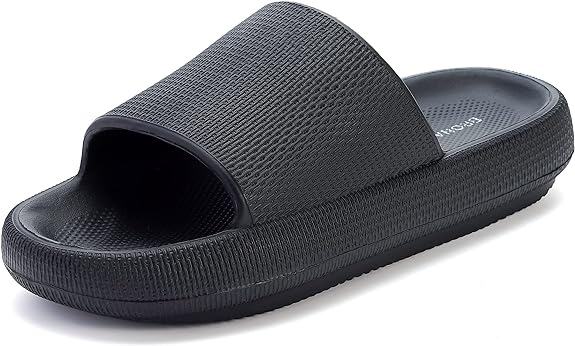
Enter house shoes – the middle ground between bare feet and outdoor footwear. House shoes offer the best of both worlds by providing comfort, support, and protection without the heaviness or formality of regular shoes. They serve as a practical solution for individuals seeking to maintain cleanliness while enjoying the benefits of wearing footwear indoors.

Boosting Productivity with Shoes

Surprisingly, wearing shoes at home can have a positive impact on productivity. Psychologically, putting on shoes signals a transition from leisure mode to work mode, helping to create a sense of structure and focus. Additionally, shoes provide physical support and stability, which can contribute to better posture and energy levels throughout the day.

Finding the Right Balance

While house shoes offer undeniable benefits, it’s essential to strike a balance between comfort and productivity. Opt for lightweight, breathable designs that provide adequate support without sacrificing comfort. Additionally, consider alternating between house shoes and bare feet or socks to give your feet a break and maintain overall foot health.

Stepping Into Productivity

In the eternal debate of shoes on or off indoors, house shoes emerge as a versatile solution that combines comfort, cleanliness, and productivity. Whether you choose to don a pair of house shoes or go barefoot, finding what works best for you is key. So, lace up those house shoes, or kick them off – whichever helps you step into productivity and comfort in your home environment.

Elevate Your Space: The Wonder of Placing a Mirror Above the Mantel

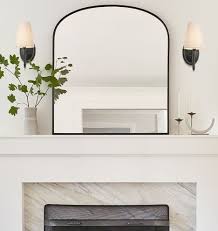
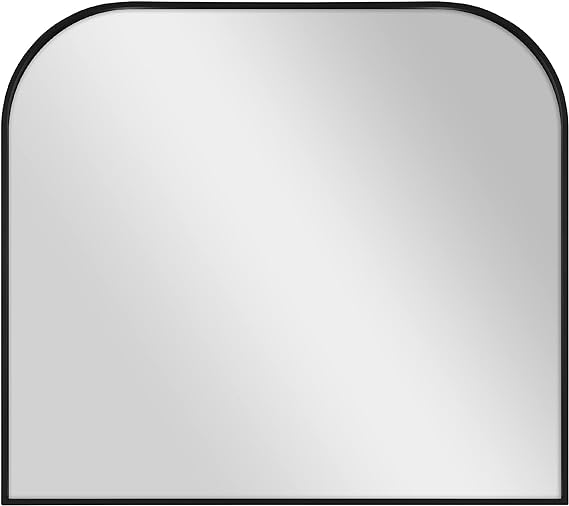
Adding a mirror above the mantel isn’t just a design choice—it’s a transformative move that can breathe new life into your space. This classic design trick holds the power to amplify the aesthetics of any room, particularly those with a cozy fireplace as the focal point.

The beauty of incorporating a mirror above the mantel lies in its ability to enhance the ambiance of the room. By reflecting light, it creates the illusion of a larger and more open space, which is especially beneficial in smaller or dimly lit areas. The result? A room that feels brighter, airier, and more inviting.

What’s remarkable about this design element is its versatility. Whether your décor leans towards ultra-modern or embraces traditional charm, a well-placed mirror can seamlessly complement any style. From sleek and minimalist frames to ornate and intricate designs, there’s a mirror to suit every taste and aesthetic preference.

But aesthetics aside, safety is paramount when installing a mirror above the mantel, particularly if it’s a substantial piece. Ensure that it’s securely mounted to prevent any accidents or mishaps. Additionally, consider the proportions of the mirror in relation to the mantel and surrounding décor to achieve a balanced and harmonious look.

So whether you’re revamping your living room, bedroom, or any other area with a fireplace, consider the wonder that a well-placed mirror can bring to your space.

Plant

Elevating Heart Health: Celebrating American Heart Month

This February, as we honor American Heart Month, let’s pause to celebrate the resilience and vitality of this extraordinary organ—the steadfast guardian of our well-being.

According to sobering statistics from the CDC, heart disease stands as the leading cause of death for Americans, claiming a life every 33 seconds. Amidst these stark realities, it’s imperative that we equip ourselves with knowledge and strategies to safeguard our heart health and mitigate the risks of cardiovascular ailments.

One often overlooked aspect of heart health lies within the confines of our homes—the very sanctuaries where we seek solace and rejuvenation. Home hazards, ranging from mold infestations to poor air quality, can exert a profound impact on our cardiovascular health, affecting everything from our sleep patterns to our overall well-being.

Here are a few essential steps you can take to cultivate a heart-healthy home environment:

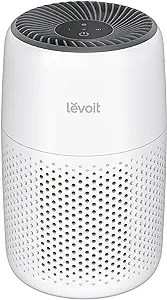
1. Conduct a Comprehensive Home Health Assessment: Schedule a thorough evaluation of your living space to identify and address potential hazards. Mold, radon, and indoor air pollutants are common culprits that can compromise respiratory health and exacerbate cardiovascular issues. Invest in proper ventilation systems, air purifiers, and routine maintenance to improve indoor air quality and promote heart health.

2. Prioritize Cleanliness and Orderliness: Embrace habits that foster cleanliness and organization within your home. Regular cleaning routines, proper waste disposal, and minimizing clutter can create a serene and harmonious living environment conducive to heart health. Additionally, prioritize nutritious meals and wholesome ingredients to fuel your body with the essential nutrients it needs to thrive.

3. Foster Emotional Well-Being: Recognize the interconnectedness between emotional wellness and heart health. Cultivate a supportive and nurturing atmosphere within your home, fostering open communication, laughter, and moments of connection with loved ones. Practice stress-relief techniques such as meditation, mindfulness, and engaging in hobbies that bring you joy to promote emotional resilience and mitigate the detrimental effects of chronic stress on your heart.

Let’s create homes that serve as havens of health, vitality, and longevity, nurturing our hearts and enriching our lives with every beat. #HeartHealth #AmericanHeartMonth #HealthyHome

5 Home Energy Tips to Save Money and Reduce Waste

As we approach the changing seasons, many of us are experiencing fluctuations in weather patterns, leading to increased energy consumption and higher utility bills. To help you better manage your home’s energy usage and save money, here are five simple tips to follow:

  1. Set Your Thermostat to Auto: Programming your thermostat to “auto” mode can help regulate your home’s temperature more efficiently. This means your heating and cooling systems will only kick in when needed, reducing unnecessary energy consumption during times when you’re not at home or when the weather is mild.
  2. Utilize Fans and Heaters Wisely: On warmer days, make use of ceiling fans or portable fans to circulate air and create a cooling effect without relying heavily on air conditioning. Conversely, when it’s chilly, opt for space heaters to provide targeted warmth in specific areas rather than heating the entire house. This targeted approach can help reduce energy waste and lower your heating and cooling costs.
  3. Unplug Unused Appliances: Many appliances and electronic devices continue to draw power even when they’re turned off, contributing to “phantom” energy consumption. By unplugging devices such as chargers, kitchen appliances, and entertainment systems when they’re not in use, you can prevent this unnecessary energy drain and save on your electricity bill.
  4. Switch to LED Lightbulbs: Replace traditional incandescent bulbs with energy-efficient LED lightbulbs throughout your home. LED bulbs use significantly less energy and last much longer than incandescent bulbs, resulting in lower electricity bills and reduced environmental impact. While the initial investment may be slightly higher, the long-term savings and durability of LED bulbs make them a cost-effective choice.
  5. Seal or Replace Cracked Weatherstripping: Proper insulation is key to maintaining a comfortable indoor temperature and preventing heat loss or gain. Check the weatherstripping around doors and windows for any cracks, gaps, or signs of wear and tear. Sealing these areas with caulking or replacing damaged weatherstripping can improve your home’s energy efficiency by minimizing drafts and air leakage.

By incorporating these energy-saving tips into your daily routine, you can take proactive steps to reduce energy waste, lower your utility bills, and contribute to a more sustainable future for our planet. Small changes can add up to significant savings over time, benefiting both your wallet and the environment. Start implementing these strategies today to enjoy a more energy-efficient and cost-effective home.

Clever Cord Management

In the quest for a clutter-free and aesthetically pleasing space, finding innovative solutions to manage cords is a common challenge. Recently, I stumbled upon a simple yet ingenious idea that transformed the look of my nightstand while effectively hiding unsightly cords. Let me share how decorating clips helped my cord management dilemma.

The Discovery: One day, while browsing through my local home goods store, I came across a set of decorative clips. Initially intended for holding photos or notes, these clips sparked an idea. What if I repurposed them for cord management? With a stroke of inspiration, I decided to give it a try.

The Transformation: Upon returning home, I quickly got to work. I attached the clips to the back of my nightstand and carefully threaded the cord through them. With a bit of maneuvering, I secured the cord in place, effectively hiding it behind the nightstand leg.

The Benefits: The beauty of this solution lies in its simplicity and versatility. The decorating clips not only served a practical purpose but also enhanced the aesthetic appeal of my nightstand. No longer was I greeted by a tangled mess of cords every time I entered my bedroom. Instead, my nightstand exuded a sense of organization and elegance, all thanks to a few cleverly placed clips.

Sometimes the most effective solutions are the simplest ones. By repurposing decorating clips for cord management, I was able to achieve a clutter-free and visually pleasing nightstand setup.

Decorating Clips                                      

Immerse Yourself in Bookshelf Wealth: Crafting a Cozy Haven of Knowledge and Comfort

A new trend has emerged, captivating the hearts of bookworms and design enthusiasts alike—Bookshelf Wealth. This aesthetic movement goes beyond mere aesthetics, transforming your home into a haven of knowledge, comfort, and warmth.

At its core, Bookshelf Wealth is about celebrating the art of reading, creating a curated haven for your cherished book collection. It’s not just about displaying books for show; it’s about showcasing volumes that have been carefully selected, read, and cherished over time. San Diego-based designer Kailee Blalock of House of Hive emphasizes the intentionality behind the book choices, steering away from the superficial “shelfie” trend.

Organizing your books is a crucial aspect of embracing Bookshelf Wealth. Categorize them, alphabetize them, or even coordinate them by color and pattern. The goal is to turn your bookshelf into a reflection of your intellectual journey, a tangible representation of your varied interests and personal growth.

Beyond books, the wealth of your bookshelf extends to art and decor. Let your bookshelves become a canvas for an eclectic mix of wall art, showcasing various frames and subject matters. Embrace the deliberately messy look, where art overlaps and disregards conventional boundaries.

Creating a Bookshelf Wealth haven also involves incorporating cozy seating arrangements. Picture window seats, built-in alcoves, or upholstered ottomans strategically placed near your bookshelves create inviting reading nooks. These cozy corners become the perfect spot to immerse yourself in the world of your favorite reads.

To enhance the functionality of your bookshelf, consider investing in bookshelf furniture like library ladders and statement lighting. These additions not only elevate the aesthetic but also make your book collection easily accessible.

Lastly, don’t shy away from embracing patterns and upholstery. Mix and match colors, textures, and patterns to create a visually stimulating and inviting space. Bookshelf Wealth is about turning your home into a reflection of your love for literature, art, and the joy of a cozy reading retreat. Dive into this trend, and let your bookshelves tell the story of your intellectual journey and personal style. #BookshelfWealth #CozyHome #InteriorDesign 📚🏡✨

https://www.livingetc.com/features/what-is-bookshelf-wealth

Strip Shoes for a Deep Clean

Our shoes carry us through life’s adventures, accumulating dirt and grime along the way. Unleash the transformative power of a deep clean by stripping your shoes. The step-by-step process to revitalize your footwear and step into a world of freshness.

1. Gather Your Tools:

Before diving in, gather the essentials for an effective cleaning session.

  • Action Steps:
    • Shoe brush or an old toothbrush
    • Mild detergent or shoe cleaner
    • Clean cloth or sponge
    • Water

2. Remove Laces and Insoles:

Start by removing laces and insoles to ensure every nook and cranny gets the attention it deserves.

  • Action Steps:
    • Untie and remove laces.
    • Take out insoles for a thorough clean.

3. Brush Away Surface Dirt:

Use a shoe brush or an old toothbrush to remove surface dirt and debris.

  • Action Steps:
    • Gently brush all exterior surfaces.
    • Pay extra attention to seams and crevices.

4. Prepare Cleaning Solution:

Mix a small amount of mild detergent or specialized shoe cleaner with water.

  • Action Steps:
    • Create a soapy solution in a bowl.
    • Ensure the detergent is suitable for the shoe material.

5. Wipe Down Exterior:

Dip a clean cloth or sponge into the soapy solution and wipe down the shoe’s exterior.

  • Action Steps:
    • Clean one section at a time.
    • Use a gentle, circular motion for effective cleaning.

6. Clean Laces Separately:

Soak laces in the soapy water or, if applicable, replace them with new ones.

  • Action Steps:
    • Scrub laces with a toothbrush or replace if heavily soiled.
    • Allow them to air-dry completely.

7. Dry Thoroughly:

After cleaning, let your shoes air-dry completely before reassembling.

  • Action Steps:
    • Place shoes in a well-ventilated area.
    • Avoid direct sunlight or heat sources.

Stripping your shoes for a deep clean is a rewarding process that not only rejuvenates their appearance but also extends their lifespan.

The Overlooked Essentials: Household Items Due for a Refresh

Certain household items often linger longer than they should, quietly impacting our well-being and daily routines. These overlooked essentials, discussing why it’s crucial to bid farewell to the old and welcome in the new for a healthier, more efficient home.

1. Mattress Matters:

Your mattress plays a significant role in your sleep quality and overall health. Despite its importance, many people keep their mattresses well past their prime, affecting both comfort and support.

  • Action Steps:
    • Evaluate your mattress’s age and condition.
    • Consider investing in a new mattress every 7-10 years for optimal sleep.

2. Pillow Perils:

Pillows, often unnoticed heroes in our nightly routine, lose their supportive qualities over time. Regularly replacing them ensures a restful sleep and proper neck alignment.

  • Action Steps:
    • Replace pillows every 1-2 years or when they show signs of wear.
    • Invest in quality pillows for enhanced comfort.

3. Toothbrush Tune-Up:

The humble toothbrush is a dental hygiene essential, yet it’s frequently used well beyond its recommended lifespan. Regular replacement ensures effective cleaning and oral health.

  • Action Steps:
    • Change your toothbrush every 3-4 months or sooner if bristles fray.
    • Consider investing in an electric toothbrush for optimal cleaning.

4. Sponge Swap:

Kitchen sponges, silently accumulating bacteria, are often left unchanged for too long. Regular replacement or sanitization is crucial for a hygienic kitchen.

  • Action Steps:
    • Replace kitchen sponges every 2-3 weeks.
    • Sanitize sponges regularly to prolong their use.

5. Breath of Fresh Air:

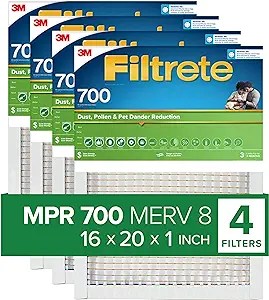
Air filters in your heating and cooling systems contribute to indoor air quality. Neglecting their replacement can lead to compromised air circulation and potential health issues.

  • Action Steps:
    • Change air filters every 1-3 months.
    • Invest in high-quality filters for better air purification.

These seemingly small household items often escape our attention. Yet, their impact on our well-being and daily comfort is undeniable. Regularly replacing mattresses, pillows, toothbrushes, sponges, and air filters ensures a healthier and more efficient home environment.

Beyond Paper: The Surprising Versatility of Binder Clips

Binder clips, those unassuming office supplies typically used for holding stacks of paper together, have proven to be versatile tools that extend beyond the realm of paperwork. Three ingenious ways to repurpose binder clips, showcasing their adaptability and usefulness in everyday scenarios.

1. Cable Organizers:

Say goodbye to tangled and messy cables with the help of binder clips.

  • Action Steps:
    • Attach binder clips to the edge of your desk or table.
    • Thread your cables through the clips to keep them organized and easily accessible.
    • Label each clip for quick identification.

This simple hack turns binder clips into efficient cable organizers, making your workspace neater and more organized.

2. Snack Bag Sealers:

Tired of struggling with chip clips that never seem to hold? Enter binder clips to the rescue.

  • Action Steps:
    • Fold the opened end of a snack bag.
    • Use a binder clip to secure the folded section.
    • Enjoy fresh and neatly sealed snacks without the need for additional clips.

Binder clips provide a secure seal, keeping your snacks fresh and eliminating the need for extra, single-use clips.

3. Phone Stand:

Need a quick and easy stand for your phone? Look no further than a binder clip.

  • Action Steps:
    • Take a large binder clip and unfold the arms.
    • Place the clip on your desk with the arms extended, creating a stand.
    • Adjust the angle by bending the arms, providing a makeshift phone stand.

This innovative use transforms a binder clip into a practical and adjustable phone stand, perfect for hands-free viewing or video calls.

Binder clips, often overlooked in their primary purpose, reveal a world of possibilities beyond paperwork. From keeping cables in check to sealing snack bags and serving as a makeshift phone stand, these simple office supplies showcase their adaptability and versatility in unexpected ways. So, before you dismiss binder clips as mere desk accessories, consider the myriad creative applications that can add convenience and organization.

Binder Clips                                   

Mastering the Art: Quick Tips for Speedy Laundry Folding

Laundry folding may seem like a mundane chore, but with a few strategic tweaks, you can transform it into a swift and efficient task. Here are some practical tips to get your laundry folded faster, from leveraging warmth to creating a dedicated folding station and rethinking what deserves a spot on hangers.

  1. Fold When Clothes Are Warm:

Timing is everything, even in laundry folding. Take advantage of the residual heat from the dryer by folding your clothes as soon as they’re warm to the touch. Warm fabrics are more pliable, making them easier to fold neatly and efficiently.

  1. Create a Folding Station:

Designate a specific area in your laundry room or bedroom as a folding station. Equip it with a flat surface, like a folding table, and keep it clutter-free. Having a dedicated space not only streamlines the process but also ensures that you’re not searching for a suitable spot every time you need to fold.

  1. Invest in Folding Aids:

Consider using folding aids or templates to achieve consistent folds effortlessly. There are various tools available that help you fold shirts, pants, and even fitted sheets with precision. These aids not only speed up the process but also contribute to a tidier appearance in your closet or drawers.

  1. Prioritize Folding Over Hanging:

While certain items may benefit from hanging to prevent wrinkles, reassess what truly needs this treatment. Often, folding is quicker and more space-efficient. Reserve hangers for delicate fabrics, blouses, and formal attire, and embrace the efficiency of neatly folded casual wear.

  1. Sort Before Folding:

Save time by sorting your laundry before you start folding. Group similar items together, such as all T-shirts, pants, or socks. This way, you can move seamlessly from one category to the next, streamlining the process and minimizing the time spent searching for specific pieces.

  1. Enlist Help:

If laundry folding tends to pile up, enlist the help of family members or roommates. Make it a collective effort, turning what could be a solitary task into a shared responsibility. With more hands on deck, the folding process becomes faster and even enjoyable.

Laundry folding doesn’t have to be a time-consuming ordeal. By incorporating these tips into your routine—folding warm clothes, creating a designated folding station, utilizing aids, reconsidering what you hang, sorting beforehand, and enlisting help—you’ll find that your laundry can be folded faster and with greater ease. Transform this chore into a streamlined and efficient task, leaving you with more time.