
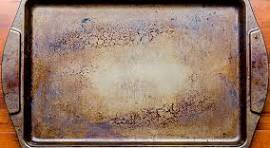
Baking pans are one of those kitchen staples we tend to forget about.
They get used.
They get washed.
They get stacked back in the cabinet.
And years can go by without us ever thinking about replacing them.
But baking pans don’t last forever.
Over time, even good-quality pans can warp, scratch, lose their nonstick coating, or develop hot spots that affect how evenly food cooks. You may notice cookies browning unevenly, cakes sticking more often, or cleanup becoming harder than it used to be.
Those are quiet signs your pans might be past their prime.
Worn-out baking pans don’t just make baking frustrating—they can also impact results. A recipe you’ve made a hundred times suddenly doesn’t turn out the same, and it’s easy to blame yourself when the real issue is the equipment.
Replacing your baking pans can be a small upgrade that makes a big difference.
New pans heat more evenly.
Food releases more easily.
Cleanup is faster.
It’s one of those simple changes that instantly improves your kitchen experience.
Another thing to consider is what type of pans you’re using. Today’s options include nonstick, stainless steel, aluminized steel, ceramic-coated, and silicone. Choosing quality materials can extend the life of your pans and improve performance.
A basic replacement set doesn’t have to be expensive or complicated. A couple of sheet pans, a muffin tin, and one or two cake or loaf pans cover most everyday needs.
Think of it as routine maintenance for your kitchen.
Just like you replace worn-out sponges, old cutting boards, or scratched cookware, baking pans deserve the same attention.
If your pans are stained beyond cleaning, flaking, warped, or simply not performing the way they once did, it might be time.
Sometimes the smallest upgrades make the biggest difference in how much you enjoy cooking and baking at home.
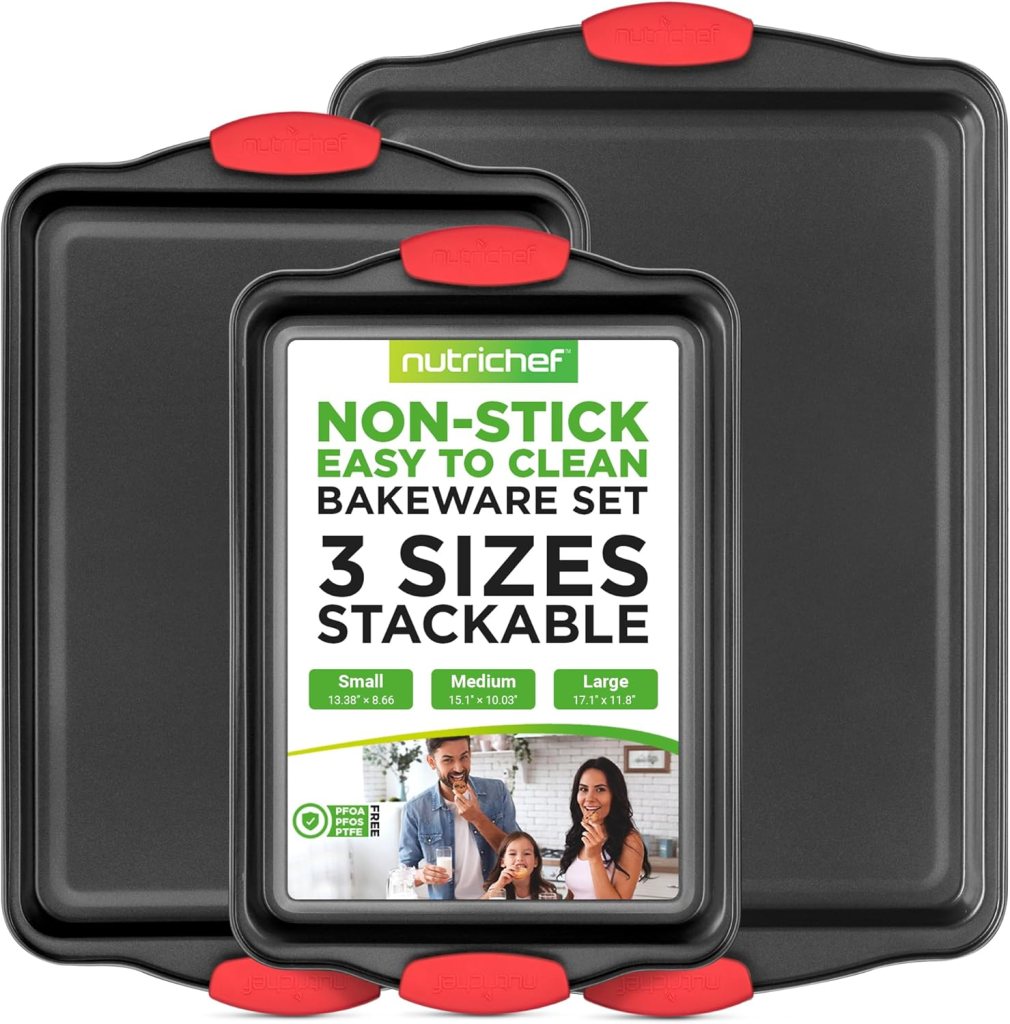
NutriChef 3-Piece Nonstick Kitchen Oven Baking Pans – Premium & Stylish Non-Stick Steel, Commercial Grade Restaurant Quality Metal Bakeware with Red Silicone Handle

 Housing Concierge