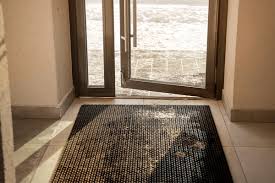
Why You Need an Ultra-Absorbent Doormat This Winter

Winter is coming—and with it, the inevitable snow, sleet, and rain. While winter weather can be beautiful, it can also be a nightmare for keeping your home clean and safe. One of the simplest and most effective solutions? An ultra-absorbent doormat. Here’s why it’s a must-have this season.

1. Keep Your Floors Dry and Safe

Slippery floors are a leading cause of accidents in the winter. Every time someone tracks in snow, ice, or rainwater, your floors become a hazard. An ultra-absorbent mat, like the Gorilla Grip HydroAbsorb, can soak up to 1.7 cups of water per entry, helping to prevent slips and falls while keeping your floors dry.

2. Protect Your Flooring from Damage

Water, mud, and grit can ruin hardwood, laminate, and tile flooring. Deep grooves and a water dam border on high-quality mats capture moisture and debris before they reach your floors, protecting your investment and reducing wear and tear over time.

3. Trap Dirt, Snow, and Debris

Winter means extra dirt and debris on shoes, boots, and even pets’ paws. An ultra-absorbent mat with a raised square pattern and deep grooves scrapes dirt and traps unwanted debris, preventing it from spreading throughout your home.

4. Built to Handle High Traffic

Holiday guests, school runs, and daily routines mean your entryways see a lot of foot traffic in winter. Durable mats are designed to withstand daily use without crushing, fading, or losing effectiveness. Many also feature low-profile designs so doors easily open over them.

5. All-Weather, All-Season Protection

Winter weather isn’t the only challenge—rain, sleet, and mud can appear year-round. Ultra-absorbent mats are typically stain, weather, and fade-resistant, making them a reliable solution no matter the season.

A high-quality, ultra-absorbent mat is a small investment with huge benefits. It keeps your home clean, your floors safe, and your winter stress a little lower. With snow and rain on the way, there’s no better time to upgrade your entryway.

https://amzn.to/47IhPvi

Prep Your Home for Winter: Wrap Your Water Heater in Warmth

As temperatures drop and energy bills rise, it’s the perfect time to ensure your home is winter-ready. One often-overlooked energy saver? Insulating your hot water heater. If your unit is older or has an R-value below 24 (check the label or manual), it could be losing heat unnecessarily. Here’s how to keep it cozy and efficient.

Why Wrap Your Water Heater?

Think of a water heater insulation blanket as a jacket for your tank. Made from materials like foil or fiberglass, these wraps reduce heat loss by 25-45%. This means your water heater doesn’t have to work as hard, saving energy and lowering utility costs by 7-16%. Over the course of a year, the savings often pay for the cost of the blanket.

How to Tell If Your Water Heater Needs Wrapping

  • Touch Test: If your water heater feels warm, it’s losing heat.
  • Check the R-Value: If it’s less than 24, it’s a good candidate for insulation.

Choosing the Right Blanket

Water heater blankets come in various sizes, so make sure to pick one that fits your tank. Options range from budget-friendly foil wraps to thicker fiberglass models. Look for kits that include adhesive or straps for easy installation.

Quick Installation Tips

  1. Turn off the water heater: Safety first!
  2. Cut around controls: Ensure vents, knobs, and access panels are unobstructed.
  3. Secure tightly: Use the straps provided to snugly wrap the blanket around the tank.

Bonus: Eco-Friendly and Budget-Friendly

By insulating your water heater, you’re not just saving money—you’re reducing your home’s energy consumption, which is great for the environment.

Wrapping It Up (Pun Intended)

Prepping for winter doesn’t have to be complicated. Small upgrades, like wrapping your hot water heater, can lead to big savings and a cozier home. So, grab that insulation blanket and give your water heater the winter jacket it deserves!

https://amzn.to/3YVxeE7

Simple Ways to Winterize Your Home: Stay Warm and Save Money This Winter

Winter is coming, and as temperatures drop, it’s the perfect time to make sure your home is ready for the cold months ahead. Winterizing your home doesn’t need to be a huge, overwhelming task. In fact, with just a few simple steps, you can improve your home’s energy efficiency, keep it cozy, and even save some money on your heating bills. Here are three easy ways to prepare your home for winter:

1. Flush Your Water Heater

Over time, particles and sediment from hard water can accumulate at the bottom of your water heater, making it less efficient. This can lead to reduced heating capacity and potentially cause overheating, leaving you with higher energy costs or a broken unit.

How to do it:

  • Turn off the power or gas to the water heater.
  • Shut off the cold water supply valve.
  • Attach a garden hose to the drain valve and direct it to a floor drain or outside.
  • Open the drain valve and let the tank fully drain.
  • Close the valve and refill the tank, ensuring it’s free of sediment.

Flushing your water heater once a year can improve its performance and extend its lifespan.

2. Reverse Your Ceiling Fans

If you haven’t already, now is the time to adjust your ceiling fans to rotate in a clockwise direction. Most ceiling fans have a switch that allows you to change the direction of the blades. In the winter months, setting your fan to turn clockwise helps push warm air that naturally rises towards the ceiling back down to where you need it—on the floor.

Why it matters:
Warm air tends to collect at the ceiling, and by reversing your fan, you’ll circulate it throughout the room, keeping things warmer and reducing the need for excessive heating.

3. Program Your Thermostat

One of the easiest ways to save money during the winter is by adjusting your thermostat. The U.S. Department of Energy suggests lowering your thermostat by 7-10°F for 8 hours a day (like overnight or when you’re at work). This can save you up to 10 percent annually on your heating bills.

Tips for programming your thermostat:

  • Set the temperature lower when you’re asleep or away from home.
  • If you have a smart thermostat, consider setting it to adjust automatically based on your daily schedule.
  • Avoid turning the heat up too high, as it will only lead to higher bills without significantly improving comfort.

By following these simple steps, you’ll not only keep your home warm and comfortable throughout the winter, but you’ll also ensure that your heating system runs efficiently.

Seasonal Maintenance Checklist: Essential Home Tasks to Complete Before Winter

It might still be 100 where you live, but Costco has Winter decorations out!

Proper seasonal maintenance not only ensures your home stays warm and energy-efficient but also prevents costly repairs down the road. Here’s your essential checklist to tackle before winter sets in.

1. Inspect and Clean Your HVAC System

Your HVAC system works hard to keep you comfortable through the winter. Before the temperature drops, schedule a professional inspection and cleaning. A technician can check for any issues, clean the system, and ensure everything is running efficiently. Additionally, replace or clean filters to maintain good air quality and system performance.

2. Seal Drafts and Insulate

Cold drafts can make your home uncomfortable and lead to higher energy bills. Inspect windows and doors for any gaps or leaks and seal them with weatherstripping or caulk. Don’t forget to check areas like electrical outlets and pipes that might need additional insulation. Adding or replacing insulation in attics and basements can also help keep your home warm and reduce heating costs.

3. Clean and Inspect Gutters

Fallen leaves and debris can clog your gutters and downspouts, leading to water damage and ice dams. Clean out gutters and downspouts thoroughly and ensure they’re properly attached and draining away from your home’s foundation. Installing gutter guards can also help reduce future clogs.

4. Check Roof and Chimney

Inspect your roof for any missing or damaged shingles that could lead to leaks. If you have a chimney, schedule a professional inspection and cleaning to prevent dangerous chimney fires and ensure proper ventilation.

5. Test Smoke and Carbon Monoxide Detectors

Cold weather can lead to increased use of heating systems and potentially dangerous indoor air quality issues. Test smoke and carbon monoxide detectors to ensure they’re working correctly and replace batteries as needed. Consider installing additional detectors if you don’t have them in key areas.

6. Prepare Outdoor Plumbing

To prevent pipes from freezing, insulate exposed outdoor pipes and disconnect garden hoses. Drain and store hoses, and if you have a sprinkler system, follow the manufacturer’s instructions for winterizing it.

7. Check Driveways and Walkways

Inspect your driveways and walkways for cracks or damage that could worsen with freezing temperatures. Repair any cracks and consider applying a sealant to protect the surfaces from ice and snow.

8. Stock Up on Winter Supplies

Ensure you have necessary winter supplies such as salt or sand for de-icing driveways and walkways, a snow shovel or snow blower for clearing snow, and emergency supplies like flashlights and batteries in case of power outages.

9. Inspect Attic and Basement

Check for any signs of leaks, mold, or pests in your attic and basement. Address any issues promptly to prevent them from becoming bigger problems during the winter months.

10. Review Your Emergency Plan

Winter storms can be unpredictable. Review your emergency plan, ensure you have a first aid kit, and keep a supply of non-perishable food and water on hand in case you’re snowed in or experience a power outage.

Taking the time to complete these essential maintenance tasks before winter arrives will help you stay warm, safe, and comfortable throughout the season. Not only will these efforts improve your home’s efficiency and longevity, but they will also provide peace of mind knowing that you’re well-prepared for the colder months.

Embracing Winter Comfort: Cozy Essentials for a Warm Home

As winter wraps its chilly embrace around us, creating a cozy haven becomes paramount. If you find yourself shivering in the cold, fret not. Whether it’s the frosty outdoors or a chilly home, there are simple yet effective ways to turn up the warmth. Here are some winter essentials that promise to make your abode a snug retreat, transforming the cold into a comforting experience.

1. Electric Blankets: A Toasty Cocoon

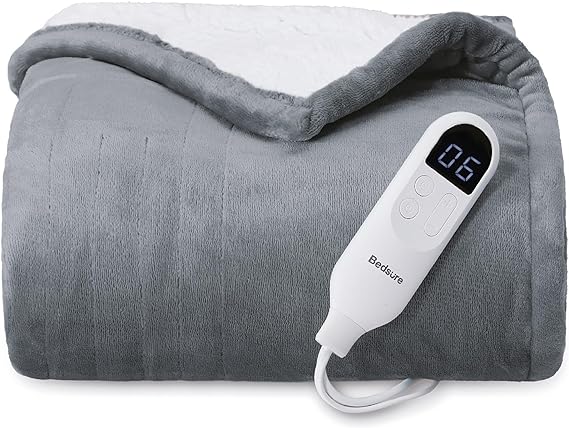
Investing in an electric blanket is like giving yourself the gift of warmth. Imagine snuggling into a bed or couch adorned with this comforting layer, enveloping you in a cocoon of soothing heat. Electric blankets not only provide instant warmth but also add a touch of luxury to your winter sanctuary.

2. Warm Tea: A Sip of Comfort

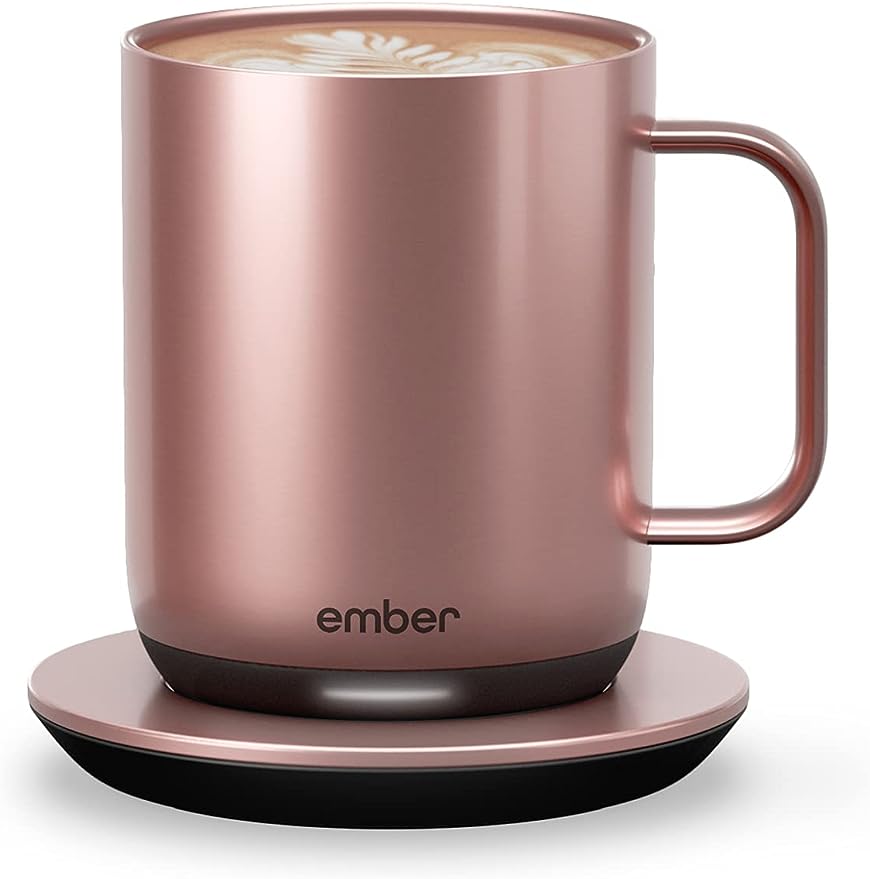
There’s something inherently comforting about cradling a warm cup of tea in your hands, especially when the winter chill sets in. Explore a variety of herbal teas, chai blends, or classic favorites to find the perfect cup that warms you from the inside out. It’s not just a beverage; it’s a ritual of comfort.

3. Neck Warmers: Fashion Meets Function

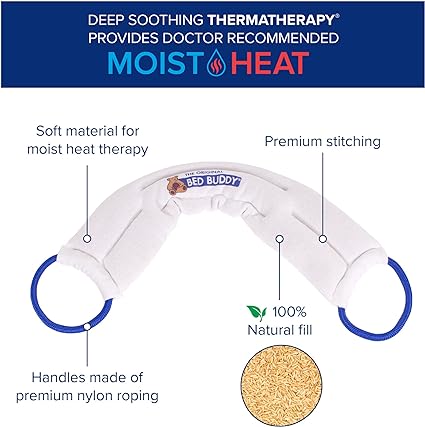
Neck warmers are more than just fashion accessories; they are practical solutions for keeping the cold at bay. Whether you’re heading out into the winter wonderland or simply lounging indoors, a cozy neck warmer can make a significant difference in maintaining your body heat.

4. Cozy Throws: Wrap Yourself in Warmth

Drape your living space with soft, plush throws to add an extra layer of warmth and style. Not only do they make your home look inviting, but they also serve as instant warmth providers when you need a quick respite from the cold.

5. Layered Bedding: Build Your Winter Nest

Transform your bed into a winter sanctuary by layering it with warm, snug bedding. Opt for flannel sheets, cozy comforters, and extra blankets to create a haven of warmth that beckons you after a chilly day.

Creating Your Winter Retreat

Whether you’re battling the cold outdoors or seeking warmth within your home, these simple essentials can make a world of difference. Embrace the winter season by surrounding yourself with comfort – from the soothing heat of an electric blanket to the comforting ritual of sipping warm tea. Make your space a haven, and let the cold become an opportunity to indulge in the warmth of winter coziness.

As the frosty air settles in, remember that a little warmth can go a long way in creating a winter retreat that you’ll eagerly look forward to every day. Stay warm, stay cozy, and let the chill outside be a reminder to cherish the warmth inside your heart and home. ❄️🏡 #WinterWarmth #CozyEssentials #HomeComforts

Protecting Your Investment: Winterize Your AC Units with Covers

As the winter season approaches, it’s essential to safeguard your air conditioning units from the harsh elements. While you may not be using them during the cold months, taking the time to winterize your AC units can significantly extend their lifespan and ensure they function optimally when the warmer days return. In this blog post, we’ll focus on the importance of covering your air conditioning units and the steps to take to ensure they’re well-protected during the winter.

Why Cover Your Air Conditioning Units?

Covering your AC units provides several key benefits:

  1. Prevents Snow and Ice Buildup: Covers act as a shield, preventing snow and ice from accumulating on the unit. Snow and ice can damage the internal components and coils.
  2. Blocks Debris: Covers also keep debris like leaves, twigs, and dirt from entering the unit. This debris can clog the unit’s coils and reduce its efficiency.
  3. Protects from Moisture: Moisture can lead to rust and corrosion. Covers create a barrier, keeping moisture away from the unit.
  4. Enhances Lifespan: Properly winterizing your AC units through covering can extend their lifespan, saving you money in the long run.

Steps to Cover Your Air Conditioning Units

  1. Measure the Unit: Before purchasing a cover, measure your AC unit to ensure the cover fits properly. Covers should be snug but not too tight.
  2. Clean the Unit: Remove any dirt or debris from the unit. Ensure it’s dry before covering it.
  3. Purchase a Cover: Invest in a cover designed for air conditioning units. Look for a durable, waterproof cover that can withstand winter conditions.
  4. Secure the Cover: Carefully place the cover over the unit and fasten it securely. Some covers come with elastic cords or straps for this purpose.
  5. Elevate the Unit: If possible, elevate the unit slightly to prevent it from sitting in standing water, which can lead to corrosion.
  6. Check Periodically: Throughout the winter, periodically check the cover to ensure it’s still secure and in good condition. If it becomes damaged, replace it.

By taking these steps to cover your air conditioning units, you’re taking proactive measures to protect your investment. Proper winterization is a small effort that can yield significant rewards by ensuring your AC units are ready to cool your home efficiently when the warm weather returns.

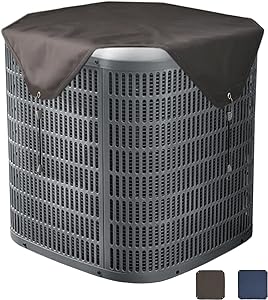
Foozet Winter Top Air Conditioner Cover

Air Conditioner Cover for Outside Units