
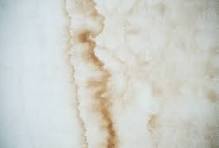
Nothing can be more alarming than discovering a water stain on your ceiling. It can start with a small, discolored patch, but over time, these stains can become a bigger problem. Water stains on ceilings are common, but understanding their causes, how to remove them, and how to prevent them can save you time, money, and stress. In this post, we’ll dive into the causes of water stains, how to remove them, and tips to prevent them from happening again.
Causes of Water Stains on Ceilings
Water stains on your ceiling are often a sign of an underlying issue. Several potential causes can lead to water infiltration, resulting in these unsightly spots. Let’s look at some of the most common culprits:
1. Roof Leaks
Roof leaks are among the most common causes of water stains. Faulty roof flashing, damaged shingles, or even small holes from improperly installed nails can cause water to seep into your home. Over time, this water can trickle down to your ceilings, leaving behind a stain. Issues like old pipe boots or worn-out roof flashing are typical offenders.
2. Plumbing Problems
Plumbing issues, particularly in bathrooms, are another major cause of water stains. Leaky pipes, old caulking, or deteriorating seals around toilets and sinks can lead to water escaping and finding its way to the ceiling below. Toilets and sinks are often where leaks are most noticeable, but they can be hard to detect until the damage has already been done.
3. Condensation
Poor ventilation in high-humidity areas like kitchens, bathrooms, or laundry rooms can lead to condensation. When warm, moist air meets a cold surface, it can cause water droplets to form, which can lead to stains. If you’re seeing a stain in a bathroom or kitchen, this could be the problem.
4. HVAC System Issues
Your HVAC system can also contribute to water stains. A leaking duct, clogged drain lines, or a cracked drip pan can all lead to water accumulation in your ceiling. If your HVAC system is aging, it may be time to have it checked.
5. Foundation Issues
Sometimes, water stains are caused by leaks in the foundation of the home. This could be due to cracks in the foundation, around windows, or near chimneys. These areas might not always be easy to detect, so regular inspections are key to catching foundation issues early.
How to Identify the Source of Water Stains
Before you take action, it’s important to identify where the water is coming from. Here’s how to start:
- Visual Inspection: Examine the ceiling for discoloration. If it’s near a bathroom, kitchen, or laundry room, condensation might be the culprit. If it’s near a roofline, it could be a leak.
- Check the Roof: If the roof is easily accessible, inspect it for missing shingles or areas that might be worn down. Check the attic for water damage or mold growth, which can help you spot leaks.
- Inspect the Plumbing: Look for leaks around sinks, toilets, and bathtubs. Pay attention to areas with old caulking or seals, as these are often prime areas for leaks.
- Use a Moisture Meter: This tool can help you pinpoint areas with excess moisture, allowing you to focus on the source of the water.
- Call a Professional: If you’re unable to determine the cause, it’s a good idea to call a leak detection professional. They can assess areas you may not be able to reach, such as pipes behind walls or the roof.
How to Remove Water Stains on Ceilings
Once you’ve identified the source of the water and made necessary repairs, you can begin the process of cleaning and repairing the water stain. Here’s how to do it:
- Fix the Leak: Before removing the stain, make sure the source of the water is completely fixed. If there’s an ongoing leak, the stain will likely reappear.
- Prepare the Area: Ventilate the room by opening windows and doors. Protect the area around the stain with a drop cloth, and wear protective gloves and goggles.
- Remove the Stain: Use a putty knife to scrape off any damaged materials, such as peeling paint or plaster. Gently clean the stained area with a damp cloth and mild detergent, then let it dry completely.
- Repair the Damage: If there are holes in the ceiling, fill them with spackle or drywall compound. Once the area is dry, sand it smooth before painting over the stain to match the surrounding ceiling color.
How to Prevent Water Stains on Ceilings
The best way to deal with a water stain is to prevent it from happening in the first place. Here are some proactive steps to help you avoid ceiling water stains:
- Regular Roof Inspections: Especially if your home is older, schedule a roof inspection every 1-2 years. Look for any missing or damaged shingles, worn-out flashing, or other areas that might lead to leaks.
- Address Plumbing Issues Early: Regularly inspect pipes and caulking in bathrooms and kitchens. Fix any leaks, and replace old seals to prevent water from escaping.
- Maintain Proper Ventilation: Ensure that bathrooms, kitchens, and laundry rooms are properly ventilated. Install or repair exhaust fans to help reduce moisture buildup.
- Inspect Your HVAC System: Have your HVAC system professionally inspected to avoid leaks from ducts, pans, or clogged lines that could lead to water damage.
- Address Foundation Issues: If you notice cracks or water pooling near the foundation, address these issues early. Cracks in the foundation can lead to water leaks into your home.
Water stains on your ceiling are more than just an eyesore—they can be a sign of a serious problem. Understanding the causes of water stains, knowing how to identify the source, and following a solid plan for repair and prevention will save you from further headaches down the line. Don’t ignore water stains—acting quickly can prevent more significant damage to your home. Regular maintenance and inspections are key to keeping your home dry, safe, and damage-free.
 Housing Concierge