In many parts of the country, summer doesn’t just mean sunshine and barbecues—it also means thunderstorms. And with those storms often come power outages and electrical surges.
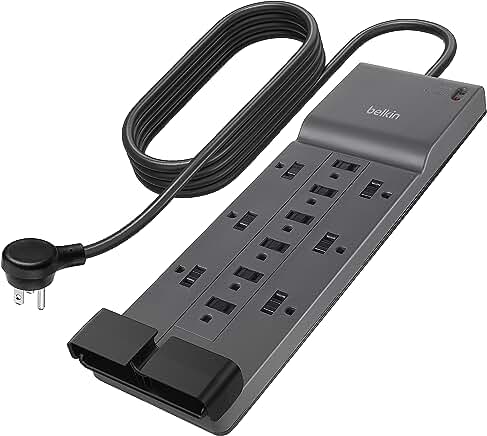
A friend recently experienced this firsthand. During a quick but intense storm, their power went out. When it came back on, their treadmill—a key part of their home workout routine—stopped working properly. It was a frustrating and costly reminder of something simple: the importance of using a surge protector.
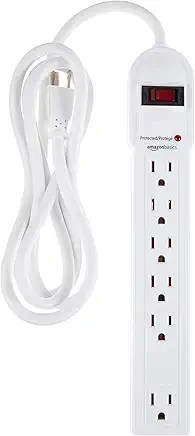
Electronics, appliances, and even fitness equipment like treadmills and stationary bikes are vulnerable to power surges. Without a surge protector, one storm can do serious damage.
So here’s a quick reminder: ✔️ Use surge protectors for valuable or sensitive devices. ✔️ Unplug items during severe storms if you’re home and it’s safe. ✔️ Consider whole-house surge protection if outages are frequent in your area.
It’s a small investment that can save you big headaches—and expenses—later.
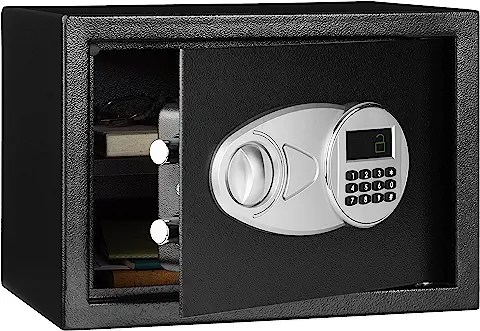
Identity theft and natural disasters are real concerns, safeguarding your vital records is more important than ever. Documents like birth certificates, Social Security cards, passports, and property deeds are essential for proving your identity and accessing important services. Keeping these vital records secure at home should be a priority, and one of the best ways to do so is by storing them in a safe.
Why You Need to Protect Your Vital Records
Vital records are more than just pieces of paper; they are key to your personal identity and legal standing. Losing or damaging these documents can result in significant hassles, from the time-consuming process of replacing them to potential security risks like identity theft.
For example, a birth certificate or Social Security card falling into the wrong hands can be used to open fraudulent accounts, leading to financial loss and long-term damage to your credit. Similarly, property deeds and titles are critical in establishing ownership, and losing them could complicate legal matters related to your home or assets.
The Benefits of Keeping Vital Records in a Safe
Storing your vital records in a home safe offers several key advantages:
Protection from Fire and Water Damage
A high-quality safe provides protection against fire and water, ensuring that your documents remain intact even in the event of a disaster. Fires, floods, and other emergencies can strike unexpectedly, and having a safe place for your records can prevent them from being destroyed.
Security from Theft
A safe offers a secure location that is difficult for intruders to access. Keeping your vital records in a locked safe ensures that they are protected from theft, reducing the risk of identity fraud and other security breaches.
Organized and Accessible
A safe helps you keep all your important documents in one organized place. This not only makes them easier to find when you need them but also reduces the chance of them being misplaced or accidentally discarded.
Peace of Mind
Knowing that your vital records are stored securely in a safe provides peace of mind. You can rest easy knowing that, even in the face of unexpected events, your most important documents are protected.
What to Store in Your Safe
When deciding what documents to store in your safe, consider the following vital records:
Birth Certificates and Social Security Cards
Passports
Marriage and Divorce Certificates
Property Deeds and Titles
Insurance Policies
Wills and Powers of Attorney
Medical Records and Immunization History
Bank Account Information and Financial Records
In addition to paper documents, you may also want to include digital backups of these records stored on an encrypted USB drive.
Choosing the Right Safe
When selecting a safe for your home, consider the following factors:
Fire and Water Resistance: Look for safes that are rated to withstand high temperatures and water exposure.
Size: Choose a safe large enough to store all your vital records comfortably, with room for any additional valuables you may want to secure.
Security Features: Opt for a safe with advanced locking mechanisms, such as biometric or keypad entry, for added security.
Portability: Depending on your needs, you may want a safe that is lightweight and easy to move, or one that is heavier and more difficult to remove from your home.
Your vital records are essential to your identity and legal standing. Keeping them safe from damage, theft, and loss should be a priority. By investing in a high-quality safe and storing your important documents securely at home, you can protect your future and ensure that you have access to these critical records when you need them most. Take the time to assess your current storage solutions and consider upgrading to a safe that will provide the protection and peace of mind you deserve.



 Housing Concierge