Fresh paint can give your home a new look and feel, but it also requires careful preparation and attention to detail to ensure a smooth and long-lasting finish. Before you start, you should clean and repair surfaces, cover floors and furniture, and select the right paint and tools for the job. It’s also important to follow the manufacturer’s instructions for application, including proper ventilation and drying time.
We have used these Stak Racks to paint doors- they are FANTASTIC! We painted three doors at the same time and made the job so much easier.
INNOVATIVE DESIGN: Stak Rack is a revolutionary tool that allows you to paint and stack doors and trim with ease. Utilizing an innovative triangular design, Stak Racks are the ultimate compact painting system; saving you time, space and the hassle of trying to avoid drips, runs and smudges from too much project handling. This is the perfect tool for tackling multiple projects at one time, resulting in increased productivity. Proudly designed and manufactured in the USA.
USER FRIENDLY: Stak Rack’s are extremely easy to set-up and operate. Once attached you can proceed in preparing your doors for painting. Start by removing all hardware such as the door hinges and handle or knobs. You can then start repairing any imperfections and prep the surface with a sander or loose sand paper. Use masking tape to cover any surface you want to protect. Setup and operation is simple enough that it can be accomplished with just one person
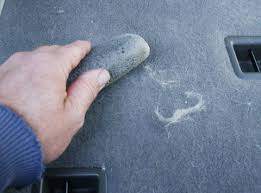
If you’ve ever tried to keep a car clean with a dog in the family, you know the struggle: fur everywhere. Seat covers, vacuums, lint rollers—they help, but sometimes dog hair just seems impossible to remove from carpeted surfaces.
Recently, we learned a simple trick from a professional car detailer that changed the game: pumice stones.
Why Pumice Stones Work
Pumice stones are naturally abrasive—but in a gentle way that works perfectly on fabric and carpeted surfaces. When rubbed lightly across upholstery or carpet, they grab stubborn pet hair that vacuums or brushes often leave behind. The tiny ridges of the stone catch the hairs, pulling them up without damaging the fabric.
How to Use a Pumice Stone for Dog Hair
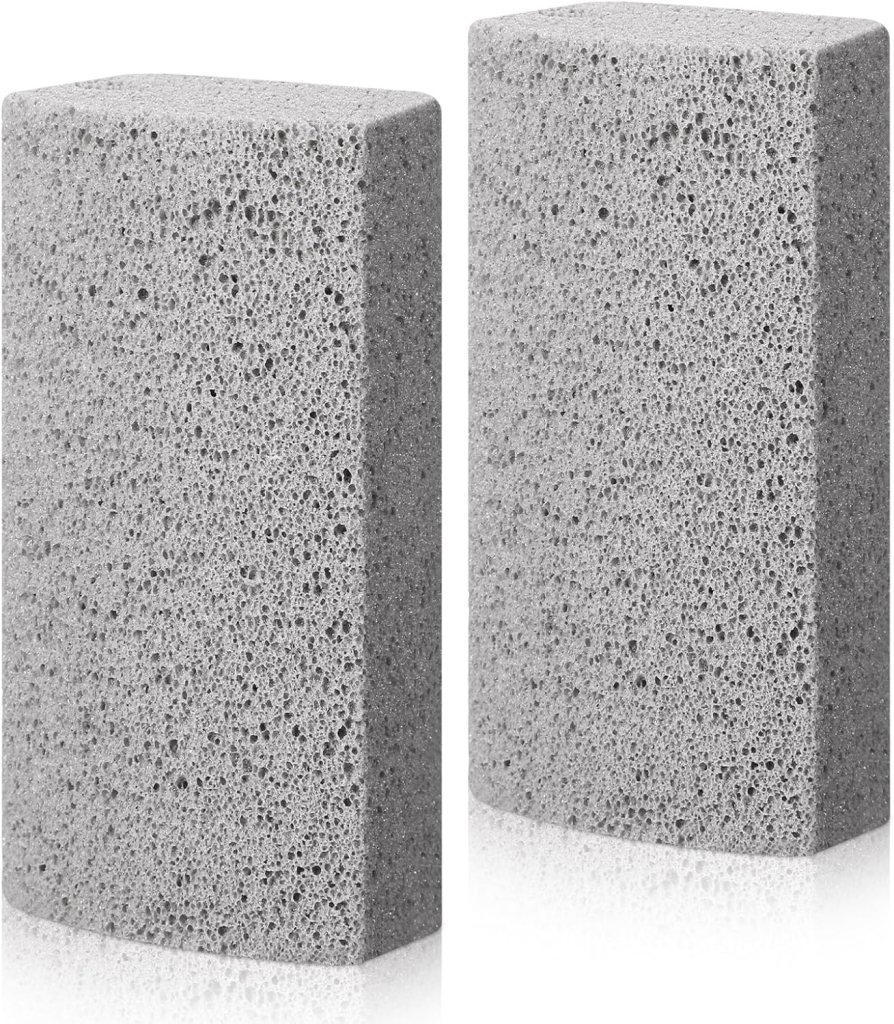
Choose the Right Stone: Pick a small, handheld pumice stone that’s smooth and easy to grip. Avoid stones that are too rough—they can fray delicate fabrics.
Dry Surface Only: Make sure your car seats or carpets are dry. Wet surfaces make the stone less effective and can leave residue.
Rub Gently: Lightly drag the stone over the carpet or upholstery. You’ll start to see clumps of dog hair lift away.
Vacuum Up the Hair: After using the stone, vacuum the loosened hair for a complete clean.
Repeat as Needed: For very hairy cars, a couple of passes usually does the trick.
Why This Works Better Than Lint Rollers
Lint rollers are great for small jobs or smooth surfaces, but they often struggle with deep-set hair in fabric or carpet. Pumice stones reach down into fibers, making them especially effective for stubborn hair stuck in car mats, seats, or carpets.
Next time your dog leaves a trail of fur behind, reach for the pumice stone. You might be surprised at how well it works!
Loopeer 2 Pcs Pet Hair Remover Pumice Stone for Dog Cat Hair Removal Cleaning Pet Fur Stone 6 Inch Dog Fur Cleaning Tool for Car Interior Bedding Carpet Couch Furniture
It’s one of those home maintenance tasks that’s easy to forget—until it becomes a problem. Cleaning your dryer vents isn’t glamorous, but it’s important for safety, efficiency, and the longevity of your appliance.
If it’s been a while since you last checked yours, this is your reminder.
Why Dryer Vent Cleaning Matters
Over time, lint builds up inside dryer vents. While the lint trap catches some of it, a significant amount escapes into the vent system. That buildup restricts airflow, making your dryer work harder and less efficiently.
More importantly, lint is highly flammable. Clogged dryer vents are one of the leading causes of household fires, according to fire safety organizations. Regular cleaning significantly reduces that risk.
Signs Your Dryer Vent Needs Attention
Your dryer may already be giving you clues. If clothes are taking longer than usual to dry, the dryer feels unusually hot, or you notice a burning smell, restricted airflow could be the cause. Excess lint behind the dryer or at the exterior vent is another common warning sign.
Efficiency Saves Time and Money
A clean dryer vent helps your appliance run efficiently. When air flows freely, clothes dry faster, energy use decreases, and wear and tear on the dryer is reduced. Over time, this can extend the life of your dryer and lower utility bills.
How Often Should You Clean It?
For most households, cleaning the dryer vent at least once a year is recommended. Homes that do a lot of laundry—especially those with pets—may benefit from more frequent cleanings.
Some homeowners handle this themselves with vent cleaning kits, while others prefer to hire a professional. Either way, the key is not letting it slide year after year.
A Small Task With Big Impact
Homeownership is full of little responsibilities that don’t always feel urgent—until they are. Cleaning your dryer vent is a small task that delivers peace of mind, improved performance, and added safety.
Set a reminder, add it to your seasonal checklist, and take care of it before it becomes a bigger issue.
Because sometimes the simplest maintenance makes the biggest difference.
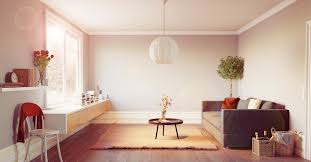
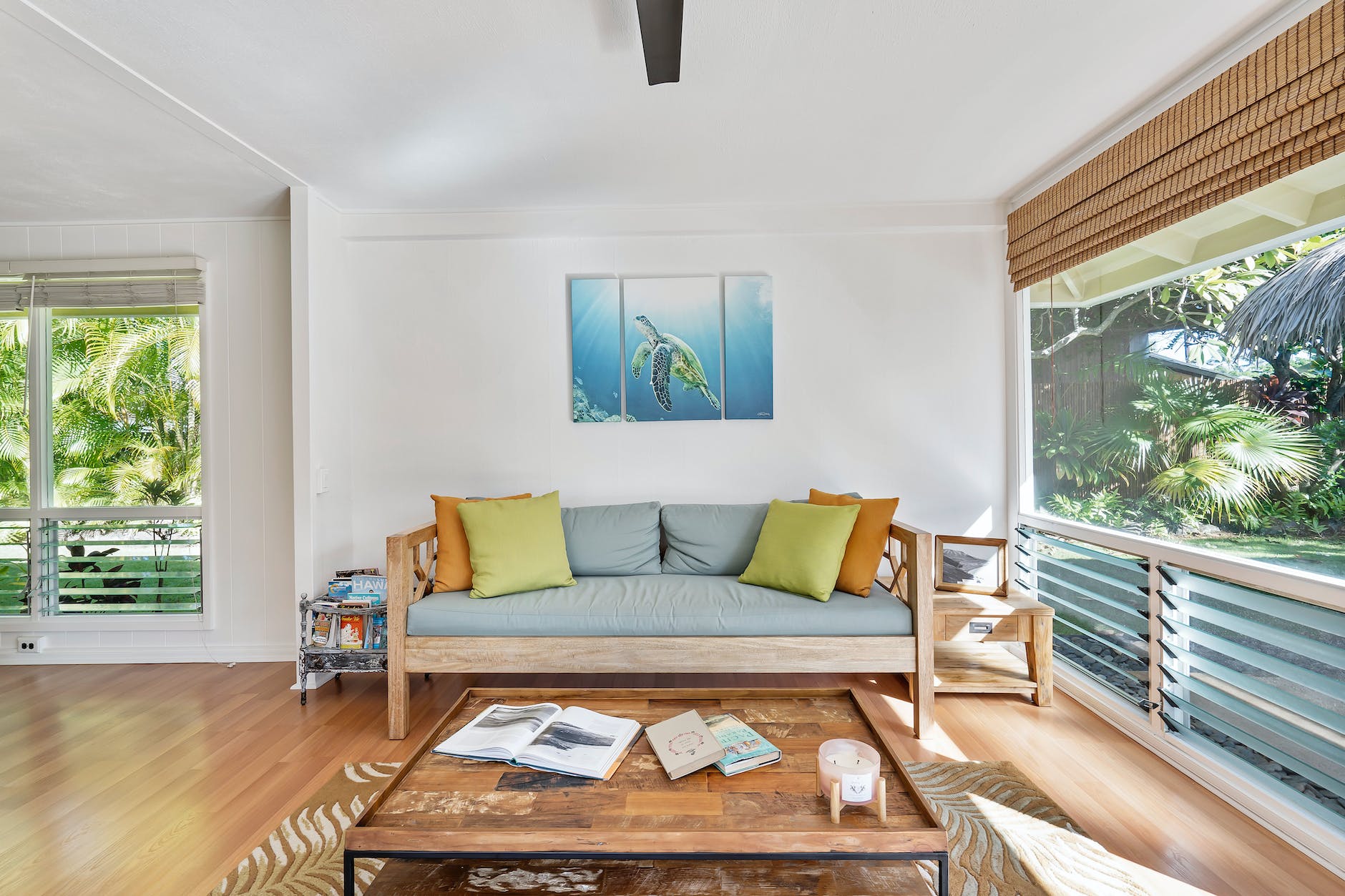
As the days grow shorter and the weather turns colder, our homes can start to feel a little darker and gloomier. The lack of natural sunlight can have a significant impact on our mood and overall well-being, but with a few clever tweaks, you can make the most of the daylight you do get and even make your space feel brighter and more inviting.
Here are some easy and effective ways to boost natural light indoors during the darker months:
1. Use Mirrors to Reflect Light
Mirrors are one of the simplest and most effective ways to amplify natural light in a room. By strategically placing mirrors opposite windows or in areas where light can bounce off them, you can create the illusion of more space and brightness. A large mirror or a group of smaller ones placed thoughtfully can reflect light into darker corners, making your home feel sunnier and more spacious.
Mirrors with light-colored frames or frameless mirrors will blend seamlessly with your décor while maximizing the reflective effect.
2. Opt for Light Curtains or Blinds
Heavy drapes or dark blinds may block out light, making a room feel even dimmer. Instead, choose light-colored or sheer curtains that allow more daylight to filter through. If you prefer blinds, go for ones in light, neutral shades. These subtle changes can make a world of difference in the amount of natural light entering a room.
Keep curtains open during the day to let as much light in as possible, and close them at night for warmth and privacy.
3. Use Light Colors for Walls and Furniture
Dark-colored walls and furniture can absorb light, making a room feel smaller and more cramped. Instead, opt for lighter shades such as whites, light grays, pastels, or off-whites to create a brighter, more open atmosphere. Light-colored furniture and accessories will reflect light rather than absorbing it, helping to brighten up the space.
If you’re not ready to repaint, start with smaller accents like throw pillows, rugs, and table lamps in light shades to add brightness.
4. Strategically Place Furniture
The way you arrange your furniture can make a big impact on how natural light flows throughout the room. Avoid blocking windows with large pieces of furniture, and instead, arrange seating or shelving near walls where light can bounce off. Open up the flow of the room to ensure that light doesn’t get trapped in corners.
Keep the space around windows as clear as possible to allow natural light to reach every corner of the room.
5. Maximize Natural Light in Your Entryway
If your entryway tends to be dark, consider installing a glass door, adding a transom window, or placing a mirror near the entrance. This will help draw natural light into your home as soon as you walk through the door.
Add a light-colored rug and an inviting piece of artwork to create an even brighter and more welcoming entryway.
6. Add Plants Near Windows
Not only do plants bring life and freshness to your home, but they can also help optimize light. Place them near windows to enhance your natural lighting while adding a natural, calming touch. Plus, plants can help purify the air, improving both the atmosphere and the light quality in your home.
Opt for low-maintenance plants like snake plants or succulents if you’re short on time.
By incorporating some of these strategies into your home, you can brighten up the space, enhance your mood, and make your home feel more vibrant, even when the days are short and the skies are overcast. Whether it’s with a mirror, lighter curtains, or a rearranged furniture layout, small adjustments can create big improvements in how you experience natural light indoors. Plus, who doesn’t love a bright, sunny home during the colder months?
Let the light in and enjoy the seasonal warmth—inside and out!
The kitchen triangle is a concept used in kitchen design to optimize the layout and functionality of the space. The triangle refers to the three key work areas in the kitchen: the sink, the refrigerator, and the stove. These areas are the most frequently used in the kitchen and should be positioned in a way that makes it easy and efficient to move between them.
The concept of the kitchen triangle suggests that these three areas should be arranged in a triangular shape, with each side of the triangle measuring between 4 and 9 feet. This layout creates an efficient flow and allows the cook to move easily between the work areas without encountering obstacles.
The sink is typically located on one side of the triangle, with the refrigerator on another and the stove or cooktop on the third. The idea is that the cook can easily move between these three areas to wash, prepare, and cook food. This layout also helps to prevent traffic jams and ensures that the cook has enough space to move around comfortably.
Coffee table books can be an excellent way to add style and personality to your living space. Here are some fun ways to decorate with a coffee table book: Stack them up: Create an artful stack of coffee table books on your coffee table or on a bookshelf. Vary the size and color of the books to add visual interest. Use as a centerpiece: Select a coffee table book with a beautiful cover and place it in the center of your coffee table. Add a vase of flowers or other decorative items on top to create a stylish centerpiece.
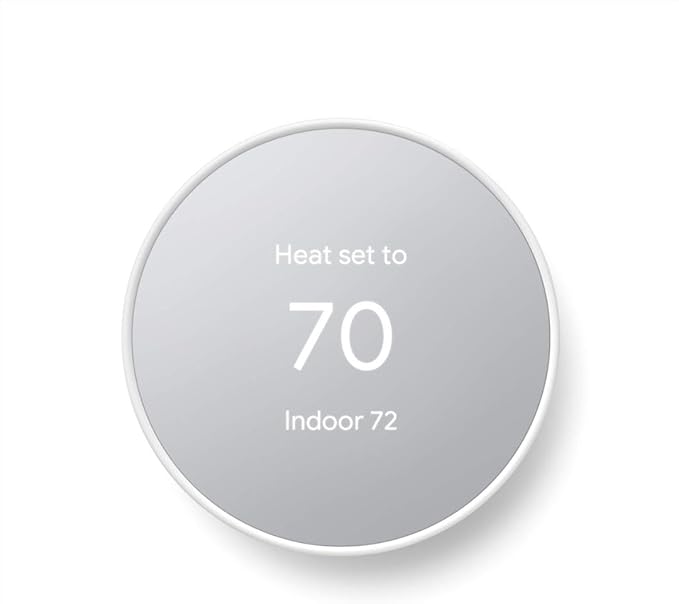
One of the first things we upgraded when we bought our home that was built in the 90’s was the thermostat. We have liked our Nest for the following reasons:
Energy Savings: Smart thermostats can automatically adjust to our schedule and habits, reducing energy consumption when we aren’t at home or when we’re asleep. This can help lower energy bills.
Remote Control: With a smart thermostat, we can adjust our home’s temperature from anywhere, using a smartphone app or web browser. This means we can turn up the heat or air conditioning before arriving home, for example so that we arrive to a comfortable temperature.
Improved Comfort: Smart thermostats can learn our preferences and adjust the temperature accordingly. For example, if we like to keep our home cooler at night, the thermostat will automatically adjust the temperature accordingly.
Enhanced User Experience: Many smart thermostats feature intuitive interfaces and offer a range of customization options, such as multiple temperature zones and scheduling options.
Increased Convenience: Smart thermostats can be integrated with other smart home devices, such as smart locks, smart lights, and smart speakers, creating a seamless and convenient user experience.
Buy here:
Google Nest Thermostat – Smart Thermostat for Home – Programmable Wifi Thermostat
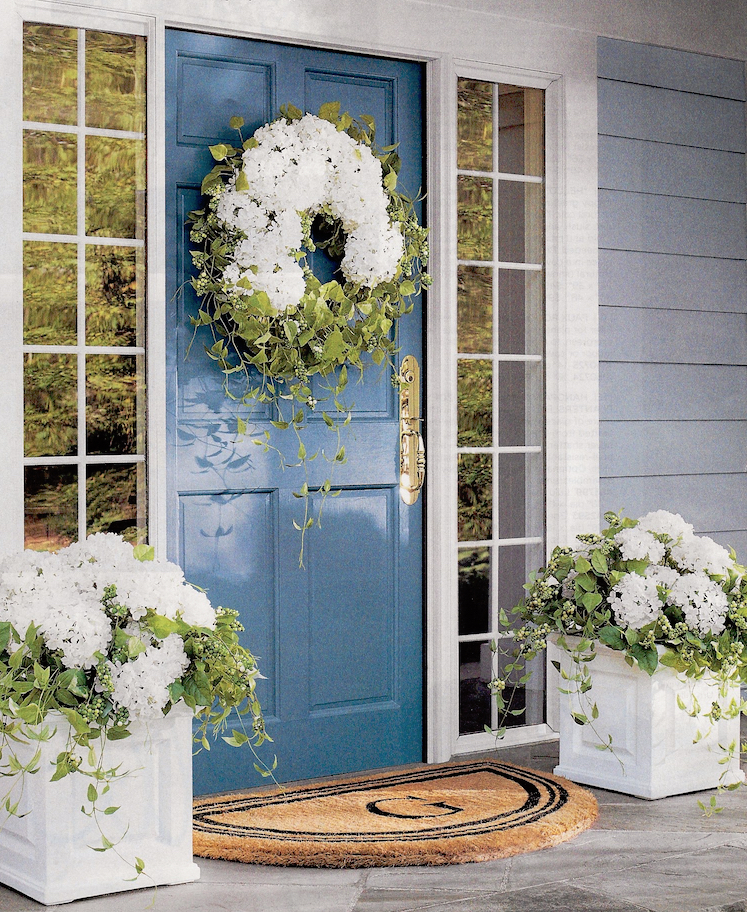
I’ve always had a soft spot for front doors. There’s something special about a door that seems to welcome you, whispering, “Come in and make yourself comfortable.” A front door can set the tone for your home, creating a sense of peace, tranquility, and a safe haven from the busy world outside.
When choosing a front door, consider more than just function. Style, color, and material all speak volumes about your home. Is it classic or modern? Bold or understated? Your door is essentially the business card of your home—it’s the first thing guests notice, and it can reflect your personality and taste.
Whether you’re picking your front door for the first time or thinking about a refresh, remember that a well-chosen door is more than just an entryway. It’s a statement, a welcome, and a daily reminder that your home is your sanctuary.
So choose wisely, pick a door that feels right, and enjoy the warmth and charm it brings every time you—or your guests—step inside.
So, you’ve got more hats than you’ve got head space. Baseball caps, fedoras, sun hats, maybe even that cowboy hat you bought on vacation and swore you’d wear again (but haven’t). The question is: where do you put them all? Fear not—here are some fun ways to store your hats without losing your sanity.
1. The Wall of Fame
Turn your wall into a gallery of headgear. Nothing says “classy homeowner” like a line of baseball caps hung proudly where guests can admire your taste in sports teams.
2. The Over-the-Door Surprise
Buy one of those over-the-door organizers, but instead of shoes, it’s stuffed with hats. Bonus points: you’ll never again open a closet without being ambushed by your collection.
3. Hat Tree (A Real Thing!)
It’s like a coat rack, but for hats. Yes, you’ll feel like you’re living in a 1950s sitcom. Yes, it’s worth it.
4. The Stack Method
If you’re lazy (no shame), just stack ‘em. Cowboy hat on the bottom, baseball cap on top, floppy beach hat in the middle. Voilà—modern art.
5. The “Borrow Your Pet” Strategy
Cats and dogs hate this one. But admit it—your golden retriever wearing your baseball cap is adorable. Not a storage solution, technically, but a guaranteed laugh.
6. Closet Rod Domination
Buy some shower curtain hooks, hang them on a closet rod, and clip your hats. Suddenly, your closet looks like a hat boutique. Or maybe a hat hoarder’s lair. Both work.
7. The “Car Hat”
This is less storage, more…lifestyle choice. Leave one hat in your car. Forever. That way, you’re never without shade on sunny days—and you’ve just stored one hat somewhere else.
Hats are fun, hats are stylish, and hats multiply faster than rabbits. Whether you go for practical or ridiculous storage, just keep them organized enough that you don’t find one on top of your blender. Unless, of course, that’s your thing.
Self-adhesive installation, suitable for smooth wall surfaces such as marble tiles and glass. 2. Drilling installation, suitable for rough and uneven surfaces such as painted drywall and wallpaper. 3. Install with screws on the wooden board.
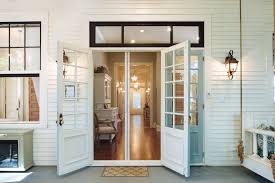
There’s nothing like opening your doors to let fresh air flow through your home. Unfortunately, that often comes with an unwanted side effect—bugs, dust, and debris sneaking inside. A magnetic screen door offers the perfect solution, letting the breeze in while keeping the pests out.
Built to Last
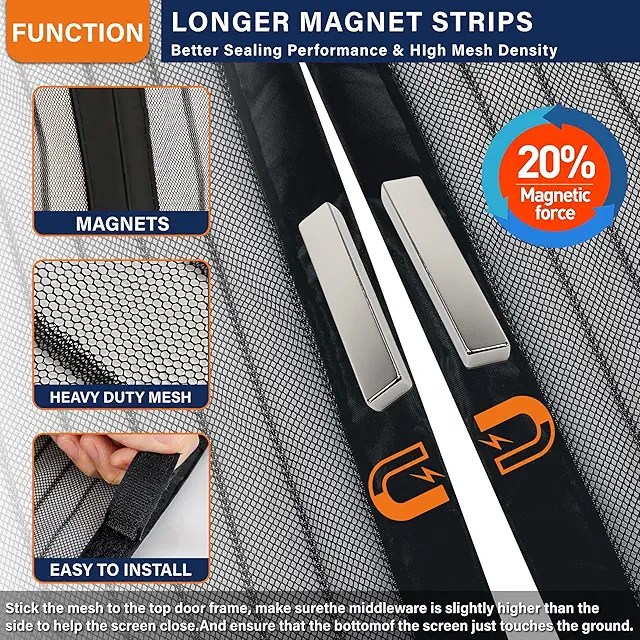
Unlike traditional fiberglass mesh, modern magnetic screen doors are made with high-quality PET material. This upgrade makes the screen sturdier, tear-resistant, and resistant to oxidation, so it stands up to daily use while still looking great.
Easy Access for Everyone
Thanks to strong built-in magnets and a weighted gravity rod at the bottom, the screen opens easily and closes automatically behind you. Kids and pets can move through without fuss, and even if your hands are full, you can walk right through without worrying about leaving the door open.
More Than Just a Bug Barrier
A magnetic screen door doesn’t just block insects—it enhances your lifestyle. It keeps your living space fresh, comfortable, and free from flying pests, so you can enjoy open doors without compromise. Whether you’re cooking, hosting, or simply relaxing, the mesh door ensures you get the best of both worlds: fresh air and peace of mind.
A magnetic screen door is a small upgrade with a big impact. It’s practical, durable, and designed to make everyday life easier and more comfortable. Say goodbye to bugs and hello to breezy, bug-free living.











 Housing Concierge