Rain chains are a fantastic addition to any home, and they can make rainy days even more enjoyable. These decorative chains are a fun and functional way to divert rainwater away from your roof and into a drainage system or a rain barrel.
Rain chains come in many different designs and styles, from traditional Japanese-inspired chains made of copper or brass to modern designs made of stainless steel or aluminum. They can be simple or elaborate, and they can add a unique touch to your home’s exterior.
One of the best things about rain chains is that they make a soothing sound as the rainwater trickles down them. The sound of water gently cascading down the chains is incredibly relaxing and can make you feel calm and peaceful, even on the gloomiest of days.
Rain chains are also easy to install and maintain. They typically come with a hook or a hanger that you can attach to your home’s gutter system, and they don’t require any additional plumbing or electrical work. Plus, because they’re made of durable materials like metal or ceramic, they can last for many years without needing much maintenance.
In addition to their functional benefits, rain chains are also a great conversation starter. Guests and visitors to your home will love seeing these unique and beautiful chains in action, and you might even inspire them to install their own rain chain.
Overall, rain chains are a fun way to add some personality to your home’s exterior while also serving a practical purpose. So why not embrace the rainy season and install a rain chain today?
When it comes to cleaning smarter—not harder—microfiber towels… Whether you’re wiping down windows, drying your car, or dusting your shelves, these little cloths pack a big punch.
What Is Microfiber, Anyway?
Microfiber is made of super fine synthetic fibers—usually polyester and polyamide—that are smaller than a human hair. The tiny fibers are split during production, creating more surface area and allowing them to trap dirt, dust, and moisture far more effectively than regular cotton cloths.
Why Microfiber Towels Are a Must-Have
🧼 1. They Clean Without Chemicals Thanks to their ultra-fine fibers, microfiber towels can grab grime and bacteria using just water. Great for eco-conscious or allergy-sensitive households.
🧽 2. Super Absorbent Microfiber holds up to 7x its weight in water, making it perfect for spills, drying dishes, or even drying off the dog.
🌟 3. Streak-Free & Lint-Free Finish Say goodbye to streaks on your windows, mirrors, and stainless steel. These towels leave surfaces shiny and clean without lint residue.
💪 4. Durable & Long-Lasting With proper care, microfiber towels can last hundreds of washes, saving you money and reducing waste.
🌬️ 5. Fast Drying They dry quickly, which makes them less likely to develop odors or harbor bacteria.
Best Uses for Microfiber Towels
Cleaning windows and mirrors
Dusting electronics and surfaces
Wiping down kitchen counters and appliances
Drying cars without scratching paint
Polishing furniture or chrome
Removing pet hair from fabric surfaces
How to Care for Microfiber Towels
To keep your microfiber towels working like new:
Wash separately (especially from cotton)
Use cold or warm water—not hot
Avoid fabric softener (it clogs the fibers)
Air dry or use low heat in the dryer
Microfiber towels may look simple, but don’t underestimate their power. They’re tough on messes, gentle on surfaces, and a smart swap for wasteful paper towels or ineffective rags.
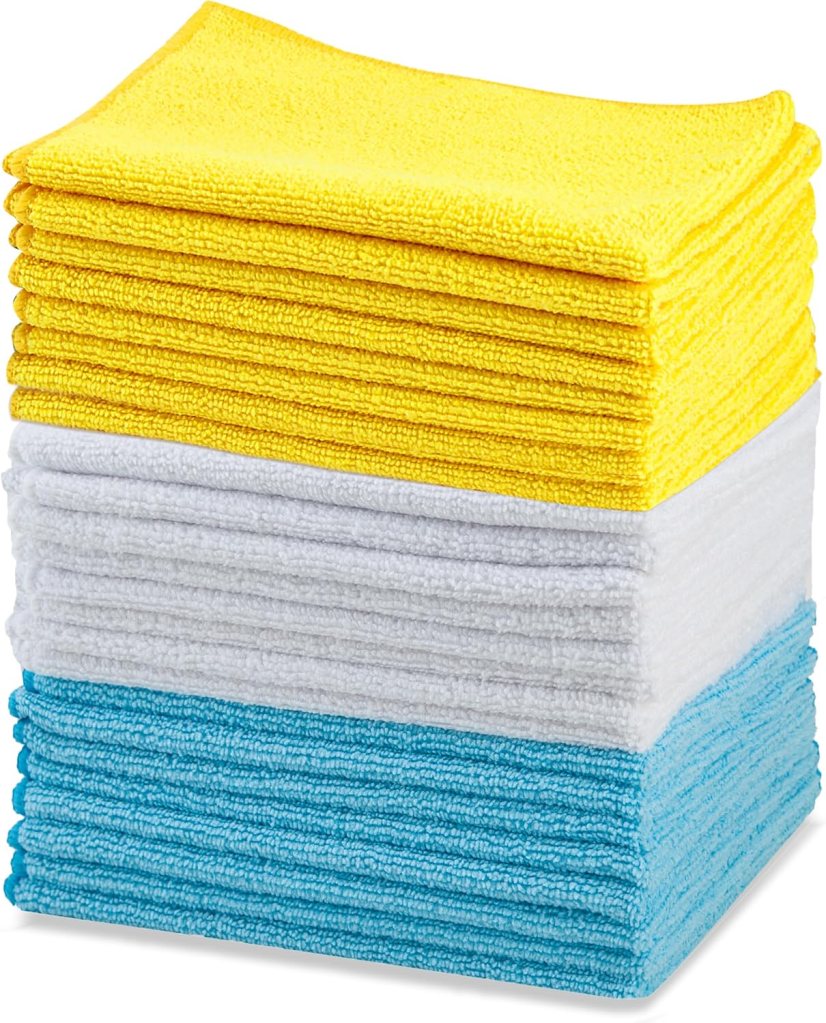
https://amzn.to/4b9BDLj Microfiber 16 x 12-inch cleaning cloth (24-pack); ideal for cleaning cars, trucks, boats, and more
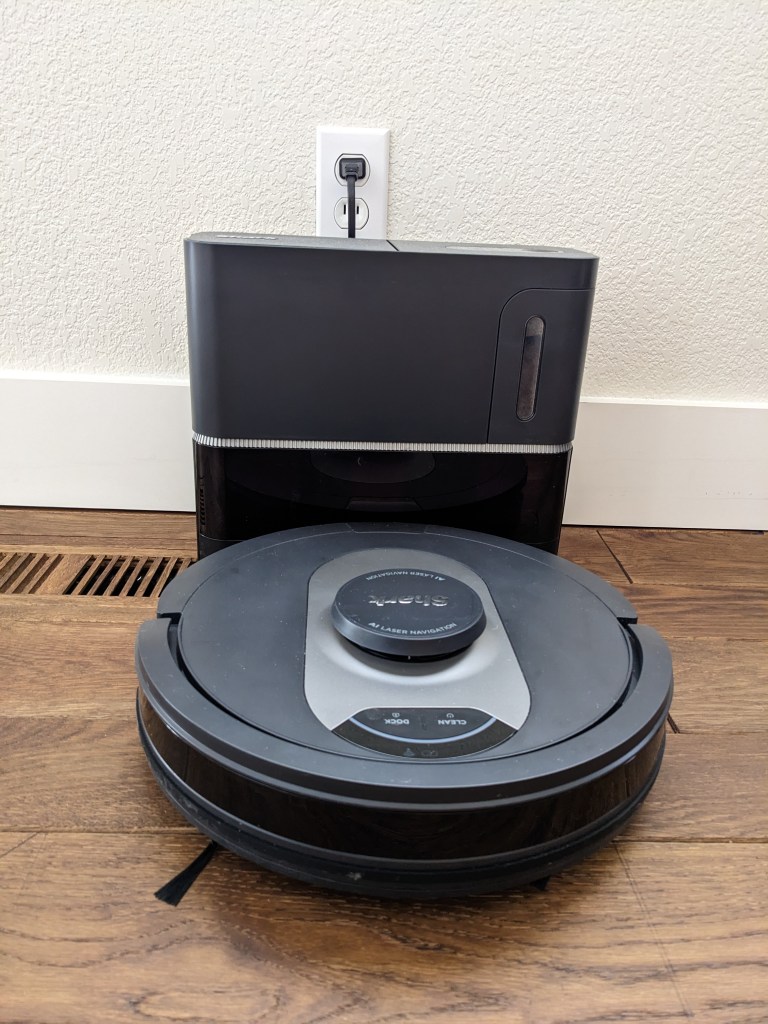
We recently purchased a smart vacuum, and it’s been great! Do you have one? We have loved ours for convenience, improved and customized cleaning, and the time it saves. A smart vacuum can be programmed to clean your home at specific times, or you can control it with your voice or a smartphone app, making it easier to keep your home tidy without having to lift a finger. Many smart vacuums are equipped with advanced sensors, navigation systems, and mapping technology that enable them to clean more effectively and efficiently than traditional vacuums.
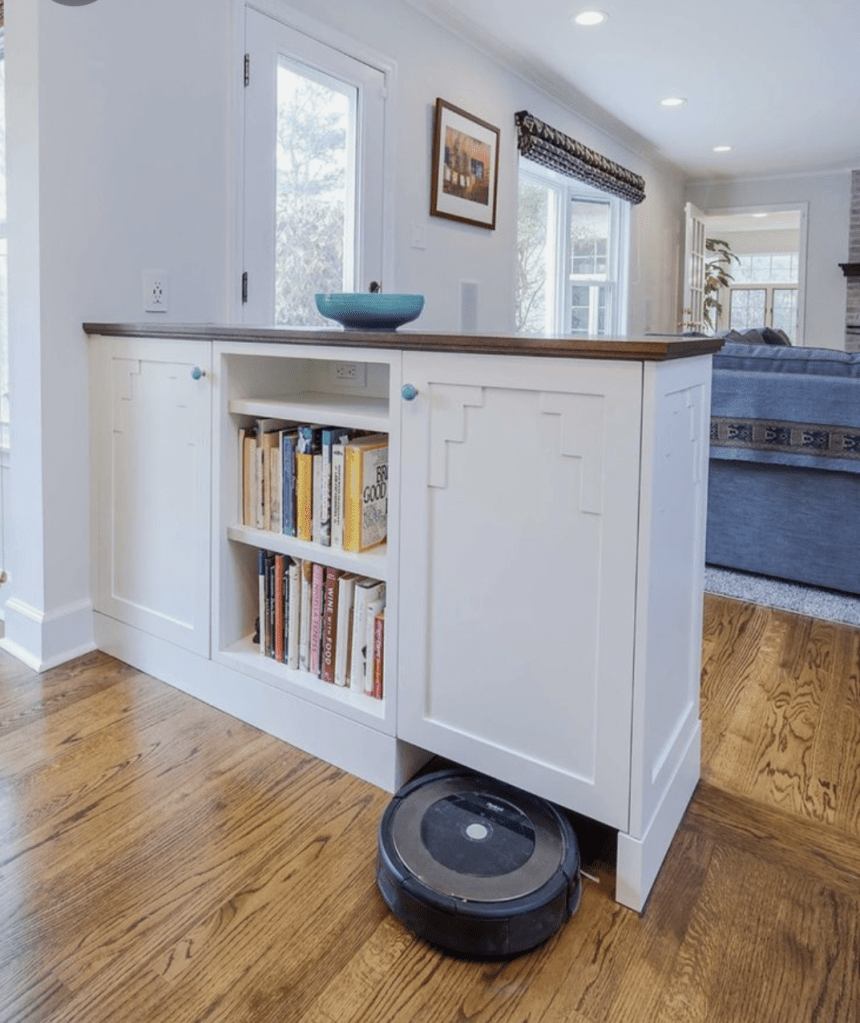
Since we are in the middle of construction, how fun would it be to add a garage for your smart vacuum?!
There are many different models of smart vacuums on the market.
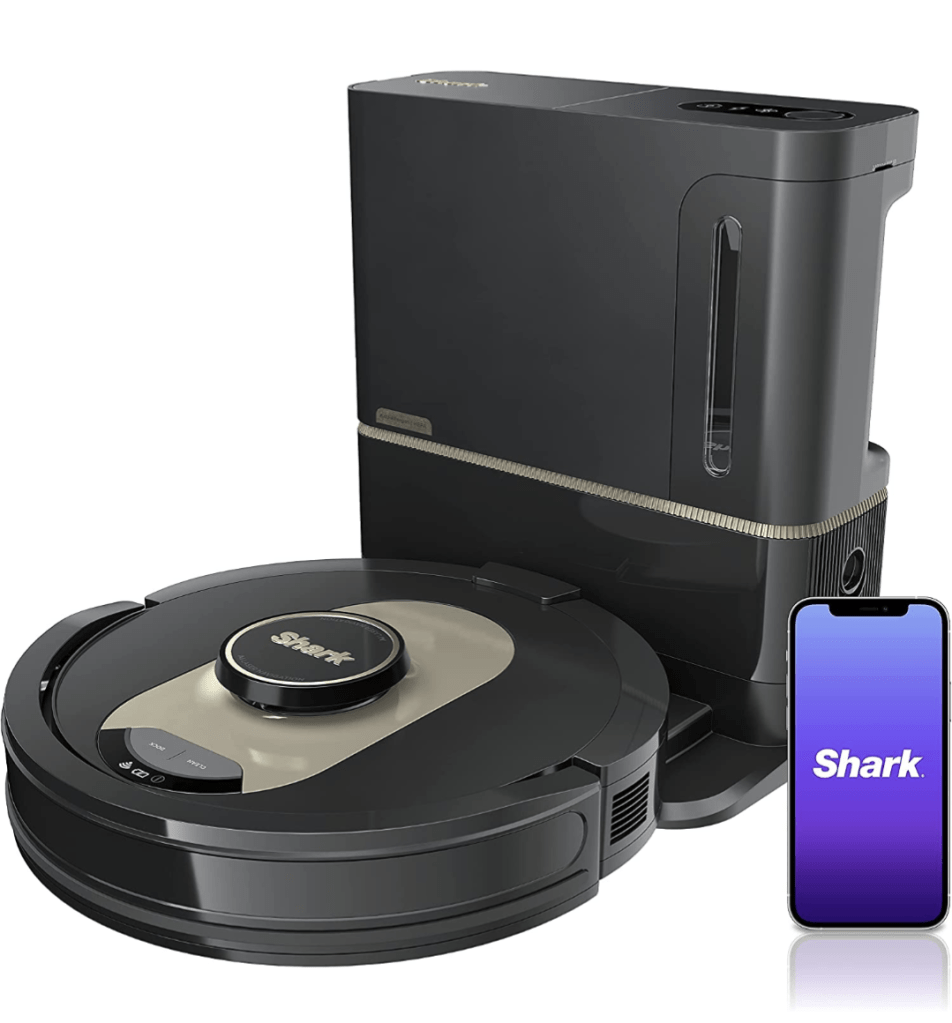
INCREDIBLE SUCTION: Powerful Shark suction picks up dirt and debris on all floor types—tackling even the toughest of messes in your home.
NO SPOTS MISSED: With Matrix Clean Navigation, the vacuum cleans in a precise matrix grid taking multiple passes over dirt and debris for whole home, deep cleaning coverage.
IT EMPTIES ITSELF: The bagless, self-emptying base holds up to 30 days of dirt and debris while its true HEPA filtration captures and traps 99.97%* of dust and allergens (*down to .3 microns).
PRECISION HOME MAPPING: 360° LiDAR vision quickly and accurately maps your home so your robot can methodically clean detecting and avoiding objects in its path, day or night, adapting to everyday changes in the home.
PERFECT FOR HOMES WITH PETS: With powerful vacuum suction, Shark’s self-cleaning brushroll, and HEPA filtration system the robot captures pet hair, dust, dander and allergens with ease.
HANDS-FREE CONTROL: Set a cleaning schedule, initiate on-demand cleaning, or activate cleans all with sound of your voice using Amazon Alexa or Google Assistant.
EXTENDED RUNTIME: Up to 120 minutes of runtime for whole-home cleaning. And with Recharge and Resume, the robot will return to the dock, recharge, and can pick up where it left off.
INCREDIBLE SUCTION: Powerful Shark suction picks up dirt and debris on all floor types—tackling even the toughest of messes in your home.
NO SPOTS MISSED: With Matrix Clean Navigation, the vacuum cleans in a precise matrix grid taking multiple passes over dirt and debris for whole home, deep cleaning coverage.
IT EMPTIES ITSELF: The bagless, self-emptying base holds up to 60 days of dirt and debris while its true HEPA filtration captures and traps 99.97%* of dust and allergens (*down to .3 microns).
PRECISION HOME MAPPING: 360° LiDAR vision quickly and accurately maps your home so your robot can methodically clean detecting and avoiding objects in its path, day or night, adapting to everyday changes in the home.
PERFECT FOR HOMES WITH PETS: With powerful vacuum suction, Shark’s self-cleaning brushroll, and HEPA filtration system the robot captures pet hair, dust, dander and allergens with ease.
HANDS-FREE CONTROL: Set a cleaning schedule, initiate on-demand cleaning, or activate cleans all with sound of your voice using Amazon Alexa or Google Assistant.
EXTENDED RUNTIME: Up to 120 minutes of runtime for whole-home cleaning. And with Recharge and Resume, the robot will return to the dock, recharge, and can pick up where it left off.
POWERFUL CLEANING—SCHEDULED AROUND YOUR LIFE – Roomba i3+ EVO takes care of dirt and messes with a Premium 3-Stage Cleaning System and 10x the Power-Lifting Suction. Compared to Roomba 600 series.Runtime : 75 minutes
CLEAN BY ROOM, YOU’RE IN CONTROL – Roomba i3+ EVO learns your home and creates an Imprint Smart Map so you can direct it to clean any room you want, any time you want—either on a set schedule or in the moment
DON’T LIFT A FINGER FOR MONTHS- The Clean Base Automatic Dirt Disposal allows the i3+ EVO to empty itself into an enclosed bag that captures 99% of particles as small as .7 microns and holds up to 60 days of cleanings. The Roomba i3+ is designed to work simply with the press of the Clean button.
CLEANING IN TIDY ROWS – Cleans intelligently in straight lines back and forth, to thoroughly clean your floors while navigating around furniture. When the i3+ EVO needs to recharge, it will resume right where it left off ensuring a complete clean
FOCUSED CLEANING – Patented Dirt Detect Technology allows the Roomba i3+ EVO to detect dirtier areas of your home and clean them more thoroughly. Integrated sensors tell the robot where it can and can’t fit, so it doesn’t get stuck under furniture
PERFECT FOR HOMES WITH PETS – Instead of using a single bristle brush, Roomba i3+ EVO uses Dual Multi-Surface Rubber Brushes that flex to adjust to different floor types and avoid getting tangled with pet hair
As an Amazon Affiliate, I earn from qualifying purchases.
As the days grow shorter and the weather turns colder, our homes can start to feel a little darker and gloomier. The lack of natural sunlight can have a significant impact on our mood and overall well-being, but with a few clever tweaks, you can make the most of the daylight you do get and even make your space feel brighter and more inviting.
Here are some easy and effective ways to boost natural light indoors during the darker months:
1. Use Mirrors to Reflect Light
Mirrors are one of the simplest and most effective ways to amplify natural light in a room. By strategically placing mirrors opposite windows or in areas where light can bounce off them, you can create the illusion of more space and brightness. A large mirror or a group of smaller ones placed thoughtfully can reflect light into darker corners, making your home feel sunnier and more spacious.
Mirrors with light-colored frames or frameless mirrors will blend seamlessly with your décor while maximizing the reflective effect.
2. Opt for Light Curtains or Blinds
Heavy drapes or dark blinds may block out light, making a room feel even dimmer. Instead, choose light-colored or sheer curtains that allow more daylight to filter through. If you prefer blinds, go for ones in light, neutral shades. These subtle changes can make a world of difference in the amount of natural light entering a room.
Keep curtains open during the day to let as much light in as possible, and close them at night for warmth and privacy.
3. Use Light Colors for Walls and Furniture
Dark-colored walls and furniture can absorb light, making a room feel smaller and more cramped. Instead, opt for lighter shades such as whites, light grays, pastels, or off-whites to create a brighter, more open atmosphere. Light-colored furniture and accessories will reflect light rather than absorbing it, helping to brighten up the space.
If you’re not ready to repaint, start with smaller accents like throw pillows, rugs, and table lamps in light shades to add brightness.
4. Strategically Place Furniture
The way you arrange your furniture can make a big impact on how natural light flows throughout the room. Avoid blocking windows with large pieces of furniture, and instead, arrange seating or shelving near walls where light can bounce off. Open up the flow of the room to ensure that light doesn’t get trapped in corners.
Keep the space around windows as clear as possible to allow natural light to reach every corner of the room.
5. Maximize Natural Light in Your Entryway
If your entryway tends to be dark, consider installing a glass door, adding a transom window, or placing a mirror near the entrance. This will help draw natural light into your home as soon as you walk through the door.
Add a light-colored rug and an inviting piece of artwork to create an even brighter and more welcoming entryway.
6. Add Plants Near Windows
Not only do plants bring life and freshness to your home, but they can also help optimize light. Place them near windows to enhance your natural lighting while adding a natural, calming touch. Plus, plants can help purify the air, improving both the atmosphere and the light quality in your home.
Opt for low-maintenance plants like snake plants or succulents if you’re short on time.
By incorporating some of these strategies into your home, you can brighten up the space, enhance your mood, and make your home feel more vibrant, even when the days are short and the skies are overcast. Whether it’s with a mirror, lighter curtains, or a rearranged furniture layout, small adjustments can create big improvements in how you experience natural light indoors. Plus, who doesn’t love a bright, sunny home during the colder months?
Let the light in and enjoy the seasonal warmth—inside and out!
As the new year approaches, it’s the ideal moment to review and strengthen your home’s preparedness for unexpected events. Creating a detailed home inventory is a simple yet powerful step—whether facing fire, theft, or other disasters, having a thorough record can make recovery faster and less stressful, helping you get back on track with ease.
Don’t Let a Disaster Set You Back
The First Line of Defense: A Home Inventory In the aftermath of a disaster, your insurance agent’s first request will likely be for your home inventory. This detailed list of your belongings serves as the cornerstone for expediting the insurance claims process. It provides clarity on what was lost or damaged, facilitating a faster and more accurate assessment.
Documenting the Essentials Begin your home inventory by documenting the essentials. Capture high-value items such as electronics, jewelry, furniture, and appliances. Note down serial numbers, purchase dates, and any relevant receipts. Include detailed descriptions and, if possible, take photographs or videos to create a visual record.
Room-by-Room Approach To ensure a thorough inventory, adopt a systematic, room-by-room approach. Begin with one area and meticulously list each item. Move through your home, covering every room, closet, and storage space. This methodical process not only aids in organization but also minimizes the chances of overlooking items.
Utilize Technology for Efficiency Leverage technology to streamline the inventory process. Consider using home inventory apps that allow you to catalog your belongings digitally. These apps often come with features like cloud storage, making it easier to access your inventory from anywhere, especially in the event of an emergency.
Store Your Inventory Securely Once compiled, ensure your home inventory is stored securely. Whether it’s a physical document kept in a safe or a digital file stored in a secure cloud service, having a backup is crucial. This ensures that your inventory remains accessible, even if the original documentation is lost or damaged during a disaster.
Update Regularly A home inventory is not a one-time task; it requires regular updates. As you acquire new items or part with old ones, revisit and revise your inventory. This practice guarantees that your documentation is always reflective of your current possessions, enhancing its accuracy and usefulness.
A proactive approach to peace of mind. Don’t let a disaster set you back; instead, empower yourself with the assurance that you are well-prepared for whatever the future may hold.
As the holiday season kicks off and decorations start to pile up, your home might feel a little… chaotic. Between the festive ornaments, garlands, wreaths, and those nostalgic holiday knick-knacks, it’s easy for things to feel a bit cluttered. But don’t worry – with some simple steps, you can keep your space feeling open and organized while embracing all the holiday cheer. Think of it as a mini spring cleaning, right in time for the holidays!
1. Start with a Quick Declutter
Before you add new decorations, take a few moments to declutter. Clear off surfaces, sort through high-traffic areas, and remove items that don’t add to the holiday vibe. If you’re replacing your everyday decor with holiday pieces, think about temporarily storing what you won’t use. For example, if your mantel usually holds picture frames or plants, box them up to make room for holiday stockings and lights.
Pro Tip: Use bins or baskets for your everyday decor, labeled and stored nearby, so after the holidays, putting everything back is a breeze.
2. Sort and Organize Holiday Decorations
When you bring out the decorations, take a look at each piece and ask yourself if it still fits your style or sparks joy. If you’re like most of us, you’ve probably accumulated decorations over the years – some of which may have seen better days. This is a great time to sort through everything, keeping only what you love. Broken ornaments, tangled lights, or pieces you no longer enjoy can go. Keep a “donate” pile for anything still in good shape but not quite your style anymore.
3. One-In-One-Out Rule
If you’re adding new decor, apply the one-in-one-out rule: for every new item you bring in, consider removing something old. This keeps things from getting too cluttered and helps you stay intentional about your holiday decor. Plus, when the season is over, it’s easier to store what you love without overflowing into every spare closet or attic space.
4. Plan for Daily Tidy-Up Time
With all the extra holiday pieces around, maintaining a quick daily cleaning routine can make a big difference. Spend 10-15 minutes each day to straighten up the living room, fluff pillows, and keep any holiday decorations looking tidy. It’s amazing how a few minutes a day can help keep that cozy, festive feeling intact – without letting clutter take over.
5. Create a Storage Plan for Post-Holiday Clean-Up
When the holidays wind down, you’ll want an easy, organized way to pack up your decorations. Stock up on clear storage bins (labeling them can help for next year), and consider dividing decorations by type or room. For example, keep all the mantel decor together, or store ornaments separately from lights. When the next holiday season arrives, this makes decorating so much easier and enjoyable.
Decorating for the holidays should be a joyful experience, not an overwhelming one. With a little pre-planning and organization, you can enjoy a beautifully festive home without the clutter. Taking these simple steps not only helps you stay organized but also makes the post-holiday clean-up much more manageable.
So, as you start decking the halls, remember to pause, declutter, and keep it simple. After all, the season is all about joy, warmth, and creating memories – not adding stress to your space.
Keeping our homes neat and organized is a never-ending challenge, especially when it comes to managing the multitude of cords and cables that power our everyday devices. Tangled cords not only create an unsightly mess but also pose potential hazards. Fortunately, there are innovative solutions available, such as outlet concealers and cord wrap keepers, that can help transform the chaos into a well-organized space.
Outlet Concealer:
Outlet concealers are a game-changer when it comes to keeping cords hidden and out of sight. These nifty devices are designed to seamlessly blend into your wall outlets, providing a clean and polished look to any room. With outlet concealers, you no longer have to deal with unsightly cords dangling from outlets or cluttering your floors. Simply plug your devices into the concealed outlets, and the cords will be neatly tucked away, creating a streamlined appearance.
Cord Wrap Keepers:
Cord wrap keepers are the perfect companion to outlet concealers. These versatile tools allow you to wrap and secure excess cord length, preventing them from tangling or becoming a tripping hazard. With cord wrap keepers, you can easily adjust the length of your cords to fit your specific needs, eliminating clutter and creating a safer environment for you and your family.
Benefits of Outlet Concealers and Cord Wrap Keepers:
The benefits of using outlet concealers and cord wrap keepers are numerous. Firstly, they improve the aesthetics of your living space by hiding unsightly cords and cables, giving your home a cleaner and more organized appearance. Secondly, these tools enhance safety by preventing tripping accidents caused by loose cords. Additionally, they make cleaning a breeze, as you no longer have to navigate around tangled cords when dusting or vacuuming.
Smart garage door openers have become increasingly popular in recent years, providing homeowners with convenience, security, and peace of mind. In this blog post, we will explore the benefits of using smart garage door openers:
Convenience: One of the most significant benefits of using a smart garage door opener is the convenience it provides. With a simple tap on your smartphone or voice command to a virtual assistant, you can open and close your garage door from anywhere, without the need for a physical remote or key. This is particularly useful when you have your hands full of groceries or other items.
Security: Smart garage door openers also provide an added layer of security. They allow you to monitor your garage door remotely and receive real-time alerts if someone tries to open it. You can also set up a virtual key for family members or trusted guests, allowing them to access your garage without the need for physical keys.
Integration: with other smart home devices Smart garage door openers can also integrate with other smart home devices, such as home security systems or smart lighting. For example, you can set up a routine that automatically turns on the lights in your home when you open your garage door, providing an added sense of security and safety.
Time-saving: With a smart garage door opener, you can save time by not having to get out of your car to manually open or close your garage door. This is particularly useful during inclement weather or when you are running late for an appointment.
Compatibility: with multiple platforms, Smart garage door openers are compatible with multiple platforms, including Amazon Alexa, Google Assistant, and Apple HomeKit. This means that no matter what type of device you use, you can control your garage door from anywhere.
If you’re looking to upgrade your garage door opener, a smart option is definitely worth considering.
If you spend a lot of time cooking or cleaning in the kitchen, you’ve probably noticed how tired your legs and back can get from standing on hard floors. Enter anti-fatigue kitchen mats—a simple yet effective solution designed to provide comfort and reduce strain on your body. But how do they work, and why should you consider getting one?
What Are Anti-Fatigue Mats?
Anti-fatigue mats are cushioned mats specifically designed to reduce the discomfort caused by standing on hard surfaces for long periods. Made from materials like foam or gel, these mats help absorb the impact on your joints, muscles, and spine, providing a more comfortable standing experience.
How They Benefit You
Reduced Discomfort: Standing on a hard surface can cause fatigue in your legs, back, and feet. Anti-fatigue mats offer cushioning, easing pressure on your joints and muscles.
Increased Productivity: If cooking is a major part of your daily routine, an anti-fatigue mat can make those long sessions in the kitchen more bearable, allowing you to enjoy the process without the physical strain.
Better Posture: These mats encourage subtle muscle movements that improve circulation and posture, reducing the risk of long-term health issues from prolonged standing.
Energy Boost: When your body isn’t focused on managing discomfort, you’ll feel less fatigued and more energized to tackle your day.
Key Features to Look For
Material: High-quality foam or gel materials offer the best comfort and durability.
Thickness: Look for mats that are at least 3/4-inch thick to provide adequate cushioning.
Non-Slip Surface: Safety is key. Choose a mat with a non-slip backing to prevent accidents.
Easy to Clean: Since it’s going in the kitchen, pick a mat that’s stain-resistant and easy to wipe down.
Where to Use Anti-Fatigue Mats
Kitchen: Place one in front of your sink or stove for comfort while cooking or washing dishes.
Laundry Room: A mat in front of your washer and dryer can make laundry days easier.
Standing Desks: If you work from home and use a standing desk, anti-fatigue mats can help reduce strain during long hours of work.
Anti-fatigue kitchen mats are more than just a luxury—they’re a practical investment in your comfort and well-being. By reducing strain, improving posture, and boosting energy, they can make your time in the kitchen far more enjoyable.
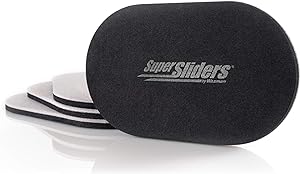
Moving heavy furniture can be a daunting task, often leading to scratches, scuffs, and strained muscles. However, with the help of furniture movers, you can slide your furniture effortlessly across various surfaces without causing damage or exerting excessive effort. Let’s explore the benefits of using furniture movers and how they can make your life easier.
What Are Furniture Movers?
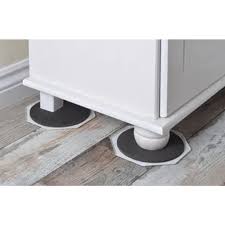
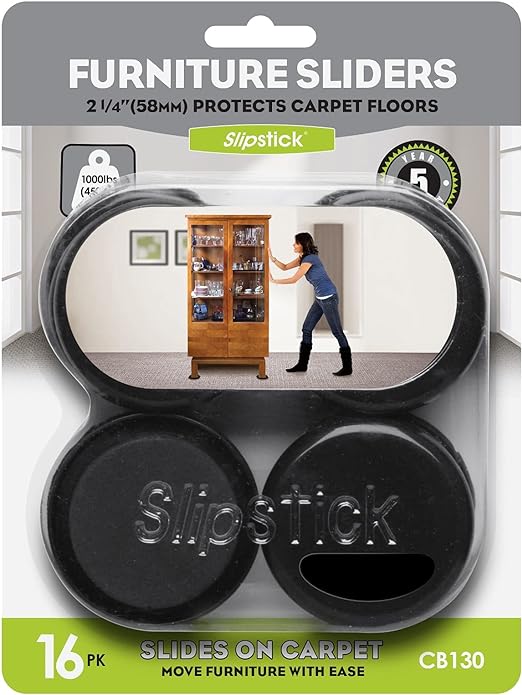
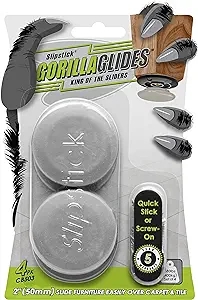
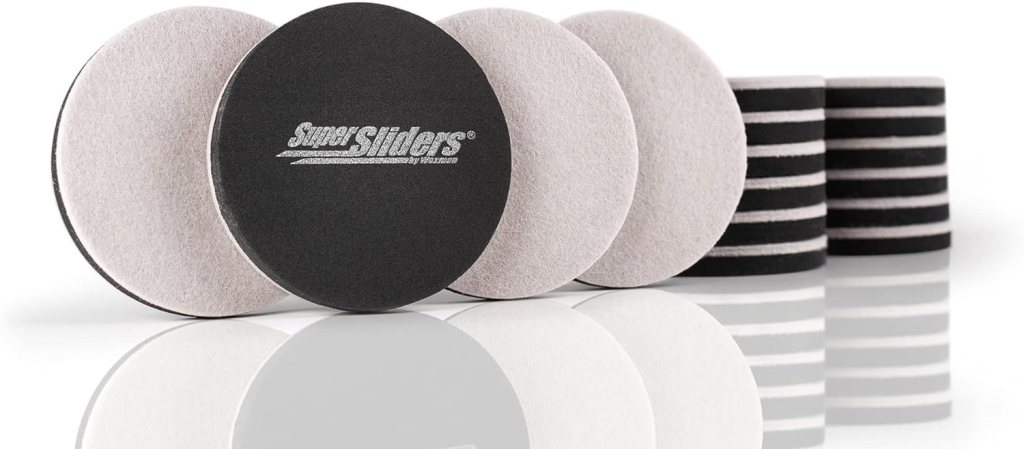
Furniture movers, also known as sliders or gliders, are small, often disk-shaped tools that are placed underneath the legs or corners of heavy furniture. These sliders are typically made of durable materials like plastic or rubber and have smooth surfaces that allow furniture to glide easily across floors without scratching or damaging them.
Benefits of Using Furniture Movers
Protect Your Floors: One of the primary benefits of furniture movers is their ability to protect your floors from scratches, dents, and scuffs. By reducing friction between the furniture and the floor, sliders prevent damage caused by dragging or sliding heavy items.
Effortless Moving: Furniture movers make moving heavy furniture much easier and less strenuous. Instead of lifting and carrying heavy items, you can simply slide them across the floor with minimal effort, reducing the risk of strain or injury.
Versatility: Furniture movers can be used on various surfaces, including hardwood, tile, laminate, carpet, and vinyl. Whether you’re rearranging furniture in your living room or moving appliances in the kitchen, sliders provide a versatile solution for easy mobility.
Preserve Your Furniture: In addition to protecting your floors, furniture movers also help preserve the integrity of your furniture. By eliminating the need to lift and drag heavy items, sliders reduce the risk of damage to the furniture itself, such as scratches, dents, or loose joints.
How to Use Furniture Movers
Using furniture movers is simple:
Place a slider under each leg or corner of the furniture you want to move.
Once in position, gently push or pull the furniture in the desired direction. The sliders will allow it to glide smoothly across the floor.
When you’ve reached the desired location, remove the sliders and enjoy your newly arranged space.
Furniture movers are a simple yet effective solution for moving heavy furniture with ease and preventing damage to your floors and furniture. Whether you’re rearranging your home or preparing for a move, sliders provide a convenient and versatile way to make furniture mobility effortless. Invest in a set of furniture movers and say goodbye to the hassle of heavy lifting and potential floor damage.















 Housing Concierge