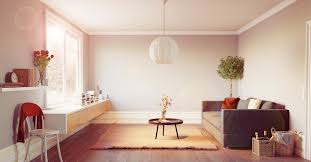
Boosting Natural Light in Darker Months: Brighten Your Home All Winter Long

As the days grow shorter and the weather turns colder, our homes can start to feel a little darker and gloomier. The lack of natural sunlight can have a significant impact on our mood and overall well-being, but with a few clever tweaks, you can make the most of the daylight you do get and even make your space feel brighter and more inviting.

Here are some easy and effective ways to boost natural light indoors during the darker months:

1. Use Mirrors to Reflect Light

Mirrors are one of the simplest and most effective ways to amplify natural light in a room. By strategically placing mirrors opposite windows or in areas where light can bounce off them, you can create the illusion of more space and brightness. A large mirror or a group of smaller ones placed thoughtfully can reflect light into darker corners, making your home feel sunnier and more spacious.

Mirrors with light-colored frames or frameless mirrors will blend seamlessly with your décor while maximizing the reflective effect.

2. Opt for Light Curtains or Blinds

Heavy drapes or dark blinds may block out light, making a room feel even dimmer. Instead, choose light-colored or sheer curtains that allow more daylight to filter through. If you prefer blinds, go for ones in light, neutral shades. These subtle changes can make a world of difference in the amount of natural light entering a room.

Keep curtains open during the day to let as much light in as possible, and close them at night for warmth and privacy.

3. Use Light Colors for Walls and Furniture

Dark-colored walls and furniture can absorb light, making a room feel smaller and more cramped. Instead, opt for lighter shades such as whites, light grays, pastels, or off-whites to create a brighter, more open atmosphere. Light-colored furniture and accessories will reflect light rather than absorbing it, helping to brighten up the space.

If you’re not ready to repaint, start with smaller accents like throw pillows, rugs, and table lamps in light shades to add brightness.

4. Strategically Place Furniture

The way you arrange your furniture can make a big impact on how natural light flows throughout the room. Avoid blocking windows with large pieces of furniture, and instead, arrange seating or shelving near walls where light can bounce off. Open up the flow of the room to ensure that light doesn’t get trapped in corners.

Keep the space around windows as clear as possible to allow natural light to reach every corner of the room.

5. Maximize Natural Light in Your Entryway

If your entryway tends to be dark, consider installing a glass door, adding a transom window, or placing a mirror near the entrance. This will help draw natural light into your home as soon as you walk through the door.

Add a light-colored rug and an inviting piece of artwork to create an even brighter and more welcoming entryway.

6. Add Plants Near Windows

Not only do plants bring life and freshness to your home, but they can also help optimize light. Place them near windows to enhance your natural lighting while adding a natural, calming touch. Plus, plants can help purify the air, improving both the atmosphere and the light quality in your home.

Opt for low-maintenance plants like snake plants or succulents if you’re short on time.

By incorporating some of these strategies into your home, you can brighten up the space, enhance your mood, and make your home feel more vibrant, even when the days are short and the skies are overcast. Whether it’s with a mirror, lighter curtains, or a rearranged furniture layout, small adjustments can create big improvements in how you experience natural light indoors. Plus, who doesn’t love a bright, sunny home during the colder months?

Let the light in and enjoy the seasonal warmth—inside and out!

Boosting Natural Light in Darker Months: Brighten Your Home All Winter Long

As the days grow shorter and the weather turns colder, our homes can start to feel a little darker and gloomier. The lack of natural sunlight can have a significant impact on our mood and overall well-being, but with a few clever tweaks, you can make the most of the daylight you do get and even make your space feel brighter and more inviting.

Here are some easy and effective ways to boost natural light indoors during the darker months:

1. Use Mirrors to Reflect Light

Mirrors are one of the simplest and most effective ways to amplify natural light in a room. By strategically placing mirrors opposite windows or in areas where light can bounce off them, you can create the illusion of more space and brightness. A large mirror or a group of smaller ones placed thoughtfully can reflect light into darker corners, making your home feel sunnier and more spacious.

Mirrors with light-colored frames or frameless mirrors will blend seamlessly with your décor while maximizing the reflective effect.

2. Opt for Light Curtains or Blinds

Heavy drapes or dark blinds may block out light, making a room feel even dimmer. Instead, choose light-colored or sheer curtains that allow more daylight to filter through. If you prefer blinds, go for ones in light, neutral shades. These subtle changes can make a world of difference in the amount of natural light entering a room.

Keep curtains open during the day to let as much light in as possible, and close them at night for warmth and privacy.

3. Use Light Colors for Walls and Furniture

Dark-colored walls and furniture can absorb light, making a room feel smaller and more cramped. Instead, opt for lighter shades such as whites, light grays, pastels, or off-whites to create a brighter, more open atmosphere. Light-colored furniture and accessories will reflect light rather than absorbing it, helping to brighten up the space.

If you’re not ready to repaint, start with smaller accents like throw pillows, rugs, and table lamps in light shades to add brightness.

4. Strategically Place Furniture

The way you arrange your furniture can make a big impact on how natural light flows throughout the room. Avoid blocking windows with large pieces of furniture, and instead, arrange seating or shelving near walls where light can bounce off. Open up the flow of the room to ensure that light doesn’t get trapped in corners.

Keep the space around windows as clear as possible to allow natural light to reach every corner of the room.

5. Maximize Natural Light in Your Entryway

If your entryway tends to be dark, consider installing a glass door, adding a transom window, or placing a mirror near the entrance. This will help draw natural light into your home as soon as you walk through the door.

Add a light-colored rug and an inviting piece of artwork to create an even brighter and more welcoming entryway.

6. Add Plants Near Windows

Not only do plants bring life and freshness to your home, but they can also help optimize light. Place them near windows to enhance your natural lighting while adding a natural, calming touch. Plus, plants can help purify the air, improving both the atmosphere and the light quality in your home.

Opt for low-maintenance plants like snake plants or succulents if you’re short on time.

By incorporating some of these strategies into your home, you can brighten up the space, enhance your mood, and make your home feel more vibrant, even when the days are short and the skies are overcast. Whether it’s with a mirror, lighter curtains, or a rearranged furniture layout, small adjustments can create big improvements in how you experience natural light indoors. Plus, who doesn’t love a bright, sunny home during the colder months?

Let the light in and enjoy the seasonal warmth—inside and out!
Comfort: Creating a Living Space That Is Comfortable and Enjoyable

A comfortable living space is more than just a luxury—it’s essential for your well-being and enjoyment. Whether you’re relaxing after a long day, hosting friends, or simply spending time with family, creating a cozy and inviting environment can make all the difference. Here’s how to make your home a place where comfort and enjoyment are top priorities.

Why Comfort Matters

1. Enhances Relaxation

A well-designed, comfortable space helps you unwind and relax:

  • Stress Reduction: A cozy environment can help lower stress levels and promote relaxation.
  • Restful Sleep: Comfortable bedding and a peaceful bedroom environment improve sleep quality.

2. Boosts Enjoyment

An inviting home enhances your overall enjoyment:

  • Entertaining Guests: A comfortable setting makes entertaining more enjoyable for both you and your guests.
  • Daily Happiness: Being in a space you love can lift your mood and contribute to daily happiness.

3. Supports Well-Being

A comfortable home supports your physical and mental well-being:

  • Health Benefits: Ergonomic furniture and good airflow contribute to physical health.
  • Mental Calm: A well-organized and aesthetically pleasing space promotes mental clarity and peace.

Tips for Creating a Comfortable Living Space

1. Invest in Quality Furniture

Quality furniture enhances comfort and durability:

  • Choose Ergonomic Pieces: Opt for chairs and sofas that support good posture and offer comfort.
  • Consider Fabric and Cushions: Soft, durable fabrics and comfortable cushions add to the coziness of your furniture.

2. Layer Your Textiles

Textiles add warmth and comfort to your space:

  • Use Throw Blankets: Drape soft throw blankets over sofas and chairs for added comfort.
  • Add Plush Rugs: Area rugs can add warmth and softness underfoot.

3. Optimize Lighting

Proper lighting sets the mood and enhances comfort:

  • Incorporate Multiple Light Sources: Use a mix of overhead, task, and ambient lighting to create a warm and inviting atmosphere.
  • Choose Soft Bulbs: Opt for soft, warm light bulbs for a cozy and relaxing environment.

4. Create a Cozy Atmosphere

Design elements that promote coziness:

  • Incorporate Warm Colors: Use warm tones like beige, soft brown, or muted greens to create a soothing environment.
  • Add Personal Touches: Display personal items like photos, artwork, or souvenirs to make the space uniquely yours.

5. Ensure Proper Temperature Control

Temperature plays a significant role in comfort:

  • Use Fans and Heaters: Invest in fans and heaters to maintain a comfortable temperature throughout the year.
  • Consider Window Treatments: Use curtains or blinds to regulate indoor temperature and light.

6. Maintain Cleanliness and Organization

A clean, organized space contributes to comfort:

  • Declutter Regularly: Keep your space tidy to reduce stress and create a more enjoyable environment.
  • Create Storage Solutions: Use shelves, cabinets, and baskets to keep items organized and out of sight.

7. Incorporate Nature

Bringing nature indoors can enhance comfort:

  • Add Houseplants: Plants improve air quality and bring a touch of nature indoors.
  • Use Natural Materials: Incorporate materials like wood, stone, or woven fibers to create a warm, natural feel.

8. Personalize Your Space

Customize your space to reflect your preferences:

  • Choose Comfortable Fabrics: Select fabrics and materials that you find pleasing and comfortable.
  • Create Relaxation Zones: Designate areas for relaxation, such as reading nooks or meditation spaces.

9. Include Functional Elements

Functional features add to overall comfort:

  • Invest in Multi-Functional Furniture: Choose furniture that serves multiple purposes, like storage ottomans or sleeper sofas.
  • Include Practical Accessories: Items like cozy throws, soft pillows, and a well-stocked coffee station can enhance comfort.

Creating a comfortable living space is all about designing an environment that supports relaxation, enjoyment, and well-being. By investing in quality furniture, optimizing lighting, and adding personal touches, you can transform your home into a cozy haven that enhances your daily life. Embrace these tips and make your space a place where you truly feel at ease.

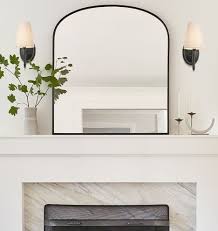
Elevate Your Space: The Wonder of Placing a Mirror Above the Mantel

Adding a mirror above the mantel isn’t just a design choice—it’s a transformative move that can breathe new life into your space. This classic design trick holds the power to amplify the aesthetics of any room, particularly those with a cozy fireplace as the focal point.

The beauty of incorporating a mirror above the mantel lies in its ability to enhance the ambiance of the room. By reflecting light, it creates the illusion of a larger and more open space, which is especially beneficial in smaller or dimly lit areas. The result? A room that feels brighter, airier, and more inviting.

What’s remarkable about this design element is its versatility. Whether your décor leans towards ultra-modern or embraces traditional charm, a well-placed mirror can seamlessly complement any style. From sleek and minimalist frames to ornate and intricate designs, there’s a mirror to suit every taste and aesthetic preference.

But aesthetics aside, safety is paramount when installing a mirror above the mantel, particularly if it’s a substantial piece. Ensure that it’s securely mounted to prevent any accidents or mishaps. Additionally, consider the proportions of the mirror in relation to the mantel and surrounding décor to achieve a balanced and harmonious look.

So whether you’re revamping your living room, bedroom, or any other area with a fireplace, consider the wonder that a well-placed mirror can bring to your space.

Plant