The Best Kitchen Island Size

Photo by Level 23 Media on Pexels.com

The kitchen is often considered the heart of a home, and a well-designed kitchen can enhance your lifestyle and add value to your property. When it comes to kitchen islands, finding the right size and proportion can make a big difference in the functionality and aesthetics of your space. In this post, I’ll guide you through some important considerations for determining the ideal size of a kitchen island in proportion to the room’s footprint.

Firstly, let’s discuss the minimum size for a built-in kitchen island. A kitchen island should be at least four feet by two feet, with an average of 36 to 42 inches of clearance all the way around. You can stretch the surrounding space to 48 inches or shrink it to 30 inches, but it’s crucial to check building codes on accessibility. If your kitchen is less than 13 feet wide, it is unlikely that a built-in island will be possible.

Secondly, it’s important to consider the height of the kitchen island. The standard height for a kitchen island is 36 inches, but if your island will also be used for dining, you should raise it to 42 inches. This height is ideal for bar stool seating and offers enough space for a breakfast bar, where you can enjoy simple meals and snacks. Make sure that bar stools have at least two feet of clearance for access and comfort.

Photo by Rosana Solis on Pexels.com

Lastly, it’s a good idea to refer to resources like The Thirty-One Kitchen Design Rules, based on standards set by the National Kitchen and Bath Association, to ensure that your kitchen meets building codes and functional design rules. This guide offers comprehensive advice on all aspects of kitchen design, including layout, storage, and safety.

Thinking of moving or investing and need a referral for a Real Estate Broker, we can help: email us at TEAM@McDanielCallahan.com, fill in the form below or call 925-838-4300. Terry McDaniel DRE license #00941526

← Back

Thank you for your response. ✨

Transform Your Garage with Epoxy Flooring: A Guide for Homeowners

Garage floors are often overlooked when it comes to home improvement projects, but they can make a huge difference in the overall look and functionality of your garage. One popular option is epoxy garage floors.

Epoxy is a durable and long-lasting material that can be applied to concrete floors to provide a smooth and shiny surface. It’s also resistant to stains, chemicals, and abrasions, making it a great option for garages where spills and heavy use are common.

In addition to its functional benefits, epoxy can also enhance the aesthetic appeal of your garage. It’s available in a variety of colors and finishes, allowing you to create a custom look that complements the rest of your home.

Installing an epoxy garage floor is a relatively simple process, but it’s important to hire a professional if you aren’t into DIY projects to ensure that the job is done correctly. The process typically involves cleaning and preparing the existing concrete floor, applying the epoxy coating, and allowing it to dry and cure.

Once installed, epoxy garage floors require minimal maintenance. Regular cleaning with a mop or broom and occasional resealing can help to maintain the surface’s durability and appearance.

Epoxy garage floors are a smart investment for any homeowner looking to enhance the functionality and appearance of their garage. With its durability, low maintenance, and customizable options, it’s no wonder why epoxy is becoming such a popular choice for garage flooring.

Thinking of moving or investing and need a referral for a Real Estate Broker, we can help: email us at TEAM@McDanielCallahan.com, fill in the form below or call 925-838-4300. Terry McDaniel DRE license #00941526

← Back

Thank you for your response. ✨

The Benefits of Using a Magnetic Door Stop

Photo by Vladimir Gladkov on Pexels.com

I love having the windows and doors open to let in a breeze. However, it’s frustrating when the doors slam shut due to the wind, causing unnecessary noise and potentially causing damage to the doors. That’s where a magnetic door stop comes in handy. By installing one, the door can be held in place while still allowing the breeze to flow through the house.

Another safety benefit of a magnetic door stop is that it prevents children and pets from getting their fingers or paws trapped in the door when it slams shut. This can be especially dangerous if the door has a heavy or sharp edge. By keeping the door securely in place with a magnetic door stop, accidents like this can be easily avoided.

In addition to its safety benefits, a magnetic door stop is also a cost-effective solution. Without one, doors can become damaged from constantly slamming shut, resulting in costly repairs or replacements. By using a magnetic door stop, you can prevent this wear and tear from happening, ultimately saving you money in the long run.

Installation of a magnetic door stop is straightforward. They can be attached to the wall or floor, and are typically strong enough to hold even heavy doors in place. Some magnetic door stops also come with an adjustable arm, allowing you to control the degree to which the door opens.

Overall, I recommend a magnetic door stop for any household that wants to let in fresh air while avoiding the inconvenience and danger of slamming doors. It’s a simple and cost-effective solution that provides numerous safety benefits. So if you’re looking to improve your home’s air flow while also keeping your family safe, consider installing a magnetic door stop today.

As an Amazon Associate, I earn on qualifying purchases.

Revamp Your Home: Creative Ways to Repurpose Your Formal Dining Room

Photo by Pixabay on Pexels.com

There has been a shift in how we use our homes. With the rise of remote work, many people are rethinking their living spaces and repurposing rooms to fit their new needs. One area that is often overlooked is the formal dining room. Traditionally reserved for special occasions and entertaining guests, this room can easily be transformed into a home office, or gym, or incorporated into a more open kitchen concept.

Home Office: For those who work remotely, a designated workspace is essential. The formal dining room can be the perfect spot to set up a home office. It’s typically a quiet space, away from the hustle and bustle of the rest of the house, making it easier to focus. With a few simple modifications, such as installing a desk, bookshelves, a barn door, and good lighting, you can create a comfortable and functional workspace.

Gym: Consider turning your formal dining room into a workout space. With the right equipment, you can create a space that meets all your fitness needs. The added bonus of having a home gym is that you can exercise at any time of the day without worrying about traveling to the gym.

Open Kitchen Concept: Another way to repurpose a formal dining room is to incorporate it into a more open kitchen concept. This involves knocking down walls to create a larger, more functional kitchen that is open to the dining room. By doing so, you can create a space that is perfect for entertaining guests and family gatherings. An open kitchen concept also makes it easier to keep an eye on kids or interact with guests while cooking.

The formal dining room can be a versatile space that can be repurposed to fit your changing needs. Whether you decide to turn it into a home office, or gym, or incorporate it into a more open kitchen concept, with a little creativity, you can transform this underutilized room into a functional and enjoyable space.

Embracing Textured Materials for Bedding and Rugs

Photo by Element5 Digital on Pexels.com

The design trend for bedding and rugs has shifted towards using textured materials to create a cozy and inviting feel in the home. Textured materials like wool, cotton, and linen add depth and interest to a room, making it feel warm and welcoming.

Textured materials for bedding and rugs create a sense of coziness and comfort. Wool and cotton blankets, for example, have a soft and tactile feel that can make a bedroom feel more inviting. Similarly, textured rugs add a layer of warmth and texture to a room, making it feel more comfortable and homey. They can also help absorb sound and create a quieter atmosphere.

In addition to creating a cozy atmosphere, textured materials can also add visual interest to a room. A shaggy wool rug or a woven cotton blanket adds texture and dimension to a space, making it feel less flat and more dynamic. Textured materials also come in a variety of colors and patterns, which can add depth and personality to a room’s design.

Another benefit of using textured materials for bedding and rugs is their durability. Wool and cotton are both strong and long-lasting materials that can withstand regular use and washing. This makes them a practical choice for bedding and rugs that will be used daily and need to hold up over time.

The design trend for textured materials for bedding and rugs is all about creating a warm and inviting atmosphere in the home. Wool, cotton, and linen are popular materials for bedding and rugs that add texture, visual interest, and durability. Incorporating these materials into your home can make it feel cozier and more comfortable, and can help create a space that you and your guests will love spending time in.

Waffle Weave Blankets

As an Amazon Associate, I earn on qualifying purchases.

Eye-catching design trend to elevate your interior space

Photo by Mister Mister on Pexels.com

Are you looking for a unique design? Look no further than the growing trend of fun chairs suspended from ceiling hooks! From modern homes to trendy cafes, these suspended seats are making a statement and add a touch of whimsy to any space. We will explore the popularity of hanging chairs, their various styles, and how you can incorporate them into your own home or commercial space.

The Rise of Hanging Chairs: Hanging chairs are quickly becoming a popular choice for those who want to add a touch of style and playfulness to their interior design. These suspended seats are not only functional but also serve as a statement piece that can instantly transform a space. With their unique and eye-catching design, hanging chairs create a focal point in any room and become a conversation starter.

Styles of Hanging Chairs: There are various styles of hanging chairs available, ranging from classic to modern, rustic to bohemian.

Incorporating Hanging Chairs into Your Space: Hanging chairs can be a versatile and functional addition to any room, providing a unique seating option and adding visual interest to the space. Here are some ideas on how to incorporate hanging chairs into your home or commercial space:

  1. Cozy Reading Nook: Hang a bohemian-style hanging chair in a corner of your living room or bedroom to create a cozy reading nook. Add a soft cushion and a throw blanket for extra comfort, and you’ll have a perfect spot to curl up with a book.
  2. Outdoor Oasis: Hang a weather-resistant hanging chair on your patio or in your backyard for a stylish and comfortable seating option in your outdoor oasis. It’s a perfect spot to relax and enjoy the sunshine or a cool breeze.
  3. Playful Kid’s Corner: Hang a retro-style hanging chair in a kid’s room or playroom to create a fun and playful seating area. Kids will love the unique design and enjoy swinging and playing in their own special spot.
  4. Chic Cafe Seating: If you own a cafe or restaurant, consider incorporating hanging chairs into your seating options. They can add a trendy and Instagram-worthy touch to your space, attracting customers and creating a memorable dining experience.

With their versatility and functionality, hanging chairs can be incorporated into various spaces, from cozy reading nooks to outdoor oases to playful kid’s corners or chic cafe seating.

If you build it they will come

Photo by Pixabay on Pexels.com

Field of dreams, what a fun movie. With it being Baseball’s opening day it got us thinking of playing baseball on the front lawn, in the cul-de-sac, or at the park.

Most yards don’t have the space for the Field of Dreams, but there are some other fun ways to incorporate it at your house.

A batting cage at home can be a dream come true. With a batting cage in your backyard, you can practice your swing whenever you want, without having to worry about traveling to a facility or waiting for an open cage

Sports courts at home are becoming increasingly popular as we look for ways to stay active and entertained without having to leave home. Whether you’re an avid athlete or just looking for a fun way to spend time outdoors, a sports court can be a great addition to your home.

Sports courts at home can also be a great way to entertain guests. Whether you’re hosting a birthday party or just having friends over for a barbecue, a sports court can provide hours of entertainment for people of all ages.

As an Amazon Associate, I earn on qualifying purchases.

Contrast in the Kitchen

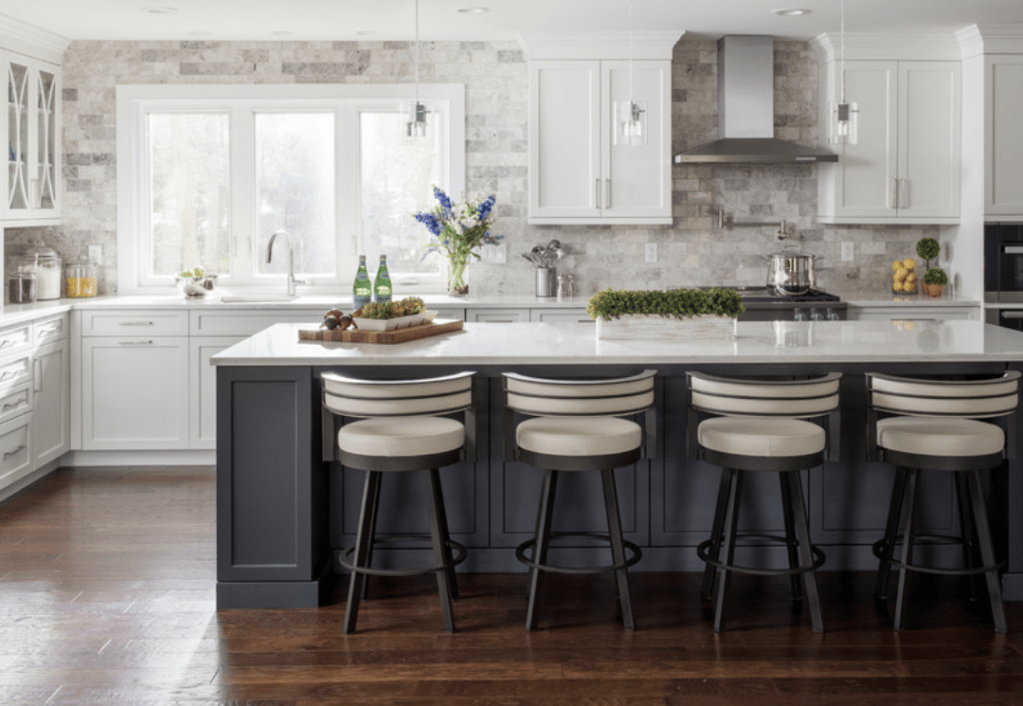
A kitchen is often the heart of the home, and the design choices you make in this space can set the tone for the entire house. One design element that can create a striking impact in the kitchen is contrast. By using different finishes and colors in the cabinetry, you can create a dynamic and visually appealing space. We’ll explore two ways to create contrast in the kitchen: painted and stained islands, and dark lower cabinetry.

One way to create contrast in the kitchen is to have a painted island amidst natural wood or stained cabinetry. An island painted in a bold color, like navy blue or emerald green, can add a pop of color and draw the eye to the center of the room. This creates a focal point and makes the island stand out as a piece of furniture.

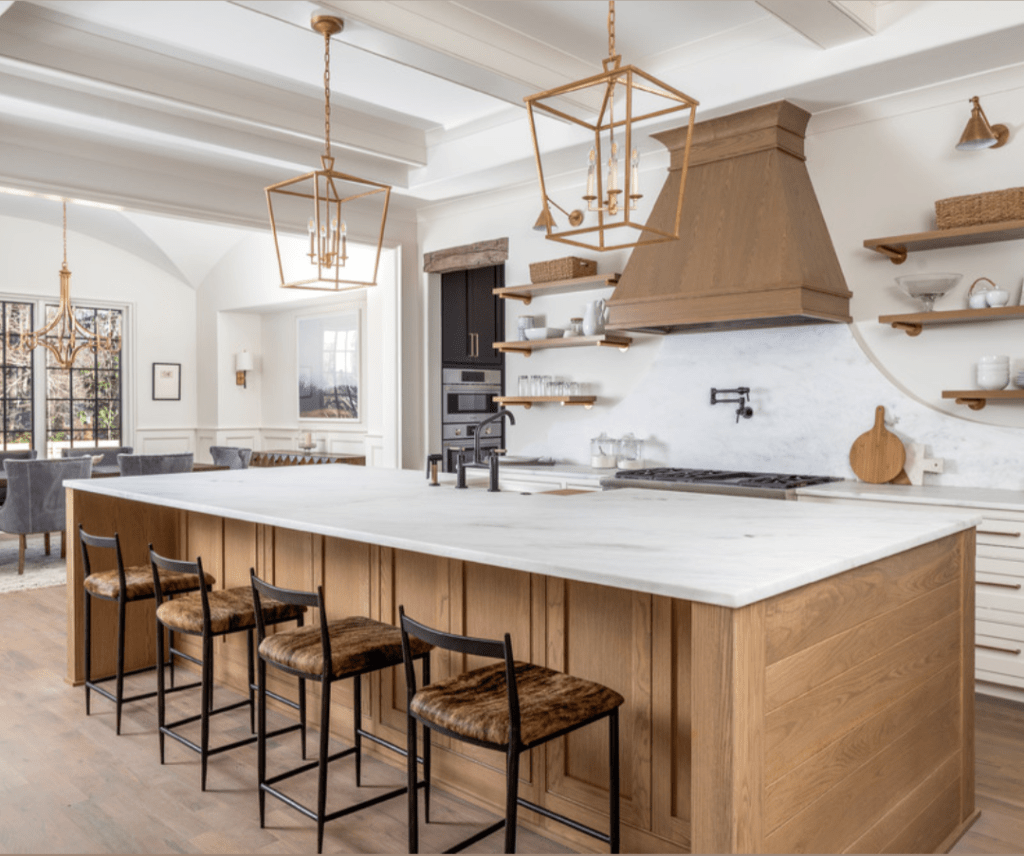
Another option is to have a stained island in the center of the kitchen, surrounded by painted cabinetry. This is a great option if you prefer a more natural look but still want to create contrast. A stained island can add warmth and texture to the space, while the painted cabinetry around it can create a bright and airy atmosphere.

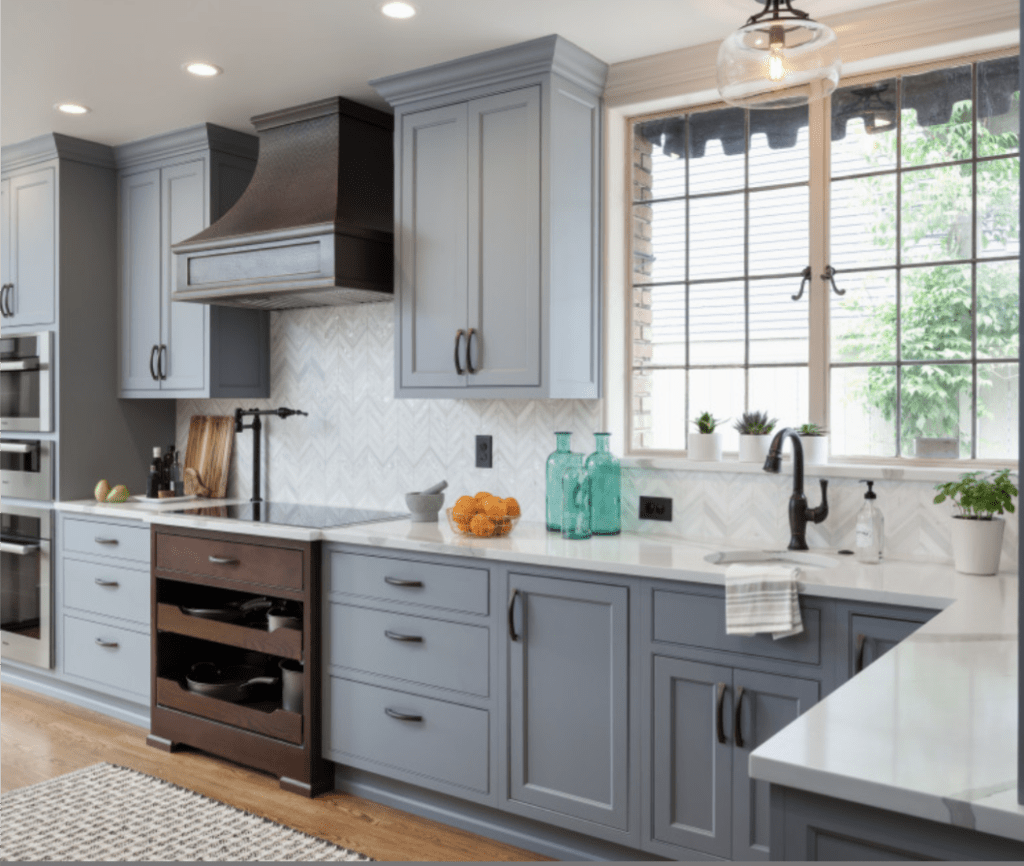
Another way to create contrast in the kitchen is to use dark lower cabinetry. Dark colors, like navy, charcoal, or black, can create a sophisticated and moody atmosphere in the kitchen. By using dark colors on the lower cabinets, you create a grounded and sturdy feel to the space. This is especially effective if you have lighter-colored walls or upper cabinetry.

Pairing dark lower cabinetry with lighter upper cabinets creates a balanced contrast and allows for a natural flow of the eye through the space. Using a light-colored countertop, backsplash, or flooring can also help to brighten up the space and prevent it from feeling too dark or heavy.

Tips for Creating Contrast in the Kitchen

Here are some tips to keep in mind when creating contrast in the kitchen:

  • Choose finishes and colors that complement each other. This will help create a cohesive and visually appealing space.
  • Consider the overall style of your kitchen. The contrast you choose should enhance the style and not clash with it.
  • Use a combination of natural and artificial light to showcase your contrasting elements.
  • Play with different textures and materials. For example, a glossy finish on the painted island can contrast with the natural wood of the surrounding cabinetry.

4 easy tips to help get your home ready to sell

Photo by PhotoMIX Company on Pexels.com

If you’re thinking about selling your home, there are a few simple upgrades and improvements that can make a big difference in attracting potential buyers and boosting your home’s value. Here are four easy and cost-effective upgrades to consider before putting your home on the market.

  1. A Fresh Coat of Paint: A fresh coat of paint is one of the easiest and most cost-effective ways to give your home a facelift. When painting your home for resale, it’s best to stick to neutral colors like beige, gray, or white. Neutral colors appeal to a wide range of buyers and make it easier for them to envision themselves living in the space. Not only will a fresh coat of paint make your home look clean and well-maintained, but it can also make the space look brighter and more spacious.
  2. Caulking in Bathrooms and Kitchens: Caulking around the edges of your bathtub, shower, sink, and countertops is a small but important detail that can make a big difference. Over time, caulk can become moldy, discolored, or cracked, which can make your bathroom or kitchen look outdated or unclean. Replacing or touching up the caulk can make these areas look new again and prevent water damage from occurring.
  3. Improve Lighting: Lighting can have a significant impact on the look and feel of a space. Consider adding new light fixtures or replacing old bulbs to improve the lighting in your home. Brighter lighting can make your home feel more welcoming and spacious, while dimmer lighting can create a cozy and intimate atmosphere. Make sure to choose light fixtures that match the style and décor of your home.
  4. Have Carpets Professionally Cleaned: If your home has carpeting, having it professionally cleaned before selling can make a big difference in how it looks and smells. Over time, carpets can accumulate dirt, stains, and odors that can make your home look unappealing. A professional cleaning can remove these issues, leaving your carpets looking and smelling fresh.

These four upgrades are simple and cost-effective ways to improve the look and feel of your home before selling. A fresh coat of paint, caulk, improved lighting, and clean carpets can make your home look and feel more inviting to potential buyers. By taking the time to make these upgrades, you can increase your home’s value and make it stand out in a crowded market.

Need a Real Estate Broker, we can help connect you: email us at TEAM@McDanielCallahan.com, fill out the form below, or call 925-838-4300. Terry McDaniel DRE license #00941526

← Back

Thank you for your response. ✨