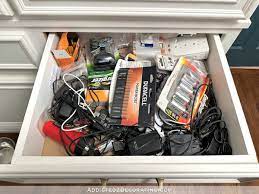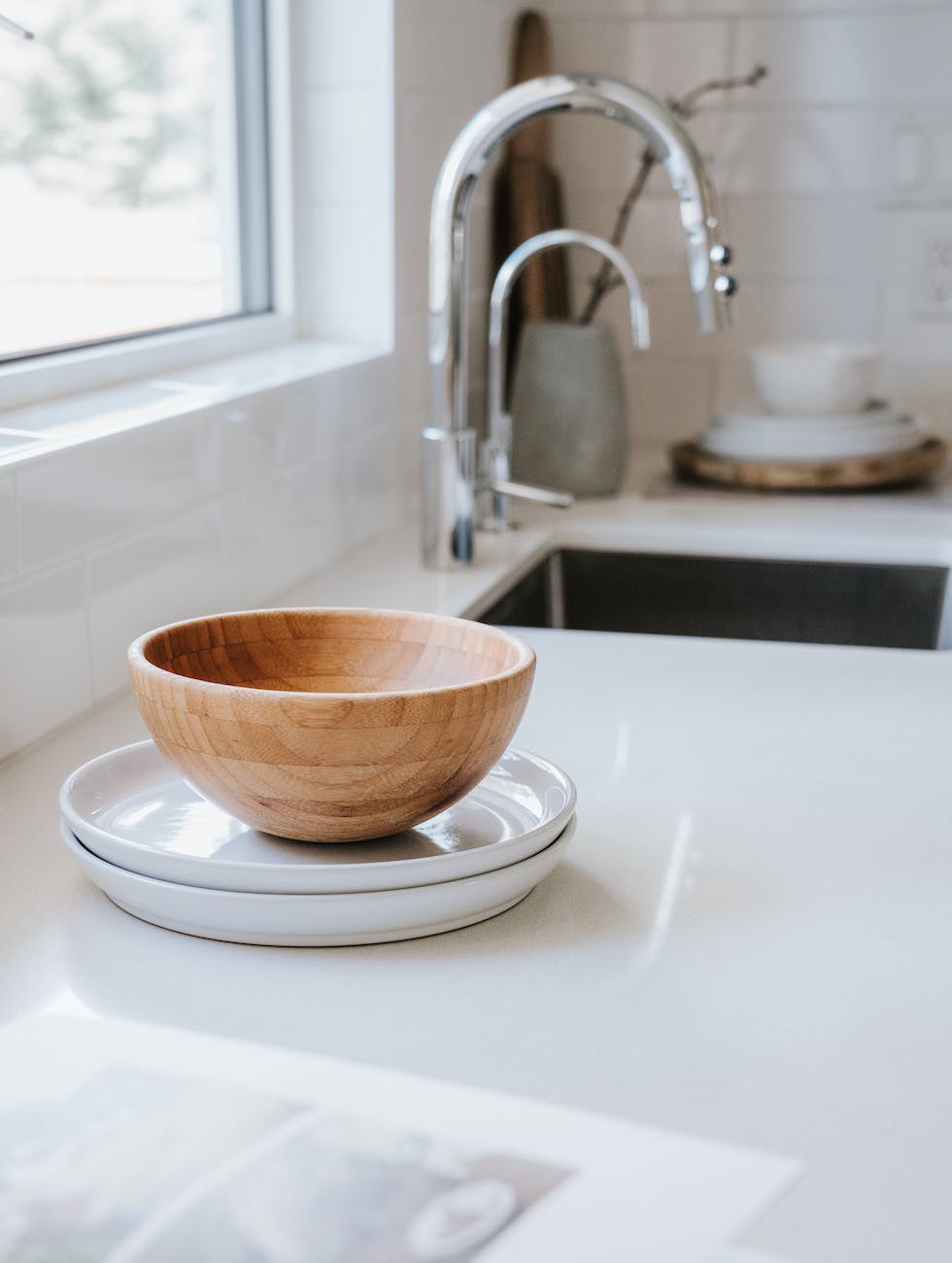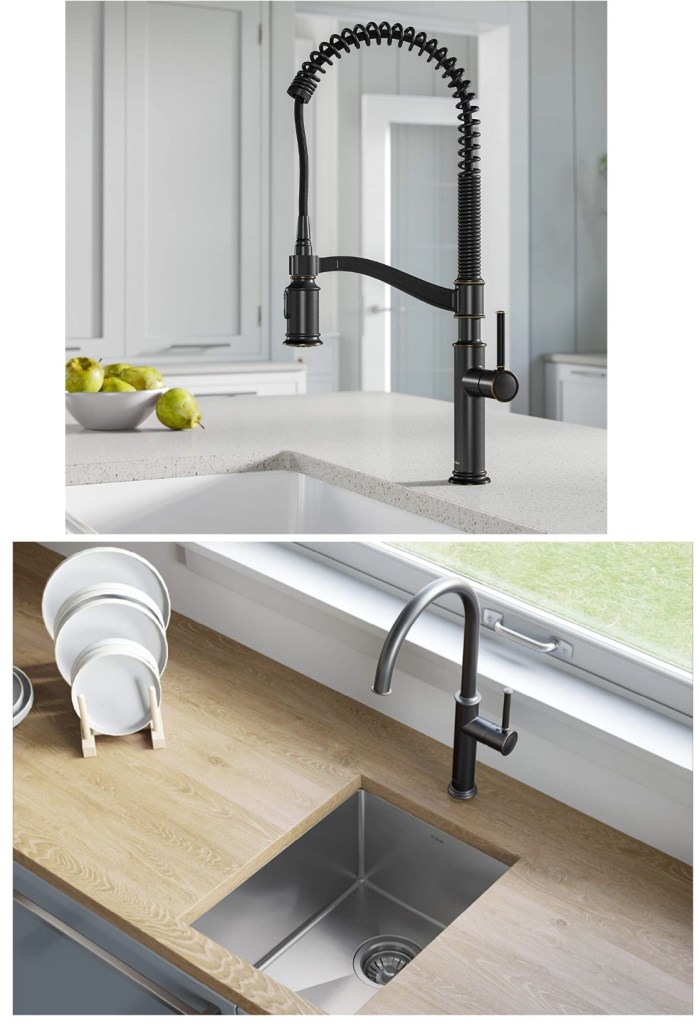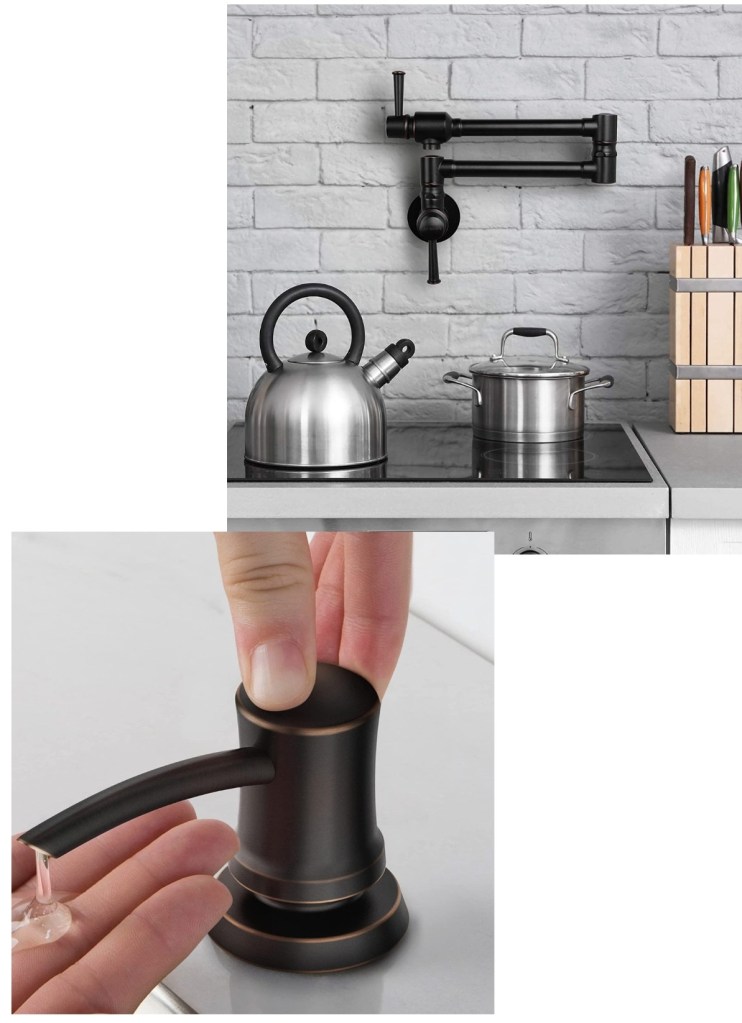
The kitchen triangle is a concept used in kitchen design to optimize the layout and functionality of the space. The triangle refers to the three key work areas in the kitchen: the sink, the refrigerator, and the stove. These areas are the most frequently used in the kitchen and should be positioned in a way that makes it easy and efficient to move between them.
The concept of the kitchen triangle suggests that these three areas should be arranged in a triangular shape, with each side of the triangle measuring between 4 and 9 feet. This layout creates an efficient flow and allows the cook to move easily between the work areas without encountering obstacles.
The sink is typically located on one side of the triangle, with the refrigerator on another and the stove or cooktop on the third. The idea is that the cook can easily move between these three areas to wash, prepare, and cook food. This layout also helps to prevent traffic jams and ensures that the cook has enough space to move around comfortably.
If you’re planning a home improvement project—whether it’s remodeling a kitchen, finishing a basement, or adding a deck—you might be wondering: Do I really need a permit? It can feel like just another layer of red tape, but getting a permit is more important than many homeowners realize. It protects you, your investment, and even your safety.
Here’s why obtaining the proper permits matters when you have work done on your home:
1. Permits Ensure the Work Meets Safety Standards
Building codes exist to make sure homes are safe to live in. When you get a permit, city or county inspectors review the plans and check the finished work to ensure everything meets current safety regulations. This includes:
Proper electrical wiring
Secure structural framing
Adequate plumbing and ventilation
Fire and emergency access compliance
Without inspections, you risk faulty work that could cause major safety hazards down the road.
2. It Protects Your Investment
Your home is likely your biggest financial asset. Unpermitted work can hurt its value—especially if you decide to sell later. Buyers (and their lenders) often require proof that renovations were done to code. If you can’t provide documentation, it can delay or even derail a sale.
Having the right permits shows that improvements were done properly and helps maintain your home’s market value.
3. It Can Save You Money in the Long Run
Skipping permits might save time and fees upfront, but it can cost you much more later. If something goes wrong—like a faulty electrical upgrade or leaky plumbing—the repairs may not be covered by your homeowner’s insurance if the work wasn’t permitted. You could also face fines or be forced to undo the work to meet code requirements.
Permits are like insurance for your renovation—they help prevent costly mistakes.
4. It Keeps Contractors Accountable
Reputable contractors pull permits because they want the work done right and up to code. If a contractor insists you don’t need one, that’s a major red flag. Permits ensure that professionals are held accountable for the quality and safety of their work.
5. It’s the Law
At the end of the day, permits are legally required for many types of home improvement projects. While smaller updates like painting or replacing flooring might not need one, major work—especially anything involving structure, plumbing, or electrical—almost always does.
Permits aren’t just about following rules—they’re about protecting your family, your finances, and your future. When you do things the right way, you gain peace of mind knowing your home is safe, valuable, and built to last.
So before starting your next project, check with your local building department. A little paperwork now can save a lot of headaches later.
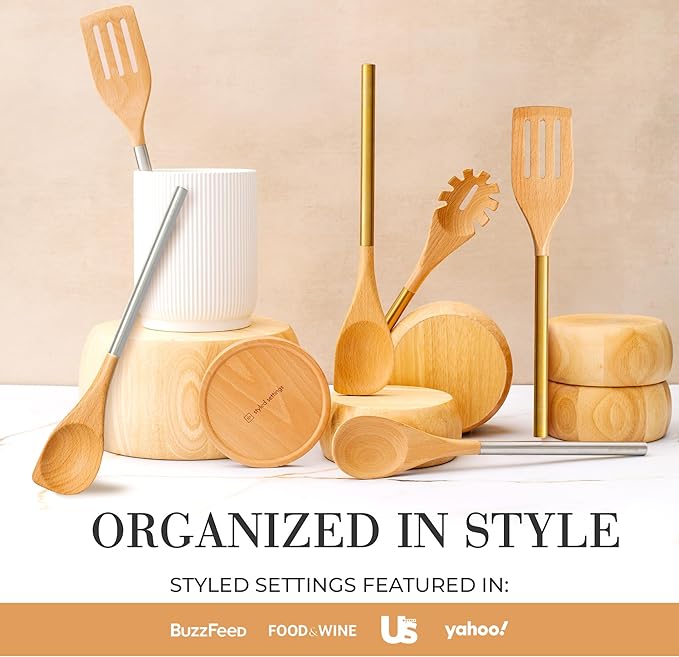
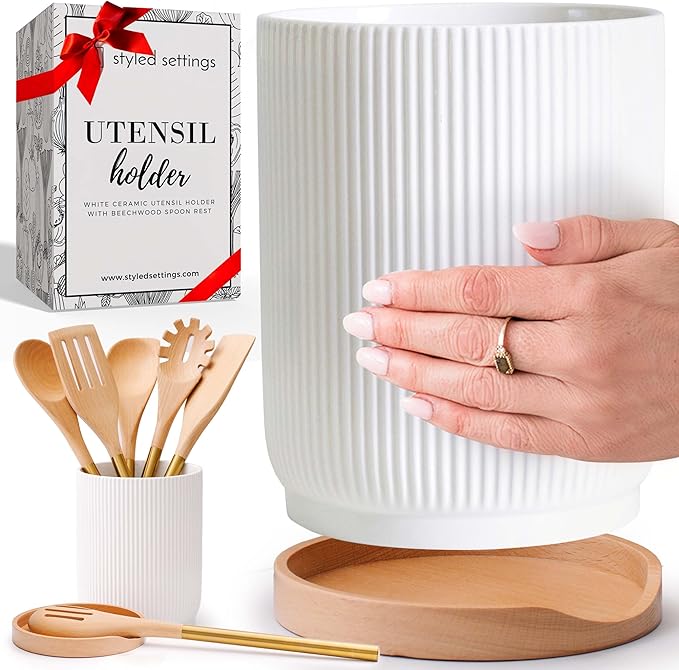
A tidy kitchen is a happy kitchen—and it’s amazing how the right accessories can make all the difference. Enter the perfect duo: a white ceramic utensil holder paired with a wooden spoon rest. Together, they’re not just practical—they bring a touch of everyday elegance to your countertop.
Keep Your Tools Close (and Your Counters Clean)
No more rummaging through drawers or leaving sauce-covered spoons on the counter. The generously sized ceramic utensil holder keeps your most-used tools—spatulas, whisks, ladles, and tongs—right where you need them. Meanwhile, the sleek wooden spoon rest offers a designated spot for spoons or ladles in use, keeping your counters spotless and stylish.
Form Meets Function
This set is where modern simplicity meets timeless design. The crisp white ceramic complements any kitchen style—from farmhouse to contemporary—while the natural wood adds warmth and texture. It’s proof that practical doesn’t have to mean plain.
Why You’ll Love It
Clutter-free countertops: Everything has its place.
Effortless organization: Keep your go-to tools within arm’s reach.
Aesthetic appeal: Adds a touch of charm to your kitchen décor.
Whether you’re whipping up a quick breakfast or cooking a gourmet meal, this chic duo helps your kitchen look organized and feel inviting. It’s a small upgrade that makes a big difference—because every home chef deserves a workspace that’s both functional and beautiful.
https://amzn.to/4oEffgF SAY HELLO TO THE PERFECT KITCHEN DUO—Get ready to organize your kitchen like a pro with this white ceramic utensil holder and wooden spoon rest! Keep your favorite tools—spatulas, whisks, and ladles—close at hand in the generously sized white kitchen utensil holder for countertop, while the stylish wooden spoon rest keeps messy utensils from turning your countertops into a sauce scene. Practical, chic, and oh-so-easy to love! KEEP YOUR COUNTERS CLEAN (AND STYLISH!)
Let’s face it—life can be stressful. Work deadlines, personal commitments, and the never-ending to-do lists can make us feel like we’re on a hamster wheel that never stops. While stress is a part of life, especially in the hustle and bustle of a workday, there’s no reason why we can’t inject a little humor into our environment to lighten the mood. Sometimes, the smallest things can have the biggest impact, and your desk is a great place to start. Let’s talk about some funny, quirky desk accessories that could help relieve stress and put a smile on your face, even on the toughest days.
A Stress-Relief Toy
If you’re feeling like you might snap at the next email that starts with “Just following up…,” it might be time to grab a stress ball. Or better yet, how about a squishy blobfish? Yes, they exist! A blobfish stress toy is not only fun to squish, but just looking at its ridiculous, saggy face might be enough to make you laugh away your tension. Let’s be honest—nobody can stay stressed while squishing a blobfish.
The Decision-Making Paperweight
Struggling with decisions? You need a magic 8-ball-style paperweight to make the tough calls. Spin it and get answers like “Yes,” “No,” “Ask Again Later,” or even “Who Cares?” Sometimes it’s the humorous indecision that helps break the tension of making real choices. Plus, it’s a fun conversation starter for anyone who visits your desk.
Mug With a Message
A good mug is essential for any workday, but why not make it funny too? Look for a mug with a sarcastic or witty message like, “I’m not arguing, I’m just explaining why I’m right,” or, “Coffee: Because adulting is hard.” The right mug can become a daily reminder not to take everything too seriously—and that caffeine can solve (almost) anything.
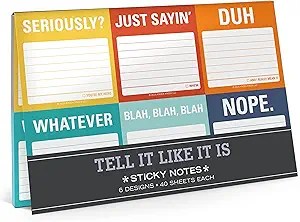
Funny Sticky Notes
We all need sticky notes to keep track of things, but why not make them funny? Try ones that say, “I need a nap,” “I’m on it… sort of,” or “Can I go home now?” Sometimes writing your to-dos on something silly makes them feel just a little less overwhelming.
A Funny Desktop Calendar
Why not start each day with a joke or a sarcastic thought? A daily calendar with witty sayings or jokes can add a dose of humor as you flip the page each morning. Whether it’s a silly dad joke or a snarky comment, it might be the laugh you need before diving into your email.
Desk Signs with Personality
Desk signs with messages like “I’m not bossy, I’m the boss,” or “Please don’t interrupt me unless you’re bringing snacks” can be a fun way to make your workspace more you—and also set the tone for how your day should go.
A Little Humor Goes a Long Way
While these funny desk accessories won’t completely eliminate life’s stresses, they can make the day a little brighter. Surrounding yourself with things that make you laugh is a small way to shift your mindset and remind yourself not to take everything too seriously. Life is busy, and stress is inevitable, but a quick chuckle here and there can keep you grounded—and make your workspace a lot more fun.
Cookbooks aren’t just for reading—they’re little pieces of art that can add personality and charm to your kitchen. Displaying them thoughtfully can turn your cooking space into a warm, inviting area that reflects your taste and inspires creativity.
1. Stack ‘Em Up Create an artful stack on your countertop, island, or a shelf. Mix sizes and colors to make it visually interesting. You’ll be surprised how a simple pile of books can instantly elevate your kitchen decor.
2. Use a Cookbook Stand Show off your favorite cookbook on a stand where it’s easy to flip open. Not only does it keep the book clean, but it also makes it easy to reference while cooking—and let’s be honest, it’s a great way to show off your culinary taste to guests.
3. Organize by Color or Theme Arrange your cookbooks by color, cuisine, or author. It creates a cohesive, Instagram-worthy display while keeping your collection easy to navigate. Bonus: themed sections can spark inspiration for what to cook next!
4. Don’t Forget to Cook From Them Yes, they look beautiful, but cookbooks are meant to be used! Experiment with new recipes, try that quirky dessert, or perfect a classic dish. Your displayed books can inspire your next kitchen adventure.
Displaying cookbooks is the perfect mix of style and function. They add character to your space, spark creativity, and remind you that the kitchen is a place to explore, experiment, and enjoy.
So go ahead—show off those cookbooks, and maybe even cook a little while you’re at it! HA!
Coffee table books can be an excellent way to add style and personality to your living space. Here are some fun ways to decorate with a coffee table book: Stack them up: Create an artful stack of coffee table books on your coffee table or on a bookshelf. Vary the size and color of the books to add visual interest. Use as a centerpiece: Select a coffee table book with a beautiful cover and place it in the center of your coffee table. Add a vase of flowers or other decorative items on top to create a stylish centerpiece.
One of the first things we upgraded when we bought our home that was built in the 90’s was the thermostat. We have liked our Nest for the following reasons:
Energy Savings: Smart thermostats can automatically adjust to our schedule and habits, reducing energy consumption when we aren’t at home or when we’re asleep. This can help lower energy bills.
Remote Control: With a smart thermostat, we can adjust our home’s temperature from anywhere, using a smartphone app or web browser. This means we can turn up the heat or air conditioning before arriving home, for example so that we arrive to a comfortable temperature.
Improved Comfort: Smart thermostats can learn our preferences and adjust the temperature accordingly. For example, if we like to keep our home cooler at night, the thermostat will automatically adjust the temperature accordingly.
Enhanced User Experience: Many smart thermostats feature intuitive interfaces and offer a range of customization options, such as multiple temperature zones and scheduling options.
Increased Convenience: Smart thermostats can be integrated with other smart home devices, such as smart locks, smart lights, and smart speakers, creating a seamless and convenient user experience.
Buy here:
Google Nest Thermostat – Smart Thermostat for Home – Programmable Wifi Thermostat
There’s nothing more frustrating than discovering a hole or tear in your favorite leather couch—especially if you have kids or pets who seem determined to test its durability! Before you rush out to buy a new couch, consider a simple and effective solution: a leather couch repair kit.
These kits are designed to help you patch up holes, tears, and scratches right at home. Most include color-matching compounds, adhesive backing, and textured sheets to blend seamlessly with your couch’s surface. With a little patience, you can restore your furniture to looking nearly new—without the expense of replacement.
Here’s a simple step-by-step approach:
Clean the Area – Remove dirt, oils, and debris around the hole to ensure the repair adheres properly.
Trim Loose Edges – Snip any frayed leather or fabric fibers to create a smooth surface.
Apply the Patch – Use the kit’s adhesive and textured sheet to cover the hole, blending it with your couch’s color.
Smooth and Set – Press the patch firmly and allow the adhesive to set according to the instructions. Some kits include a heat tool or iron for a more durable finish.
Finish and Blend – Apply any finishing color or texture provided in the kit to match the surrounding leather perfectly.
Repairing a leather couch yourself can save money, extend the life of your furniture, and give you the satisfaction of fixing something with your own hands. For families with kids or pets, a repair kit is a lifesaver—allowing you to wait on replacing your couch until it truly needs it. That hole is no longer a permanent problem.
https://amzn.to/4ndsJzbWorks with Milwaukee batteries, buff the couch with rubbing alcohol after to help repair..
In the quest for a clutter-free and aesthetically pleasing space, finding innovative solutions to manage cords is a common challenge. Recently, I stumbled upon a simple yet ingenious idea that transformed the look of my nightstand while effectively hiding unsightly cords. Let me share how decorating clips helped my cord management dilemma.
The Discovery: One day, while browsing through my local home goods store, I came across a set of decorative clips. Initially intended for holding photos or notes, these clips sparked an idea. What if I repurposed them for cord management? With a stroke of inspiration, I decided to give it a try.
The Transformation: Upon returning home, I quickly got to work. I attached the clips to the back of my nightstand and carefully threaded the cord through them. With a bit of maneuvering, I secured the cord in place, effectively hiding it behind the nightstand leg.
The Benefits: The beauty of this solution lies in its simplicity and versatility. The decorating clips not only served a practical purpose but also enhanced the aesthetic appeal of my nightstand. No longer was I greeted by a tangled mess of cords every time I entered my bedroom. Instead, my nightstand exuded a sense of organization and elegance, all thanks to a few cleverly placed clips.
Sometimes the most effective solutions are the simplest ones. By repurposing decorating clips for cord management, I was able to achieve a clutter-free and visually pleasing nightstand setup.
I’ve always had a soft spot for front doors. There’s something special about a door that seems to welcome you, whispering, “Come in and make yourself comfortable.” A front door can set the tone for your home, creating a sense of peace, tranquility, and a safe haven from the busy world outside.
When choosing a front door, consider more than just function. Style, color, and material all speak volumes about your home. Is it classic or modern? Bold or understated? Your door is essentially the business card of your home—it’s the first thing guests notice, and it can reflect your personality and taste.
Whether you’re picking your front door for the first time or thinking about a refresh, remember that a well-chosen door is more than just an entryway. It’s a statement, a welcome, and a daily reminder that your home is your sanctuary.
So choose wisely, pick a door that feels right, and enjoy the warmth and charm it brings every time you—or your guests—step inside.