New Year, New Preparedness: Safeguarding Your Home with a Comprehensive Inventory

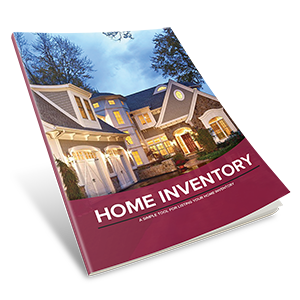
As the new year approaches, it’s the ideal moment to review and strengthen your home’s preparedness for unexpected events. Creating a detailed home inventory is a simple yet powerful step—whether facing fire, theft, or other disasters, having a thorough record can make recovery faster and less stressful, helping you get back on track with ease.

Don’t Let a Disaster Set You Back

  1. The First Line of Defense: A Home Inventory In the aftermath of a disaster, your insurance agent’s first request will likely be for your home inventory. This detailed list of your belongings serves as the cornerstone for expediting the insurance claims process. It provides clarity on what was lost or damaged, facilitating a faster and more accurate assessment.
  2. Documenting the Essentials Begin your home inventory by documenting the essentials. Capture high-value items such as electronics, jewelry, furniture, and appliances. Note down serial numbers, purchase dates, and any relevant receipts. Include detailed descriptions and, if possible, take photographs or videos to create a visual record.
  3. Room-by-Room Approach To ensure a thorough inventory, adopt a systematic, room-by-room approach. Begin with one area and meticulously list each item. Move through your home, covering every room, closet, and storage space. This methodical process not only aids in organization but also minimizes the chances of overlooking items.
  4. Utilize Technology for Efficiency Leverage technology to streamline the inventory process. Consider using home inventory apps that allow you to catalog your belongings digitally. These apps often come with features like cloud storage, making it easier to access your inventory from anywhere, especially in the event of an emergency.
  5. Store Your Inventory Securely Once compiled, ensure your home inventory is stored securely. Whether it’s a physical document kept in a safe or a digital file stored in a secure cloud service, having a backup is crucial. This ensures that your inventory remains accessible, even if the original documentation is lost or damaged during a disaster.
  6. Update Regularly A home inventory is not a one-time task; it requires regular updates. As you acquire new items or part with old ones, revisit and revise your inventory. This practice guarantees that your documentation is always reflective of your current possessions, enhancing its accuracy and usefulness.

A proactive approach to peace of mind. Don’t let a disaster set you back; instead, empower yourself with the assurance that you are well-prepared for whatever the future may hold.

Download our free guide here:

https://bh-url.com/TerryMcDaniel/guide/LR6tWOpVT0WXvwd0qenMdg

Powerful Order: The Art of Organizing Batteries

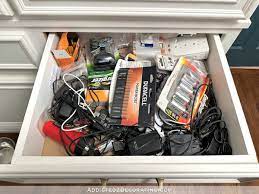
Keeping track of batteries can feel impossible—until the moment you need one. Whether it’s a TV remote, a flashlight, or a kid’s favorite toy, having an organized battery system saves time, stress, and frustration. Here’s a simple way to bring order to the chaos.

Start by gathering every battery in your home and sorting them by type. This gives you a clear picture of what you have—and what you’re missing.

Next, choose a smart storage method. A battery organizer works great, but a drawer with labeled dividers or clear containers can do the job just as well. Easy visibility is key.

Before storing, test each battery and discard expired or damaged ones properly. Only keep what actually works.

With just a few intentional steps, you can turn scattered batteries into a neat, accessible system that keeps your home running smoothly. No more frantic searches—just grab, replace, and go.

https://amzn.to/3XaDs2I
Comecase Hard Battery Organizer Storage Box, Carrying Case Bag Holder – Holds 148 Batteries AA AAA C D 9V – with Battery Tester BT-168

Why You Need a Permit When You Have Work Done on Your House

If you’re planning a home improvement project—whether it’s remodeling a kitchen, finishing a basement, or adding a deck—you might be wondering: Do I really need a permit? It can feel like just another layer of red tape, but getting a permit is more important than many homeowners realize. It protects you, your investment, and even your safety.

Here’s why obtaining the proper permits matters when you have work done on your home:

1. Permits Ensure the Work Meets Safety Standards

Building codes exist to make sure homes are safe to live in. When you get a permit, city or county inspectors review the plans and check the finished work to ensure everything meets current safety regulations.
This includes:

  • Proper electrical wiring
  • Secure structural framing
  • Adequate plumbing and ventilation
  • Fire and emergency access compliance

Without inspections, you risk faulty work that could cause major safety hazards down the road.

2. It Protects Your Investment

Your home is likely your biggest financial asset. Unpermitted work can hurt its value—especially if you decide to sell later. Buyers (and their lenders) often require proof that renovations were done to code. If you can’t provide documentation, it can delay or even derail a sale.

Having the right permits shows that improvements were done properly and helps maintain your home’s market value.

3. It Can Save You Money in the Long Run

Skipping permits might save time and fees upfront, but it can cost you much more later.
If something goes wrong—like a faulty electrical upgrade or leaky plumbing—the repairs may not be covered by your homeowner’s insurance if the work wasn’t permitted. You could also face fines or be forced to undo the work to meet code requirements.

Permits are like insurance for your renovation—they help prevent costly mistakes.

4. It Keeps Contractors Accountable

Reputable contractors pull permits because they want the work done right and up to code. If a contractor insists you don’t need one, that’s a major red flag. Permits ensure that professionals are held accountable for the quality and safety of their work.

5. It’s the Law

At the end of the day, permits are legally required for many types of home improvement projects. While smaller updates like painting or replacing flooring might not need one, major work—especially anything involving structure, plumbing, or electrical—almost always does.

Permits aren’t just about following rules—they’re about protecting your family, your finances, and your future. When you do things the right way, you gain peace of mind knowing your home is safe, valuable, and built to last.

So before starting your next project, check with your local building department. A little paperwork now can save a lot of headaches later.

Organize Your Home with Outlet Concealer and Cord Wrap Keepers

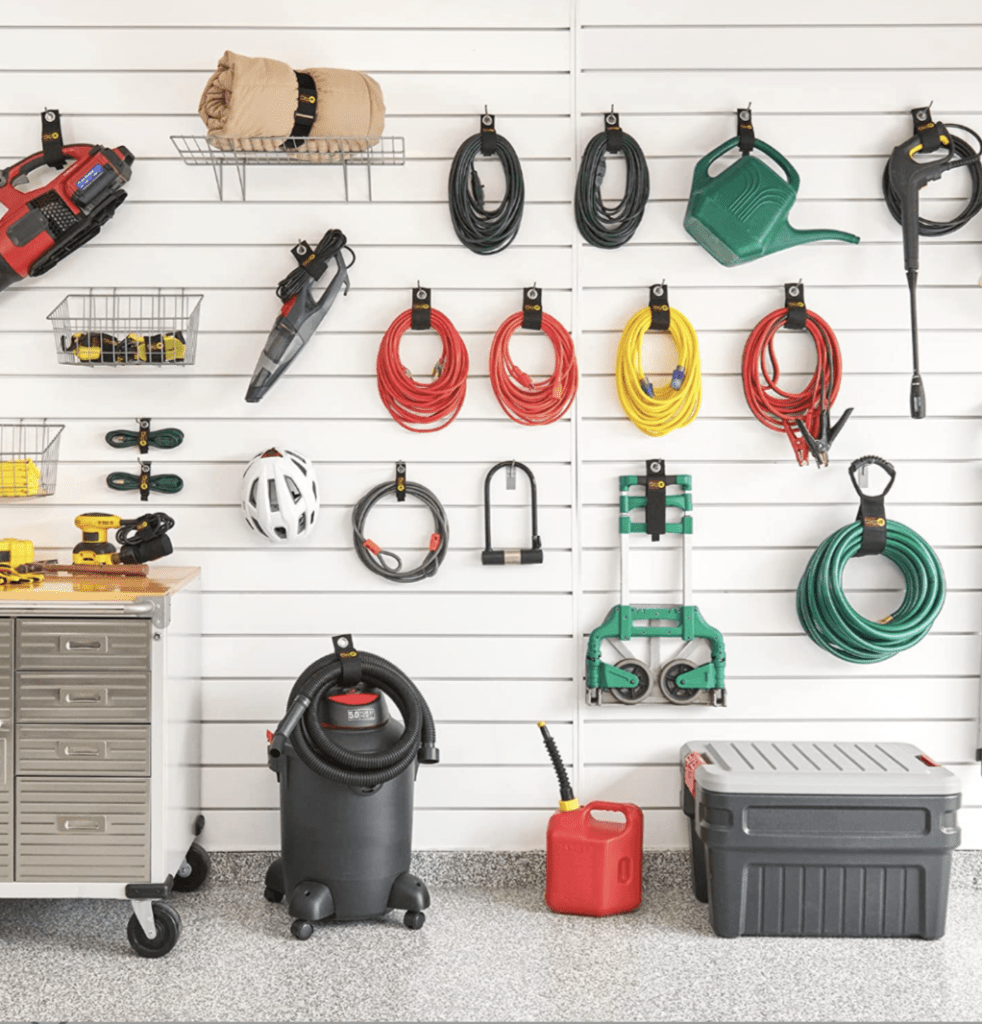
Keeping our homes neat and organized is a never-ending challenge, especially when it comes to managing the multitude of cords and cables that power our everyday devices. Tangled cords not only create an unsightly mess but also pose potential hazards. Fortunately, there are innovative solutions available, such as outlet concealers and cord wrap keepers, that can help transform the chaos into a well-organized space.

  1. Outlet Concealer:

Outlet concealers are a game-changer when it comes to keeping cords hidden and out of sight. These nifty devices are designed to seamlessly blend into your wall outlets, providing a clean and polished look to any room. With outlet concealers, you no longer have to deal with unsightly cords dangling from outlets or cluttering your floors. Simply plug your devices into the concealed outlets, and the cords will be neatly tucked away, creating a streamlined appearance.

  1. Cord Wrap Keepers:

Cord wrap keepers are the perfect companion to outlet concealers. These versatile tools allow you to wrap and secure excess cord length, preventing them from tangling or becoming a tripping hazard. With cord wrap keepers, you can easily adjust the length of your cords to fit your specific needs, eliminating clutter and creating a safer environment for you and your family.

  1. Benefits of Outlet Concealers and Cord Wrap Keepers:

The benefits of using outlet concealers and cord wrap keepers are numerous. Firstly, they improve the aesthetics of your living space by hiding unsightly cords and cables, giving your home a cleaner and more organized appearance. Secondly, these tools enhance safety by preventing tripping accidents caused by loose cords. Additionally, they make cleaning a breeze, as you no longer have to navigate around tangled cords when dusting or vacuuming.

https://amzn.to/3L6E1HW

https://amzn.to/4qleye9

Did I close my garage door? Smart garage doors


Smart garage door openers have become increasingly popular in recent years, providing homeowners with convenience, security, and peace of mind. In this blog post, we will explore the benefits of using smart garage door openers:

  1. Convenience: One of the most significant benefits of using a smart garage door opener is the convenience it provides. With a simple tap on your smartphone or voice command to a virtual assistant, you can open and close your garage door from anywhere, without the need for a physical remote or key. This is particularly useful when you have your hands full of groceries or other items.
  2. Security: Smart garage door openers also provide an added layer of security. They allow you to monitor your garage door remotely and receive real-time alerts if someone tries to open it. You can also set up a virtual key for family members or trusted guests, allowing them to access your garage without the need for physical keys.
  3. Integration: with other smart home devices Smart garage door openers can also integrate with other smart home devices, such as home security systems or smart lighting. For example, you can set up a routine that automatically turns on the lights in your home when you open your garage door, providing an added sense of security and safety.
  4. Time-saving: With a smart garage door opener, you can save time by not having to get out of your car to manually open or close your garage door. This is particularly useful during inclement weather or when you are running late for an appointment.
  5. Compatibility: with multiple platforms, Smart garage door openers are compatible with multiple platforms, including Amazon Alexa, Google Assistant, and Apple HomeKit. This means that no matter what type of device you use, you can control your garage door from anywhere.

If you’re looking to upgrade your garage door opener, a smart option is definitely worth considering.

Chamberlain B2405 Smart myQ Smartphone Controlled-Ultra Quiet Strong Belt Drive Wireless Keypad Included

  • Smartphone control: Control, secure, and monitor the garage with the myQ app-anytime, from anywhere
  • Quiet operation: Quiet AC motor and strong belt drive system ensures for comfortable living spaces near the garage

myQ Chamberlain Smart Garage Control – Wireless Garage Hub

  • “Did I shut the garage” No more worrying.
  • Open or close your garage from anywhere. Simply download the free myQ app for iPhone or Android and get connected with your very own Smart Garage
  • Give access to family or friends while on the go
  • Never worry if the garage is closed at night by setting a close schedule
  • Works with most brands of garage door openers manufactured after 1993 that use photoelectric sensors that do not shut off

Protect Your Home: Why a Radon Detector Matters

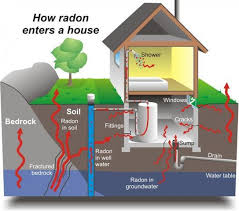
If you live in an area where radon is a concern, protecting your home and family should be a top priority. Radon is an odorless, colorless gas that comes from the natural breakdown of uranium in soil, rock, and water. It can seep into your home through cracks and foundations—and long-term exposure is linked to serious health risks.

The tricky part? You can’t see it, smell it, or taste it. The only way to know if radon is present in your home is to test for it.

The Convenience of a Battery-Operated Detector

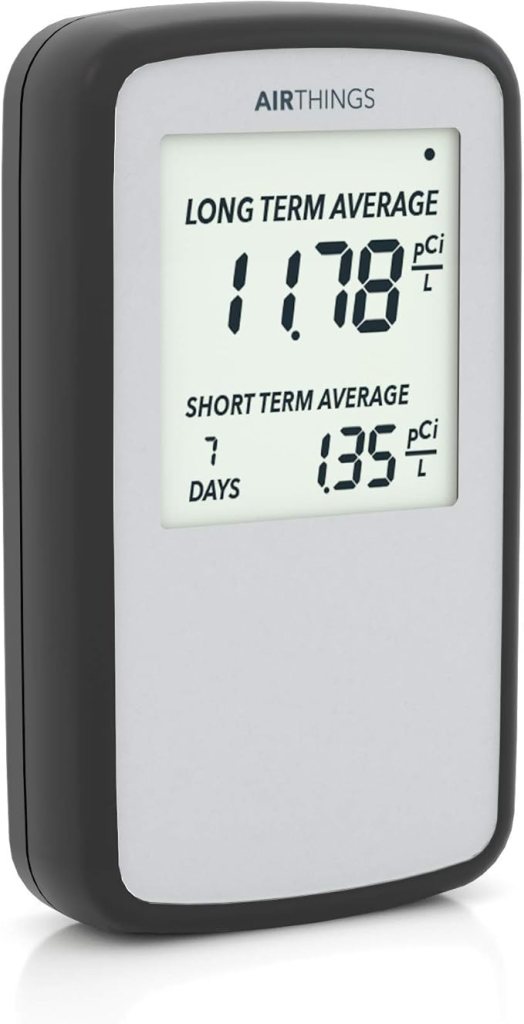
That’s where a battery-operated radon detector comes in. Unlike plug-in versions, this type of detector gives you flexibility. You can place it anywhere in your home—basement, bedroom, or living space—without worrying about outlets or wires.

It continuously monitors radon levels, giving you accurate readings and peace of mind. Plus, it’s easy to move if you want to test multiple rooms.

Why It’s Worth It

  • Early Detection: Identifies radon levels before they become a health risk.
  • Flexibility: Battery power means it works anywhere in your home.
  • Peace of Mind: Continuous monitoring lets you know your family is safe.

https://amzn.to/3K43IIO

The first battery-operated, digital radon detector. Monitor your home without the need for an outlet.

Enjoy Fresh Air Without the Bugs: The Magnetic Screen Door

There’s nothing like opening your doors to let fresh air flow through your home. Unfortunately, that often comes with an unwanted side effect—bugs, dust, and debris sneaking inside. A magnetic screen door offers the perfect solution, letting the breeze in while keeping the pests out.

Built to Last

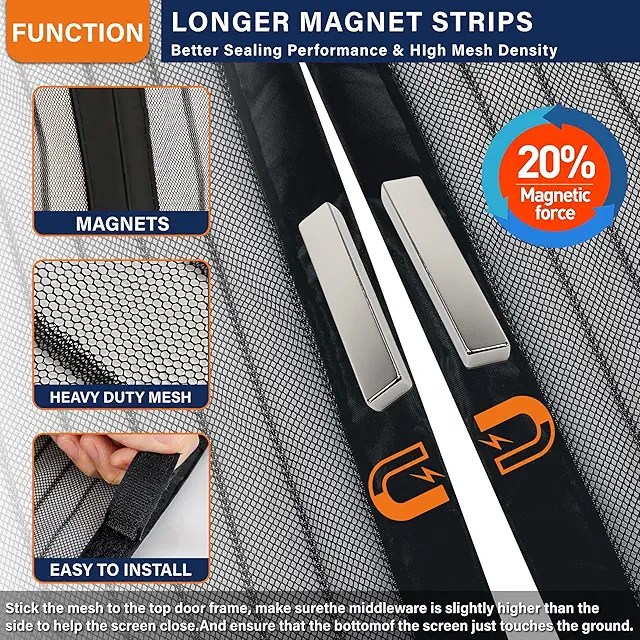
Unlike traditional fiberglass mesh, modern magnetic screen doors are made with high-quality PET material. This upgrade makes the screen sturdier, tear-resistant, and resistant to oxidation, so it stands up to daily use while still looking great.

Easy Access for Everyone

Thanks to strong built-in magnets and a weighted gravity rod at the bottom, the screen opens easily and closes automatically behind you. Kids and pets can move through without fuss, and even if your hands are full, you can walk right through without worrying about leaving the door open.

More Than Just a Bug Barrier

A magnetic screen door doesn’t just block insects—it enhances your lifestyle. It keeps your living space fresh, comfortable, and free from flying pests, so you can enjoy open doors without compromise. Whether you’re cooking, hosting, or simply relaxing, the mesh door ensures you get the best of both worlds: fresh air and peace of mind.

A magnetic screen door is a small upgrade with a big impact. It’s practical, durable, and designed to make everyday life easier and more comfortable. Say goodbye to bugs and hello to breezy, bug-free living.

https://amzn.to/3JURsdw
https://amzn.to/4mg4vnl

4 Items You Should Never Keep by Your Stove

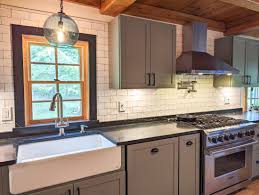
Your stove is the heart of your kitchen, but it’s also a hotspot for potential hazards. Keeping certain items nearby may seem convenient, but it can increase the risk of fire, burns, or other accidents. Here are four things you should never store by your stove:

1. Flammable Items

Paper towels, dish towels, napkins, and cookbooks are all highly flammable. Even a small spark or a splash of oil can ignite them, so keep these items at a safe distance.

2. Extra Cooking Oils

While it’s tempting to have bottles of oil within arm’s reach, storing them near the stove can be dangerous. Heat can cause oils to ignite, especially if the bottle leaks or spills. Keep extra oil in a cool, dry cupboard instead.

3. Aerosol Cans

Cooking sprays, air fresheners, and cleaning products may seem harmless, but they can explode when exposed to high heat. Store them in a cabinet away from your stovetop.

4. Plastic Utensils or Containers

Plastic can melt or warp if it gets too close to the burners. This not only ruins the item but can also release harmful fumes into your kitchen. Keep plastics well away from hot surfaces.


Kitchen safety isn’t just about cooking carefully—it’s about keeping dangerous items out of harm’s way. By storing flammables, oils, aerosols, and plastics away from your stove, you reduce the risk of accidents and keep your kitchen safe for everyone.

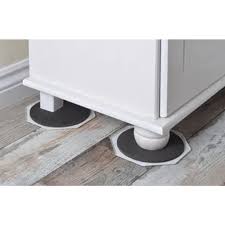
Effortless Furniture Moving: The Benefits of Furniture Movers

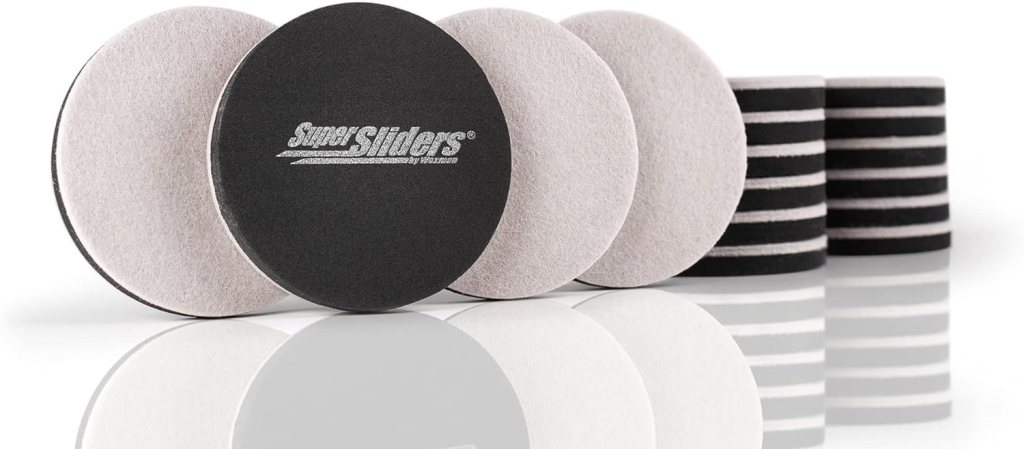
Moving heavy furniture can be a daunting task, often leading to scratches, scuffs, and strained muscles. However, with the help of furniture movers, you can slide your furniture effortlessly across various surfaces without causing damage or exerting excessive effort. Let’s explore the benefits of using furniture movers and how they can make your life easier.

What Are Furniture Movers?

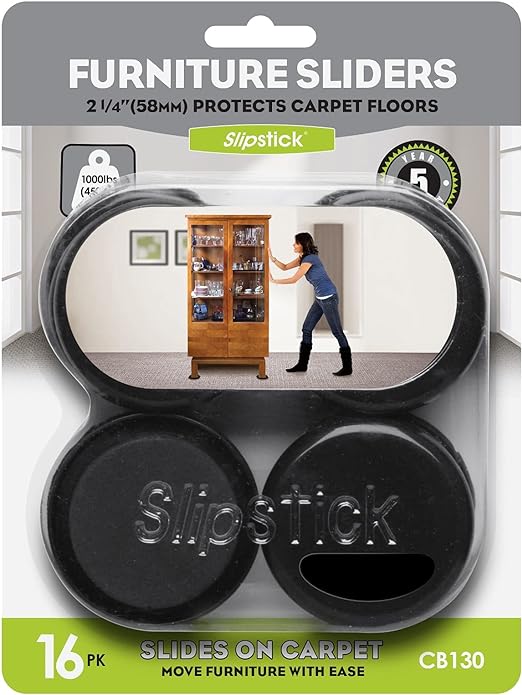
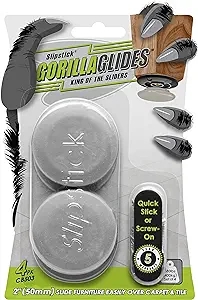
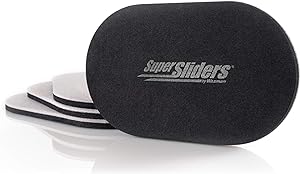
Furniture movers, also known as sliders or gliders, are small, often disk-shaped tools that are placed underneath the legs or corners of heavy furniture. These sliders are typically made of durable materials like plastic or rubber and have smooth surfaces that allow furniture to glide easily across floors without scratching or damaging them.

Benefits of Using Furniture Movers

  1. Protect Your Floors: One of the primary benefits of furniture movers is their ability to protect your floors from scratches, dents, and scuffs. By reducing friction between the furniture and the floor, sliders prevent damage caused by dragging or sliding heavy items.
  2. Effortless Moving: Furniture movers make moving heavy furniture much easier and less strenuous. Instead of lifting and carrying heavy items, you can simply slide them across the floor with minimal effort, reducing the risk of strain or injury.
  3. Versatility: Furniture movers can be used on various surfaces, including hardwood, tile, laminate, carpet, and vinyl. Whether you’re rearranging furniture in your living room or moving appliances in the kitchen, sliders provide a versatile solution for easy mobility.
  4. Preserve Your Furniture: In addition to protecting your floors, furniture movers also help preserve the integrity of your furniture. By eliminating the need to lift and drag heavy items, sliders reduce the risk of damage to the furniture itself, such as scratches, dents, or loose joints.

How to Use Furniture Movers

Using furniture movers is simple:

  1. Place a slider under each leg or corner of the furniture you want to move.
  2. Once in position, gently push or pull the furniture in the desired direction. The sliders will allow it to glide smoothly across the floor.
  3. When you’ve reached the desired location, remove the sliders and enjoy your newly arranged space.

Furniture movers are a simple yet effective solution for moving heavy furniture with ease and preventing damage to your floors and furniture. Whether you’re rearranging your home or preparing for a move, sliders provide a convenient and versatile way to make furniture mobility effortless. Invest in a set of furniture movers and say goodbye to the hassle of heavy lifting and potential floor damage.

Why a Non-Slip Rug Pad is a Must-Have for Your Home

Rugs can completely transform a space—they add warmth, style, and comfort. But they can also be a hazard if they slip or bunch underfoot. That’s where a good non-slip rug pad comes in.

A high-quality pad keeps your rugs securely in place, so you don’t have to worry about tripping or sliding during everyday use. Whether you’re rushing to answer the door, chasing after kids, or just walking around in socks, a rug pad provides the stability you need.

But the benefits go beyond safety. A non-slip pad also protects your floors from wear and tear. High heels, active children, or moving furniture can all damage hardwood, laminate, or tile floors over time. By placing a pad under your rug, you create a cushion that absorbs impact and prevents scratches, dents, or scuffs.

Pro Tip: Look for pads that are easy to trim to fit your rug’s size and made from materials that won’t stain or stick to your flooring. This ensures maximum grip without any damage.

In short, a non-slip rug pad is a small investment that brings big peace of mind—protecting your floors and keeping your home safe and comfortable for everyone who lives there.

https://amzn.to/3HRncPR

Veken Rug Gripper Pad