Preparing Your Home for Fall: Essential Maintenance Tips

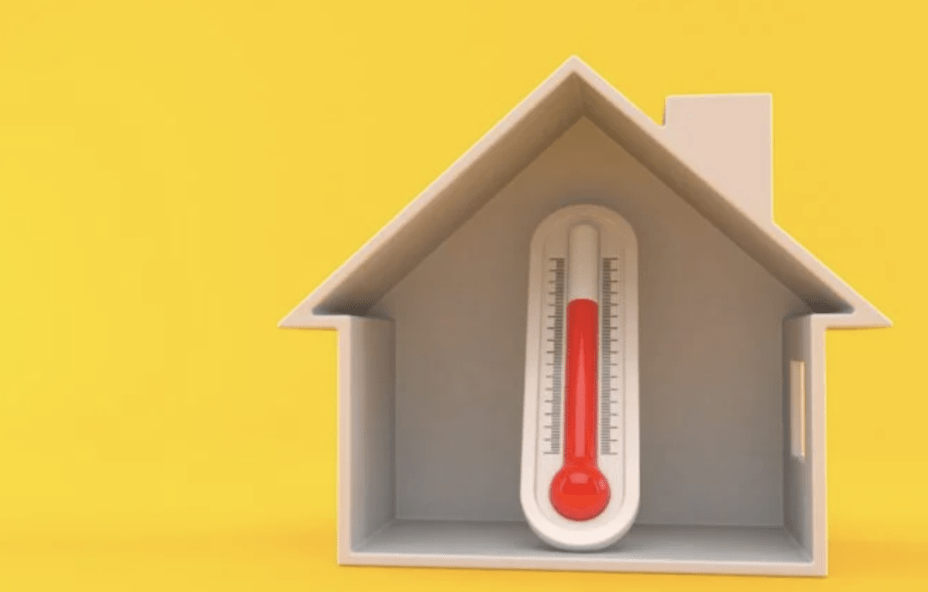
Glimpses of fall are here…. it’s time to shift focus toward ensuring our homes are ready for the upcoming season. With colder temperatures on the horizon, a few key maintenance tasks can make all the difference in creating a cozy, energy-efficient, and safe living environment.

  1. Weatherproofing and Insulation: Before the chilly weather sets in, take a moment to assess your home’s insulation and weather stripping. Proper insulation plays a crucial role in regulating indoor temperatures and reducing energy costs. Seal any gaps or cracks that may have developed over time to keep warm air in and cold air out.
  2. Service Heating System: Fall is the ideal time to give your heating system some attention. Schedule a professional service to ensure everything is in proper working order. This includes replacing filters, cleaning ducts, and addressing any potential issues that might arise during the colder months. A well-maintained heating system will keep you comfortable and efficient throughout the season.
  3. Inspect Chimney and Fireplace: If you’re fortunate to have a chimney or fireplace, now is the time to have them professionally inspected and cleaned. Soot and debris can accumulate over time, creating potential fire hazards. An annual check ensures safe and efficient operation during the upcoming months of cozy fires.

By tackling these tasks as fall approaches, you’re taking proactive steps to ensure your home is well-prepared for the colder weather. Not only will you enjoy a comfortable and snug living space, but you’ll also likely see energy savings and avoid potential safety risks. Embrace the season’s changing landscape by ensuring your home is a welcoming retreat as you settle into the autumn months ahead.

If you’re considering a move or investment and require a trusted Real Estate Broker, we’re here to assist you. Contact us via email at TEAM@McDanielCallahan.com, complete the form below, or give us a call at 925-838-4300. We are ready to provide expert guidance and support for all your real estate needs. Terry McDaniel DRE License #00941526

Go back

Your message has been sent

Warning
Warning
Warning
Warning.

Title: Energy-Saving Home Maintenance: The Key to Efficient Appliances

As responsible homeowners, we often focus on keeping our living spaces clean and organized, but what about the appliances that tirelessly work behind the scenes? Regular maintenance of household appliances not only extends their lifespan but also contributes to energy savings. In this blog post, we’ll explore the importance of cleaning the refrigerator coils, dishwasher filter, and washing machine filter, to enhance their performance and reduce energy consumption.

  1. Clean Refrigerator Coils:

The refrigerator is one of the hardest-working appliances in our homes, constantly running to keep our food fresh. Over time, dust and debris can accumulate on the condenser coils located at the back or bottom of the fridge. Dirty coils impede heat transfer, forcing the refrigerator to work harder and consume more energy. By cleaning the coils every few months with a vacuum cleaner or a coil brush, you can ensure efficient performance and lower energy bills.

  1. Clean Dishwasher Filter:

The dishwasher makes our lives easier by handling the daily chore of washing dishes. However, its efficiency can be compromised by a clogged or dirty filter. The dishwasher filter traps food particles and debris to prevent them from recirculating on dishes. Cleaning the filter regularly – usually every month or two – ensures proper water drainage and improves the dishwasher’s cleaning performance. Refer to your dishwasher’s manual for instructions on how to access and clean the filter.

  1. Clean Washing Machine Filter:

A clean washing machine filter is vital for maintaining clean clothes and efficient water drainage during the wash cycle. Over time, the filter can become clogged with lint, debris, and detergent residue, causing the machine to use more water and energy. To avoid these issues, check your washing machine’s manual for the location of the filter and clean it every few months. Additionally, using high-efficiency detergent can minimize residue buildup and further improve energy efficiency.

Regular maintenance of household appliances is an essential aspect of responsible homeownership. Cleaning the refrigerator coils, dishwasher filter, and washing machine filter can significantly enhance their performance and reduce energy consumption. By incorporating these simple tasks into your home care routine, you not only save on utility bills but also extend the lifespan of your appliances. So, let’s make energy-saving home maintenance a priority and take care of our trusty appliances to keep our living spaces running smoothly and efficiently. 🏡💡 #EnergyEfficiency #HomeMaintenance #ApplianceCare

Keeping Cool: Expert Tips to Beat the Heat without Straining Your Air Conditioner

When the summer heat becomes unbearable, it’s tempting to crank down the thermostat to cool down quickly. However, experts caution that this can strain your air conditioner, which already works harder in hot weather. Fear not! In this blog post, we’ll share some expert tips to stay cool while minimizing the strain on your air conditioner.

  1. Close Blinds or Shades: Keep the hottest parts of the day at bay by closing your blinds or shades, especially if your windows aren’t updated. This helps block out the sun’s heat, keeping your home cooler naturally.
  2. Mind Your Appliances: Avoid using appliances like dishwashers, ovens, stovetops, and dryers during the hottest hours. These appliances generate heat and humidity, forcing your air conditioner to work harder. Opt for using them during cooler times of the day or consider using energy-efficient models that produce less heat.
  3. Open and Close Windows Strategically: Take advantage of cooler evening temperatures by opening windows to increase air circulation and ventilation. However, remember to close them during the hottest parts of the day to prevent warm air from entering your home.
  4. Utilize Fans: Use ceiling fans or portable fans to create a breeze and improve airflow. Fans can help distribute cool air more effectively, allowing you to set your thermostat at a slightly higher temperature without sacrificing comfort.
  5. Insulate and Seal: Ensure your home is properly insulated and sealed to prevent cool air from escaping and hot air from seeping in. Insulation and weatherstripping can help maintain a comfortable indoor temperature while reducing the workload on your air conditioner.

Staying cool during hot summer months doesn’t have to strain your air conditioner. By following expert tips such as closing blinds, minimizing appliance usage, strategically opening and closing windows, utilizing fans, and ensuring proper insulation, you can beat the heat while reducing the strain on your cooling system. Embrace these strategies to create a comfortable living environment while maximizing energy efficiency and minimizing the load on your air conditioner.

The Benefits of Rain Sensors for Your Sprinkler System

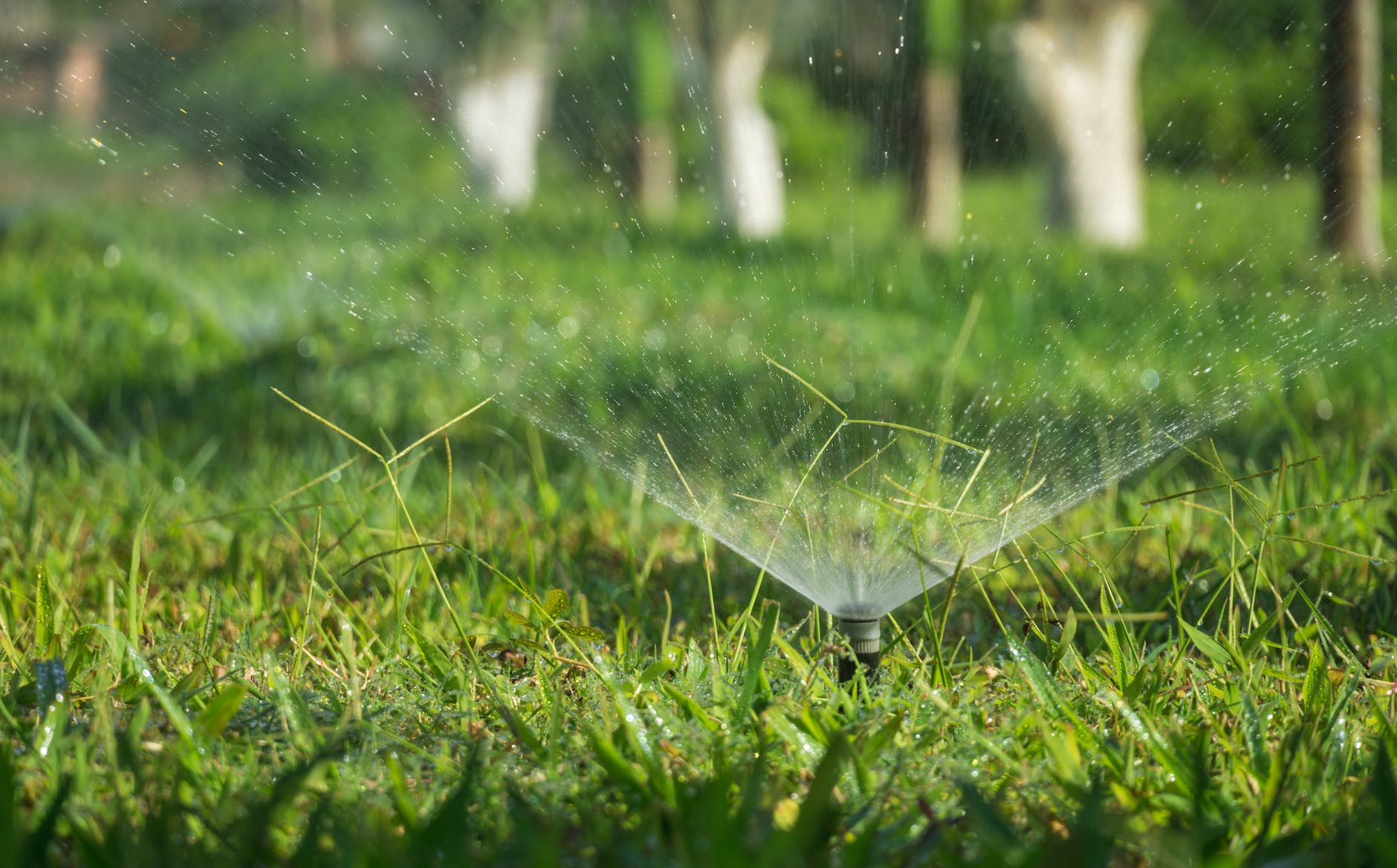
Photo by Q. Hu01b0ng Phu1ea1m on Pexels.com

Maintaining a healthy and vibrant lawn requires a well-functioning sprinkler system. However, when an unexpected storm arrives overnight, it can be a hassle to wake up and manually shut off the sprinklers. This is where rain sensors come to the rescue. Rain sensors are intelligent devices that automatically detect precipitation and prevent your sprinkler system from needlessly watering during rainy periods. In this post, we will explore the benefits of rain sensors and how they can save you time, water, and money.

  1. Water Conservation: One of the significant advantages of rain sensors is their ability to conserve water. Water is a valuable resource, and using it efficiently is crucial. Rain sensors detect the moisture levels in the environment and activate when rain is detected. By automatically shutting off your sprinklers during rainfall, rain sensors prevent overwatering and unnecessary water wastage. This not only helps to preserve water but also promotes environmentally friendly practices by reducing your water footprint.
  2. Cost Savings: With a rain sensor integrated into your sprinkler system, you can expect substantial cost savings. By avoiding watering during rainy periods, you reduce your water bill. Additionally, rain sensors help prevent water damage by ensuring that your lawn isn’t overly saturated. Excessive watering can lead to soil erosion, plant diseases, and increased maintenance costs. By using a rain sensor, you eliminate these risks and protect your investment in landscaping, ultimately saving you money in the long run.
  3. Convenience and Time-Saving: Manually turning off your sprinklers during a sudden downpour can be inconvenient, especially when it occurs in the middle of the night. Rain sensors eliminate the need for such interventions. Once rain is detected, the rain sensor sends a signal to your sprinkler system to halt irrigation, ensuring that you don’t have to worry about waking up or interrupting your daily routine. This hands-off approach allows you to focus on other priorities while your lawn receives the optimal amount of water.
  4. Preserving Plant Health: Overwatering can have detrimental effects on your lawn and landscape plants. Too much water can suffocate the roots, promote the growth of fungus, and make plants more susceptible to diseases. Rain sensors help maintain an ideal moisture balance in your lawn by preventing excessive watering during rainy periods. By avoiding overwatering, rain sensors contribute to the overall health and longevity of your plants, ensuring lush and vibrant greenery.
  5. Easy Installation and Compatibility: Rain sensors are designed to be user-friendly and easy to install. They can be easily integrated into existing sprinkler systems or included during the installation of a new system. Rain sensors are compatible with a wide range of sprinkler controllers, making them a versatile choice for any setup. With their straightforward installation process, you can quickly start enjoying the benefits of a rain sensor in no time.

As an Amazon Associate, I earn on qualifying purchases.

Benefits of Installing a Whole House Fan in Your Home

If you’re looking for a way to cool your home during the hot summer months, a whole-house fan (A whole house fan is a ventilation system installed in the ceiling of a home that draws cool outside air into the house and pushes hot, stale indoor air out through the attic or vents) might be the solution you need. Here are some of the benefits of having a whole-house fan installed in your home:

  1. Lower Energy Bills: Whole house fans use significantly less energy than traditional air conditioning systems. This means you can save money on your energy bills while still keeping your home comfortable.
  2. Improved Indoor Air Quality: By circulating fresh outdoor air throughout your home, a whole-house fan can help improve indoor air quality. This can be especially beneficial for individuals who suffer from allergies or respiratory problems.
  3. Enhanced Comfort: Whole house fans provide a refreshing breeze throughout your home, making it more comfortable to live in during the hot summer months. They also help to reduce humidity levels, which can be a major source of discomfort during the summer.
  4. Environmentally Friendly: Whole house fans are an environmentally friendly cooling option, as they use significantly less energy than traditional air conditioning systems. This makes them a great option for individuals looking to reduce their carbon footprint.

A whole house fan can help you save money on energy bills while improving indoor air quality, and enhancing comfort. If you’re looking for an effective and affordable way to cool your home during the summer months, a whole-house fan might be the perfect solution for you.

Thinking of moving or investing and need a referral for a Real Estate Broker, we can help: email us at TEAM@McDanielCallahan.com, fill in the form below or call 925-838-4300. Terry McDaniel DRE license #00941526

Go back

Your message has been sent

Warning
Warning
Warning
Warning.