Why Anti-Fatigue Kitchen Mats Are a Must-Have for Your Home

If you spend a lot of time cooking or cleaning in the kitchen, you’ve probably noticed how tired your legs and back can get from standing on hard floors. Enter anti-fatigue kitchen mats—a simple yet effective solution designed to provide comfort and reduce strain on your body. But how do they work, and why should you consider getting one?

What Are Anti-Fatigue Mats?

Anti-fatigue mats are cushioned mats specifically designed to reduce the discomfort caused by standing on hard surfaces for long periods. Made from materials like foam or gel, these mats help absorb the impact on your joints, muscles, and spine, providing a more comfortable standing experience.

How They Benefit You

  1. Reduced Discomfort: Standing on a hard surface can cause fatigue in your legs, back, and feet. Anti-fatigue mats offer cushioning, easing pressure on your joints and muscles.
  2. Increased Productivity: If cooking is a major part of your daily routine, an anti-fatigue mat can make those long sessions in the kitchen more bearable, allowing you to enjoy the process without the physical strain.
  3. Better Posture: These mats encourage subtle muscle movements that improve circulation and posture, reducing the risk of long-term health issues from prolonged standing.
  4. Energy Boost: When your body isn’t focused on managing discomfort, you’ll feel less fatigued and more energized to tackle your day.

Key Features to Look For

  • Material: High-quality foam or gel materials offer the best comfort and durability.
  • Thickness: Look for mats that are at least 3/4-inch thick to provide adequate cushioning.
  • Non-Slip Surface: Safety is key. Choose a mat with a non-slip backing to prevent accidents.
  • Easy to Clean: Since it’s going in the kitchen, pick a mat that’s stain-resistant and easy to wipe down.

Where to Use Anti-Fatigue Mats

  • Kitchen: Place one in front of your sink or stove for comfort while cooking or washing dishes.
  • Laundry Room: A mat in front of your washer and dryer can make laundry days easier.
  • Standing Desks: If you work from home and use a standing desk, anti-fatigue mats can help reduce strain during long hours of work.

Anti-fatigue kitchen mats are more than just a luxury—they’re a practical investment in your comfort and well-being. By reducing strain, improving posture, and boosting energy, they can make your time in the kitchen far more enjoyable.

https://amzn.to/4e7KBaL

The Solution for Bulky Phone Chargers: Flat, Thin Chargers

Bulky phone chargers have long been a nuisance, especially when they prevent you from placing your furniture snugly against the wall. You’ve probably faced the dilemma of having to rearrange furniture or deal with awkward gaps just to make room for your charger. Fortunately, there’s a simple solution: flat, thin chargers.

The Problem with Traditional Chargers

Standard phone chargers often come with large plugs and protruding cords that make it difficult to position furniture close to the wall. Whether it’s a nightstand, a couch, or a desk, these bulky chargers force you to leave unsightly gaps or constantly adjust your layout to accommodate them.

Enter Flat, Thin Chargers

Flat, thin chargers are designed to solve this exact problem. With a slim profile, they can plug directly into outlets without taking up much space. Because they lie almost flush with the wall, you can push your furniture right up against it without worrying about damaging the charger or bending the cord.

Benefits of Flat Chargers

  1. Space-Saving
    Flat chargers allow you to maximize your room layout without leaving gaps. This not only improves the overall look but also makes your space more functional and organized.
  2. Reduced Cord Strain
    Bulky chargers can strain the cord when bent or squeezed behind furniture. Flat chargers prevent this by maintaining a sleek and flush design, preserving the integrity of your charging cables.
  3. Sleek and Minimal Design
    Many flat chargers are designed with aesthetics in mind. They blend seamlessly into your home’s décor, keeping things neat and minimalist, without the unsightly bulge of traditional chargers.
  4. Improved Accessibility
    With flat chargers, you can still easily access outlets without having to move heavy furniture every time you need to plug in your device. This makes charging your phone or other gadgets more convenient.

How to Choose the Right Flat Charger

When shopping for a flat, thin charger, consider a few key factors:

  • Compatibility: Ensure the charger is compatible with your phone or device.
  • Length of Cord: Depending on where the outlet is located, choose a cord length that fits your setup.
  • Durability: Look for chargers made from high-quality materials that can withstand frequent use.
  • Design: Pick a design that complements your home, whether you’re looking for sleek black, white, or other minimalist finishes.

A Simple Fix for Everyday Convenience

Flat, thin chargers offer a smart and simple solution for anyone dealing with bulky phone chargers that ruin their room’s layout. With these space-saving chargers, you no longer need to choose between functionality and aesthetics. Keep your furniture against the wall and enjoy a clutter-free, streamlined living space!

https://amzn.to/4gwzJ8b

How to Start Tackling Small Projects Around the House

Taking on home improvement projects can be both exciting and overwhelming. Starting small and building your skills gradually is the key to successfully completing tasks and gaining confidence. Here’s a guide to help you get started with those small projects around the house:

1. Start Small: Build Your Confidence

When you’re new to DIY projects, it’s wise to begin with simple tasks. Starting small allows you to build your confidence and get a feel for handling tools and materials. Consider starting with projects like fixing a leaky faucet, painting a room, or changing a light fixture. These tasks are manageable and provide immediate results, which can be incredibly motivating.

2. Gather Tools: Invest in Basics

Having the right tools is essential for any home project. Invest in a basic toolkit that includes items such as a hammer, screwdriver set, pliers, a tape measure, and a utility knife. These tools will serve you well for a variety of tasks. As you progress and take on more complex projects, you can expand your toolkit with specialized tools as needed.

3. Watch Tutorials: Learn from the Experts

Online tutorials can be a fantastic resource for learning how to tackle different home improvement tasks. Websites like YouTube have countless videos demonstrating step-by-step instructions for everything from basic repairs to more intricate projects. Watching these tutorials can provide you with visual guidance and help you understand the techniques involved in completing your tasks.

4. Read Instructions: Follow Closely

For tasks like assembling furniture or installing fixtures, following instructions closely is crucial. Carefully read and follow the manufacturer’s guidelines to ensure that you complete the task correctly. Paying attention to details in the instructions can help you avoid mistakes and achieve better results.

5. Ask for Help: Seek Advice and Assistance

Don’t hesitate to reach out to friends, family, or neighbors who have experience with DIY projects. Asking for advice or help can be incredibly valuable, especially when you’re tackling a task for the first time. More experienced individuals can offer tips, answer questions, and provide hands-on assistance if needed.

Starting small and tackling simple projects around the house can be a rewarding way to build your DIY skills. By gathering the right tools, learning from tutorials, following instructions, and seeking advice, you’ll be well-equipped to handle a variety of tasks. As you gain confidence and experience, you can gradually take on more complex projects and continue to improve your home.

How to Find a Wall Stud Without a Stud Finder

When it comes to hanging a picture, a shelf, or anything substantial on your walls, finding a wall stud is crucial for providing the necessary support. A stud offers a secure anchor point, ensuring your decor stays put without damaging your walls. While you can purchase a battery-powered stud finder for around $20, there’s a simple and cost-effective way to locate a wall stud using just your senses and a bit of know-how.

Step-by-Step Guide to Locating a Wall Stud Without a Stud Finder

1. Start Near an Electrical Outlet

Most electrical outlets are mounted to the side of a wall stud. Therefore, finding an outlet can give you a good starting point in your search for a stud. Locate an outlet on the wall where you want to hang your picture or shelf.

2. Measure the Distance Between Studs

Typically, wall studs are spaced about 16 inches apart in most homes. However, this spacing can vary slightly, especially in older houses or custom builds. Once you’ve located the general area of a stud near the outlet, you can measure 16 inches to either side to estimate where the next stud might be.

3. Tap and Listen

Now that you have a general idea of where the studs are, it’s time to confirm their exact location. Begin by tapping lightly on the drywall with your knuckles or a small hammer. As you tap along the wall, listen closely to the sound. When you’re tapping between studs, the sound will be hollow. As you move closer to a stud, the sound will become less hollow and more solid. The change in sound indicates you’ve found a stud.

4. Confirm the Stud Location

To be sure you have located a stud, you can drive a small nail or a pin into the wall where you believe the stud to be. If the nail goes in and meets resistance, you’ve hit the stud. If it goes through easily and continues moving inward, you’re likely still between studs and should continue your search. Be careful not to make too many holes in your wall; if you miss the first time, adjust your approach slightly to the left or right and try again.

5. Mark the Stud

Once you’ve located the stud, mark its edges with a pencil. This way, you’ll know exactly where the center of the stud is for securing your nails or screws when hanging your items.

Why Finding a Wall Stud Matters

Hanging heavy items on drywall alone can be risky, as drywall is not designed to support substantial weight. Without a stud for support, shelves and heavy pictures are more likely to pull out of the wall, potentially causing damage or injury. By taking the time to find a wall stud, you ensure that whatever you’re hanging has a secure anchor and will stay put, giving you peace of mind.

Additional Tips

  • Use a Magnet: Another alternative method to find a stud is by using a strong magnet. Many screws and nails are magnetic, so running a magnet across your wall can help you locate them, and thus, the studs.
  • Look for Clues: In some cases, you may be able to spot a slight indentation or even a nail head along the baseboard, which can indicate the location of a stud.
  • Be Patient: Finding a stud without a tool takes a bit of practice and patience. Don’t rush; take your time to ensure accuracy.

or maybe you just want to use a stud finder…

https://amzn.to/3MvKA4o

Seasonal Maintenance Checklist: Essential Home Tasks to Complete Before Winter

It might still be 100 where you live, but Costco has Winter decorations out!

Proper seasonal maintenance not only ensures your home stays warm and energy-efficient but also prevents costly repairs down the road. Here’s your essential checklist to tackle before winter sets in.

1. Inspect and Clean Your HVAC System

Your HVAC system works hard to keep you comfortable through the winter. Before the temperature drops, schedule a professional inspection and cleaning. A technician can check for any issues, clean the system, and ensure everything is running efficiently. Additionally, replace or clean filters to maintain good air quality and system performance.

2. Seal Drafts and Insulate

Cold drafts can make your home uncomfortable and lead to higher energy bills. Inspect windows and doors for any gaps or leaks and seal them with weatherstripping or caulk. Don’t forget to check areas like electrical outlets and pipes that might need additional insulation. Adding or replacing insulation in attics and basements can also help keep your home warm and reduce heating costs.

3. Clean and Inspect Gutters

Fallen leaves and debris can clog your gutters and downspouts, leading to water damage and ice dams. Clean out gutters and downspouts thoroughly and ensure they’re properly attached and draining away from your home’s foundation. Installing gutter guards can also help reduce future clogs.

4. Check Roof and Chimney

Inspect your roof for any missing or damaged shingles that could lead to leaks. If you have a chimney, schedule a professional inspection and cleaning to prevent dangerous chimney fires and ensure proper ventilation.

5. Test Smoke and Carbon Monoxide Detectors

Cold weather can lead to increased use of heating systems and potentially dangerous indoor air quality issues. Test smoke and carbon monoxide detectors to ensure they’re working correctly and replace batteries as needed. Consider installing additional detectors if you don’t have them in key areas.

6. Prepare Outdoor Plumbing

To prevent pipes from freezing, insulate exposed outdoor pipes and disconnect garden hoses. Drain and store hoses, and if you have a sprinkler system, follow the manufacturer’s instructions for winterizing it.

7. Check Driveways and Walkways

Inspect your driveways and walkways for cracks or damage that could worsen with freezing temperatures. Repair any cracks and consider applying a sealant to protect the surfaces from ice and snow.

8. Stock Up on Winter Supplies

Ensure you have necessary winter supplies such as salt or sand for de-icing driveways and walkways, a snow shovel or snow blower for clearing snow, and emergency supplies like flashlights and batteries in case of power outages.

9. Inspect Attic and Basement

Check for any signs of leaks, mold, or pests in your attic and basement. Address any issues promptly to prevent them from becoming bigger problems during the winter months.

10. Review Your Emergency Plan

Winter storms can be unpredictable. Review your emergency plan, ensure you have a first aid kit, and keep a supply of non-perishable food and water on hand in case you’re snowed in or experience a power outage.

Taking the time to complete these essential maintenance tasks before winter arrives will help you stay warm, safe, and comfortable throughout the season. Not only will these efforts improve your home’s efficiency and longevity, but they will also provide peace of mind knowing that you’re well-prepared for the colder months.

The Importance of Keeping Vital Records Safe at Home

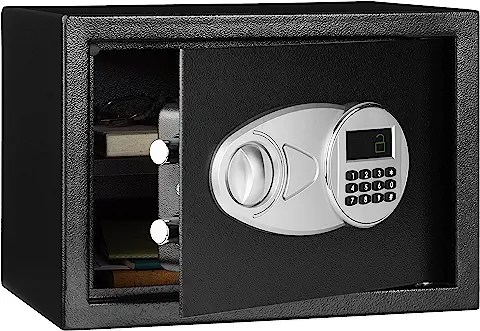
Identity theft and natural disasters are real concerns, safeguarding your vital records is more important than ever. Documents like birth certificates, Social Security cards, passports, and property deeds are essential for proving your identity and accessing important services. Keeping these vital records secure at home should be a priority, and one of the best ways to do so is by storing them in a safe.

Why You Need to Protect Your Vital Records

Vital records are more than just pieces of paper; they are key to your personal identity and legal standing. Losing or damaging these documents can result in significant hassles, from the time-consuming process of replacing them to potential security risks like identity theft.

For example, a birth certificate or Social Security card falling into the wrong hands can be used to open fraudulent accounts, leading to financial loss and long-term damage to your credit. Similarly, property deeds and titles are critical in establishing ownership, and losing them could complicate legal matters related to your home or assets.

The Benefits of Keeping Vital Records in a Safe

Storing your vital records in a home safe offers several key advantages:

  1. Protection from Fire and Water Damage
  • A high-quality safe provides protection against fire and water, ensuring that your documents remain intact even in the event of a disaster. Fires, floods, and other emergencies can strike unexpectedly, and having a safe place for your records can prevent them from being destroyed.
  1. Security from Theft
  • A safe offers a secure location that is difficult for intruders to access. Keeping your vital records in a locked safe ensures that they are protected from theft, reducing the risk of identity fraud and other security breaches.
  1. Organized and Accessible
  • A safe helps you keep all your important documents in one organized place. This not only makes them easier to find when you need them but also reduces the chance of them being misplaced or accidentally discarded.
  1. Peace of Mind
  • Knowing that your vital records are stored securely in a safe provides peace of mind. You can rest easy knowing that, even in the face of unexpected events, your most important documents are protected.

What to Store in Your Safe

When deciding what documents to store in your safe, consider the following vital records:

  • Birth Certificates and Social Security Cards
  • Passports
  • Marriage and Divorce Certificates
  • Property Deeds and Titles
  • Insurance Policies
  • Wills and Powers of Attorney
  • Medical Records and Immunization History
  • Bank Account Information and Financial Records

In addition to paper documents, you may also want to include digital backups of these records stored on an encrypted USB drive.

Choosing the Right Safe

When selecting a safe for your home, consider the following factors:

  • Fire and Water Resistance: Look for safes that are rated to withstand high temperatures and water exposure.
  • Size: Choose a safe large enough to store all your vital records comfortably, with room for any additional valuables you may want to secure.
  • Security Features: Opt for a safe with advanced locking mechanisms, such as biometric or keypad entry, for added security.
  • Portability: Depending on your needs, you may want a safe that is lightweight and easy to move, or one that is heavier and more difficult to remove from your home.

Your vital records are essential to your identity and legal standing. Keeping them safe from damage, theft, and loss should be a priority. By investing in a high-quality safe and storing your important documents securely at home, you can protect your future and ensure that you have access to these critical records when you need them most. Take the time to assess your current storage solutions and consider upgrading to a safe that will provide the protection and peace of mind you deserve.

https://amzn.to/3YPNLLz

End of Summer and Your Hose is Leaking? Repair It Instead of Buying a New One

As summer winds down, you might notice that your trusty garden hose has developed a leak. Instead of rushing out to buy a new one, consider repairing it. Fixing a leaky hose is a simple, cost-effective solution that can extend the life of your hose and save you money. Here’s how you can repair your hose and keep it in good shape for seasons to come.

Why Repairing Your Hose Makes Sense

  1. Cost-Effective: Repairing a hose is much cheaper than buying a new one. Most repair kits are inexpensive and can be found at any hardware store.
  2. Environmental Benefits: By repairing your hose, you reduce waste and contribute to a more sustainable environment. Less plastic and rubber waste means a smaller carbon footprint.
  3. Convenience: Repairing a hose can be done quickly and easily, often with items you already have at home. There’s no need for a trip to the store or waiting for a new hose to be delivered.
  4. Learn a Useful Skill: Learning how to repair common household items like hoses is a valuable skill that can save you money and give you a sense of accomplishment.

Common Hose Problems and How to Fix Them

  1. Pinhole Leaks: These are small leaks that can occur anywhere along the length of the hose. Solution:
  • Turn off the water and locate the leak.
  • Dry the area around the leak and wrap it with waterproof tape, ensuring it’s tightly sealed.
  • Alternatively, use a hose mender kit, which includes a small piece of tubing and clamps to cover the hole.
  1. Leaking Hose Ends: The connectors at the ends of the hose can wear out or become damaged, causing leaks. Solution:
  • Cut off the damaged end of the hose using a sharp knife or hose cutter.
  • Insert a new hose coupling into the cut end. Make sure to choose the correct size (male or female) for your hose.
  • Secure the coupling with the provided clamp, tightening it until the coupling is firmly attached.
  1. Cracks or Splits in the Hose: These can happen due to wear and tear or exposure to the elements. Solution:
  • Identify the section of the hose that is cracked or split.
  • Cut out the damaged section using a sharp knife or hose cutter.
  • Use a hose mender to join the two cut ends. Slide each end of the hose onto the mender and secure with the provided clamps.

Tools and Materials Needed

  • Utility knife or hose cutter: For cutting the hose cleanly.
  • Hose repair kit: These kits include hose menders, couplings, and clamps.
  • Screwdriver: For tightening the clamps on the hose mender or coupling.
  • Waterproof tape: For quick fixes on small leaks.

Steps to Repair a Leaky Hose

  1. Identify the Problem: Determine the location and type of leak in your hose.
  2. Gather Your Supplies: Have all necessary tools and materials on hand before starting the repair.
  3. Prepare the Hose: Turn off the water and drain the hose completely. Dry the area around the leak.
  4. Make the Repair:
  • For pinhole leaks, wrap the area with waterproof tape or use a hose mender kit.
  • For leaking hose ends, cut off the damaged end and attach a new coupling.
  • For cracks or splits, cut out the damaged section and use a hose mender to join the ends.
  1. Test the Repair: Turn the water back on and check for any leaks. Ensure the repair is holding and no water is escaping.

Preventative Measures

To avoid future leaks and extend the life of your hose, consider these preventative measures:

  1. Store Properly: Keep your hose out of direct sunlight and extreme temperatures. Store it coiled and off the ground to prevent damage.
  2. Use Hose Guides: Use guides to prevent the hose from kinking or being dragged over sharp edges.
  3. Regular Inspections: Periodically check your hose for signs of wear and tear, and address any issues promptly.

As summer draws to a close, don’t let a leaky hose dampen your gardening spirits. Repairing your hose is an easy, affordable, and environmentally friendly solution that can save you money and extend the life of your hose. With a few simple tools and materials, you can tackle common hose problems and keep your garden thriving.

https://amzn.to/4cZA94w

Why You Might Want to Rearrange Your Furniture: Benefits and Tips

Rearranging your furniture might seem like a simple task, but it can have a profound impact on your living space. Whether you’re looking to refresh your home’s look or improve functionality, a new furniture arrangement can breathe new life into your environment. Here’s why you might want to consider rearranging your furniture and how to do it effectively.

Benefits of Rearranging Furniture

1. Enhance Functionality

A new layout can significantly improve the functionality of your space. For example:

  • Optimizing Traffic Flow: Rearranging furniture can create a smoother flow through the room, making it easier to navigate.
  • Improving Usability: You can make better use of space by placing furniture where it’s most needed, such as creating distinct zones for different activities.

2. Update Your Home’s Aesthetic

A fresh arrangement can give your home a new look without the need for a complete renovation. This can be especially beneficial if:

  • Changing Seasons: You want to update the look of your home to reflect seasonal changes or trends.
  • Boredom with Current Setup: You’re simply looking for a change to refresh your living environment.

3. Maximize Space

Rearranging can help you make the most of your available space, particularly in smaller rooms. Consider:

  • Creating More Space: Rearranging can open up areas that felt cramped or cluttered.
  • Functional Zones: Designating specific areas for different functions (e.g., work, relaxation, dining) can make your space more versatile.

4. Improve Comfort and Well-Being

A thoughtful furniture arrangement can enhance your comfort and well-being by:

  • Reducing Clutter: Arranging furniture efficiently can help keep your space organized and clutter-free.
  • Creating Cozy Areas: Positioning furniture to create inviting, comfortable areas can improve relaxation and enjoyment of your home.

5. Boost Home Organization

Effective furniture placement can assist with better organization by:

  • Incorporating Storage Solutions: Positioning furniture to include or optimize storage can help manage household items.
  • Streamlining Access: Rearranging can make frequently used items more accessible.

Tips for Rearranging Your Furniture

1. Assess Your Space

Before moving anything, take a close look at your space. Consider:

  • Room Dimensions: Measure the room and your furniture to ensure everything fits comfortably.
  • Natural Light: Think about how the placement will affect natural light and ventilation.

2. Define Your Goals

Identify what you hope to achieve with the rearrangement. This might include:

  • Creating a Focal Point: Designating a focal point such as a fireplace or TV.
  • Improving Functionality: Addressing specific needs like creating a reading nook or enhancing social areas.

3. Experiment with Layouts

Try out different arrangements before committing. You can:

  • Use Software: Furniture layout apps or online tools can help you visualize different configurations.
  • Make Templates: Create scaled drawings or use masking tape on the floor to outline potential layouts.

4. Consider Traffic Flow

Ensure there’s enough space for easy movement. Avoid:

  • Blocking Pathways: Keep walkways clear to avoid creating obstacles.
  • Overcrowding: Avoid placing too much furniture in a small space, which can make it feel cramped.

5. Incorporate Key Design Principles

Keep these design principles in mind:

  • Balance: Arrange furniture to achieve visual balance in the room.
  • Proportion: Ensure furniture sizes are proportionate to the room and each other.
  • Harmony: Coordinate colors, textures, and styles to create a cohesive look.

6. Accessorize Thoughtfully

Once you’ve rearranged the furniture, consider:

  • Adding Accessories: Introduce new decor items like rugs, lamps, and cushions to complement the new layout.
  • Testing Comfort: Sit in different spots to ensure the arrangement is comfortable and functional.

Rearranging your furniture can transform your living space, enhancing both its functionality and aesthetic appeal. By carefully considering your goals and experimenting with different layouts, you can create a fresh, inviting environment that better suits your needs and preferences. Whether you’re aiming to optimize space, update your home’s look, or improve comfort, a little rearrangement can make a big difference.

Creating an Allergy-Friendly Garden: Choosing Low-Allergen Plants

For many, the beauty of a garden can be overshadowed by allergy symptoms triggered by pollen. If sneezing and sniffles are common in your life, it’s time to rethink your garden strategy. Fortunately, there are plenty of low-allergen plants that can create a beautiful and inviting outdoor space without exacerbating your allergies.

Why Choose Low-Allergen Plants?

Low-allergen plants produce less pollen, which means fewer triggers for those sensitive to allergens. By selecting the right species, you can enjoy your garden without the worry of sneezing fits and other allergic reactions. Here are some popular low-allergen plants to consider:

Recommended Low-Allergen Plants

  1. Sage
    This aromatic herb not only enhances your culinary dishes but also offers beautiful foliage and flowers with minimal pollen.
  2. Rosemary
    Another versatile herb, rosemary thrives in sunny spots and is known for its fragrant leaves. It’s a great addition to both gardens and kitchens.
  3. Thyme
    Thyme is a hardy, low-growing plant that requires little maintenance. Its tiny flowers are less likely to trigger allergies.
  4. Abelia
    This flowering shrub produces lovely blooms and is a great option for hedges. Its low pollen count makes it ideal for allergy sufferers.
  5. Phlox
    With its vibrant colors, phlox adds beauty to any garden. It’s a perennial favorite that attracts fewer allergens.
  6. Periwinkle
    This ground cover plant offers lovely blue flowers and thrives in various conditions. It’s a low-maintenance choice with minimal pollen production.

Tips for Reducing Allergens in Your Garden

  • Larger Flowers Are Better: Look for plants with larger flowers, as they are often pollinated by animals rather than the wind, resulting in lower pollen counts.
  • Limit Grass Areas: If you suffer from grass allergies, consider reducing lawn space. This not only helps with allergens but also lowers maintenance needs, pollution, and water consumption.
  • Mulch Wisely: Using mulch can help suppress weeds and reduce the need for mowing, which can stir up pollen and dust.

Creating an allergy-friendly garden is achievable with careful plant selection and thoughtful landscaping. By incorporating low-allergen plants like sage, rosemary, and phlox, you can enjoy a beautiful outdoor space without the sneezing fits. Additionally, reducing grassy areas can further alleviate allergy symptoms.

Preparing Your Home for Vacation: Essential Steps to Secure Your House

Before you pack your bags and head off to your dream vacation destination, it’s important to ensure that your home is secure. An unoccupied house can be an easy target for burglars, but with some careful planning and simple precautions, you can protect your home and enjoy a worry-free vacation. Here’s a comprehensive guide to preparing your house before you leave.

1. Manage Your Lawn and Exterior

An overgrown lawn is a clear sign that no one is home. To avoid this, arrange for someone to take care of your yard while you’re away. Hiring a neighborhood kid or a professional lawn service to mow the lawn and tend to any garden needs can keep your house looking occupied.

2. Handle Your Mail and Deliveries

An overflowing mailbox and a pile of packages on the doorstep are red flags for intruders. Contact the post office to temporarily stop your mail delivery, or ask a trusted neighbor to collect it for you. Additionally, pause any newspaper deliveries and arrange for a friend or neighbor to pick up any packages that may arrive.

3. Use Light Timers and Smart Lighting

Darkened windows and a lack of evening lights make it obvious that a house is empty. To create the illusion that someone is home, use light timers to turn lights on and off at various times. For more advanced control, consider investing in an app-controlled smart lighting system. These systems allow you to remotely control your home’s lights from your smartphone, making it easy to simulate occupancy.

4. Secure Doors and Windows

Before leaving, double-check that all doors and windows are securely locked. Reinforce sliding doors with a metal rod or a wooden dowel in the track. Ensure that your garage door is also locked and that any interior doors leading from the garage to the house are secured.

5. Set Up a Security System

If you don’t already have one, consider installing a security system. Many modern systems offer features such as motion detectors, door and window sensors, and security cameras that you can monitor remotely. Displaying security system signs can also act as a deterrent to potential burglars.

6. Inform Trusted Neighbors

Let a trusted neighbor know about your travel plans. They can keep an eye on your property, collect any unexpected deliveries, and even park their car in your driveway to give the appearance that someone is home. Provide them with your contact information and a spare key in case of emergencies.

7. Unplug Electronics and Appliances

Unplugging non-essential electronics and appliances not only saves energy but also reduces the risk of electrical fires. This includes items like coffee makers, toasters, and televisions. Additionally, consider turning off your water supply to prevent potential leaks or flooding.

8. Adjust Your Thermostat

Set your thermostat to an energy-saving temperature. If you’re traveling during the winter, ensure it’s set high enough to prevent pipes from freezing. In the summer, set it to a level that keeps your house comfortable for any pets that may be staying behind or for the sake of your plants.

9. Hide Valuables

Store any valuable items, such as jewelry, important documents, and expensive electronics, in a safe or a hidden, secure location. Avoid leaving them in plain sight where they could tempt intruders.

10. Check Your Home Insurance

Review your home insurance policy to ensure you have adequate coverage while you’re away. Make sure you know what’s covered and have a clear understanding of the procedure to follow in case of an incident.

Taking these precautions before you leave for vacation can help ensure that your home remains safe and secure while you’re away. By managing your lawn, handling your mail, using light timers, securing entry points, and enlisting the help of trusted neighbors, you can deter potential intruders and enjoy your vacation with peace of mind. So, before you head out for your adventure, take the time to prepare your home—

Smart Lighting:

https://amzn.to/45UOWe6