Low-Flow and Low-Flush Toilets: Less Water, More Savings

Older toilets can be major culprits when it comes to excessive water use. Fortunately, modern technology offers a solution in the form of low-flow and low-flush toilets. These high-efficiency fixtures not only conserve water but also lead to significant cost savings. Here’s why making the switch to these water-saving toilets is a smart move for both the environment and your wallet.

Understanding Water Usage in Toilets

Traditional toilets use between 3.5 to 7 gallons of water per flush. Over time, this adds up to substantial water consumption, especially in households with multiple occupants. In contrast, low-flow and low-flush toilets are designed to use significantly less water—typically 1.6 gallons or less per flush.

The Environmental Impact

Swapping out old toilets for newer, high-efficiency models could have a dramatic impact on water conservation. The U.S. Environmental Protection Agency (EPA) estimates that if every household in America replaced their old toilets with WaterSense-labeled models, we could save up to 360 billion gallons of water per year. That’s a staggering amount of water that could help preserve vital resources and reduce the strain on our water systems.

Cost Savings

While the initial cost of purchasing and installing a low-flow or low-flush toilet may seem daunting, the long-term savings are well worth the investment. Here’s how:

  • Water Bills: By using less water per flush, these toilets can significantly reduce your monthly water bill. Depending on your local water rates and household usage, you could see savings of $100 or more annually.
  • Maintenance Costs: Modern toilets are designed to be more efficient and durable, which can reduce the frequency of repairs and replacements. Additionally, many low-flow models come with longer warranties.

Features of Low-Flow and Low-Flush Toilets

When selecting a new toilet, consider the following features to maximize efficiency and comfort:

  • Dual-Flush Mechanism: Many high-efficiency toilets feature a dual-flush option, allowing users to choose between a partial flush for liquid waste and a full flush for solid waste. This further reduces water usage.
  • WaterSense Certification: Look for toilets with the WaterSense label, which indicates that the product meets the EPA’s water efficiency and performance criteria.
  • Improved Design: Modern toilets often include advanced flushing technology that ensures a powerful and effective flush while using less water.

Installation Tips

  • Professional Installation: While installing a new toilet can be a DIY project, it’s often best to hire a professional plumber to ensure proper installation and avoid potential leaks or issues.
  • Check for Leaks: After installation, check for any leaks or running water, which can waste additional water and increase bills.
  • Proper Maintenance: Regularly clean and maintain your new toilet to ensure it continues to function efficiently and effectively.

Switching to low-flow and low-flush toilets is a simple yet impactful way to conserve water and save money. By upgrading your old, water-guzzling toilets to modern, high-efficiency models, you contribute to environmental sustainability and enjoy lower utility bills.

So, if you’re looking for a straightforward home improvement that benefits both the environment and your finances, consider making the switch to low-flow and low-flush toilets.

Why Anti-Fatigue Kitchen Mats Are a Must-Have for Your Home

If you spend a lot of time cooking or cleaning in the kitchen, you’ve probably noticed how tired your legs and back can get from standing on hard floors. Enter anti-fatigue kitchen mats—a simple yet effective solution designed to provide comfort and reduce strain on your body. But how do they work, and why should you consider getting one?

What Are Anti-Fatigue Mats?

Anti-fatigue mats are cushioned mats specifically designed to reduce the discomfort caused by standing on hard surfaces for long periods. Made from materials like foam or gel, these mats help absorb the impact on your joints, muscles, and spine, providing a more comfortable standing experience.

How They Benefit You

  1. Reduced Discomfort: Standing on a hard surface can cause fatigue in your legs, back, and feet. Anti-fatigue mats offer cushioning, easing pressure on your joints and muscles.
  2. Increased Productivity: If cooking is a major part of your daily routine, an anti-fatigue mat can make those long sessions in the kitchen more bearable, allowing you to enjoy the process without the physical strain.
  3. Better Posture: These mats encourage subtle muscle movements that improve circulation and posture, reducing the risk of long-term health issues from prolonged standing.
  4. Energy Boost: When your body isn’t focused on managing discomfort, you’ll feel less fatigued and more energized to tackle your day.

Key Features to Look For

  • Material: High-quality foam or gel materials offer the best comfort and durability.
  • Thickness: Look for mats that are at least 3/4-inch thick to provide adequate cushioning.
  • Non-Slip Surface: Safety is key. Choose a mat with a non-slip backing to prevent accidents.
  • Easy to Clean: Since it’s going in the kitchen, pick a mat that’s stain-resistant and easy to wipe down.

Where to Use Anti-Fatigue Mats

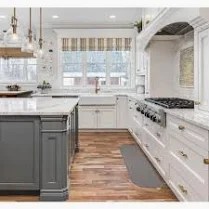
  • Kitchen: Place one in front of your sink or stove for comfort while cooking or washing dishes.
  • Laundry Room: A mat in front of your washer and dryer can make laundry days easier.
  • Standing Desks: If you work from home and use a standing desk, anti-fatigue mats can help reduce strain during long hours of work.

Anti-fatigue kitchen mats are more than just a luxury—they’re a practical investment in your comfort and well-being. By reducing strain, improving posture, and boosting energy, they can make your time in the kitchen far more enjoyable.

https://amzn.to/4e7KBaL

The Solution for Bulky Phone Chargers: Flat, Thin Chargers

Bulky phone chargers have long been a nuisance, especially when they prevent you from placing your furniture snugly against the wall. You’ve probably faced the dilemma of having to rearrange furniture or deal with awkward gaps just to make room for your charger. Fortunately, there’s a simple solution: flat, thin chargers.

The Problem with Traditional Chargers

Standard phone chargers often come with large plugs and protruding cords that make it difficult to position furniture close to the wall. Whether it’s a nightstand, a couch, or a desk, these bulky chargers force you to leave unsightly gaps or constantly adjust your layout to accommodate them.

Enter Flat, Thin Chargers

Flat, thin chargers are designed to solve this exact problem. With a slim profile, they can plug directly into outlets without taking up much space. Because they lie almost flush with the wall, you can push your furniture right up against it without worrying about damaging the charger or bending the cord.

Benefits of Flat Chargers

  1. Space-Saving
    Flat chargers allow you to maximize your room layout without leaving gaps. This not only improves the overall look but also makes your space more functional and organized.
  2. Reduced Cord Strain
    Bulky chargers can strain the cord when bent or squeezed behind furniture. Flat chargers prevent this by maintaining a sleek and flush design, preserving the integrity of your charging cables.
  3. Sleek and Minimal Design
    Many flat chargers are designed with aesthetics in mind. They blend seamlessly into your home’s décor, keeping things neat and minimalist, without the unsightly bulge of traditional chargers.
  4. Improved Accessibility
    With flat chargers, you can still easily access outlets without having to move heavy furniture every time you need to plug in your device. This makes charging your phone or other gadgets more convenient.

How to Choose the Right Flat Charger

When shopping for a flat, thin charger, consider a few key factors:

  • Compatibility: Ensure the charger is compatible with your phone or device.
  • Length of Cord: Depending on where the outlet is located, choose a cord length that fits your setup.
  • Durability: Look for chargers made from high-quality materials that can withstand frequent use.
  • Design: Pick a design that complements your home, whether you’re looking for sleek black, white, or other minimalist finishes.

A Simple Fix for Everyday Convenience

Flat, thin chargers offer a smart and simple solution for anyone dealing with bulky phone chargers that ruin their room’s layout. With these space-saving chargers, you no longer need to choose between functionality and aesthetics. Keep your furniture against the wall and enjoy a clutter-free, streamlined living space!

https://amzn.to/4gwzJ8b

How to Start Tackling Small Projects Around the House

Taking on home improvement projects can be both exciting and overwhelming. Starting small and building your skills gradually is the key to successfully completing tasks and gaining confidence. Here’s a guide to help you get started with those small projects around the house:

1. Start Small: Build Your Confidence

When you’re new to DIY projects, it’s wise to begin with simple tasks. Starting small allows you to build your confidence and get a feel for handling tools and materials. Consider starting with projects like fixing a leaky faucet, painting a room, or changing a light fixture. These tasks are manageable and provide immediate results, which can be incredibly motivating.

2. Gather Tools: Invest in Basics

Having the right tools is essential for any home project. Invest in a basic toolkit that includes items such as a hammer, screwdriver set, pliers, a tape measure, and a utility knife. These tools will serve you well for a variety of tasks. As you progress and take on more complex projects, you can expand your toolkit with specialized tools as needed.

3. Watch Tutorials: Learn from the Experts

Online tutorials can be a fantastic resource for learning how to tackle different home improvement tasks. Websites like YouTube have countless videos demonstrating step-by-step instructions for everything from basic repairs to more intricate projects. Watching these tutorials can provide you with visual guidance and help you understand the techniques involved in completing your tasks.

4. Read Instructions: Follow Closely

For tasks like assembling furniture or installing fixtures, following instructions closely is crucial. Carefully read and follow the manufacturer’s guidelines to ensure that you complete the task correctly. Paying attention to details in the instructions can help you avoid mistakes and achieve better results.

5. Ask for Help: Seek Advice and Assistance

Don’t hesitate to reach out to friends, family, or neighbors who have experience with DIY projects. Asking for advice or help can be incredibly valuable, especially when you’re tackling a task for the first time. More experienced individuals can offer tips, answer questions, and provide hands-on assistance if needed.

Starting small and tackling simple projects around the house can be a rewarding way to build your DIY skills. By gathering the right tools, learning from tutorials, following instructions, and seeking advice, you’ll be well-equipped to handle a variety of tasks. As you gain confidence and experience, you can gradually take on more complex projects and continue to improve your home.

How to Find a Wall Stud Without a Stud Finder

When it comes to hanging a picture, a shelf, or anything substantial on your walls, finding a wall stud is crucial for providing the necessary support. A stud offers a secure anchor point, ensuring your decor stays put without damaging your walls. While you can purchase a battery-powered stud finder for around $20, there’s a simple and cost-effective way to locate a wall stud using just your senses and a bit of know-how.

Step-by-Step Guide to Locating a Wall Stud Without a Stud Finder

1. Start Near an Electrical Outlet

Most electrical outlets are mounted to the side of a wall stud. Therefore, finding an outlet can give you a good starting point in your search for a stud. Locate an outlet on the wall where you want to hang your picture or shelf.

2. Measure the Distance Between Studs

Typically, wall studs are spaced about 16 inches apart in most homes. However, this spacing can vary slightly, especially in older houses or custom builds. Once you’ve located the general area of a stud near the outlet, you can measure 16 inches to either side to estimate where the next stud might be.

3. Tap and Listen

Now that you have a general idea of where the studs are, it’s time to confirm their exact location. Begin by tapping lightly on the drywall with your knuckles or a small hammer. As you tap along the wall, listen closely to the sound. When you’re tapping between studs, the sound will be hollow. As you move closer to a stud, the sound will become less hollow and more solid. The change in sound indicates you’ve found a stud.

4. Confirm the Stud Location

To be sure you have located a stud, you can drive a small nail or a pin into the wall where you believe the stud to be. If the nail goes in and meets resistance, you’ve hit the stud. If it goes through easily and continues moving inward, you’re likely still between studs and should continue your search. Be careful not to make too many holes in your wall; if you miss the first time, adjust your approach slightly to the left or right and try again.

5. Mark the Stud

Once you’ve located the stud, mark its edges with a pencil. This way, you’ll know exactly where the center of the stud is for securing your nails or screws when hanging your items.

Why Finding a Wall Stud Matters

Hanging heavy items on drywall alone can be risky, as drywall is not designed to support substantial weight. Without a stud for support, shelves and heavy pictures are more likely to pull out of the wall, potentially causing damage or injury. By taking the time to find a wall stud, you ensure that whatever you’re hanging has a secure anchor and will stay put, giving you peace of mind.

Additional Tips

  • Use a Magnet: Another alternative method to find a stud is by using a strong magnet. Many screws and nails are magnetic, so running a magnet across your wall can help you locate them, and thus, the studs.
  • Look for Clues: In some cases, you may be able to spot a slight indentation or even a nail head along the baseboard, which can indicate the location of a stud.
  • Be Patient: Finding a stud without a tool takes a bit of practice and patience. Don’t rush; take your time to ensure accuracy.

or maybe you just want to use a stud finder…

https://amzn.to/3MvKA4o

Transform Your Space with a Dedicated Beverage Center

If you’re passionate about drinks—whether it’s crafting sophisticated cocktails, brewing the perfect coffee, or blending fresh smoothies—creating a dedicated beverage center in your home can elevate your drink preparation and hosting game to the next level. Imagine having a well-organized space that caters specifically to your beverage needs, turning your living area into the hottest spot for entertaining and enjoying your favorite drinks. Here’s how you can transform any corner of your home into a standout beverage center.

Why Create a Beverage Center?

A dedicated beverage center isn’t just about convenience; it’s about enhancing your experience and the enjoyment of your guests. Here are a few reasons why setting up a beverage center can be a game-changer:

  1. Efficiency and Organization: Having a designated area for your drinks means all your ingredients, tools, and glassware are in one place. No more scrambling for cocktail shakers or searching for that perfect glass. Everything you need is right at your fingertips.
  2. Enhanced Entertainment: A beverage center is a focal point for gatherings. It encourages guests to mingle and interact, making your home the go-to spot for entertaining. Whether it’s a weekend brunch or an evening cocktail party, your beverage center will be a hit.
  3. Versatility: You don’t have to limit your beverage center to alcoholic drinks. Consider transforming the space into a coffee bar, smoothie station, or a combination of both. The possibilities are endless and can be tailored to your lifestyle and preferences.

How to Create Your Beverage Center

  1. Choose the Right Space: Your beverage center can be as elaborate or as simple as you like. You might carve out a corner of your living room, repurpose a pantry or closet, or even design a custom-built bar area. Consider how much space you have and how you want to use it.
  2. Equip the Space: Depending on your focus, equip your beverage center with the necessary tools and accessories. For cocktails, invest in quality barware such as shakers, jiggers, and strainers. For coffee, consider a high-quality espresso machine, grinders, and a selection of syrups and flavorings. For smoothies, a powerful blender and fresh fruits will be essential.
  3. Organize and Display: Use shelves, cabinets, and drawers to keep everything organized. Display your favorite spirits, coffee beans, or smoothie ingredients in a way that’s visually appealing. Consider adding a small refrigerator or wine cooler if space allows.
  4. Personalize Your Space: Add personal touches that reflect your style and interests. Whether it’s artwork, a chalkboard for cocktail recipes, or a selection of unique glassware, make your beverage center a reflection of your personality.
  5. Consider Seating: If you have the space, adding seating to your beverage center can enhance the experience. A couple of bar stools or a small table can make it a cozy spot for sipping and socializing.

Inspiration for Your Beverage Center

  1. The Classic Bar Cart: For a chic and mobile option, a stylish bar cart can serve as your beverage center. It’s perfect for small spaces and can be easily moved around.
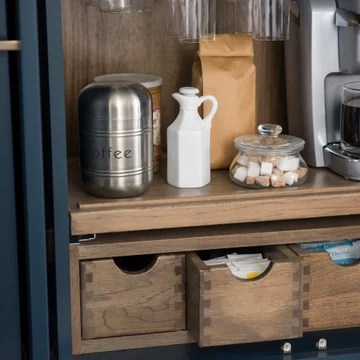
  2. The Coffee Nook: Create a dedicated coffee corner with a high-quality coffee machine, a selection of beans, and stylish mugs. Add a few shelves for syrups and accessories for a complete setup.
  3. The Smoothie Station: If smoothies are more your style, set up a blender, a variety of fruits, and some nutritious add-ins like protein powders and seeds.
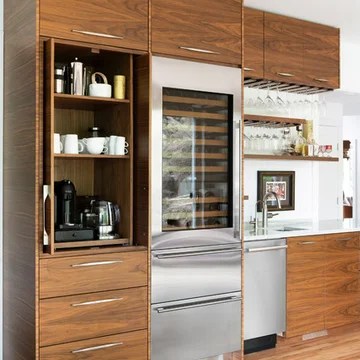
  4. The Integrated Bar Area: For a more permanent solution, design a built-in bar area with cabinetry and counter space. Include a mini fridge, a sink, and plenty of storage for glassware and ingredients.

Transforming a part of your home into a dedicated beverage center is more than just a practical upgrade; it’s an investment in your lifestyle and enjoyment. Whether you’re mixing cocktails, brewing coffee, or whipping up smoothies, having a well-designed beverage area can make a significant difference in your daily routine and hosting experiences.

Increasing Home Value: The Impact of Removing Popcorn Ceilings

Popcorn ceilings, once a popular design trend in the ’80s, have lost their appeal in modern times. Beyond aesthetics, there are valid reasons for homeowners to consider removing them. Not only do they date a property, but they can also pose safety concerns related to asbestos, a common material used in older popcorn ceilings.

By choosing to remove popcorn ceilings, homeowners can significantly increase their property’s value and attract potential buyers. A smooth, updated ceiling creates a modern and fresh look, instantly elevating the home’s overall appeal. Moreover, in today’s competitive real estate market, buyers seek move-in ready properties that require minimal renovation.

While removing popcorn ceilings may be a quick fix, it’s essential to entrust this task to professionals to avoid any risks associated with asbestos exposure. Making this investment ensures not only a higher selling price but also the peace of mind that comes with knowing the home is safe and updated for its new occupants. 🏡✨ #HomeImprovement #PopcornCeilingRemoval #IncreaseHomeValue

Getting Ready for Football Season: Choosing the Best TV and Viewing Distance

Football season is right around the corner, and for many fans, it’s the perfect excuse to upgrade their home entertainment setup. Walking into a store like Costco, you’ll notice that TVs are prominently displayed, enticing you with their vibrant colors and sharp images. But once you decide on a new TV, one important question remains: what is the optimal distance from your couch to your TV for the best viewing experience?

Understanding TV Size and Viewing Distance

The size of your TV and the distance between the screen and your seating area can significantly impact your viewing experience. Sitting too close can lead to eye strain and discomfort, while sitting too far away can diminish the details and clarity of the picture.

The recommended viewing distance depends on the size of your TV and its resolution (HD, Full HD, or 4K Ultra HD). Here’s a general guideline to help you determine the best distance for your new TV:

Viewing Distance Guidelines

HDTV (720p/1080p)

  • 32-inch TV: Sit about 4.5 to 6.5 feet away.
  • 40-inch TV: Sit about 5 to 8.5 feet away.
  • 50-inch TV: Sit about 6.5 to 10.5 feet away.
  • 60-inch TV: Sit about 7.5 to 12.5 feet away.

4K Ultra HD TV

  • 40-inch TV: Sit about 3 to 5 feet away.
  • 50-inch TV: Sit about 4 to 6.5 feet away.
  • 60-inch TV: Sit about 5 to 8 feet away.
  • 70-inch TV: Sit about 6 to 10 feet away.

Factors to Consider

  1. Room Size and Layout Consider the size of your room and the placement of furniture when determining the best viewing distance. Ensure that the TV is positioned at eye level and free from glare or reflections.
  2. Personal Preference While guidelines provide a good starting point, personal preference plays a significant role. Some people prefer a more immersive experience and might choose to sit closer, while others may opt for a more relaxed view from a greater distance.
  3. Resolution and Content Type Higher resolution TVs (like 4K) allow you to sit closer without noticing pixelation, providing a sharper image. If you enjoy watching sports or high-action content, you might prefer sitting closer for a more detailed view.
  4. Eye Comfort Maintain a comfortable distance that prevents eye strain. Ensure the room is adequately lit to reduce glare and reflections on the screen.

Tips for Setting Up Your TV

  • Mounting Height: Position the TV so that the center of the screen is at eye level when seated.
  • Angle: Ensure the TV is directly in front of the seating area to avoid neck strain.
  • Sound: Consider investing in a soundbar or surround sound system for an enhanced audio experience.

As football season kicks off, choosing the right TV and setting up your viewing area can make all the difference in your game-day experience. Use these guidelines to find the best distance from your couch to your TV, ensuring a comfortable and immersive viewing experience. Whether you’re watching the big game or your favorite show, a well-placed TV can elevate your home entertainment setup.

Why You Might Want to Rearrange Your Furniture: Benefits and Tips

Rearranging your furniture might seem like a simple task, but it can have a profound impact on your living space. Whether you’re looking to refresh your home’s look or improve functionality, a new furniture arrangement can breathe new life into your environment. Here’s why you might want to consider rearranging your furniture and how to do it effectively.

Benefits of Rearranging Furniture

1. Enhance Functionality

A new layout can significantly improve the functionality of your space. For example:

  • Optimizing Traffic Flow: Rearranging furniture can create a smoother flow through the room, making it easier to navigate.
  • Improving Usability: You can make better use of space by placing furniture where it’s most needed, such as creating distinct zones for different activities.

2. Update Your Home’s Aesthetic

A fresh arrangement can give your home a new look without the need for a complete renovation. This can be especially beneficial if:

  • Changing Seasons: You want to update the look of your home to reflect seasonal changes or trends.
  • Boredom with Current Setup: You’re simply looking for a change to refresh your living environment.

3. Maximize Space

Rearranging can help you make the most of your available space, particularly in smaller rooms. Consider:

  • Creating More Space: Rearranging can open up areas that felt cramped or cluttered.
  • Functional Zones: Designating specific areas for different functions (e.g., work, relaxation, dining) can make your space more versatile.

4. Improve Comfort and Well-Being

A thoughtful furniture arrangement can enhance your comfort and well-being by:

  • Reducing Clutter: Arranging furniture efficiently can help keep your space organized and clutter-free.
  • Creating Cozy Areas: Positioning furniture to create inviting, comfortable areas can improve relaxation and enjoyment of your home.

5. Boost Home Organization

Effective furniture placement can assist with better organization by:

  • Incorporating Storage Solutions: Positioning furniture to include or optimize storage can help manage household items.
  • Streamlining Access: Rearranging can make frequently used items more accessible.

Tips for Rearranging Your Furniture

1. Assess Your Space

Before moving anything, take a close look at your space. Consider:

  • Room Dimensions: Measure the room and your furniture to ensure everything fits comfortably.
  • Natural Light: Think about how the placement will affect natural light and ventilation.

2. Define Your Goals

Identify what you hope to achieve with the rearrangement. This might include:

  • Creating a Focal Point: Designating a focal point such as a fireplace or TV.
  • Improving Functionality: Addressing specific needs like creating a reading nook or enhancing social areas.

3. Experiment with Layouts

Try out different arrangements before committing. You can:

  • Use Software: Furniture layout apps or online tools can help you visualize different configurations.
  • Make Templates: Create scaled drawings or use masking tape on the floor to outline potential layouts.

4. Consider Traffic Flow

Ensure there’s enough space for easy movement. Avoid:

  • Blocking Pathways: Keep walkways clear to avoid creating obstacles.
  • Overcrowding: Avoid placing too much furniture in a small space, which can make it feel cramped.

5. Incorporate Key Design Principles

Keep these design principles in mind:

  • Balance: Arrange furniture to achieve visual balance in the room.
  • Proportion: Ensure furniture sizes are proportionate to the room and each other.
  • Harmony: Coordinate colors, textures, and styles to create a cohesive look.

6. Accessorize Thoughtfully

Once you’ve rearranged the furniture, consider:

  • Adding Accessories: Introduce new decor items like rugs, lamps, and cushions to complement the new layout.
  • Testing Comfort: Sit in different spots to ensure the arrangement is comfortable and functional.

Rearranging your furniture can transform your living space, enhancing both its functionality and aesthetic appeal. By carefully considering your goals and experimenting with different layouts, you can create a fresh, inviting environment that better suits your needs and preferences. Whether you’re aiming to optimize space, update your home’s look, or improve comfort, a little rearrangement can make a big difference.

Creating an Allergy-Friendly Garden: Choosing Low-Allergen Plants

For many, the beauty of a garden can be overshadowed by allergy symptoms triggered by pollen. If sneezing and sniffles are common in your life, it’s time to rethink your garden strategy. Fortunately, there are plenty of low-allergen plants that can create a beautiful and inviting outdoor space without exacerbating your allergies.

Why Choose Low-Allergen Plants?

Low-allergen plants produce less pollen, which means fewer triggers for those sensitive to allergens. By selecting the right species, you can enjoy your garden without the worry of sneezing fits and other allergic reactions. Here are some popular low-allergen plants to consider:

Recommended Low-Allergen Plants

  1. Sage
    This aromatic herb not only enhances your culinary dishes but also offers beautiful foliage and flowers with minimal pollen.
  2. Rosemary
    Another versatile herb, rosemary thrives in sunny spots and is known for its fragrant leaves. It’s a great addition to both gardens and kitchens.
  3. Thyme
    Thyme is a hardy, low-growing plant that requires little maintenance. Its tiny flowers are less likely to trigger allergies.
  4. Abelia
    This flowering shrub produces lovely blooms and is a great option for hedges. Its low pollen count makes it ideal for allergy sufferers.
  5. Phlox
    With its vibrant colors, phlox adds beauty to any garden. It’s a perennial favorite that attracts fewer allergens.
  6. Periwinkle
    This ground cover plant offers lovely blue flowers and thrives in various conditions. It’s a low-maintenance choice with minimal pollen production.

Tips for Reducing Allergens in Your Garden

  • Larger Flowers Are Better: Look for plants with larger flowers, as they are often pollinated by animals rather than the wind, resulting in lower pollen counts.
  • Limit Grass Areas: If you suffer from grass allergies, consider reducing lawn space. This not only helps with allergens but also lowers maintenance needs, pollution, and water consumption.
  • Mulch Wisely: Using mulch can help suppress weeds and reduce the need for mowing, which can stir up pollen and dust.

Creating an allergy-friendly garden is achievable with careful plant selection and thoughtful landscaping. By incorporating low-allergen plants like sage, rosemary, and phlox, you can enjoy a beautiful outdoor space without the sneezing fits. Additionally, reducing grassy areas can further alleviate allergy symptoms.