Leather Couch Hacks: Patch Holes Quickly and Keep Your Furniture Family-Friendly

After the repair…

There’s nothing more frustrating than discovering a hole or tear in your favorite leather couch—especially if you have kids or pets who seem determined to test its durability! Before you rush out to buy a new couch, consider a simple and effective solution: a leather couch repair kit.

These kits are designed to help you patch up holes, tears, and scratches right at home. Most include color-matching compounds, adhesive backing, and textured sheets to blend seamlessly with your couch’s surface. With a little patience, you can restore your furniture to looking nearly new—without the expense of replacement.

Here’s a simple step-by-step approach:

  1. Clean the Area – Remove dirt, oils, and debris around the hole to ensure the repair adheres properly.
  2. Trim Loose Edges – Snip any frayed leather or fabric fibers to create a smooth surface.
  3. Apply the Patch – Use the kit’s adhesive and textured sheet to cover the hole, blending it with your couch’s color.
  4. Smooth and Set – Press the patch firmly and allow the adhesive to set according to the instructions. Some kits include a heat tool or iron for a more durable finish.
  5. Finish and Blend – Apply any finishing color or texture provided in the kit to match the surrounding leather perfectly.

Repairing a leather couch yourself can save money, extend the life of your furniture, and give you the satisfaction of fixing something with your own hands. For families with kids or pets, a repair kit is a lifesaver—allowing you to wait on replacing your couch until it truly needs it. That hole is no longer a permanent problem.

https://amzn.to/4ndsJzb
Works with Milwaukee batteries, buff the couch with rubbing alcohol after to help repair..

https://amzn.to/4ndsJzb

The Front Door: Your Home’s First Impression

I’ve always had a soft spot for front doors. There’s something special about a door that seems to welcome you, whispering, “Come in and make yourself comfortable.” A front door can set the tone for your home, creating a sense of peace, tranquility, and a safe haven from the busy world outside.

When choosing a front door, consider more than just function. Style, color, and material all speak volumes about your home. Is it classic or modern? Bold or understated? Your door is essentially the business card of your home—it’s the first thing guests notice, and it can reflect your personality and taste.

Whether you’re picking your front door for the first time or thinking about a refresh, remember that a well-chosen door is more than just an entryway. It’s a statement, a welcome, and a daily reminder that your home is your sanctuary.

So choose wisely, pick a door that feels right, and enjoy the warmth and charm it brings every time you—or your guests—step inside.

https://amzn.to/48MoQxl
https://amzn.to/42J9SVh

3 Simple Ways to Make Your Home Feel Bigger

Not every home comes with extra square footage—but the good news is, you don’t need a remodel to make your space feel larger. With a few smart tricks, you can create the illusion of more room and breathe new life into your home. Here are three easy ways to make your house feel bigger:

1. Choose Light Paint Colors

Light, neutral tones like whites, soft grays, and pale blues reflect more light and make rooms feel airy and open. Dark colors can be cozy, but they often make spaces feel smaller.

2. Use Mirrors Strategically

Mirrors are a tried-and-true design hack. They reflect natural and artificial light, instantly making a room feel more expansive. Place them opposite windows or in narrow hallways to maximize the effect.

3. Embrace Multi-Functional Furniture

Furniture that serves more than one purpose—like ottomans with storage, fold-out desks, or sofa beds—helps reduce clutter and makes the most of your square footage. Less clutter equals more visible space.

Maximize Natural Light

Open those curtains! Natural light is one of the best ways to make any space feel bigger and more inviting. If privacy is a concern, use sheer curtains to let in light while still providing coverage.

With these simple strategies, you can transform your home into a space that feels brighter, more open, and more welcoming—without knocking down a single wall.

If you’re considering a move or investment and require a trusted Real Estate Broker, we’re here to assist you. Contact us via email at TEAM@McDanielCallahan.com, complete the form below, or give us a call at 925-838-4300. We are ready to provide expert guidance and support for all your real estate needs. Terry McDaniel DRE License #00941526

Go back

Your message has been sent

Warning
Warning
Warning
Warning.

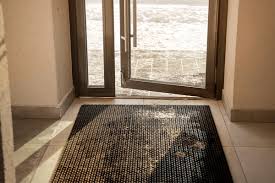
Why Anti-Fatigue Kitchen Mats Are a Must-Have for Your Home

If you spend a lot of time cooking or cleaning in the kitchen, you’ve probably noticed how tired your legs and back can get from standing on hard floors. Enter anti-fatigue kitchen mats—a simple yet effective solution designed to provide comfort and reduce strain on your body. But how do they work, and why should you consider getting one?

What Are Anti-Fatigue Mats?

Anti-fatigue mats are cushioned mats specifically designed to reduce the discomfort caused by standing on hard surfaces for long periods. Made from materials like foam or gel, these mats help absorb the impact on your joints, muscles, and spine, providing a more comfortable standing experience.

How They Benefit You

  1. Reduced Discomfort: Standing on a hard surface can cause fatigue in your legs, back, and feet. Anti-fatigue mats offer cushioning, easing pressure on your joints and muscles.
  2. Increased Productivity: If cooking is a major part of your daily routine, an anti-fatigue mat can make those long sessions in the kitchen more bearable, allowing you to enjoy the process without the physical strain.
  3. Better Posture: These mats encourage subtle muscle movements that improve circulation and posture, reducing the risk of long-term health issues from prolonged standing.
  4. Energy Boost: When your body isn’t focused on managing discomfort, you’ll feel less fatigued and more energized to tackle your day.

Key Features to Look For

  • Material: High-quality foam or gel materials offer the best comfort and durability.
  • Thickness: Look for mats that are at least 3/4-inch thick to provide adequate cushioning.
  • Non-Slip Surface: Safety is key. Choose a mat with a non-slip backing to prevent accidents.
  • Easy to Clean: Since it’s going in the kitchen, pick a mat that’s stain-resistant and easy to wipe down.

Where to Use Anti-Fatigue Mats

  • Kitchen: Place one in front of your sink or stove for comfort while cooking or washing dishes.
  • Laundry Room: A mat in front of your washer and dryer can make laundry days easier.
  • Standing Desks: If you work from home and use a standing desk, anti-fatigue mats can help reduce strain during long hours of work.

Anti-fatigue kitchen mats are more than just a luxury—they’re a practical investment in your comfort and well-being. By reducing strain, improving posture, and boosting energy, they can make your time in the kitchen far more enjoyable.

https://amzn.to/42aP7Bo

https://amzn.to/4nNAJax

Home Office Accessories

With more people working from home than ever before, creating a comfortable and functional workspace is essential. It’s not just about having a good desk and chair—though those are important—it’s also about adding the right accessories to make your workday smoother and more enjoyable.

The right home office accessories can help reduce strain, keep you organized, and even boost your productivity. Here are some must-have items to consider:

1. Ergonomic Keyboard and Mouse

A keyboard and mouse designed for comfort can reduce wrist strain and make long work sessions more manageable.

2. Monitor Stand or Adjustable Laptop Stand

Raising your screen to eye level improves posture and helps prevent neck and back pain.

3. Desk Organizer

Keep your workspace clutter-free with trays, drawers, or pen holders to stay focused and efficient.

4. Task Lighting

Proper lighting reduces eye strain and creates a more inviting workspace. A desk lamp with adjustable brightness is ideal.

5. Comfortable Chair Cushion or Footrest

Even the best chair can benefit from extra support. Cushions and footrests improve posture and circulation.

6. Cable Management Solutions

Tangled cords are a productivity killer. Use clips, sleeves, or boxes to keep your cables neat and out of the way.

7. Whiteboard or Bulletin Board

Visual reminders and notes help you stay organized, track goals, and keep important tasks in view.

By investing in a few key home office accessories, you can create a workspace that’s both comfortable and efficient. Small adjustments can make a big difference in how productive and focused you feel each day.

Blue Light Eye Wear: https://amzn.to/3IoEft3

Small Glass Desktop Whiteboard Dry-Erase-Board: https://amzn.to/4gIsKcA

Leather Desk Mat,Desk Writing Pad: https://amzn.to/4gDNsu5

Battery Organizer Storage Case https://amzn.to/42HAZjf

Desk Lamps: https://amzn.to/3IcIW9m

Protect Your Home: Why a Radon Detector Matters

If you live in an area where radon is a concern, protecting your home and family should be a top priority. Radon is an odorless, colorless gas that comes from the natural breakdown of uranium in soil, rock, and water. It can seep into your home through cracks and foundations—and long-term exposure is linked to serious health risks.

The tricky part? You can’t see it, smell it, or taste it. The only way to know if radon is present in your home is to test for it.

The Convenience of a Battery-Operated Detector

That’s where a battery-operated radon detector comes in. Unlike plug-in versions, this type of detector gives you flexibility. You can place it anywhere in your home—basement, bedroom, or living space—without worrying about outlets or wires.

It continuously monitors radon levels, giving you accurate readings and peace of mind. Plus, it’s easy to move if you want to test multiple rooms.

Why It’s Worth It

  • Early Detection: Identifies radon levels before they become a health risk.
  • Flexibility: Battery power means it works anywhere in your home.
  • Peace of Mind: Continuous monitoring lets you know your family is safe.

https://amzn.to/3K43IIO

The first battery-operated, digital radon detector. Monitor your home without the need for an outlet.

Creative (and Slightly Silly) Ways to Store Your Hats

So, you’ve got more hats than you’ve got head space. Baseball caps, fedoras, sun hats, maybe even that cowboy hat you bought on vacation and swore you’d wear again (but haven’t). The question is: where do you put them all? Fear not—here are some fun ways to store your hats without losing your sanity.

1. The Wall of Fame

Turn your wall into a gallery of headgear. Nothing says “classy homeowner” like a line of baseball caps hung proudly where guests can admire your taste in sports teams.

2. The Over-the-Door Surprise

Buy one of those over-the-door organizers, but instead of shoes, it’s stuffed with hats. Bonus points: you’ll never again open a closet without being ambushed by your collection.

3. Hat Tree (A Real Thing!)

It’s like a coat rack, but for hats. Yes, you’ll feel like you’re living in a 1950s sitcom. Yes, it’s worth it.

4. The Stack Method

If you’re lazy (no shame), just stack ‘em. Cowboy hat on the bottom, baseball cap on top, floppy beach hat in the middle. Voilà—modern art.

5. The “Borrow Your Pet” Strategy

Cats and dogs hate this one. But admit it—your golden retriever wearing your baseball cap is adorable. Not a storage solution, technically, but a guaranteed laugh.

6. Closet Rod Domination

Buy some shower curtain hooks, hang them on a closet rod, and clip your hats. Suddenly, your closet looks like a hat boutique. Or maybe a hat hoarder’s lair. Both work.

7. The “Car Hat”

This is less storage, more…lifestyle choice. Leave one hat in your car. Forever. That way, you’re never without shade on sunny days—and you’ve just stored one hat somewhere else.

Hats are fun, hats are stylish, and hats multiply faster than rabbits. Whether you go for practical or ridiculous storage, just keep them organized enough that you don’t find one on top of your blender. Unless, of course, that’s your thing.

https://amzn.to/3VUaGCB

Self-adhesive installation, suitable for smooth wall surfaces such as marble tiles and glass. 2. Drilling installation, suitable for rough and uneven surfaces such as painted drywall and wallpaper. 3. Install with screws on the wooden board.

Keep Your Bathroom Sink Clog-Free with an Easy Pop-Up Drain Strainer

Nothing slows down your morning routine faster than a clogged sink. Hair, soap residue, and debris can quickly build up, leaving you with a messy, slow-draining bathroom sink. That’s why a good drain strainer isn’t just convenient—it’s essential.

This bathroom sink drain strainer is designed to catch hair and prevent clogs before they happen. Its smart engineering ensures that even the smallest debris stays out of your pipes, saving you from costly plumbing headaches.

Easy-to-Use Pop-Up Mechanism

One of the best features of this sink stopper is its pop-up design. With a simple push, you can open or close the drain, making it easy to use for anyone—no twisting or complicated mechanisms required. Whether you’re washing your hands, shaving, or brushing your teeth, controlling your sink drain has never been simpler.

Benefits You’ll Appreciate

  • Prevents Clogs: Catches hair and debris before they block your drain.
  • Easy Operation: Pop-up mechanism makes opening and closing effortless.
  • Hygienic and Clean: Keeps your sink and pipes free from buildup.
  • Durable Design: Built to last with high-quality materials for daily use.

https://amzn.to/4gs7pUI

Always Renovating? 3 Ways to Stay Organized and Avoid Decision Fatigue

Do you feel like your home is always under construction—big or small? A new paint color here, a bathroom project there, maybe even a full remodel? Renovations can be exciting, but they can also feel never-ending and overwhelming. The constant stream of choices—tile, fixtures, layouts, colors—can lead to decision fatigue if you’re not careful.

The good news: with the right approach, you can stay organized and keep your sanity intact. Here are three strategies to help.

1. Create a Master Plan

Instead of tackling projects one at a time with no roadmap, create a master plan for your home. List your priorities, set a realistic timeline, and budget for each project. This helps you see the bigger picture and avoid redoing decisions later.

2. Limit Your Choices

Too many options can be paralyzing. Narrow down your selections before you shop—whether it’s choosing from three paint swatches instead of 30, or focusing on two flooring types instead of five. Simplifying choices saves time and energy.

3. Keep a Renovation Binder (or Digital Folder)

Stay organized by keeping everything in one place—contracts, receipts, swatches, and inspiration photos. Having easy access to your materials avoids confusion and keeps you on track when decisions pile up.

Renovations don’t have to drain your energy. By creating a master plan, limiting choices, and keeping organized records, you’ll reduce decision fatigue and keep your home projects moving forward—without burning yourself out.

4 Items You Should Never Keep by Your Stove

Your stove is the heart of your kitchen, but it’s also a hotspot for potential hazards. Keeping certain items nearby may seem convenient, but it can increase the risk of fire, burns, or other accidents. Here are four things you should never store by your stove:

1. Flammable Items

Paper towels, dish towels, napkins, and cookbooks are all highly flammable. Even a small spark or a splash of oil can ignite them, so keep these items at a safe distance.

2. Extra Cooking Oils

While it’s tempting to have bottles of oil within arm’s reach, storing them near the stove can be dangerous. Heat can cause oils to ignite, especially if the bottle leaks or spills. Keep extra oil in a cool, dry cupboard instead.

3. Aerosol Cans

Cooking sprays, air fresheners, and cleaning products may seem harmless, but they can explode when exposed to high heat. Store them in a cabinet away from your stovetop.

4. Plastic Utensils or Containers

Plastic can melt or warp if it gets too close to the burners. This not only ruins the item but can also release harmful fumes into your kitchen. Keep plastics well away from hot surfaces.


Kitchen safety isn’t just about cooking carefully—it’s about keeping dangerous items out of harm’s way. By storing flammables, oils, aerosols, and plastics away from your stove, you reduce the risk of accidents and keep your kitchen safe for everyone.