Kitchen…hidden storage

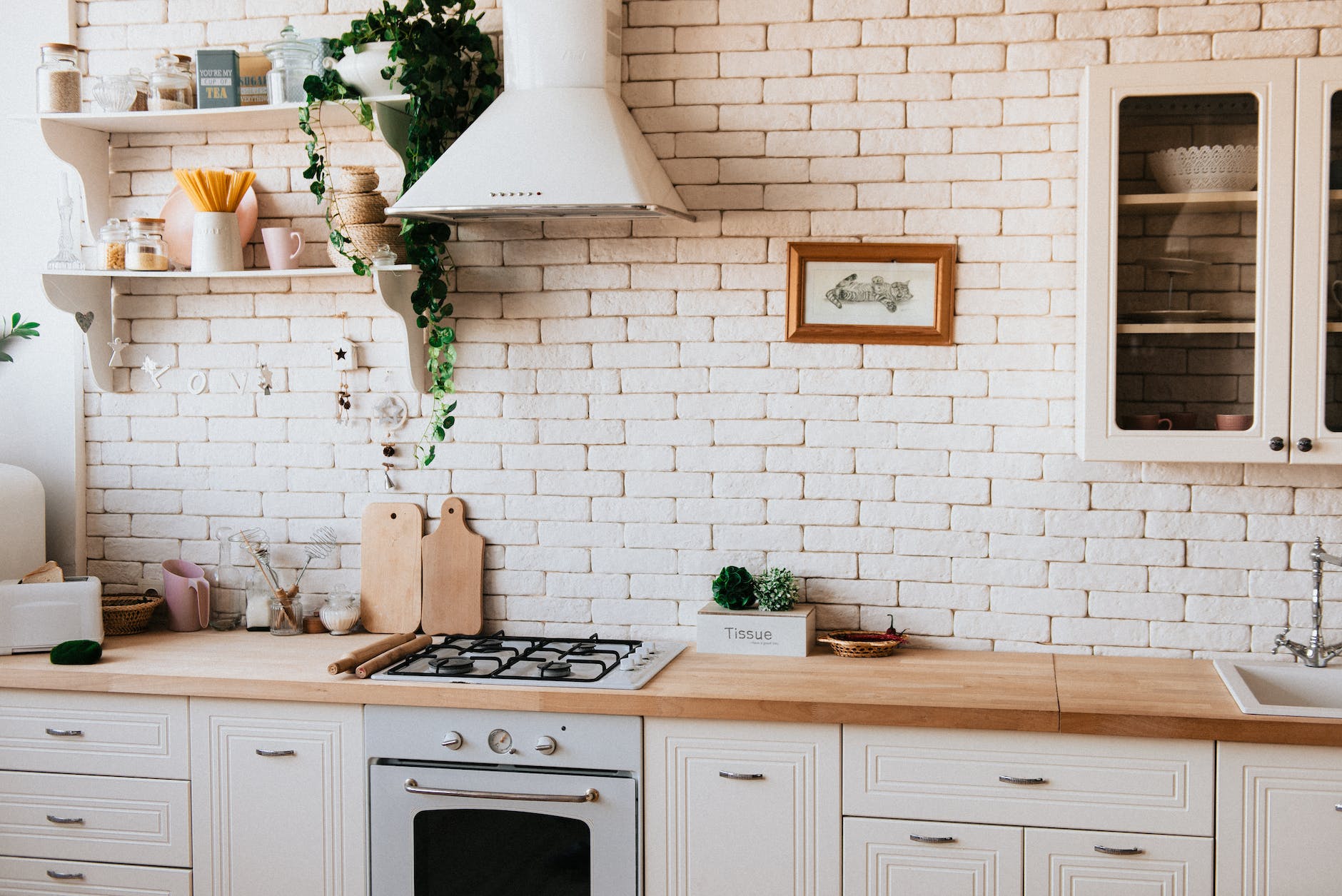
Photo by Dominika Roseclay on Pexels.com

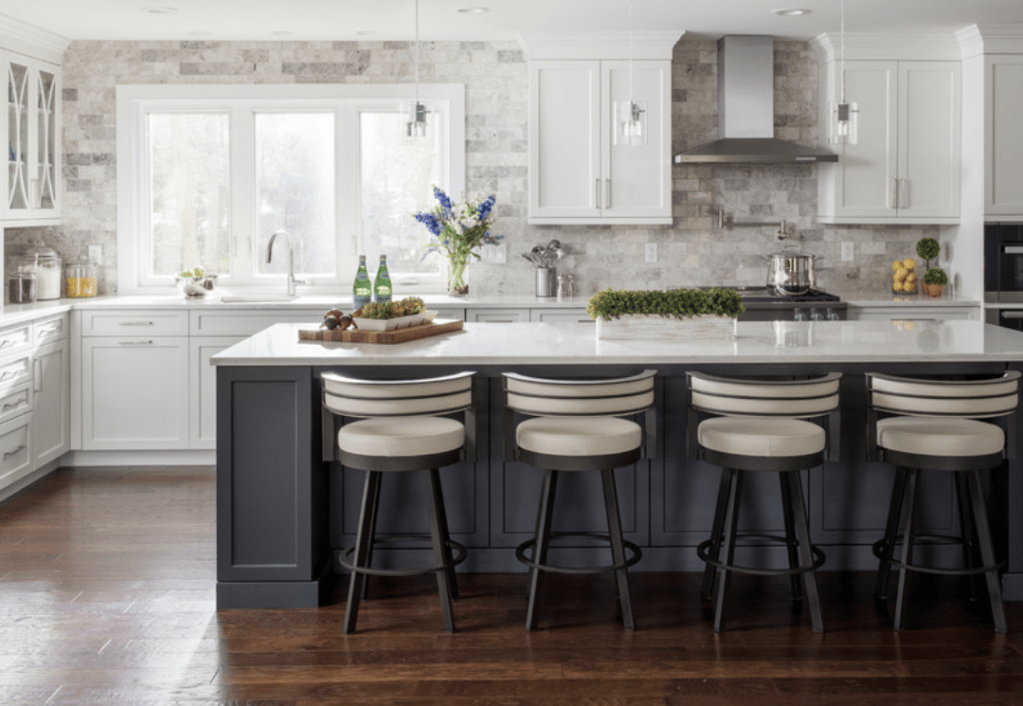
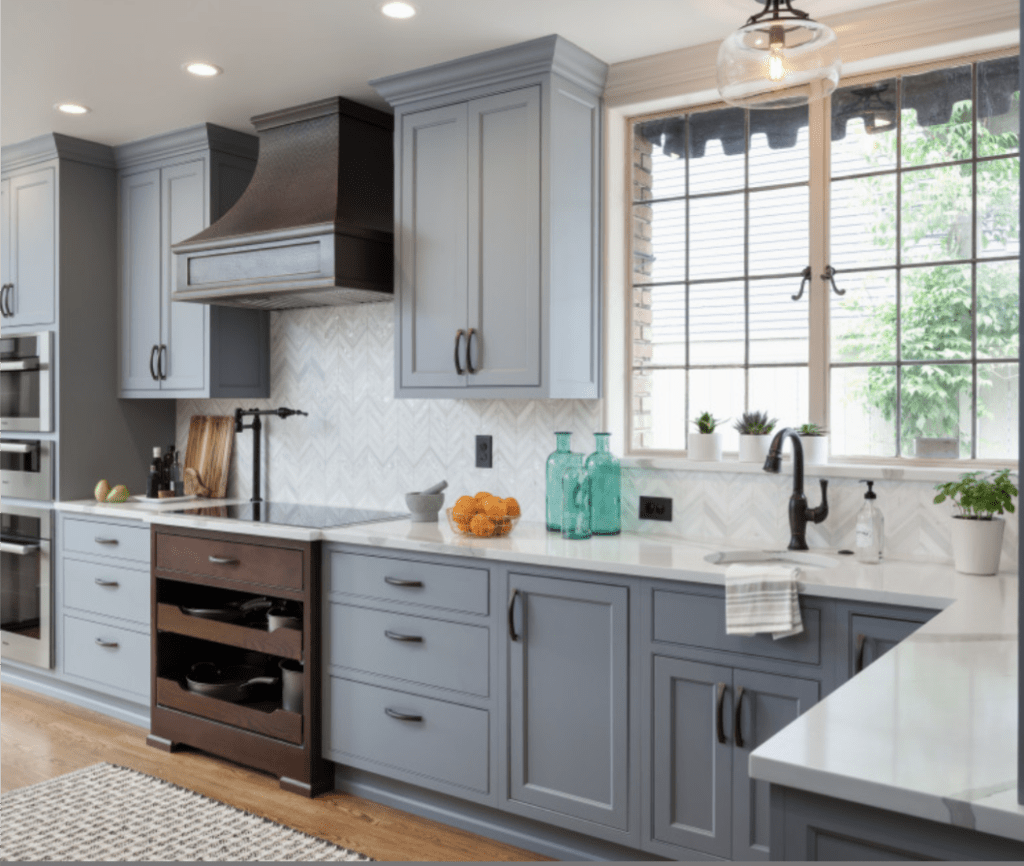
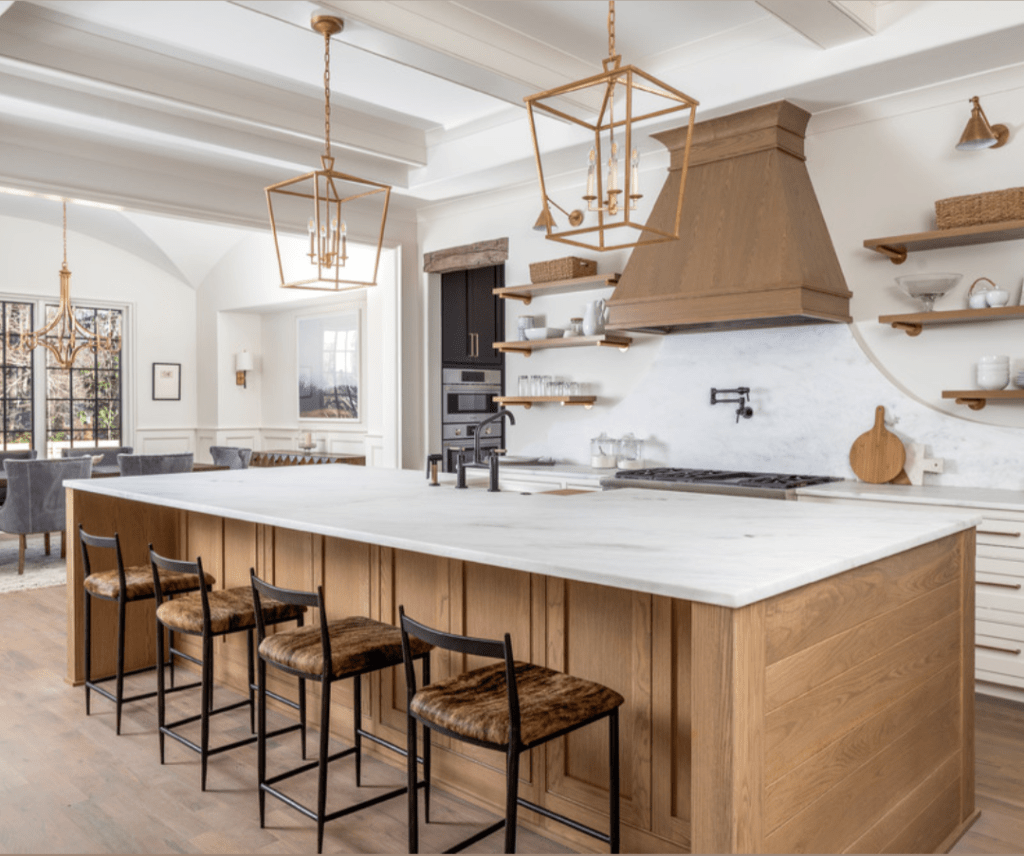
The kitchen is one of the most important spaces in any home, and it’s also one of the most frequently used. A well-designed kitchen not only looks great but also functions efficiently. One of the most important aspects of kitchen design is storage, and it’s important to strike a balance between visible appliances and hidden storage.

Visible appliances are those that are on display in your kitchen, such as your refrigerator, stove, and dishwasher. Hidden storage, on the other hand, is the storage space that’s not visible to the eye, such as cabinets, drawers, and pantry spaces.

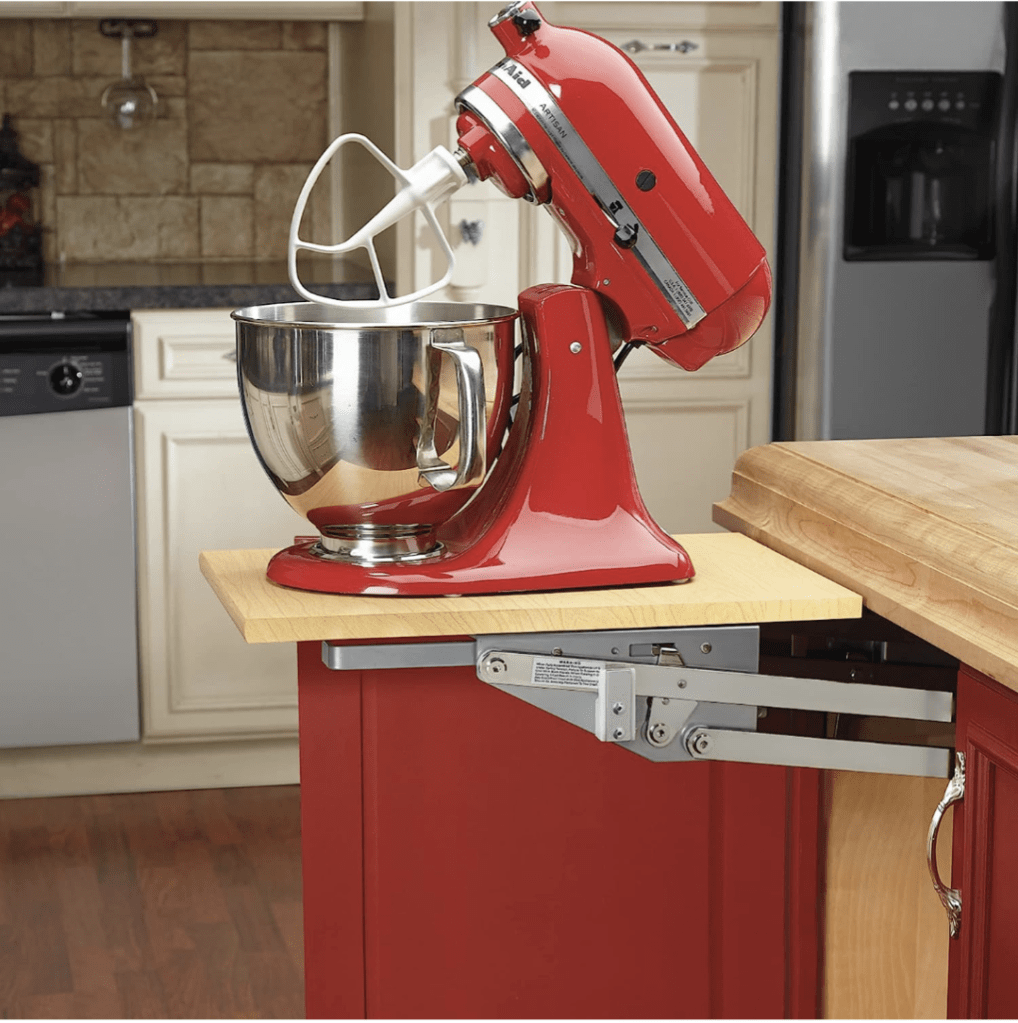
Photo by Dmitry Zvolskiy on Pexels.com

Hidden Storage:

  1. Utilize the Space Underneath Your Cabinets: One of the easiest ways to add hidden storage to your kitchen is to use the space underneath your cabinets. You can install pull-out drawers or wire baskets to store items like baking sheets, cutting boards, and other flat items.
  2. Consider a Pantry Cabinet: A pantry cabinet is a great way to add extra storage space to your kitchen. You can choose a freestanding cabinet or have one built into your kitchen design. A pantry cabinet can be used to store dry goods, small appliances, and other kitchen essentials.
  3. Use a Lazy Susan: A Lazy Susan is a rotating tray that can be used to store spices, condiments, and other small items. They’re great for maximizing the space in a corner cabinet.
  4. Install Pull-Out Shelves: Pull-out shelves are a great way to make the most of your cabinet space. They allow you to easily access items in the back of your cabinets without having to reach or strain.

Visible Appliances:

  1. Choose Appliances That Match Your Decor: When selecting visible appliances, choose ones that match your kitchen decor. This will help to create a cohesive look and make your appliances feel like an intentional part of your design.
  2. Go for Stainless Steel: Stainless steel appliances are a classic choice that can add a sleek and modern look to your kitchen. They’re also easy to clean and maintain.
  3. Add a Pop of Color: If you want to add some personality to your kitchen, consider adding a brightly colored appliance like a mixer or blender. This can be a great way to add a fun and playful touch to your space.
  4. Use Appliances as Decor: Some appliances, like a vintage toaster or a retro fridge, can be used as decor items in your kitchen. They can add character and charm to your space, while still being functional.

Maximizing hidden storage and making the most of visible appliances can help you to create a functional and stylish kitchen. By utilizing these tips, you can create a space that is both practical and visually appealing.

As an Amazon Affiliate, I earn on qualifying purchases.

Green Up Your Space: Tips for Decorating with Indoor Plants

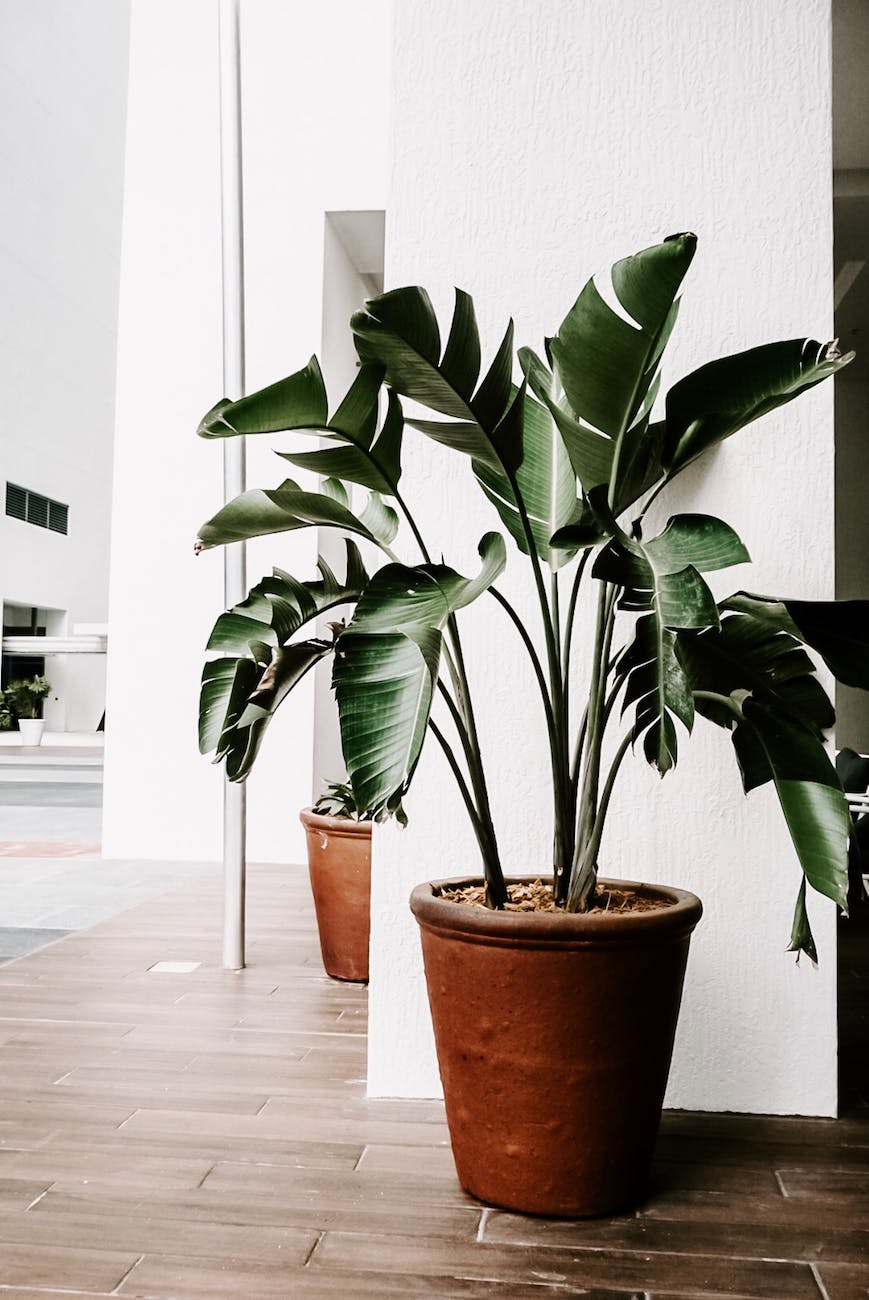
Photo by Julia Kuzenkov on Pexels.com

Are you ready to add some life and greenery to your living space? Indoor plants are the perfect addition to any home or office, and they offer numerous benefits, from purifying the air to boosting your mood. But if you’re new to the world of indoor gardening, it can be overwhelming to know where to start. Fear not! In this post, we’ll share some fun and practical tips for decorating with indoor plants.

  1. Choose the right plants for your space: Different plants have different needs, so it’s important to choose ones that will thrive in your home or office. Consider factors like lighting, humidity, and temperature when selecting plants. If you have a lot of natural light, you can choose plants that require more sunshine. For low-light areas, try plants like snake plants or pothos.
  1. Experiment with different planters: Gone are the days of boring, plain planters. There are so many creative and stylish options available now, from hanging baskets to terrariums to macrame plant hangers. Try mixing and matching different planters to create a unique and eclectic look.
  1. Group plants together: Instead of scattering your plants around the room, consider grouping them together in clusters. This not only creates a focal point, but it also creates a more natural and cohesive look. Plus, grouping plants together can help increase humidity levels, which many plants thrive on.
  1. Use plants as decor: Plants don’t just have to be placed on tables or shelves. Get creative and use them as decor in unexpected ways. For example, you can create a living wall by hanging multiple plants on a wall-mounted shelf. Or, use trailing plants to create a natural-looking garland.
  1. Don’t forget about maintenance: Indoor plants require regular care and maintenance to thrive. Make sure to water them on a regular schedule, and check the soil moisture level before watering to avoid over- or under-watering. You should also regularly dust the leaves to keep them looking their best.

Incorporating indoor plants into your home decor is a fun and easy way to add some life and color to your space. With these tips, you’ll be on your way to creating a green oasis in no time!

Snake Plant

The snake plant, also known as mother-in-law’s tongue, is a popular indoor plant due to its low maintenance requirements and air-purifying qualities. It can tolerate low light conditions and infrequent watering, making it an ideal choice for beginners. The snake plant also has a striking, upright appearance with variegated leaves that can add visual interest to any room.

Pothos

The pothos is another easy-to-care-for indoor plant that can thrive in low light conditions. It has trailing vines with heart-shaped leaves that come in a variety of colors, from green and gold to variegated white and green. Pothos plants are also known for their air-purifying abilities, making them a great choice for improving indoor air quality.

ZZ Plant

The ZZ plant is a durable and resilient indoor plant that can tolerate a wide range of conditions, from low light to bright, indirect light. It has glossy, dark green leaves that grow in a graceful, upright shape. ZZ plants are also known for their ability to remove toxins from the air, making them a great addition to any home or office.

As an Amazon Associate, I earn on qualifying purchases.

Light Up Your Night: The 5 Benefits of Using Outlet Night Lights

Photo by u04 on Pexels.com

Do you ever find yourself stumbling in the dark trying to navigate your home at night? If so, you may want to consider installing outlet night lights in your living spaces. Not only do these small and compact lights help to light up your surroundings, but they come with a range of benefits that you may not have considered.

Here are just a few of the benefits of using outlet night lights:

  1. Increased Safety: One of the main benefits of using outlet night lights is that they can significantly increase safety in your home. Whether you need to navigate the hallway to use the bathroom or check on your child, outlet night lights provide just enough illumination to prevent accidents and falls.
  2. Improved Sleep: Exposure to bright lights at night can disrupt your body’s natural sleep rhythms, making it difficult to fall asleep and stay asleep. Outlet night lights provide just enough light to guide you without interfering with your natural sleep patterns.
  3. Reduced Anxiety: Darkness can be a source of anxiety for many people, especially children. Outlet night lights can help alleviate this anxiety by providing a sense of security and comfort, making it easier to fall asleep and stay asleep.
  4. Energy Efficiency: Many outlet night lights use LED technology, which is more energy-efficient than traditional light bulbs. This means that you can enjoy the benefits of night lighting without worrying about your energy bill.
  5. Decorative Options: Outlet night lights come in a wide range of designs, colors, and shapes, making it easy to find one that fits your personal style and home decor.

Outlet night lights are a simple and effective solution to improve safety, comfort, and convenience in your home. Whether you need a guiding light for late-night bathroom trips or a comforting glow for your child’s room, outlet night lights are a great investment for any household.

As an Amazon Associate, I earn on qualifying purchases.

Chasing Raindrops: The Delightful Charm of Rain Chains for Your Home

Photo credit: Briburn Architects and Building designers

Rain chains are a fantastic addition to any home, and they can make rainy days even more enjoyable. These decorative chains are a fun and functional way to divert rainwater away from your roof and into a drainage system or a rain barrel.

Rain chains come in many different designs and styles, from traditional Japanese-inspired chains made of copper or brass to modern designs made of stainless steel or aluminum. They can be simple or elaborate, and they can add a unique touch to your home’s exterior.

Photo credit: In Harmony Sustainable Landscapes

One of the best things about rain chains is that they make a soothing sound as the rainwater trickles down them. The sound of water gently cascading down the chains is incredibly relaxing and can make you feel calm and peaceful, even on the gloomiest of days.

Rain chains are also easy to install and maintain. They typically come with a hook or a hanger that you can attach to your home’s gutter system, and they don’t require any additional plumbing or electrical work. Plus, because they’re made of durable materials like metal or ceramic, they can last for many years without needing much maintenance.

Photo credit: Total Concepts Home Builder

In addition to their functional benefits, rain chains are also a great conversation starter. Guests and visitors to your home will love seeing these unique and beautiful chains in action, and you might even inspire them to install their own rain chain.

Overall, rain chains are a fun way to add some personality to your home’s exterior while also serving a practical purpose. So why not embrace the rainy season and install a rain chain today?

As an Amazon Associate, I earn on qualifying purchases.

Small Space, Big Style

Photo by Erik Mclean on Pexels.com

Small Space, Big Style: Creative Design Ideas for Tiny Homes and Apartments

Living in a small space doesn’t mean sacrificing style or functionality. With some creative design ideas, you can maximize your space and create a home that’s both stylish and functional. In this blog post, we’ll explore some innovative ways to maximize space and create functional and stylish living areas in small homes, apartments, and tiny houses.

  1. Think Vertically: When it comes to small space design, thinking vertically is key. Take advantage of your vertical space by installing shelves, cabinets, and wall-mounted storage solutions. This will not only free up floor space but also add visual interest to your walls.
  2. Multi-Functional Furniture: Multi-functional furniture is a must-have in small spaces. Look for furniture pieces that can serve more than one purpose, such as a sofa bed, ottoman with storage, or a coffee table that can also be used as a workspace.
  3. Use Mirrors: Mirrors can help create the illusion of more space by reflecting light and creating depth. Place mirrors strategically to make your space appear larger, such as on a wall opposite a window or in a narrow hallway.
  4. Creative Storage Solutions: In a small space, storage is key. Get creative with your storage solutions by using under-bed storage, hanging organizers, and even using the space above your cabinets.
  5. Bold Design Choices: Don’t be afraid to make bold design choices in a small space. A bright accent wall or a unique piece of art can add personality and interest to your space, without taking up too much room.
  6. Embrace Minimalism: In a small space, less is often more. Embrace minimalism by paring down your belongings and keeping your decor simple and streamlined.

Nesting Tables

As an Amazon Associate, I earn on qualifying purchases.

Increasingly Popular…Open Shelving

Picture from Houzz, Covenant Kitchen & Baths, Inc.

Open shelving has become increasingly popular in recent years, and it’s easy to see why. It adds a stylish and modern touch to any kitchen, and it’s a great way to display your favorite dishes and cookware. In this blog post, we’ll explore the pros and cons of open shelving and provide tips on how to make the most of this trend in your own home.

First, let’s look at the pros of open shelving. One of the biggest advantages is that it can make your kitchen feel more spacious and open. With no cabinet doors to block your view, your kitchen can feel brighter and more inviting. Open shelving also allows you to display your favorite dishes and cookware, adding a personal touch to your kitchen decor. It can also be a great way to show off any unique or antique pieces you may have collected over the years.

However, there are also some potential cons to open shelving. One of the biggest concerns is the need for constant upkeep. With no doors to hide your dishes and cookware, you’ll need to keep them organized and tidy at all times. This can be a challenge if you have a lot of items or if you’re not naturally neat and organized. Another concern is that open shelving can be a dust magnet, which means you’ll need to clean it regularly to keep it looking its best.

So, how can you make the most of open shelving in your home? Here are some tips:

  1. Use it strategically. Instead of replacing all your cabinets with open shelving, consider using it in a specific area or as an accent. For example, you could install open shelves above your sink or around your range hood.
  2. Keep it organized. Use matching or coordinating dishes and cookware to create a cohesive look, and arrange them in an aesthetically pleasing way. Consider using baskets or containers to corral smaller items.
  3. Mix it up. Don’t be afraid to mix open shelving with closed cabinets for a more balanced look. You can also mix and match different types of shelving, such as wood and metal, for added visual interest.
  4. Embrace the imperfections. Open shelving is meant to be lived in, so don’t worry too much about minor scratches or scuffs. They can add character and charm to your kitchen.
  5. Have fun with it. Experiment with different ways to style your open shelves, and don’t be afraid to switch things up from time to time. It’s a great way to express your creativity and add a personal touch to your kitchen.

Open shelving can be a stylish and functional addition to any kitchen. By following these tips, you can make the most of this trend and create a kitchen that’s both practical and beautiful. So go ahead, give it a try, and see how open shelving can transform your space!

Shelves Wall Mounted

Wooden Beads

As an Amazon Associate, I earn on qualifying purchases.

3 Tips for outdoor Spring Cleaning

Photo by Lisa Fotios on Pexels.com
  1. Clean Outdoor Furniture: Take the time to clean and refresh your outdoor furniture. Wipe down any surfaces with a gentle cleaner and wash any cushion covers according to the manufacturer’s instructions. If your furniture has been outside all winter, you may also want to inspect it for any damage or wear and tear.
  2. Prune and Trim: Spring is the perfect time to trim back any bushes or trees that have overgrown during the winter. This will not only keep your yard looking tidy but will also promote healthy growth. Remove any dead branches or plants to prevent disease from spreading to healthy plants.
  3. Repair and Maintain: Check your outdoor tools and equipment such as your lawnmower, grill, and irrigation system. Make any necessary repairs or maintenance to ensure that they are in good working condition for the upcoming season.

As an Amazon Associate, I earn on qualifying purchases.

Daylight Savings

Photo by Ann poan on Pexels.com

A story….One year, a family was preparing for the daylight saving time change. They had carefully set their clocks forward one hour before going to bed, so they could wake up at the correct time the next morning.

However, when they woke up the next day, they noticed that all of the clocks in the house were showing different times. Some were an hour ahead, some were an hour behind, and some were just completely wrong.

Confused and frustrated, the family started arguing about who had set the clocks incorrectly. They checked the internet and realized that daylight saving time was indeed supposed to start that day.

After a few minutes of investigating, they finally figured out what had happened. One of their children had been playing with the clocks earlier in the day and had accidentally changed the time zone setting on the clock in the living room.

So while all of the other clocks in the house had been changed correctly, the living room clock was still displaying the time from a different time zone. As a result, all of the other clocks in the house had been thrown off and were showing the wrong time.

The family couldn’t help but laugh at the silly mistake and quickly fixed the living room clock. From then on, they made sure to double-check all of their clocks before the daylight saving time change to avoid any more confusion.

As an Amazon Associate, I earn from qualifying purchases

Planning your Spring decor

Photo by Elina Fairytale on Pexels.com

Some tips for decorating your home for spring:

  1. Bring in some fresh flowers: Spring is all about new beginnings and fresh starts. What better way to welcome the season than with a beautiful bouquet of fresh flowers? You can choose from a variety of spring blooms such as tulips, daffodils, and hyacinths.
  2. Use bright and pastel colors: Spring is a time for light, bright, and airy colors. Swap out your dark and heavy winter decor for lighter and brighter colors like pastels, whites, and yellows. You can add throw pillows, curtains, and rugs in these colors to brighten up your space.
  3. Add some greenery: Spring is a time when plants start to come back to life. Add some greenery to your home by placing potted plants, succulents, or a small herb garden on your windowsills or kitchen counter.
  4. Swap out your bedding: Put away your heavy winter bedding and replace it with lighter fabrics such as cotton or linen. You can also add some spring-inspired prints like floral or gingham to your bedding.

Just a few ideas to help you decorate your home for spring. Remember, the key is to keep things light, bright, and airy to create a fresh and inviting atmosphere that welcomes the new season.

As an Amazon Affiliate, I earn on qualifying purchases.

A few ideas to step up your mudroom

Picture from Oliver Designs via Houzz

A mudroom can be a great addition to a home, especially for those who live in areas with inclement weather. Here are some reasons why:

  1. Storage: A mudroom is a great place to store shoes, boots, coats, hats, and other outdoor gear. This keeps these items out of the way and prevents them from cluttering up the rest of the house.
  2. Organization: With proper storage solutions, a mudroom can help keep your outdoor gear organized and easy to find. This can save time and reduce stress when trying to get out the door in a hurry.
  3. Cleanliness: A mudroom can help keep dirt, mud, and other outdoor debris from being tracked into the rest of the house. This can help reduce the amount of cleaning you need to do and keep your floors and carpets looking nicer for longer.
  4. Convenience: Having a dedicated space for outdoor gear and equipment can make it more convenient to come and go from your home. You won’t need to worry about forgetting something or searching for misplaced items.

Overall, a mudroom can be a great addition to a home, especially for those who spend a lot of time outdoors or live in areas with inclement weather. It can provide storage, organization, cleanliness, and convenience, making it a valuable space in any home.
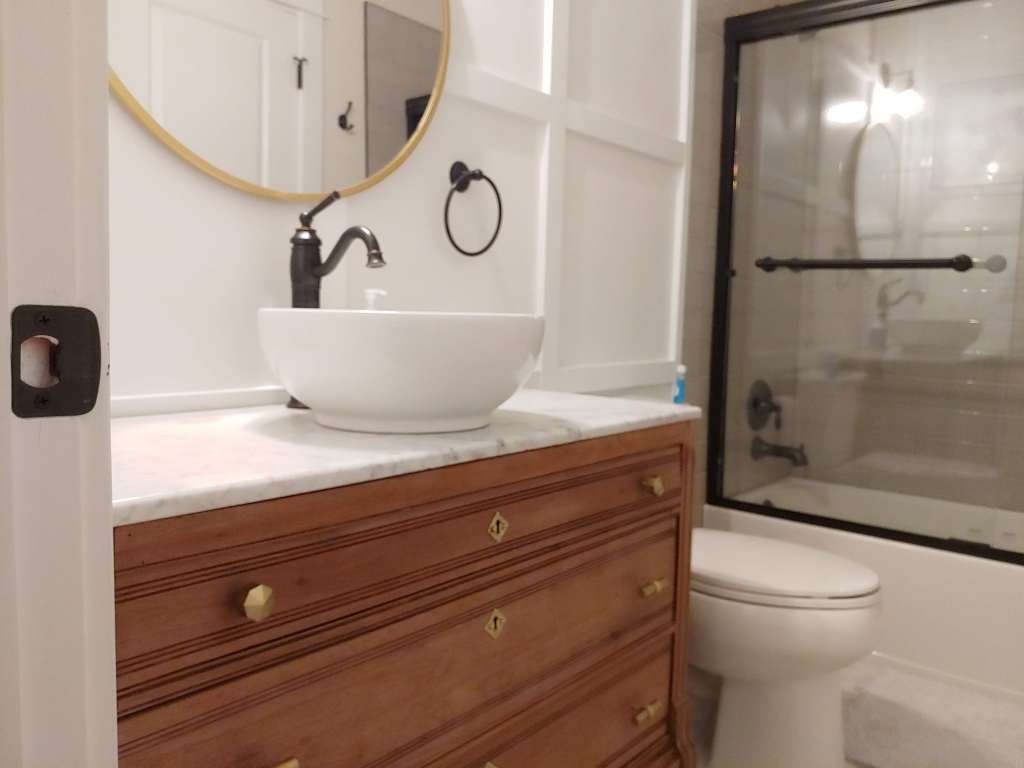
There used to be a closet in the middle of the wall, we took out the closet and added the built-ins.